2027 Best Music Education Degrees for Working Adults

Co-Founder and Chief Data Scientist
Balancing a full-time job with pursuing a music education degree can seem impossible, especially when traditional programs demand fixed schedules and on-campus attendance. Over 35% of working adults enrolled in music education reported needing flexible learning options to maintain employment. This challenge often deters career changers and adult learners from advancing in the field or transitioning into music teaching roles. This article explores the best music education degrees designed for working professionals, highlighting accredited programs that offer flexible formats and support career advancement without sacrificing job commitments.
Key Things to Know About Music Education Degrees for Working Adults
- Flexible scheduling and online formats dominate, with over 60% of programs offering part-time or hybrid models to accommodate working adults efficiently.
- Many music education degrees prioritize employer-relevant skills, integrating practical pedagogy and technology tools favored in modern classrooms.
- Support services, such as academic advising and career counseling, are increasingly tailored to working professionals balancing education and employment.
What Are the Best Music Education Degrees for Working Adults?
The best music education degrees for working adults depend on factors like schedule flexibility, career alignment, and return on investment. A notable trend for adult learners is the increase in part-time enrollment options that help balance work, study, and personal life. Flexible online and hybrid programs remain especially popular for professionals seeking convenience without sacrificing quality.
Below are some music education degree options tailored to meet the needs of working students:
- Bachelor's or Master's in Music Education with Online Delivery: These programs often provide asynchronous coursework, allowing employed students to study at their own pace and maintain full-time jobs.
- Music Therapy Specialization: Combining music and psychology, this path offers clinically relevant skills and diverse career opportunities suited for adult learners.
- Performance-Based Music Education: Emphasizing musicianship and teaching methods, this option usually includes weekend or evening intensives that accommodate busy work schedules.
- Adult and Community Music Education: Designed for teaching music to adults or community groups, it aligns well with careers outside traditional school settings.
- Music Technology in Education: This specialization integrates digital tools in teaching, addressing the growing employer demand for tech-savvy educators.
Each choice emphasizes flexibility, a practical curriculum, and job market relevance, which are essential in the best online music education degrees for working adults. For those interested in related healthcare fields with flexible study options, exploring online SLP degrees can also be beneficial. Adult learners aiming to advance or change careers may find top accredited music education programs for adult learners that offer this balance of quality and adaptability.
What Are the Admission Requirements for Working Adults in Music Education Degree Programs?
Admission requirements for working adults pursuing Music Education degree programs often differ from those designed for traditional students. This is largely because nearly 40% of graduate students choose part-time enrollment, reflecting the growing need for flexible pathways that accommodate full-time employment. Such adaptability is crucial for career changers and adult learners balancing work and study commitments.
Common admission considerations for working adults include:
- Prior Work Experience: Relevant professional or teaching experience can sometimes substitute for standardized test scores or serve to strengthen the application, recognizing the skills developed outside the academic environment.
- GPA Expectations: Some programs offer waivers or alternative evaluation methods instead of strict minimum GPA requirements, allowing a broader range of applicants who demonstrate potential through other accomplishments.
- Standardized Test Waivers: Many institutions waive GRE or similar exam requirements for experienced adult applicants, reducing barriers that might discourage prospective students with extensive work backgrounds.
- Professional Recommendations: Letters of recommendation from supervisors or colleagues who can attest to the applicant's expertise and dedication are often required, emphasizing real-world performance and commitment.
- Flexibility for Part-Time or Online Learners: Admissions may prioritize applicants seeking nontraditional schedules, making it easier to balance full-time employment with degree requirements through part-time or online study options.
Adult learners researching admission criteria for working adults music education programs should also consider available options for affordable education. For those exploring budget-friendly alternatives, it is helpful to investigate resources like the cheapest online engineering degree listings, which illustrate how some flexible programs maintain quality while supporting working professionals.
What Coursework Is Required in Music Education Degree Programs for Working Adults?
Coursework in music education degree programs for working adults is carefully structured to balance career relevance, practical skills, and flexible learning, allowing employed students to progress without interrupting their work commitments. Recent trends show that nearly 40% of adult learners in music education programs select online or hybrid courses, highlighting the need for adaptable formats. These programs often include required classes in music education degree programs designed specifically for working professionals.
Common coursework areas include:
- Music Theory and Analysis: This course develops a strong foundational understanding of musical structure and elements, essential for teaching, composing, and advancing in various music careers.
- Curriculum Design and Instructional Methods: Focuses on effective teaching strategies and lesson planning that accommodate diverse learning styles, supporting educators who balance classroom and private instruction roles.
- Conducting and Ensemble Leadership: Equips students with skills to lead choirs, bands, or community ensembles, strengthening leadership qualities that enhance professional opportunities.
- Technology in Music Education: Covers digital tools and software integration to modernize teaching and performance, offering flexible approaches beneficial for working adults.
- Assessment and Evaluation: Provides training in measuring student progress and program effectiveness, essential for refining instructional methods and meeting educational standards.
Adults seeking flexible education options may also explore related fields, such as online marriage and family therapy programs, which similarly cater to working professionals.
Breakdown of All 4-Year Online Title IV Institutions

Completion times for music education degrees vary widely among working adults, influenced by unique personal and job-related circumstances. On average, part-time students often take about five years to graduate, compared to roughly four years for full-time students.
Several key factors affect how long it takes for working adults to finish their music education degrees:
- Program format: Flexible online and hybrid options enable students to tailor their learning schedules, which can either shorten or extend the time to finish depending on their availability and pace.
- Course load: Many working students enroll part-time to juggle employment and study, naturally prolonging the overall degree timeline.
- Prior credits: Transferring previously earned credits often reduces the number of courses needed, helping students graduate sooner.
- Work schedule: Irregular or demanding job hours may limit study time per term, forcing slower progress through the program.
- Accelerated options: Programs offering summer sessions or intensive courses give motivated students the chance to complete requirements faster if they can dedicate extra effort.
I spoke with a professional who earned an online music education degree while maintaining full-time work. He shared that balancing coursework with his job was "challenging yet rewarding," noting that the flexibility of his program was crucial. He recalled late nights and weekend study sessions, emphasizing how important it was to stay disciplined and motivated. "There were moments of doubt, but the ability to connect with instructors online and access materials anytime helped me keep going." His experience highlights that while completing a music education degree while working demands persistence, it is achievable with the right structure and mindset.
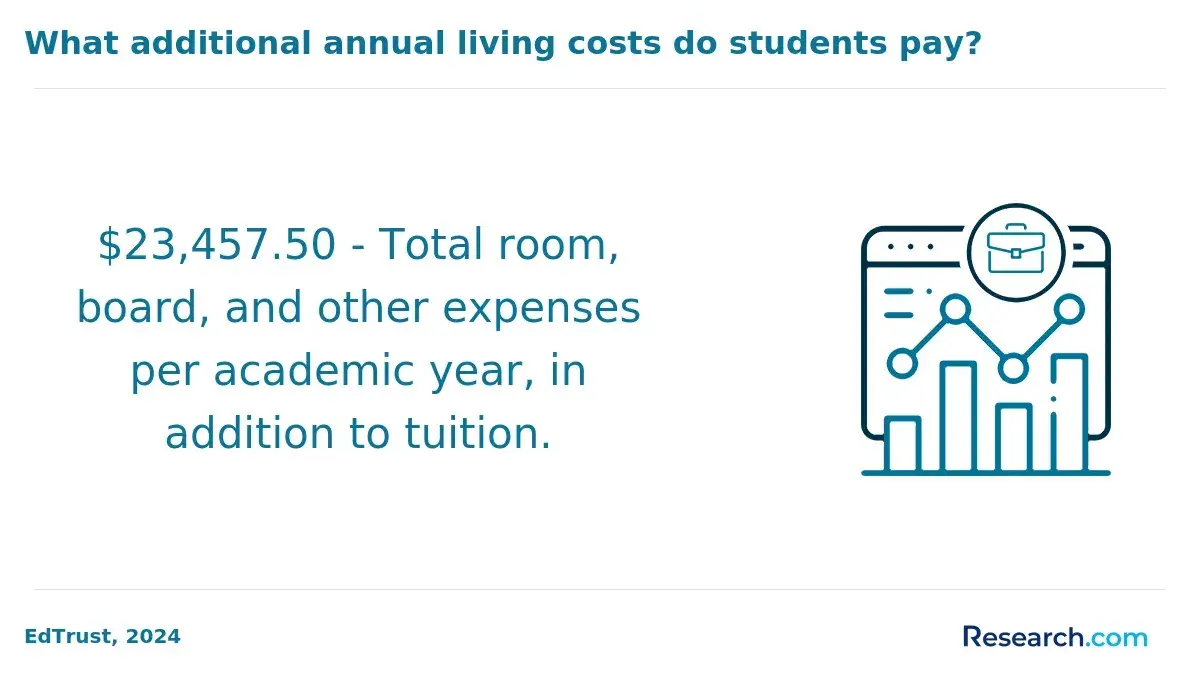
Working adults pursuing a music education degree often face unique financial challenges since many balance studies with full-time jobs and personal responsibilities. Research indicates adult learners can spend 20-30% more overall due to longer program durations and part-time enrollment patterns. This makes careful budgeting essential.
Several key elements contribute to the overall cost of a music education degree for employed students:
- Tuition per Credit: Part-time students usually pay tuition based on credits, which can increase total expenses over time as they take fewer courses each semester compared to full-time students.
- Program Length: Extended program timelines lead to more tuition payments, additional semesters, and higher cumulative costs, especially when balancing a reduced course load alongside work.
- Additional Fees: Expenses like technology fees, instrument rentals, and textbooks accumulate, adding to the financial burden beyond base tuition costs.
- Online Versus On-Campus: Online programs may cut costs by removing commuting and housing expenses but can introduce technology or software fees that partially offset savings.
- Cost-Saving Strategies: Many adult learners benefit from employer tuition reimbursement, targeted scholarships, or starting at community colleges to reduce costs on general education credits.
Balancing work, family, and school creates a unique financial challenge for adults pursuing a Music education degree. Financial aid options can provide vital support to help manage tuition costs and ease the burden of competing responsibilities.
Common types of assistance available to working adults include:
- Federal financial aid: This includes grants and loans such as Pell Grants and Direct Loans, which are based on financial need and offer flexible repayment terms to make education more attainable.
- Employer tuition assistance: Some employers offer programs to reimburse tuition or cover costs when coursework aligns with job duties, encouraging continued professional development.
- Scholarships for adult learners: Targeted scholarships are designed for nontraditional students, taking into account career aspirations, community engagement, and economic circumstances.
- Grants: These funds, awarded by government or private organizations, do not require repayment and often focus on students with specific qualifications or financial needs.
- Payment plans: To reduce upfront financial stress, certain schools provide installment options that allow tuition to be paid over time.
When asked about her experience, a professional who earned a Music education degree while working shared how navigating financial aid was both daunting and rewarding. She explained, "Juggling a full-time job and family made it tough to focus on costs, but exploring every available option became essential." Applying for multiple aid sources took patience, and there were moments of uncertainty about meeting deadlines and qualifications. However, she reflected that securing employer assistance combined with a flexible payment plan was a game-changer. "Knowing I had support lifted a huge weight, allowing me to concentrate on my studies without constant financial stress," she said. This blend of aids made it feasible to pursue her passion and advance her career simultaneously, illustrating how thoughtful financial planning is crucial for adults balancing multiple priorities in higher education.
Working adults in music education programs juggle coursework alongside full-time jobs and personal duties, making institutional support essential for success. These tailored services help students manage demands and stay on track toward their degrees.
- Academic Advising: Offers customized guidance to help students select courses that fit their schedules and career paths. Advisors assist in mapping out realistic timelines to maintain steady progress.
- Flexible Scheduling: Includes evening, weekend, or asynchronous classes designed to fit around work commitments. This flexibility enables adults to continue employment without compromising their studies.
- Online Learning Support: Provides technical assistance, tutorials, and virtual help desks to enhance the remote learning experience. These resources ensure students remain engaged and can resolve issues promptly.
- Cohort-Based Learning: Builds supportive peer groups that encourage motivation and accountability. Sharing experiences within a cohort can improve persistence and boost completion rates.
- Mental Health Resources: Supplies counseling services and stress management programs tailored to help students cope with balancing multiple roles. Addressing emotional well-being supports sustained academic focus.
Accreditation ensures that music education programs meet established academic standards through evaluation by independent agencies. For working adults, this guarantees a curriculum and faculty quality that aligns with professional and industry expectations. Accredited degrees carry weight with employers, who often require such credentials for teaching or administrative positions. Moreover, only accredited programs typically allow students to access federal financial aid, an important consideration for adults balancing education costs with full-time work. A significant trend is that adult learners now make up a substantial share of graduate enrollments, highlighting the growing demand for flexible, reputable programs.
Accreditation also enhances the lasting value of a music education degree by facilitating credit transfers between institutions, which can be vital for those pursuing further education. It influences eligibility for state teaching certification or licensure, a crucial step for many education careers. Additionally, holding an accredited degree supports long-term career progression in both educational and performance sectors by validating the qualifications. These factors collectively make accreditation a key consideration for working adults investing in music education.
Salary growth is a key motivator for working professionals pursuing a music education degree because many balance their studies with full-time employment and seek clear financial returns. Typically, music educators earn between $40,000 and $70,000 annually, though salaries vary based on experience, location, and advanced qualifications.
- Industry Demand: Geographic regions with robust school funding or expanding music programs generally offer higher compensation, influencing the financial benefits of a music education degree. Working adults in these areas may see more significant salary increases tied to local educational priorities.
- Role Advancement: Obtaining a music education degree can open doors to leadership roles such as department head, curriculum specialist, or private studio director. These positions often provide higher salaries and greater career advancement for professionals seeking growth.
- Employer Policies: Some institutions link salary increments directly to academic credentials, rewarding employees who earn degrees with pay raises. Understanding these policies helps working adults strategically invest in their education for financial gain.
- Years of Experience: Tenure remains a strong salary determinant, and when coupled with a degree, it often leads to higher pay. Experienced professionals who continue education can maximize compensation over time.
- Specialization: Focusing on areas like technology integration or special needs instruction within music education can boost salary prospects by addressing evolving educational demands and niche skill sets.
Working adults interested in career advancement for professionals typically choose flexible, accredited music education programs that accommodate full-time work. This approach enables them to enhance their credentials without interrupting their careers, increasing the likelihood of salary improvement.
For insight into broader earning potentials and related fields, students may explore what job makes the most money, which provides valuable information on top-paying college majors relevant to career decisions, including in education sectors.
A music education degree enables working adults to move beyond entry-level teaching by qualifying for higher-level, specialized, or leadership-oriented roles. Combining professional experience with formal education opens doors to career advancement in the music field.
Common advanced job roles pursued by professionals include:
- Music Director or Conductor: Leading ensembles, orchestras, or choirs requires not only expert knowledge of music theory but also strong artistic and administrative skills. A music education degree prepares working adults to manage and inspire musical groups effectively, representing a significant career step beyond classroom teaching.
- Curriculum Specialist: This role involves designing and evaluating music programs to ensure they meet educational standards. The degree equips professionals with an understanding of pedagogy and assessment methods critical for developing impactful music education curricula.
- Educational Consultant: Consultants advise schools and organizations on music education strategies and resource allocation. A music education background supports experienced adults in enhancing teaching quality and student engagement across various settings.
- Music Therapist: Often requiring additional certification, music therapists use music therapeutically to support emotional and cognitive well-being. A foundation in music education combined with experience can lead to specialization in this growing field.
- Department Chair or Program Coordinator: These leadership positions oversee faculty, budgets, and curriculum development within academic or organizational settings. A music education degree complements leadership skills needed to manage programs and staff effectively.
Working adults seeking to expand their career opportunities with music education careers for working adults should consider flexible and accredited programs that accommodate full-time employment. For those interested in broadening their qualifications further, exploring certifications online can provide additional pathways to growth.
What Graduates Say About Their Music Education Degrees for Working Adults
- Justin: "Choosing an online music education degree while working full time was a game-changer for me. The flexibility allowed me to balance my job and studies, and I found the cost-around $20,000 on average-quite reasonable compared to traditional programs. Completing my degree opened doors to lead music programs at local schools, elevating my career to new heights."
- Brian: "After years of teaching piano privately, I decided to pursue a part-time music education degree to formalize my credentials. The financial investment was manageable, especially since I could keep working, and the total cost was in line with what I expected for a quality program. Reflecting on my progress, the degree has greatly expanded my understanding of pedagogy and boosted my confidence as a professional educator."
- Frank: "Balancing work with a music education degree was challenging but incredibly rewarding. I was initially concerned about the cost, which averages near $18,000 for programs accommodating working adults, but it was worth every penny. Earning this degree has had a measurable impact on my career, enabling me to secure a leadership role within a school district's arts department."
Other Things You Should Know About Music Education Degrees
Most 2027 music education degree programs for working adults allow credit transfers. Check individual program policies, as they vary. Typically, accredited courses may transfer, but connect with admissions advisors for specific criteria. Present transcripts and syllabi for evaluation to maximize transferable credits efficiently.
Online music education degrees offer flexibility that suits working adults, allowing study outside traditional hours. Reputable programs provide interactive components such as virtual lessons, ensemble participation, and video submissions to maintain quality. However, some practical components may require occasional in-person attendance or local arrangements.
Yes. Many 2027 music education programs offer part-time formats that let students take 6 to 9 credits per term instead of a full 12-credit load. These options are common at colleges that provide evening, weekend, or fully online classes for licensed teachers and career changers.
- Programs - Manhattan School of Music https://www.msmnyc.edu/programs/
- Music Service | Services for Education | Birmingham https://www.servicesforeducation.co.uk/music-service/
- Music Education Grades P-12, B.S. | Asbury University https://www.asbury.edu/undergraduate/academics/program/music-education/
- Music Education, M.M. - Immaculata University https://www.immaculata.edu/academics/degrees-programs/music-education-m-m/
- American Music Therapy Association https://www.musictherapy.org/careers/employment/
- Home https://www.institute.lotuscentre.net/
- Student Information https://encoremusicacademy.org/financial-assistance/
- 10 Music Education Grants You Can Apply For https://solfeg.io/music-education-grants
- 10 Types of Music Degrees - Inside Music Schools https://insidemusicschools.com/blog/the-10-different-types-of-music-degrees/
- FAQs https://majoringinmusic.com/faqs/