2027 Online Music Education Degree Programs for Veterans: GI Bill Benefits, Costs & Top Considerations

Co-Founder and Chief Data Scientist
Many veterans struggle to find affordable, flexible online music education degree programs that fully utilize their GI Bill benefits. Despite increased interest, only 45% of veterans enrolling in such programs maximize their housing allowance, limiting their financial support. This gap often leads to unexpected out-of-pocket expenses and program delays. Additionally, a significant portion of veterans fail to verify tuition coverage, which impacts their ability to complete their degree on time.
This article explores GI Bill benefits specific to online music education, associated costs, and critical factors to consider, aiming to help veterans make informed decisions and optimize their educational investment.
Key Benefits of Online Music Education Degree Programs for Veterans
- The GI Bill covers many online music education degree costs, including tuition and housing allowances, offering veterans financial support comparable to traditional programs.
- Online music education degrees provide veterans with flexible schedules and self-paced learning, accommodating military commitments and family responsibilities effectively.
- Career services tailored to military-connected students enhance job placement in education and performance sectors, with over 70% of veteran graduates finding relevant employment within a year.
Who Qualifies as a Veteran for Online Music Education Degree Programs?
Accessing GI Bill benefits is essential for veterans pursuing online music education degree programs, as eligibility impacts tuition coverage, housing allowances, and other financial support. Over 1 million veterans have enrolled in higher education programs recently, highlighting growing interest in flexible online options. Below are common eligibility categories to understand before applying.
- Active Duty Veterans: Individuals who served on active duty in branches such as the Army, Navy, Air Force, Marine Corps, or Coast Guard qualify if discharged honorably or under conditions other than dishonorable. This ensures access to education benefits tied to their service.
- Reservists and National Guard: Eligibility includes those called to active duty who meet minimum service requirements. This group can also access many of the same benefits as active duty veterans when pursuing online music education degrees.
- Service-Connected Disabilities: Veterans with disabilities related to their service may receive extended or enhanced benefits, providing additional support for tuition and housing while studying.
- Dependents: Some dependents qualify through transferred GI Bill benefits or programs like Survivors' and Dependents' Educational Assistance, enabling family members to pursue degrees online.
Veterans seeking programs tailored to their financial and educational needs might consider exploring online msw programs affordable as a resource for affordable online degrees with veteran support options.
Do Online Music Education Degree Programs Accept Military Training for College Credit?
Prior learning credit is especially important for veterans and service members pursuing online music education degrees because it shortens time to graduation and reduces educational expenses. According to the Council for Adult and Experiential Learning, nearly 85% of colleges accept some form of prior learning assessment, including military training, for credit transfer. Below are common evaluation methods used by programs to apply military training to online music education degree credit.
- Joint Services Transcripts (JST): These transcripts provide detailed documentation of a service member's military courses and training history. Programs review JSTs to identify coursework that aligns with college credit requirements.
- ACE Credit Recommendations: The American Council on Education (ACE) offers credit recommendations that translate military training into academic credits. Institutions rely on these guidelines to award appropriate credit for prior military experience.
- Competency-Based Assessments: Some programs use assessments to measure specific skills or knowledge acquired during military service. This allows veterans to demonstrate competencies relevant to the music education curriculum.
- Policy Limits: Institutions often set maximum credit limits for prior military learning to ensure academic integrity and degree rigor. These limits dictate how many credits from military training can be transferred toward degree completion.
Veterans exploring online music education degree options should also consider how GI Bill benefits apply to tuition and housing allowances for various programs. For those interested in related technical fields, there is useful information on the most cost-effective paths for engineering degrees online, which may complement educational goals.
How Do Online Music Education Degree Programs Work for Veterans?
Online music education programs offer veterans the flexibility to manage their studies alongside work, family, or military duties through adaptable course structures. These programs often combine flexible delivery methods with tailored support, ensuring a balanced academic experience. Key features available to veterans include:
- Flexible Course Delivery: Most courses are offered asynchronously, enabling veterans to complete lectures and assignments at convenient times, while occasional live sessions are scheduled with veteran availability in mind.
- Self-Paced and Cohort Options: Veterans can either move through material independently or participate in cohort-based learning, allowing adjustment to personal or service commitments such as deployments.
- Veteran-Specific Academic Support: Dedicated advisors and tutors help address the unique challenges veterans face, often including technical assistance relevant to online learning environments.
- GI Bill Integration: Programs typically work closely with the VA to process benefits efficiently, covering tuition and fees, with housing allowances adjusted based on program format and location.
- Targeted Veteran Resources: Services like orientation sessions, peer networks, and career counseling assist veterans in transitioning from military to civilian roles within music education fields.
When I spoke with a veteran enrolled in one of these online music education programs, he shared how valuable this flexibility proved during his transition. "Balancing school with my family and active duties felt daunting," he recalled. "The ability to access lectures whenever I had time, and having advisors who understood military challenges made all the difference. Processing my GI Bill was smoother than I expected, too." He emphasized that connecting with other veterans through support groups helped combat feelings of isolation, making the demanding coursework feel more manageable and purposeful.
Veterans pursuing online music education degree programs should verify that their chosen institution holds proper accreditation, as this designation confirms the program meets established academic standards. Accreditation is particularly crucial for those using GI Bill benefits because the U.S. Department of Veterans Affairs (VA) mandates that schools be accredited by agencies recognized by the U.S. Department of Education to qualify for GI Bill eligibility. This requirement safeguards veterans' financial investment by ensuring programs provide genuine educational value and enhances the utility of tuition and housing allowances provided through these benefits.
There are two primary types of accreditation to be aware of: institutional accreditation, which assesses the quality of the entire college or university, and programmatic accreditation, which focuses specifically on individual disciplines like music education. Both impact a veteran's ability to transfer credits, obtain teaching licensure, and gain recognition from employers and state education authorities. According to the VA, more than 95% of GI Bill funds are directed to accredited institutions, highlighting the importance of attending an accredited program to support successful long-term career goals in education and ensure widely accepted qualifications after graduation.
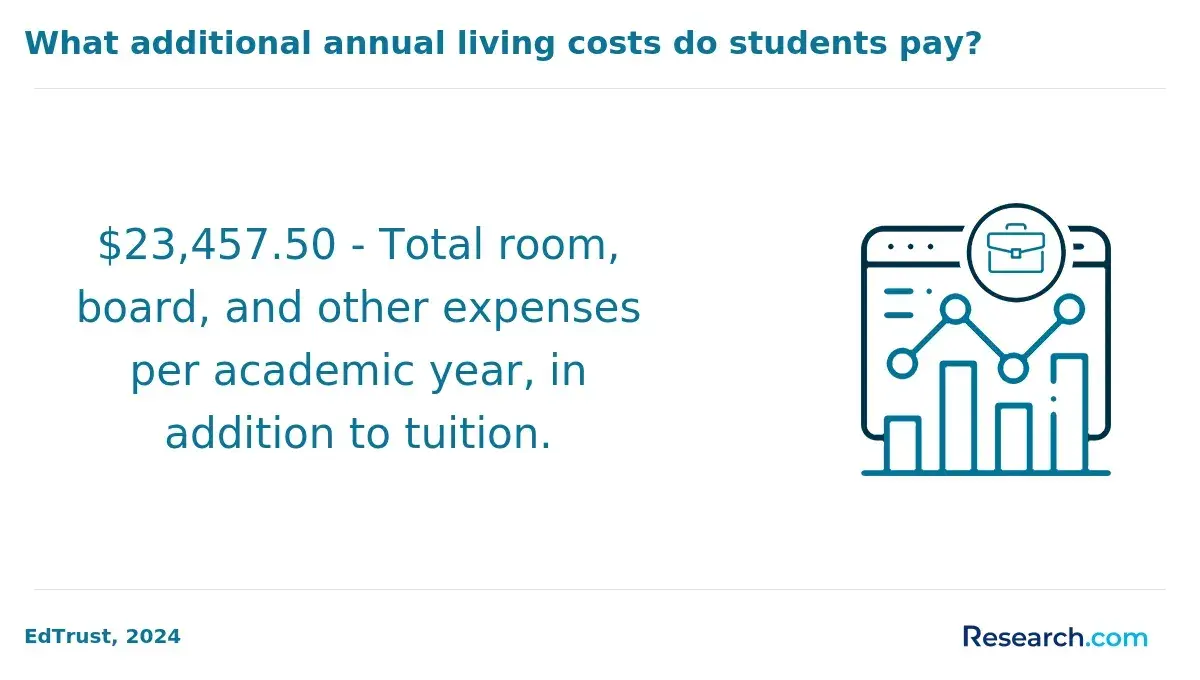
Evaluating the total cost is essential for veterans comparing online music education programs, as tuition alone may not represent the full financial commitment. On average, tuition costs range from $300 to $600 per credit, with comprehensive degree programs often requiring around 120 credits, making the total tuition between $36,000 and $72,000 before military benefits. Below are key cost factors veterans should consider.
- Tuition Per Credit: Rates vary widely, typically between $300 and $600 per credit hour depending on the institution and state, influencing the overall program cost.
- Total Program Cost: Most online music education degrees require about 120 credits, which can bring total tuition expenses to the $36,000-$72,000 range before applying benefits.
- Mandatory Fees: Additional fees, such as registration, technology, and student service charges, can add several hundred to a few thousand dollars annually, impacting out-of-pocket costs.
- Housing Allowance: Many online veteran learners do not qualify for a housing allowance under the GI Bill, which primarily supports in-person attendance. This reduces some monthly benefits but can lower living expenses compared to traditional students.
- Out-of-Pocket Expenses: GI Bill benefits, especially the Post-9/11 GI Bill, often cover most or all tuition costs at public institutions, but veterans attending private or for-profit schools may face partial coverage and additional charges.
Veterans exploring options for the average cost of online music education degree programs for veterans may also find value exploring related areas, such as an online masters in marriage and family therapy, which can intersect with education careers. Planning finances carefully is crucial to maximize GI Bill benefits covering music education tuition for veterans and reduce unexpected expenses.
Veterans exploring online music education degree programs benefit significantly from knowing how GI Bill benefits apply to tuition, housing, and supplies. In 2020, more than 360,000 veterans utilized the Post-9/11 GI Bill for their education, demonstrating the program's extensive reach across disciplines. Below are key GI Bill benefits relevant for those pursuing music education online.
- Post-9/11 GI Bill Coverage: This benefit typically pays 100% of in-state tuition and fees at approved schools, minimizing out-of-pocket expenses for veterans enrolled in qualifying programs.
- Tuition and Fees: The GI Bill covers costs directly related to tuition and mandatory fees, which vary by institution and the length of the program, offering crucial financial support for online learners.
- Housing Allowance: Veterans studying exclusively online receive a monthly housing allowance set at 50% of the national average Basic Allowance for Housing (BAH), which differs from location-based rates paid to on-campus students.
- Book and Supply Stipend: A yearly stipend of up to $1,000 assists with purchasing essential materials such as music instruments, textbooks, and software required for courses.
- Eligibility Factors: Benefit access depends on factors including active duty service duration and enrollment status, making it important for veterans to verify their qualification and coverage levels.
One veteran who earned her music education degree online described navigating the GI Bill benefits system as both empowering and challenging. She shared, "Balancing my studies with family life was tough, but knowing the GI Bill would cover my tuition made continuing school possible." She recalled applying for the housing allowance and supply stipend as a learning process-"It took patience to understand what I qualified for, but the support really eased my financial worries." Reflecting on her experience, she emphasized how these benefits were critical in turning her passion for music into a viable career path, reinforcing how veterans can successfully leverage GI Bill resources for online degrees.
Veteran support services in online music education degree programs play a vital role in addressing the distinct needs of military learners, improving their chances of success. Studies show that veterans who utilize specialized academic support are 15% more likely to graduate on time. The following key services are commonly offered to aid veteran students in their academic journey:
- Academic Advising: Experts assist veterans in transferring military training credits and planning course schedules that fit their unique experiences, helping to streamline their path to graduation.
- Benefits Counseling: Advisors provide comprehensive guidance on GI Bill entitlements, ensuring veterans maximize tuition coverage and housing allowance benefits.
- Mental Health Resources: Confidential counseling tailored for veterans supports managing stress, transition challenges, and overall well-being during their studies.
- Career Services: Focused on translating military skills into civilian roles within music education, these services offer resume development and job placement assistance.
- Peer Support: Online communities connect veterans for mutual encouragement, networking, and sharing experiences to foster a sense of belonging.
Veterans planning an online music education degree must carefully consider how program duration fits with their work, family, and service responsibilities. This planning is crucial for making the most of GI Bill benefits and ensuring education timelines align with financial support. Several factors influence how long completion takes, including:
- Enrollment Status: Full-time students typically complete an associate's degree in about two years and a bachelor's in four, while part-time study extends these timelines. Balancing coursework with other demands often leads many veterans to opt for part-time options.
- Credit Transfer: Veterans often benefit from prior college credits or military training, which can significantly reduce the time needed to complete an online music education degree. Credit acceptance varies by institution but is a valuable way to accelerate progress.
- Course Scheduling Flexibility: Many online programs offer asynchronous classes, allowing veterans to study when it suits them best. This flexibility supports veterans managing family, work, or active service commitments.
- Program Length Variations: Different schools and degree levels offer varying pacing options, from accelerated formats to traditional term schedules. Selecting a pace that fits veterans' personal and financial circumstances is key to success.
- Veteran Accelerated Online Music Education Programs: Some programs specifically cater to veterans seeking expedited pathways, combining credit transfer with flexible scheduling to shorten completion time without sacrificing quality.
Choosing the right program length and structure maximizes the value of GI Bill benefits, covering tuition and housing allowances effectively. Veterans interested in further educational opportunities may explore options such as an edd degree online for advanced study beyond a music education degree.
Understanding potential career paths helps veterans align their educational investment, including GI Bill benefits, with tangible job outcomes in music education fields. According to the U.S. Bureau of Labor Statistics, employment for music directors and composers is expected to grow 3% from 2022 to 2032, reflecting steady demand. Here are some common opportunities veterans may pursue with an online music education degree:
- Music Teaching: Veterans can become music teachers in public and private schools, leveraging leadership and instructional skills developed in the military. This role often involves adapting teaching methods to diverse age groups and learning environments.
- Private Instruction: Many veterans work as private music instructors, providing personalized lessons that benefit from discipline and communication techniques honed during service.
- Choir or Band Direction: Directing choirs or bands in schools or community programs allows veterans to apply teamwork and motivational skills, fostering artistic growth in others.
- Curriculum Development: Veterans can design music education programs and curricula for schools or educational organizations, making use of strategic planning skills gained in the military.
- Music Therapy and Healthcare: Exploring roles in music therapy within healthcare settings allows veterans to combine their understanding of discipline and empathy, contributing to patient healing and wellness.
- Arts Administration: Administrative positions in nonprofit arts organizations offer opportunities to manage programs and events, utilizing organizational and leadership abilities.
Veterans interested in maximizing the value of their online Music Education degree should consider accredited online certificate programs, which can complement their studies and enhance career options while using GI Bill benefits effectively. These programs often offer flexible formats suited for military lifestyles and provide credentials recognized by employers and institutions.
Evaluating potential earnings after completing an online music education degree is essential for veterans considering how GI Bill benefits will support their career goals. In 2023, the median annual income for music directors and composers was about $58,250. Several factors shape salary expectations in this field, including the following considerations:
- Industry and Role: Compensation varies significantly between public schools, private institutions, and community programs, each offering different pay levels and responsibilities.
- Location: Salaries tend to be higher in urban centers and regions with elevated living expenses, reflecting local demand and cost of living.
- Experience: Veteran educators and performers with extensive backgrounds generally command better wages due to their developed skills and reputations.
- Military Skills: Attributes such as leadership, discipline, and teamwork developed through military service can improve employability and often translate into higher salary potential within civilian education roles.
Veterans should align program choices with these factors to maximize the benefits of their education and military experience, enhancing both learning outcomes and future earning opportunities.
What Graduates Say About Their Online Music Education Degree for Veterans
- Xander: "Pursuing an online music education degree was a pivotal choice for me as a veteran seeking a flexible way to advance my skills while managing family commitments. The average cost of attendance made it an accessible investment in my future, and the curriculum catered perfectly to my transition by blending theory with practical application. Now, as a music teacher, I feel confident and well-prepared to inspire the next generation."
- Peter: "After leaving the service, I found the structure of an online music education program helpful in providing a familiar rhythm to my days. Though the financial aspect was a consideration, the manageable tuition fees eased my worries. Completing this degree not only facilitated my civilian career shift but deepened my passion and professionalism-truly a remarkable journey."
- Jordin: "The decision to enroll in an online music education degree was driven by my desire to continue serving my community through music, even after military life. The program's comprehensive approach, coupled with reasonable costs, allowed me to seamlessly transition and elevate my career. This accomplishment has opened many doors professionally and reinforced my commitment to lifelong learning. "
Other Things You Should Know About Music Education Degrees
For fully online programs, the VA pays housing allowance based on the student’s enrolled rate under the Post-9/11 GI Bill, and the rate is usually tied to the national online-only BAH amount. Students must remain in courses that count toward degree requirements and meet satisfactory progress standards.
Online music education degree programs can be eligible for full GI Bill coverage if they meet the VA's requirements for accreditation. Veterans should consult the VA's website or their school's veteran affairs office to confirm the program's eligibility for tuition and fees coverage in 2027.
- College Credit for Military Training & Experiences https://www.dantes.mil/credit4training/
- Leave Replacement, Music Teacher, K-8 | Columbia University - Military Veterans https://my.recruitmilitary.com/job/47090654/Leave-Replacement-Music-Teacher-K-8-Columbia-University-HERC-Metro-New-York-Southern-Connecticut-New-York-NY
- Veteran & Military Music College Benefits | Musicians Institute https://www.mi.edu/admissions/military-veterans/
- Online Music Education Degree https://online.usm.edu/blog/online-music-education-degree/
- Veteran Educational Benefits https://www.sfcm.edu/study/apply/financial-aid/veteran-educational-benefits
- Encore – Music by veterans & first responders | Guardian Revival https://www.guardianrevival.org/programs/encore
- Songwriting Program for Veterans - CreatiVets https://creativets.org/programs/
- 2025 Most Affordable Military-Friendly Online Colleges https://www.onlineu.com/most-affordable-colleges/military-friendly
- Can Army e-learning programs provide college credit? https://www.umu.com/ask/q11122301573854555063
- Music For Veterans https://music4veterans.org/