2027 Online vs On-Campus Music Education Degree Programs: Pros & Cons

Co-Founder and Chief Data Scientist
The popularity of online music education degrees has surged, with recent data showing that over 40% of college students enrolled in at least one online course. This growth reflects a shift in how aspiring music educators pursue their studies. This article examines the pros and cons of online versus on-campus music education degree programs, focusing on flexibility, cost, learning experience, and career outcomes.
By analyzing these factors, readers will gain a clear understanding of which option aligns better with their personal and professional goals in the evolving landscape of higher education.
Key Benefits of Online vs On-Campus Music Education Degrees
- Online music education degree programs offer flexibility that accommodates working students, with studies showing over 60% of online learners balance education alongside jobs or family commitments.
- Students in online music education can access a wider range of specialized courses and renowned instructors from top universities without geographic limitations.
- On-campus music education programs provide crucial hands-on experience with ensemble performances and access to professional-grade instruments and studios, which 78% of graduates report as vital to their skill development.
Are Online vs. On-Campus Music Education Programs Structured the Same Way?
The structure of online and on-campus music education degree programs differs significantly in how courses are delivered and how students engage with instructors and peers. These differences create distinct learning experiences suited to various student needs and lifestyles.
The following comparison outlines key structural elements between online and on-campus music education programs:
- Course Delivery: Online programs use video conferencing, learning management systems, and digital resources to provide flexible access to materials and assignments from any location, while on-campus programs rely on in-person lectures, labs, and ensemble participation that foster immediate physical interaction.
- Class Schedules: Online students often benefit from greater scheduling flexibility, with options for asynchronous study and live virtual sessions tailored to individual timetables, which suits working professionals. In contrast, on-campus programs follow fixed schedules with mandatory attendance, providing a more structured routine but less flexibility.
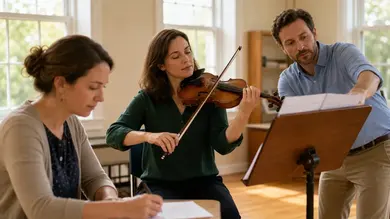
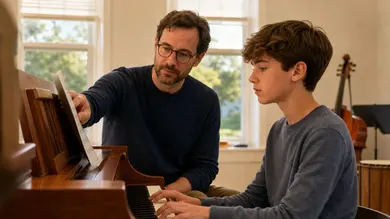
- Interaction and Collaboration: On-campus programs offer real-time feedback and social motivation through face-to-face engagement with instructors and peers, enhancing collaborative learning. Online students may experience fewer spontaneous interactions, although some programs include live video feedback and online forums to support community building and guidance.
- Performance Requirements: Both formats require demonstrating musical competence, but on-campus programs often have more frequent, mandatory in-person labs and ensemble sessions. Online students may submit recorded performances and participate in fewer or optional in-person labs, which can influence how quickly technical skills develop.
- Personalization and Accessibility: Online programs leverage technology to create personalized learning plans and connect students to specialized instructors regardless of location, benefiting those with unique scheduling needs or remote living situations. On-campus programs provide a more immersive community experience, though with less choice in instructor selection.
Are Admission Requirements the Same for Online vs On-Campus Music Education Degree Programs?
Colleges and universities generally uphold consistent academic standards for admission to both online and on-campus music education programs to ensure quality and rigor among graduates. However, there can be differences in how schools evaluate an applicant's preparedness for online learning environments, focusing more on self-motivation and technological readiness.
Below is a comparison of the key similarities and differences in admission requirements between online and on-campus music education programs:
- Academic Qualifications: Both online and on-campus programs typically require a high school diploma or equivalent for undergraduate admission and a bachelor's degree for graduate study. Transcripts demonstrating strong performance in music-related courses and general education are usually required in both formats.
- Music Proficiency/Audition: Applicants must generally demonstrate musical skills through auditions, portfolios, or recorded submissions regardless of program format. Online programs may accept video auditions, whereas on-campus programs often require live auditions in person.
- Application Materials: Standard materials such as letters of recommendation, personal statements, and résumés are needed for both online and on-campus admissions. Online programs might emphasize written communication abilities more heavily due to the remote nature of instruction.
- Technology Readiness: This is a distinctive criterion for online programs, which often assess access to technology and comfort with digital tools. Applicants may need to complete an online learning readiness survey or demonstrate basic tech skills, whereas these requirements are rare for on-campus applicants.
- Work Experience or Professional Background: Graduate online music education programs frequently prefer or require candidates to have teaching or professional experience, reflecting their focus on working educators. On-campus programs value this experience but do not always mandate it.
- Cost, Flexibility, and Support: While not admission requirements, online music education programs are often promoted for lower overall cost and greater flexibility, attracting working professionals. Prospective students should verify the availability of academic and technical support services offered online.
Students researching admission requirements for online music education degree programs will find that understanding the difference between online and on-campus music education program admission criteria can help identify which format suits their learning style and circumstances best.
For those interested in accelerated options, resources like the best accelerated online bachelor degree programs offer further guidance.
Do Online Music Education Students Receive the Same Academic Support as On-Campus Students?
Universities have significantly expanded their academic support systems to ensure that online music education students receive resources and assistance comparable to their on-campus peers. These improvements create a more equitable learning experience regardless of study format.
The following is a comparison of the main academic support services typically available to both online and on-campus music education students:
- Tutoring Services: Both formats offer one-on-one or group tutoring in areas like music theory and instrument proficiency. Online tutoring is usually delivered via video conferencing for flexible scheduling, while on-campus students attend sessions in person.
- Academic Advising: Online students access dedicated program coordinators who assist with course registration and graduation planning, often through virtual meetings. On-campus advising typically involves face-to-face sessions, sometimes with walk-in availability.
- Career Counseling: Career services such as job placement assistance and resume workshops are provided virtually for online learners and in-person for campus students, ensuring equal opportunities for professional development.
- Library Access: Digital libraries with e-books, music scores, and research databases support online students, while on-campus learners can use physical collections and in-person librarian consultations.
- Faculty Interaction: Online students engage with instructors through synchronous video lectures and virtual office hours, complemented by discussion boards. On-campus students benefit from direct classroom engagement and immediate feedback.
The time required to complete a music education degree varies considerably depending on the program's delivery format, the pace a student chooses, and the level of scheduling flexibility offered. These factors can either accelerate or extend the educational journey, influencing how quickly students achieve their academic goals.
Below is a comparison of the average completion times for online versus on-campus music education degrees:
- Online music education degree: These programs are often tailored for working professionals, allowing completion in approximately 18-24 months when pursued year-round, including summer sessions. Students benefit from flexible pacing and asynchronous coursework, which means they can balance other commitments such as full-time teaching jobs. While some programs might require brief residencies on campus, most allow students to progress at their own speed.
- On-campus music education degree: Traditional on-campus programs usually require two years of full-time study with a structured academic calendar, fixed semester schedules, and in-person obligations like practicums or ensembles. The more rigid format offers less flexibility, making it harder to speed up or slow down progress without special approval. Regular campus attendance and direct academic support are advantages, despite the more demanding time commitment and associated living costs.
When speaking with a professional who pursued an online music education degree, he reflected on the balance between flexibility and discipline required to finish within two years.
He shared, "Juggling a teaching job and family meant I couldn't always keep a strict study schedule, but the program's design allowed me to slow down during busy periods and then catch up later." He estimated it took him about 22 months to graduate, a timeframe that felt manageable given his responsibilities.
He noted that the option to study asynchronously reduced stress and made the lengthy process feel more attainable, despite occasional challenges around time management. His experience underscores how online programs can provide adaptable pathways suited to individual circumstances while maintaining academic rigor.
Tuition, fees, and living expenses for online music education programs are generally lower compared to on-campus programs, making online options more budget-friendly for many students. While both formats offer valuable academic experiences, the total cost of earning an online music education degree is often significantly less.
Several key factors contribute to this difference in costs between online and traditional music education programs, detailed below:
- Tuition and Fees: Online music education degrees tend to cost much less than on-campus options. For example, Berklee Online's tuition is around 64% less than the in-person tuition at Berklee's Boston campus-$59,880 versus $171,520 for the full degree. On average, online college tuition is about $6,765 cheaper per year than on-campus, with many programs costing roughly 64% as much overall. Some master's programs, such as those at the University of Missouri, offer annual tuition as low as $5,600.
- Living Expenses: Students studying online avoid many campus-related costs such as dorm fees, meal plans, and mandatory student fees. Typically, on-campus students spend about $744 more annually on room and board compared to online learners who might live at home or off-campus.
- Technology Costs: While online students need a reliable computer and internet access, these one-time or limited expenses are usually lower than ongoing costs like commuting, parking, or campus technology fees faced by on-campus students. Most programs expect students to have basic technology upfront, which can balance overall costs.
- Financial Aid Availability: Both learning formats provide access to federal financial aid and scholarships, though some campus-specific scholarships and merit-based awards may be more accessible to on-campus students. Prospective students should carefully compare financial aid packages when assessing affordability.
- Schedule Flexibility and Opportunity Costs: Online programs allow students to work part- or full-time more easily, reducing the opportunity cost of lost wages compared to traditional on-campus schedules. This flexibility can add financial value beyond direct tuition savings.
For students looking to compare options, examining the best colleges offering open enrollment can provide insight into affordable and accessible online degree programs in music education.
Overall, analyzing the tuition differences between online and on-campus music education programs shows online study is frequently the more economical choice without compromising academic quality.
Both online and on-campus students pursuing music education degrees in the U.S. may qualify for various financial aid opportunities, though eligibility and accessibility often depend on the program format and specific institutional policies.
Below is a comparison of the primary financial aid options for online versus on-campus music education students:
- Federal Aid (FAFSA, Pell Grants, Direct Loans): Both online and on-campus students at accredited institutions can apply for federal financial aid by submitting the FAFSA. However, many federal loans require at least half-time enrollment, which may pose a challenge for online students who frequently study part-time. Pell Grant amounts are prorated based on course load, affecting both groups but often resulting in smaller awards for part-time online learners.
- State Aid: State grants and scholarships generally support students attending in-state schools regardless of delivery mode, but some states restrict aid to on-campus students only. Online students living out of state may be ineligible for certain local programs, so it's important to verify rules with the state's higher education agency or the institution's financial aid office.
- Institutional Scholarships and Grants: Institutional funding is available to both cohorts, yet on-campus students often receive a larger share of music education scholarships and grants. Many scholarships require full-time enrollment or specific admission terms, criteria that sometimes exclude online students. This disparity can impact the overall distribution of aid within institutions.
- Employer Tuition Reimbursement: Employer-sponsored tuition assistance can support either format, especially if the program is accredited and job-relevant. Online degrees are appealing to working professionals seeking flexibility, potentially making employer reimbursement more accessible for those pursuing online music education programs.
- Private Student Loans: Private loans are available to both groups but may be influenced by lender perceptions of online program rigor and institutional reputation. Although accredited online programs typically qualify, some lenders might offer more favorable terms to traditional on-campus students, affecting borrowing options.
For students exploring options, it is worth noting that pursuing a degree online can be a cheapest way to get an associate's degree due to reduced tuition and living costs. Leveraging available financial aid for online music education programs while understanding differences from on-campus funding can help maximize educational affordability.
Accreditation, faculty qualifications, and curriculum standards play a vital role in establishing the credibility of both online and on-campus music education programs.
Most reputable online degrees come from regionally accredited institutions and often carry specialized accreditation from bodies such as the National Association of Schools of Music (NASM) and the Council for the Accreditation of Educator Preparation (CAEP).
Faculty members teaching online typically hold advanced degrees and possess professional experience comparable to their on-campus peers, ensuring academic rigor. Curricula in both formats are designed to meet national standards for music education, often featuring personalized tracks and research opportunities that mirror traditional programs.
This alignment supports strong academic quality and student support services, although online programs offer additional benefits like self-paced study and flexible start dates.
From the perspective of employers and academic institutions, accredited online music education degrees are increasingly regarded as equivalent to their on-campus counterparts.
Recent survey data and employer feedback show a decline in skepticism, with most recognizing accredited online credentials as valid for teaching and administrative roles. While some licensing bodies and employers may still favor traditional degrees or require hands-on experience, this preference is diminishing as virtual learning technologies advance.
Innovations such as professional music software integration and partnerships with industry leaders elevate the reputation of online programs. These developments enhance cost-effectiveness, accessibility, and networking opportunities, further narrowing the gap in perceived credibility between online and on-campus music education degrees.
Employers today generally regard online music education degrees as largely equivalent to on-campus degrees, particularly when the program is provided by a reputable and accredited institution.
Numerous surveys support this perspective, with the National Association of Colleges and Employers reporting that 87.4% of employers hired graduates with online degrees and observed no difference in starting salaries compared to their on-campus counterparts.
That said, employer preferences are often influenced more strongly by the university's reputation and program accreditation than by the delivery method itself.
For instance, degrees from well-established brick-and-mortar schools offering online options tend to be viewed more favorably, with 92% of employers acknowledging their credibility, compared to only 42% favoring online-only schools. This underscores how institutional prestige and recognized accreditation continue to play a crucial role in hiring decisions alongside the mode of study.
Beyond institutional factors, demonstrated skills and competencies frequently weigh heavier than the degree's format. Employers value attributes commonly honed in online music education students, such as self-motivation, time management, and digital collaboration-skills that align well with the current trends of remote and hybrid work environments.
The COVID-19 pandemic accelerated acceptance of online learning, normalizing virtual credentials and making employers more comfortable with applicants educated online.
Recent studies reveal that over 70% of organizations have hired candidates with online degrees in the past year, and more than 60% of HR professionals regard online learning as equal to or even superior to traditional methods.
However, graduates should be prepared to communicate the practical and experiential strengths of their online education, especially when engaging with employers who might still favor conventional pathways.
Reflecting on these trends, a professional who completed her Music Education degree online shared her experience securing employment shortly after graduation. She emphasized that her ability to clearly explain how online coursework developed her organizational and virtual collaboration skills proved instrumental in job interviews.
Despite initial concerns about perceptions of online learning, employers responded positively once she highlighted the rigor of her program and the real-world application of her training. She remarked that "the flexibility of online study allowed me to build a diverse portfolio and gain experience working with digital tools," which many recent hires lack.
Ultimately, her journey illustrates how effectively leveraging the unique advantages of an online degree can open doors and dispel lingering doubts among hiring managers.
Salary comparisons between online and on-campus music education graduates are increasingly shaped by factors such as institutional reputation, location, and career choices rather than the mode of learning itself. As the acceptance of online credentials grows, distinctions in earnings have become less about delivery format and more about other career variables.
Here are the key influences on the average salary for online music education degree graduates and graduates from traditional settings:
- Degree Accreditation and Reputation: Accredited programs, including those recognized by the National Association of Schools of Music (NASM), hold significant value for employers. When online and on-campus programs share strong accreditation, salary differences due to format tend to be minimal.
- Regional Location: Geographic factors greatly affect pay, with higher salaries in regions like the Northeast and California, where postsecondary music teachers can earn over $130,000 annually. These location-based differences outweigh whether a degree was earned online or on campus.
- Position and Career Path: Salaries vary widely depending on roles such as public school teacher, private instructor, or postsecondary educator. Public school teachers typically earn around $72,000, private instructors about $54,500, and postsecondary educators approximately $77,280, opportunities available to graduates from both learning formats.
- Employer Perception: The stigma previously attached to online degrees has diminished as top universities offer accredited online programs. Now, employers prioritize skills and experience over the degree's delivery method.
- Cost and Schedule Flexibility: Online programs often provide lower tuition rates and flexible schedules, allowing students to work concurrently and accelerate career progress. For example, some schools with low tuition programs that accept financial aid offer online pathways costing as little as $5,600 per year.
Choosing between online and on-campus music education programs depends largely on your personal learning preferences, current lifestyle, and long-term career goals. Understanding these aspects will help you make an informed decision about which format suits your needs better.
Here are several key factors to consider before deciding which academic path to pursue:
- Learning style: If you benefit from hands-on instruction and real-time feedback, on-campus programs might be more suitable as they offer in-person guidance on technique, posture, and ensemble work. Though both formats can produce similar learning outcomes, many students report higher satisfaction with classroom-based education.
- Flexibility needs: Online programs provide the freedom to study from anywhere and often let you set your pace, which is ideal for working professionals or those with family obligations. In contrast, on-campus programs require fixed schedules and physical attendance, potentially limiting flexibility for some students.
- Budget: Online degrees generally cost less due to savings on commuting and housing expenses. For instance, institutions like Berklee Online make music education more accessible by offering comprehensive programs at a lower total cost compared to their on-campus equivalents.
- Networking opportunities: On-campus settings encourage richer face-to-face networking through ensemble participation and campus events, which can be vital for professional growth in music. Although online programs are enhancing their virtual communities, in-person interaction still provides more spontaneous collaboration.
- Access to campus resources: Physical access to rehearsal spaces, specialized music technology labs, and live performances benefits on-campus students. While some online courses offer virtual alternatives, these experiences often remain less immersive than traditional campus resources.
Additionally, for those seeking to national accredited online colleges, comparing online and on-campus music education degrees will highlight how employer perception and career outcomes vary depending on the modality and institution reputation.
Here's What Graduates of Online vs On-Campus Music Education Programs Have to Say About Their Degree
- Kevin: "Completing my music education degree entirely online allowed me to balance my family life while gaining in-depth knowledge from expert instructors across the country. The convenience of virtual classrooms meant I could tailor my study schedule around my work and children, which was crucial for my success. After graduation, I found a fulfilling role as a music teacher who integrates technology effortlessly into lessons, inspired by what I learned during the program. The supportive online community also gave me confidence and a strong network for professional growth. I'm grateful for how this degree empowered me to enrich my students' learning experiences despite geographic limitations. "
- Sofy: "Attending an on-campus music education program offered me unparalleled hands-on experience and personal connections with faculty and peers. Being immersed in a vibrant campus environment fostered my passion for teaching and helped me develop practical skills through ensemble performances and live teaching practicums. These experiences translated directly into classroom success, making my transition to a full-time educator smoother and more confident. I truly believe the community and resources available on campus shaped my teaching philosophy and commitment to lifelong learning. It was truly transformative on both a professional and personal level. "
- Mark: "Pursuing a hybrid music education degree was the perfect fit for me, combining the flexibility of online coursework with invaluable face-to-face interactions. This blend allowed me to continue working while still engaging deeply with faculty and fellow students during on-campus sessions. The hybrid format prepared me well for the realities of teaching in diverse settings, adapting both digital tools and traditional methods confidently. Professionally, it opened doors to leadership roles within my school district focused on integrating technology into music curriculum. This degree gave me both the skills and adaptability I needed to grow in my career. "
Other Things You Should Know About Online & On-Campus Music Education Degree Programs
Most online music education degrees require a laptop or desktop computer, a webcam, a microphone, reliable broadband internet, and access to a MIDI keyboard or digital piano. Live lessons often use Zoom or similar platforms, and some courses require 128 kbps minimum audio settings for clear ensemble critique.
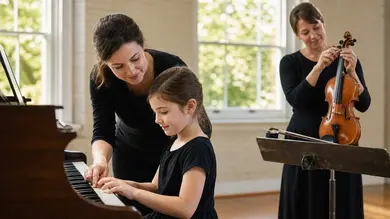
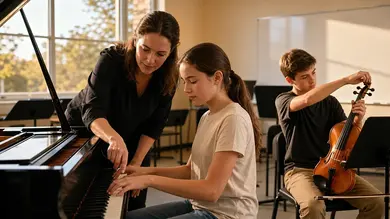
On-campus programs facilitate direct interaction with instructors and peers, fostering real-time feedback and collaborative performances. They provide access to practice rooms, instruments, and live ensembles, enhancing hands-on skills essential for music educators. These settings often lead to stronger professional networking opportunities.
- Looking Into the Virtual Space: Teacher Perceptions of Online Graduate Music Education on JSTOR https://www.jstor.org/stable/10.5406/bulcouresmusedu.229.0071
- Scholarship and Financial Aid | Longy School of Music https://longy.edu/admissions/scholarships-and-aid/
- Do I Have to go to Music School? The Benefits of a Degree in Music https://www.stagesmusicarts.com/do-i-have-to-go-to-music-school/
- Online and on-campus colleges | University of Phoenix https://www.phoenix.edu/blog/cost-of-online-vs-traditional-college.html
- Music Education MMEd https://online.usm.edu/graduate/music-education-online-degree/
- Undergraduate Degree Admissions Information https://online.berklee.edu/degrees/about/undergraduate-degree-tuition-financial-aid
- Tuition & Financial Aid - UF Online Master's in Music Ed https://musiceducation.arts.ufl.edu/tuition/
- Traditional Music Degrees and Online Music Courses https://aaft.com/blog/music/online-music-courses-vs-traditional-music-degrees/
- Cost of Online Education vs. Traditional Education [2025]: Comparison https://educationdata.org/cost-of-online-education-vs-traditional-education
- Students' Attitudes Toward Online Music Education During the COVID 19 Lockdown https://pmc.ncbi.nlm.nih.gov/articles/PMC8718452/