2027 Weekly Start Online Degrees vs Self-Paced Accelerated Music Education Degree Programs

Co-Founder and Chief Data Scientist
Choosing between weekly start online degrees and self-paced accelerated music education programs presents a significant challenge for prospective students balancing time and learning speed. Recent studies show that 62% of online music education enrollees prefer flexible scheduling options to accommodate work and personal commitments. Navigating this landscape requires understanding how each format impacts learning outcomes, engagement, and career readiness.
This article explores the distinct features of weekly start versus self-paced accelerated programs, offering a clear comparison to help students identify the best fit for their goals and optimize their educational investment in music education.
Key Benefits of Weekly Start Online Degrees vs Self-Paced Accelerated Music Education Degree Programs
- Weekly start online degrees offer increased flexibility, allowing students to begin courses anytime, which helps accommodate evolving schedules and reduces time between enrollment and learning.
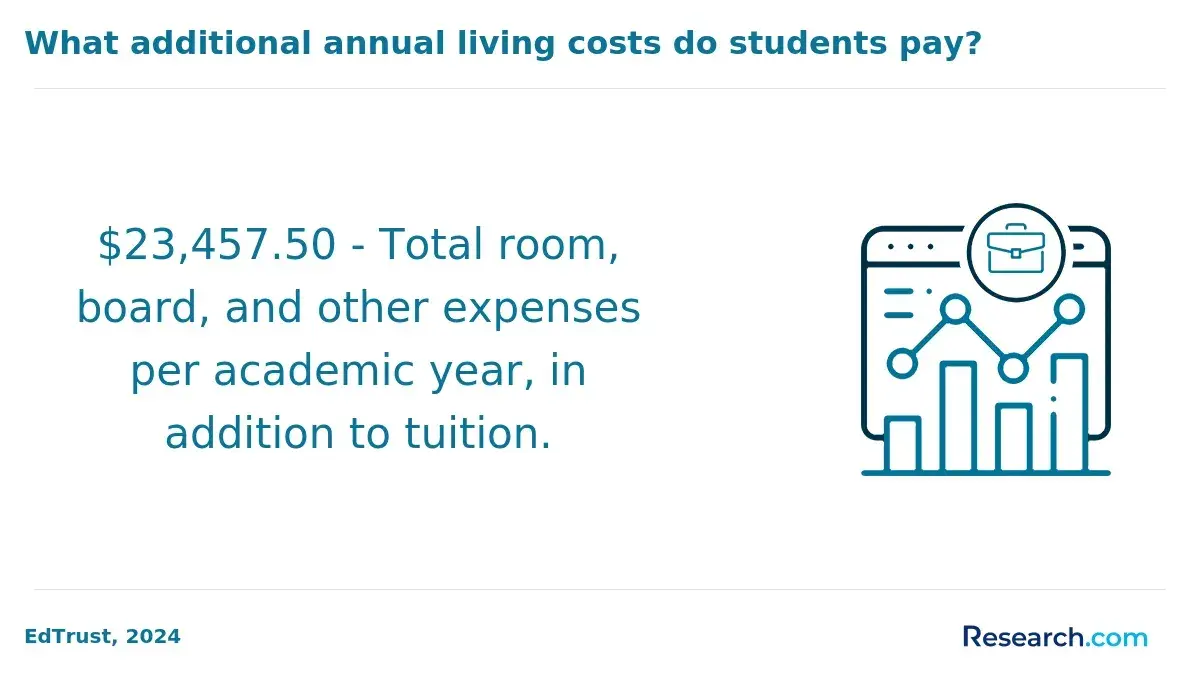
- Self-paced accelerated music education degree programs promote cost savings by enabling students to complete degrees faster, thus decreasing tuition and living expenses over time.
- Both formats support higher student success rates through personalized pacing and consistent course engagement, with studies showing up to 20% improved retention in music education online learners.
How Are Weekly Start Online Degrees and Self-Paced Accelerated Music Education Programs Structured?
Choosing between different online degree formats requires understanding how programs are structured to match individual learning preferences and schedules. Weekly start online degrees and self-paced accelerated music education degree programs offer contrasting approaches to pacing and flexibility.
Below is a clear comparison highlighting essential structural differences to help prospective students make informed decisions.
Weekly Start Online Degrees
- Fixed Pacing: Courses begin weekly with set deadlines for assignments, quizzes, and discussions, creating a steady and predictable study rhythm.
- Term Length: Terms typically last from four to eight weeks, shorter than traditional semesters, encouraging consistent progress.
- Time Commitment: Students usually spend 10 to 15 hours per week engaging with video lectures, readings, and interactive tasks in a scheduled manner.
- Assessments: Frequent, weekly submissions are required, with automated or instructor grading to monitor ongoing understanding.
Self-Paced Accelerated Degrees
- Flexible Timing: Students progress at their own speed without fixed start or end dates, accommodating diverse personal schedules.
- Variable Term Length: Completion time depends on individual pacing, often allowing faster finishing than traditional programs.
- Intensive Time Commitment: Accelerated learners may dedicate over 20 hours weekly to rapidly advance through coursework.
- Assessment Scheduling: Assignments and exams are milestone-based but without strict deadlines, requiring strong self-discipline.
Students exploring weekly start online music education degrees structure or a self-paced accelerated music education program format should consider how these factors align with their learning styles. For those interested in efficient paths in similar fields, some online doctoral programs in education also emphasize pacing and flexibility strategies worth exploring.
Are Weekly Start Online Music Education Programs Easier to Get Into vs Self-Paced Accelerated Programs?
Ease of acceptance is a key factor for students choosing between weekly start online music education admissions and self-paced accelerated music degrees. Programs with more accessible admission requirements allow faster enrollment and reduce barriers for prospective students.
Data from the National Center for Education Statistics shows that online programs with rolling admissions often exhibit acceptance rates 10-15% higher than rigid accelerated formats, reflecting more flexible entry options.
Below are some important distinctions in admissions criteria between these two online music education formats:
- Acceptance rates and admissions cycles: Weekly start programs generally use rolling admissions and have higher acceptance rates, allowing students to begin at multiple points throughout the year compared to accelerated formats with fixed start dates.
- GPA expectations: Both formats commonly require a minimum GPA of 2.5 to 3.0, maintaining similar academic standards for admissions.
- Prerequisite coursework: Accelerated programs typically expect completion of prerequisite courses before admission, while weekly start programs may permit concurrent completion alongside foundational classes, offering more flexibility.
- Standardized testing: SAT and ACT requirements have become rare in both formats, as holistic admissions favor portfolios, auditions, and recommendations over test scores.
- Admissions focus: Weekly start admissions may emphasize demonstrated musical experience and potential more strongly than accelerated programs, aligning with holistic review trends in music education.
For students exploring flexible pathways in music education, understanding these differences can ease decision-making. Additionally, those interested in counseling fields might consider exploring CACREP accredited online counseling programs, which also offer flexible online options.
How Long Does a Weekly Start Online Degree Take to Complete vs Self-Paced Accelerated Music Education Degree?
Completion time is a critical factor for students organizing their education, finances, and career paths. With only about 40% of online learners finishing their degrees within four years, more students seek faster programs tailored to their individual needs. Comparing weekly start online degrees to self-paced accelerated music education programs reveals key differences in how long it takes to graduate.
- Term Length: Weekly start programs typically operate on fixed terms lasting six to eight weeks, maintaining a steady progression. In contrast, self-paced accelerated music education degrees allow students to advance on their own timeline, often completing in 12 to 18 months if they invest focused effort.
- Pacing Control: Students in weekly start formats follow a set schedule with mandatory coursework deadlines, limiting flexibility. Self-paced accelerated tracks enable learners to speed up or slow down depending on personal commitments and availability.
- Credit Load: Weekly start programs assign a consistent credit load each term, requiring regular progress. Self-paced music education students can adjust their credit load each term, balancing heavier or lighter course loads based on their capacity.
- Transfer Credits: Both formats allow transfer credits to reduce total time, but self-paced programs often provide greater flexibility to integrate these credits at various stages.
- Enrollment Flexibility: Weekly start degrees have frequent start dates but fixed term structures once enrolled, while self-paced programs offer continuous enrollment, accommodating changing schedules more readily.
When asked about his experience in a self-paced accelerated online music education program, a recent graduate shared the challenges of balancing work and study without a fixed schedule. He noted, "Managing my own pace was freeing but required strong self-discipline.
Some weeks I pushed through many credits, other times I had to pause due to personal commitments." He described the process as "intense yet rewarding," highlighting how the flexible structure allowed him to graduate faster than traditional timelines while navigating real-life demands.
Flexibility is crucial for students managing work, family, and other responsibilities, as it allows better balance between education and life demands. Weekly start online degree programs open new course sections regularly, offering a set pace with fixed deadlines. In contrast, self-paced accelerated music education programs give students freedom to adjust their schedules and pace.
Below is a comparison of these two formats regarding their flexibility.
- Scheduling control: Weekly start programs require students to follow a predetermined weekly schedule with assigned tasks, while self-paced programs let learners decide when to complete coursework based on personal availability.
- Pacing speed: Weekly start degrees maintain a consistent timeline for all students, whereas self-paced formats allow learners to speed up or slow down their studies depending on their circumstances.
- Start dates: Weekly start programs launch new sessions frequently but at set times, while self-paced options often accept enrollment at any time, enabling immediate course access.
- Assignment deadlines: Weekly start programs impose strict deadlines each week to keep students on track; self-paced courses typically have flexible or no deadlines, allowing more freedom to complete work.
- Instructor interaction: Weekly start formats include regular, scheduled communication with instructors; self-paced programs may offer less frequent or more asynchronous support.
- Ability to pause: Weekly start degrees generally do not permit breaks without affecting progress, while self-paced programs commonly allow students to pause and resume their studies without penalty.
Perceived difficulty is a key consideration for students deciding between self-paced accelerated music education degrees and weekly start online programs, as it influences their ability to stay motivated and complete courses successfully.
Comparing the challenges of these formats sheds light on which might better suit different learning styles and personal commitments.
- Workload intensity: Self-paced accelerated programs condense content into shorter timeframes, creating a more demanding schedule that requires quick absorption of material. Weekly start programs spread out coursework more evenly, reducing daily pressure and allowing for sustained effort over time.
- Pacing expectations: Without set deadlines, self-paced learners must independently manage their progress, which can be difficult and lead to procrastination. In contrast, weekly start courses have fixed schedules and deadlines, providing a structured rhythm that helps maintain steady momentum.
- Self-discipline required: The self-guided nature of accelerated programs demands significant personal discipline and time management skills to avoid falling behind. Weekly start programs offer external accountability through regular instructor check-ins and peer interactions, supporting consistent engagement.
- Assessment structure: Accelerated degrees often use cumulative exams covering large content areas, increasing pressure to master all material quickly. Weekly start programs favor incremental assessments aligned with each module, enabling ongoing feedback and adjustments to learning strategies.
- Instructor interaction: Learners in self-paced formats may experience limited direct contact with instructors, making it harder to resolve questions promptly. Weekly start programs typically facilitate more frequent communication, fostering a supportive learning environment.
When speaking with a graduate of a weekly start online music education program, she reflected on her experience as both challenging and manageable due to the consistent pacing. She shared that having weekly deadlines "kept me accountable and motivated," which prevented the overwhelm she feared at the start.
While balancing work and study wasn't always easy, she appreciated the "regular check-ins with instructors" that helped clarify difficult concepts in real time. She noted that the incremental assessments allowed her to "build confidence gradually" instead of feeling crushed by large, cumulative tests.
Overall, she described the structured format as "punctuated with enough flexibility," allowing her to maintain momentum without sacrificing quality, ultimately shaping her perception that weekly start programs, while demanding, were more accessible than fully self-paced accelerated pathways.
Grading methods significantly influence students' experience regarding workload, academic pressure, and expected progress in online music education programs. These differences inform how students manage their time and engagement throughout the course.
Comparing weekly start programs with self-paced accelerated formats reveals distinct grading approaches that impact student pacing and feedback.
- Assessment frequency: Weekly start programs have fixed, regular assessments such as quizzes and assignments due on a weekly schedule, encouraging consistent effort. Self-paced accelerated programs allow students to complete evaluations when ready, offering more flexibility but requiring greater self-discipline.
- Mastery requirements: In weekly start formats, students typically need to demonstrate mastery of each module before advancing, reinforcing sequential learning. Self-paced programs permit a more adaptable approach, letting learners progress at their own speed without waiting for cohort completion.
- Pacing of evaluations: Weekly start courses follow a cohort-based timeline with structured deadlines, providing clear benchmarks. Self-paced formats accommodate individual progress, which means evaluation timing varies widely and depends on the student's personal schedule.
- Feedback timing: Feedback in weekly start programs is usually predictable, arriving within one to two weeks after submission, supporting steady improvement. In contrast, self-paced programs may offer asynchronous feedback that can come at irregular intervals, reflecting the variable nature of student progress.
- Grading flexibility: Weekly start programs enforce a rigid schedule, maintaining academic pressure and deadlines that help sustain motivation. Self-paced accelerated courses offer adaptable deadlines, which can ease pressure but may lead to intense grading periods if students move rapidly through content.
Tuition models are a key factor for students deciding on online degree programs, as they affect affordability and financial planning. Each model influences payment schedules, program length, and overall cost in unique ways.
- Pricing Structure: Weekly start programs typically charge tuition per credit hour or term, allowing payments spread over time. Self-paced accelerated programs often require a flat fee covering shorter periods, resulting in a larger upfront expense.
- Time-to-Completion: Accelerated formats offer faster degree completion, which can reduce total costs despite higher per-credit prices. Weekly start programs have longer durations with steady progress, providing more flexibility.
- Cost Predictability: Weekly start options provide consistent, predictable payments aligned with course schedules. Self-paced programs may have less predictable costs due to varied pacing and potential early completion.
- Course Intensity: Accelerated programs demand a heavier workload in a condensed timeframe, potentially limiting work opportunities. Weekly start students benefit from more manageable pacing alongside other commitments.
- Additional Fees: Both formats may include technology and materials fees, which vary by program but commonly affect all students.
- Transfer Credits and Prior Learning: Both models allow these to reduce tuition, though their impact is often greater in accelerated tracks because of shorter overall program length.
Instructor support and academic guidance play vital roles in student success within online music education degree programs. Effective interaction with instructors can deepen understanding, motivate continued effort, and clarify complex material.
Quality instructor presence is linked to improved satisfaction and higher persistence among students pursuing online degrees in this field.
Key differences in instructor support between weekly start online music education instructor support and self-paced accelerated music education program guidance illustrate distinct educational approaches. Consider these aspects:
- Instructor availability: Weekly start programs offer more frequent and scheduled instructor access, fostering consistent engagement. Self-paced programs typically have limited or optional live instructor contact, emphasizing student autonomy.
- Response times: In weekly formats, queries and assignments generally receive feedback within 24 to 48 hours, enabling timely progress. Self-paced learners may experience longer wait times, often exceeding 48 hours.
- Structured interaction: Scheduled activities such as webinars and discussion forums characterize weekly start courses, encouraging active participation. Self-paced courses rely more on asynchronous communication and flexible timing.
- Live communication opportunities: Weekly courses frequently include live sessions and regular office hours to support real-time dialogue. Self-paced programs offer fewer or no mandatory live meetings.
- Academic advising touchpoints: Regular advising contacts in weekly programs support student planning and monitoring. Self-paced formats generally provide advising less often, requiring greater student initiative.
- Student independence expectations: Self-paced accelerated music education program guidance demands strong self-motivation and time management. Weekly start offerings provide more structured guidance to pace student progress.
These variations align with broader trends in online education delivery, where pacing directly affects how instructor-student communication is structured. Prospective students considering these approaches might also explore options beyond music education, such as online doctoral programs in leadership, to gauge programmatic support models across disciplines.
Employer perception of online music education degrees plays a crucial role in shaping career outcomes, as it affects hiring decisions and opportunities for advancement. Understanding how employers view different program formats can help prospective students choose options that best support their professional goals.
- Perceived rigor: Employers often value weekly start online programs for their structured schedules and regular deadlines, which mimic traditional semester-based learning and signal consistent academic effort. Self-paced accelerated music education degree employer perceptions can be mixed, as the flexible pacing may raise doubts about the program's rigor and whether students develop critical collaborative skills.
- Completion timelines: Self-paced programs allow students to finish coursework more rapidly, appealing to those eager to enter the workforce quickly. According to the National Center for Education Statistics, accelerated online degree completers often join the job market faster, though some employers may prefer the steadier progress demonstrated by weekly start formats.
- Demonstrated time management skills: Weekly start online music education degrees provide clear evidence of a candidate's ability to manage time and meet ongoing expectations due to their fixed schedules. Self-paced learners must often prove self-discipline and adaptability independently without external pacing cues.
- Adaptability and collaboration: While self-paced programs highlight adaptability and self-motivation, employers may question whether students gain sufficient real-time feedback and collaborative experiences essential for education careers. Weekly start programs tend to offer more opportunities for interaction and teamwork.
- Alignment with workforce needs: Employers prioritize candidates who demonstrate effective time management, collaboration, and consistent effort. Weekly start formats generally provide clearer signals of these competencies, whereas applicants with self-paced degrees may need to reinforce their skills through portfolios, references, or practical experience.
Students considering online music education should weigh these factors carefully. For those interested in further exploring degree options with strong career prospects, reviewing data on the highest paying degrees can provide valuable insights into workforce demand and salary potential.
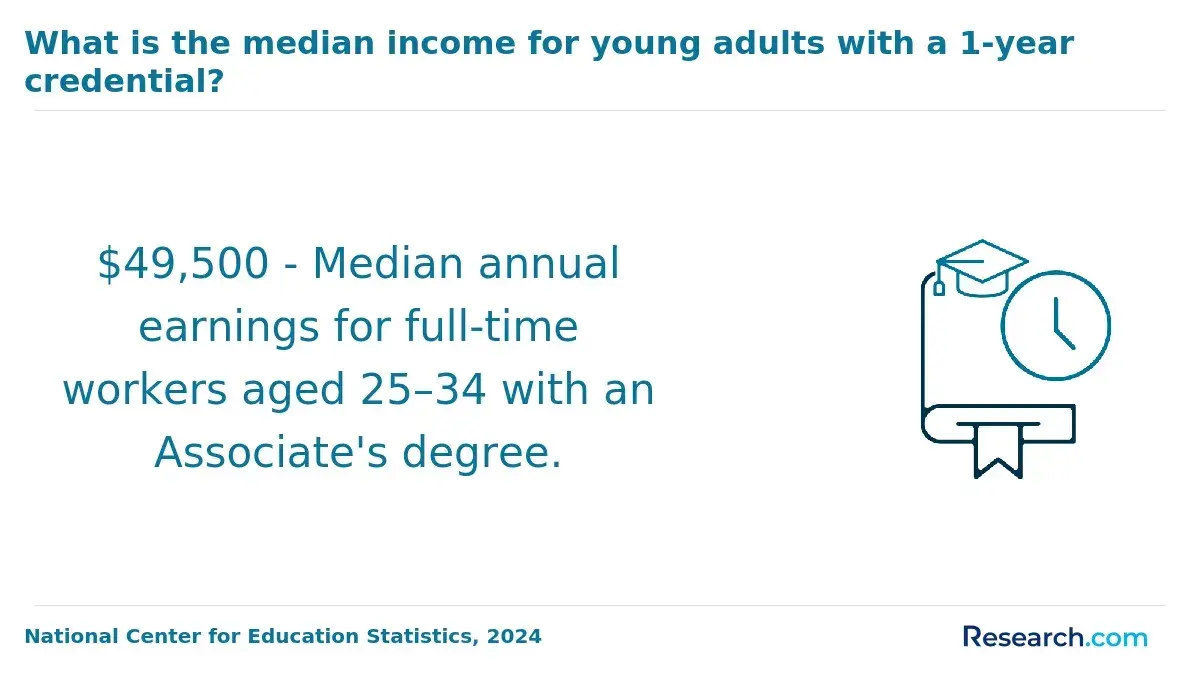
Recent studies show that graduates of online music education degrees can earn starting salaries that vary notably based on program format and pacing. Understanding these salary differences is crucial for students evaluating options, especially since those completing degrees in under three years often report a 10-15% higher starting salary.
This highlights the importance of considering career earnings differences in accelerated music education programs.
- Employer Perception: Weekly start programs are often viewed by employers as reflecting strong discipline and effective time management, qualities that can enhance hiring prospects. However, perceptions differ across institutions, making this factor variable.
- Time-to-Completion: A structured weekly start format may encourage timely graduation, allowing students to enter the workforce sooner and potentially increasing long-term earnings. Self-paced accelerated programs provide flexibility but can lead to longer completion times if motivation wanes.
- Skills and Competencies: Weekly start programs typically incorporate cohort-based and hands-on learning, fostering collaboration and networking that can translate into better career opportunities. Both formats cover essential skills, but this immersive experience can be advantageous.
- Career Advancement Opportunities: Early completion often correlates with quicker career progression. Graduates from weekly start programs may benefit from continuous peer interaction and institutional support that facilitate advancement more effectively than self-paced alternatives.
- Return on Investment: When comparing salary comparison for weekly start vs self-paced music education degrees, students should weigh costs, time investment, and earning potential. Those seeking flexibility may prefer self-paced programs, but structured timelines might offer a higher financial return.
Students seeking more information on maximizing their education investment might also explore relevant online certificate programs that complement a music education degree and enhance earning potential.
What Graduates Say About Their Weekly Start Online Degrees vs Self-Paced Accelerated Music Education Degrees
- Connor: "Choosing the weekly start online music education degree program was perfect for me because I needed a structured timeline to stay motivated. Despite the average cost of attendance being around $20,000, I managed expenses through scholarships and a part-time job. This degree has significantly expanded my teaching repertoire, opening doors to public school positions that value up-to-date methods. "
- Julie: "I opted for the self-paced accelerated music education program mainly for the flexibility it offered amid a busy work schedule. Though the higher cost felt daunting, investing in this program was manageable through a combination of financial aid and careful budgeting. Now, as a music director at a community arts center, I appreciate how swiftly I completed my degree without compromising quality. "
- Gabe: "The weekly start online music education degree appealed to me because I thrive with regular deadlines and interaction. I was initially concerned about the cost, but spreading tuition payments over the semester eased that burden. Professionally, I've seen immediate growth, applying teaching strategies learned to both private lessons and school ensembles. "
Other Things You Should Know About Music Education Degrees
The curriculum in weekly start online programs follows a fixed schedule with new courses starting each week, while self-paced accelerated programs allow students to progress through materials at their own speed, often with flexible deadlines and no set weekly structure.
Weekly start online programs typically schedule regular virtual sessions for practical components, allowing for instructor feedback in real-time. In contrast, self-paced accelerated programs offer more flexibility, often relying on pre-recorded videos and periodic evaluations, making it ideal for students with unpredictable schedules.
Many programs use remote proctoring platforms such as Honorlock, ProctorU, or Respondus LockDown Browser with webcam monitoring. Applicants may also complete ID verification with a government photo ID before enrollment. Course exams can require a locked browser, live proctor, and timestamped audio or video submissions.
Weekly start online programs typically require around 10-15 hours per week, while self-paced accelerated programs may vary significantly, often needing fewer hours when students leverage their own pace. Both should comply with accreditation standards detailing minimum study hours in 2027.
- Finally, An LMS For Music Schools https://www.wise.live/lms-for-music-schools/
- Best 1-Year Online Master's in Education https://www.onlinemastersdegrees.org/best-programs/education/1-year-accelerated/
- Why Online Guitar Classes for Adults Are More Popular Than Ever https://bmusician.com/blog/why-online-guitar-classes-for-adults/
- The 7 Best Online Music Schools & How Online Music Degrees Work https://www.careersinmusic.com/online-music-school/
- University of Staffordshire and APIIT celebrate 25 years of international partnership https://www.staffs.ac.uk/news/2025/12/university-of-staffordshire-and-apiit-celebrate-25-years-of-international-partnership
- CBE: Competency-Based Education | East Texas A&M https://www.etamu.edu/cbe/
- Music Education (B.M.) Program at Fredonia https://www.fredonia.edu/academics/colleges-schools/school-music/program/music-education-musb
- Self-Paced Online Courses | College of Arts & Sciences | Baylor University https://artsandsciences.baylor.edu/undergraduate-students/current-students/self-paced-online-courses
- What are the benefits of music e-learning for kids? https://m.umu.com/ask/q11122301573854315467