
2027 How to Become a Substance Abuse Counselor in Ohio

Co-Founder and Chief Data Scientist
If you want to work with Ohio residents affected by addiction, the biggest question is not simply whether substance abuse counseling is meaningful work. It is whether you understand the state’s education, supervision, exam, ethics, and licensure expectations well enough to choose the right path before spending time and money on a program. This guide explains how to become a substance abuse counselor in Ohio, what credentials may be required at different license levels, how supervised experience works, what counselors actually do, what salary and job-market figures suggest, and how to avoid costly mistakes when comparing schools, certifications, and career options.
Quick answer: How do you become a substance abuse counselor in Ohio?
To become a substance abuse counselor in Ohio, you generally need relevant education, supervised counseling experience, a background check, an application through the Ohio Chemical Dependency Professionals Board, and a passing score on the Alcohol & Drug Counselor exam when required for your credential level. The right route depends on whether you are aiming for entry-level chemical dependency work, LCDC II, LCDC III, LICDC, or a related counseling career.
Key things to know before you start
- Ohio continues to need trained addiction professionals. The field is described as facing a shortage of substance abuse counselors, with an estimated 20% increase in demand projected over the next decade.
- Salary expectations should be realistic. The average salary for substance abuse counselors in Ohio is cited at approximately $48,000 per year, while larger metro areas such as Columbus and Cleveland may reach around $55,000 depending on employer, experience, credential level, and specialization.
- The broader labor outlook is strong. The Bureau of Labor Statistics projection cited for substance abuse counselors is a 23% job growth rate from 2022 to 2032, reflecting continued demand tied to substance use disorders, behavioral health access, and the opioid crisis.
- Ohio may offer a more manageable cost base than some states. Its cost of living index is listed at around 87.5, where 100 is the national average, which can matter when comparing salary, student debt, and early-career earnings.
- The cited estimate that over 1.5 million individuals in Ohio struggle with substance use disorders shows why qualified counselors are important, but students should still verify current state workforce and public health data when making career plans.
- Steps to become a substance abuse counselor in Ohio
- Minimum education requirements in Ohio
- What substance abuse counselors do
- Certification and licensing process
- Legal and ethical responsibilities
- Ohio salary expectations
- Well-being and work-life balance
- What Ohio employers look for
- Additional counseling certifications
- Advanced education and career mobility
- Job market in Ohio
- Billing, insurance, and practice operations
- Family-focused addiction treatment
- Fastest counselor pathway in Ohio
- Criminal psychology and addiction counseling
- School-based mental health collaboration
- Career growth and advancement
- Continuing education and professional development
- Challenges to prepare for
- Interdisciplinary skills for addiction counselorsCommon challenges in the field
How can you become a substance abuse counselor in Ohio?
Ohio’s substance abuse counseling pathway is structured around education, supervised practice, examination, and state review. The process is not the same for every applicant because license level matters. A student seeking an associate-level chemical dependency role may follow a different path than someone aiming for independent clinical practice or leadership.
- Choose the credential level you are targeting first. Before enrolling, review the Ohio Chemical Dependency Professionals Board requirements for the license level you want. The requirements discussed in this guide include LCDC II, LCDC III, and LICDC, but your best route depends on your current education and long-term goal.
- Complete qualifying education. Students commonly study behavioral science, nursing, psychology, social work, counseling, or a related field. Programs at institutions such as the University of Cincinnati, Ohio State University, and Kent State University are examples cited in connection with Ohio training routes, but applicants should verify that any program they choose fits current state standards.
- Build supervised experience. Aspiring counselors are described as needing at least 2,000 hours of supervised work or internship experience in a counseling environment. These hours help translate coursework into client-facing skill, documentation habits, ethical judgment, and treatment planning ability.
- Prepare for the required exam. After meeting the relevant education and supervision expectations, candidates may need to pass the Alcohol & Drug Counselor exam. The exam is intended to measure addiction counseling knowledge and applied competency.
- Apply through the state board. The Ohio Chemical Dependency Professionals Board oversees the licensing process. Applications typically require documentation, fees, and a criminal background check.
- Plan your first job search around your credential. Entry-level applicants often look for supervised roles in treatment centers, community agencies, hospitals, recovery programs, or case management settings. Candidates should highlight counseling skills, crisis response, ethics training, and supervised client experience.
| Step | Why it matters | What to confirm before moving forward |
| Pick a license goal | Your education, exam, and supervision requirements depend on the credential you want. | Confirm the current OCDPB requirements for LCDC II, LCDC III, LICDC, or another relevant credential. |
| Select a program | The wrong coursework may delay licensure or force you to take extra classes later. | Ask whether the curriculum aligns with Ohio chemical dependency licensure standards. |
| Complete supervised hours | Supervision is where you develop assessment, treatment planning, group facilitation, and documentation skills. | Verify who can supervise you and how hours must be documented. |
| Pass the exam | The ADC exam is part of the competency review for many candidates. | Check whether your license level requires the Alcohol & Drug Counselor exam. |
| Submit your application | Incomplete applications can slow approval. | Review background check, fee, transcript, supervision, and exam documentation requirements. |
Students who are still comparing behavioral health roles may also want to review what counseling psychologists do, since psychology, counseling, and chemical dependency careers overlap but are not identical.
What is the minimum educational requirement to become a substance abuse counselor in Ohio?
The minimum education requirement depends on the Ohio credential level. A bachelor’s degree can be a strong and flexible route, but it is not the only educational starting point described in the requirements cited here. For the Licensed Chemical Dependency Counselor II level, an Associate's degree in behavioral science or nursing is listed as the foundational requirement, while a Bachelor's degree in any discipline is also described as acceptable. For the Licensed Independent Chemical Dependency Counselor level, a Master's degree in a relevant area is necessary.
| Credential goal | Education described in this guide | Best fit for |
| LCDC II | Associate's degree in behavioral science or nursing, or a Bachelor's degree in any discipline | Students seeking a defined chemical dependency counseling credential with supervised practice expectations |
| LCDC III | Requirements vary by state standards and should be verified with the Ohio Chemical Dependency Professionals Board | Candidates who want a higher credential level than LCDC II and may already have relevant education or experience |
| LICDC | Master's degree in a relevant area | Counselors aiming for more advanced or independent clinical responsibilities |
Coursework should prepare students for the realities of addiction treatment, not just meet a transcript checklist. Core topics commonly include addiction theories, counseling skills, group dynamics, assessment and diagnosis, treatment planning, and legal and ethical requirements. For the LICDC, 180 hours of education in core areas is identified as required.
Time and cost also matter. A Bachelor's degree is described as typically taking four years, while a Master's program may add another two years. That can make the full academic path around six years for students pursuing advanced licensure. Cost estimates cited here range from $20,000 to $50,000 for Bachelor's degree programs and $30,000 to $60,000 for Master's programs, depending on school, residency status, and other factors.
When comparing programs, accreditation should be part of the decision. Accreditation helps indicate that a program meets recognized academic quality expectations. Prospective students are advised to look for programs accredited by recognized bodies such as the Council for Accreditation of Counseling and Related Educational Programs (CACREP), especially if they want a counseling-oriented academic path. Students comparing other state counseling pathways may find it useful to examine licensed professional counselor education requirements in Mississippi as a point of contrast, but Ohio applicants should always follow Ohio’s current rules.
Questions to ask before enrolling
- Does this program explicitly prepare students for Ohio chemical dependency counseling licensure?
- Which Ohio credential level does the curriculum support?
- Are internships or supervised clinical placements included?
- Will the school help document required hours for the board?
- Are online courses accepted for the license level I want?
- What additional coursework would I need if I later pursue LICDC or another advanced credential?
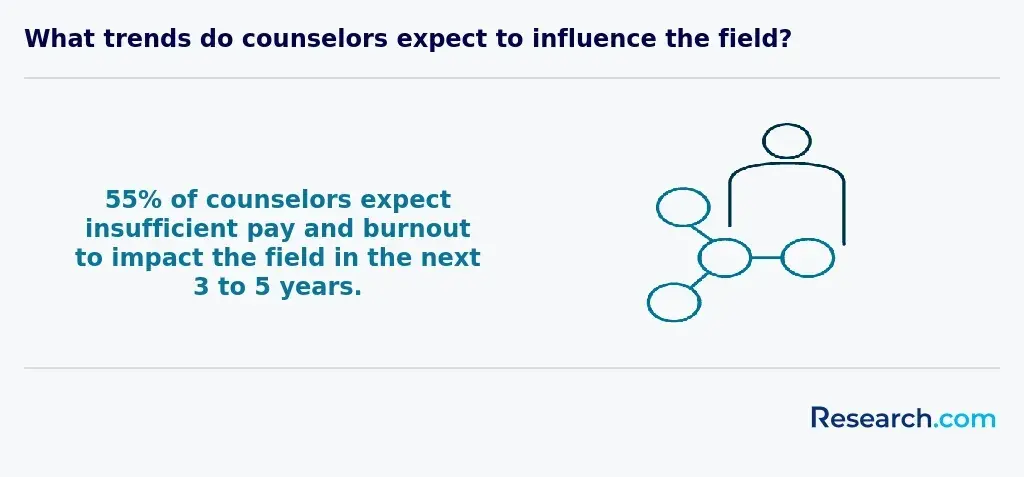
Educational expectations may continue to shift as telehealth, integrated behavioral care, and workforce shortages affect addiction treatment. One reported field concern is that 55% of counselors expect insufficient pay and burnout to influence the profession in the next 3 to 5 years.
What does a substance abuse counselor do?
A substance abuse counselor helps people understand, manage, and recover from substance use disorders. The work combines assessment, counseling, education, coordination, relapse prevention, and documentation. Counselors may serve clients in outpatient clinics, residential treatment centers, hospitals, community programs, correctional settings, schools, or telehealth environments.
Core responsibilities
- Assess the client’s substance use history, current risk factors, support system, mental health concerns, and treatment needs.
- Create individualized treatment plans that connect goals, interventions, recovery supports, and measurable progress.
- Provide one-on-one counseling that helps clients identify triggers, build coping skills, and strengthen motivation for change.
- Facilitate group counseling sessions where clients practice accountability, communication, and relapse-prevention strategies.
- Educate families about addiction, recovery, boundaries, support systems, and warning signs.
- Track client progress and update treatment plans when circumstances change.
- Coordinate care with physicians, social workers, mental health clinicians, case managers, courts, schools, or community agencies when appropriate.
Skills that matter in daily practice
- Empathy with boundaries: Clients need respect and compassion, but counselors must also maintain professional limits.
- Active listening: Effective treatment depends on hearing what clients say and what they avoid saying.
- Crisis judgment: Counselors may encounter relapse risk, suicidal ideation, family conflict, withdrawal concerns, or legal pressure.
- Cultural humility: Substance use is shaped by family, community, trauma, poverty, stigma, and access to care.
- Documentation accuracy: Treatment notes, progress summaries, referrals, and insurance records must be clear and defensible.
- Resilience: The work can be emotionally heavy, especially when clients relapse, disengage, or face unstable housing, legal, or medical problems.
Technology is also changing the job. Telehealth can improve access for clients who live far from treatment centers or face transportation barriers, but it also requires careful attention to confidentiality, crisis planning, client identity, and documentation.
- : "“After completing a local program at the University of Cincinnati, I realized that addiction counseling was where I could combine clinical skill with practical community impact. The most powerful moments are not dramatic breakthroughs; they are the small signs that a client is rebuilding trust, structure, and hope.”"
What is the certification and licensing process for a substance abuse counselor in Ohio?
The Ohio Chemical Dependency Professionals Board is the central agency for Ohio substance abuse counselor certification and licensure. Candidates should treat the board’s current instructions as the controlling source because requirements, forms, fees, and documentation rules can change.
- Meet the education requirement for your target credential. Make sure your degree and coursework match the level you plan to pursue.
- Complete supervised experience. The requirement cited in this guide is at least 2,000 hours of supervised work experience in a relevant setting.
- Prepare application documents. Typical materials include transcripts, supervision verification, exam documentation when applicable, and identifying information.
- Complete the background check. Fingerprinting and criminal history review are part of the process. A disqualifying record may affect eligibility.
- Pass the Alcohol & Drug Counselor exam. The ADC exam is administered through the International Certification & Reciprocity Consortium and evaluates addiction counseling competency.
- Submit the application and fee. Fees can vary, so candidates should use the current OCDPB fee schedule rather than relying on old estimates.
- Respond quickly to board requests. Missing documents, unclear supervision records, or incomplete forms can delay approval by weeks or months.
Common application problems to avoid
- Submitting transcripts before confirming they show the required coursework.
- Assuming any counseling internship automatically counts toward chemical dependency supervision.
- Waiting until the end of a program to ask who qualifies as an approved supervisor.
- Using outdated forms or fee information.
- Forgetting that background checks and fingerprinting can add processing time.
- Not keeping copies of supervision logs, employment records, and exam results.
Applicants considering mobility outside Ohio should compare state rules carefully. For example, licensed counselor requirements and job options in Texas may differ from Ohio’s chemical dependency credential structure.
What legal and ethical considerations must a substance abuse counselor consider in Ohio?
Substance abuse counselors handle sensitive information, high-risk situations, and clients whose recovery may be affected by courts, family systems, employers, healthcare providers, or child welfare agencies. Legal and ethical competence is therefore not optional; it is part of safe practice.
- Confidentiality: Counselors must protect client information under applicable Ohio requirements and federal privacy rules such as HIPAA. Addiction treatment records can raise additional confidentiality concerns, so counselors should know when information can and cannot be shared.
- Mandatory reporting: Counselors are mandated reporters for suspected child abuse or neglect and must know when reporting duties override confidentiality.
- Scope of practice: A counselor should not provide services beyond their license, training, supervision status, or agency role.
- Dual relationships: Personal, financial, social, or family connections with clients can impair judgment and damage the therapeutic relationship.
- Informed consent: Clients should understand the purpose of treatment, confidentiality limits, fees, documentation practices, and what happens in emergencies.
- Evidence-based care: Compliance with state and federal expectations includes using appropriate treatment methods and avoiding unsupported or harmful practices.
- Telehealth ethics: Remote counseling requires secure communication, privacy planning, emergency protocols, and attention to whether the client can safely participate from their location.
Ethical practice often involves judgment calls. For example, a counselor may need to balance client autonomy with relapse risk, family involvement with privacy, or court reporting with therapeutic trust. Regular supervision, consultation, and continuing education help reduce avoidable ethical errors.
How much can you earn as a substance abuse counselor in Ohio?
Salary varies by license level, setting, location, experience, education, and whether the job includes clinical supervision, program leadership, crisis work, or specialized populations. The salary figures cited in this guide place Ohio substance abuse counselor earnings around the mid-$40,000s to upper-$40,000s, with higher figures possible in certain cities and leadership roles.
Key salary figures cited for Ohio
- Average Salary in Ohio: $47,000
- Median Salary in Ohio: $45,000
- National Average Salary: $50,000
- National Median Salary: $48,000
- Another cited Ohio average: approximately $48,000 per year
- Potential urban salary figure in areas such as Columbus and Cleveland: around $55,000
| Role or location | Cited salary figure | What may influence earnings |
| Substance abuse counselor in Ohio | Approximately $47,000 average; median around $45,000 | License level, employer type, supervision responsibility, and years of experience |
| Columbus | Averaging around $50,000 | Healthcare systems, community programs, demand, and competition |
| Cleveland | Approximately $52,000 | Hospital networks, treatment facilities, and urban service demand |
| Cincinnati | About $51,000 | Behavioral health employers, integrated care roles, and credential level |
| Clinical Director | Upwards of $70,000 | Leadership scope, program size, supervision, and administrative responsibility |
| Substance Abuse Program Manager | Around $65,000 | Facility management, compliance duties, staffing, and budget oversight |
| Licensed Professional Counselor | Typically around $60,000 | Clinical license, setting, specialization, and client population |
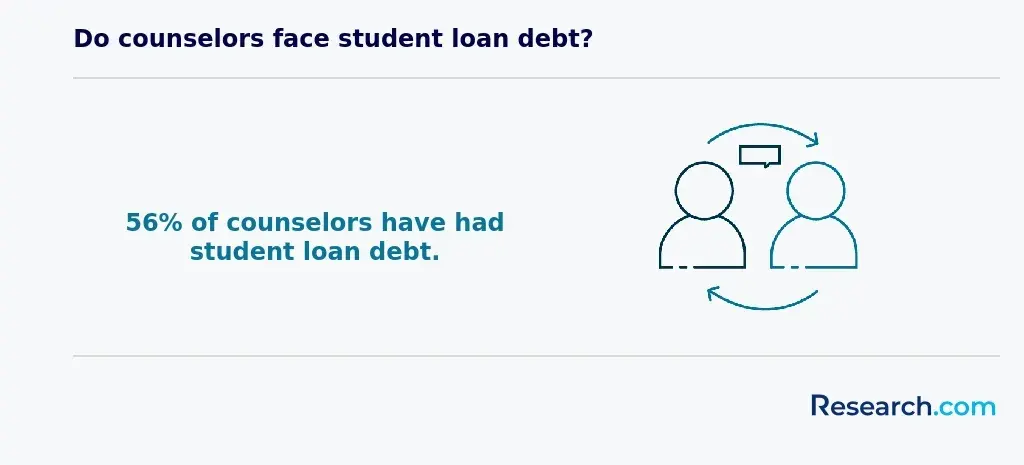
Salary should be evaluated alongside education cost. The guide cites Bachelor's programs ranging from $20,000 to $50,000 and Master's programs ranging from $30,000 to $60,000. Student debt can shape early-career decisions, and one cited figure shows that 56% of counselors have had student loan debt.
How do substance abuse counselors in Ohio maintain their well-being and work-life balance?
Addiction counseling can expose professionals to relapse, trauma histories, family conflict, grief, overdose risk, housing instability, legal pressure, and burnout. Sustainable counselors treat self-care as a professional responsibility rather than an afterthought.
- Use supervision or consultation to process difficult cases before they become personal stressors.
- Set clear boundaries around availability, crisis response, documentation time, and after-hours contact.
- Build routines that include sleep, movement, peer support, and time away from clinical material.
- Watch for compassion fatigue, irritability, emotional numbness, or avoidance of client work.
- Seek workplaces that support manageable caseloads, training, and clinical backup.
Professionals comparing related roles in the state can also review how to become a mental health counselor in Ohio, especially if they want a broader mental health practice path.
What do employers seek in qualified substance abuse counselors in Ohio?
Ohio employers typically want more than a credential. They look for candidates who can work safely with vulnerable clients, document services correctly, collaborate with other professionals, and respond calmly in difficult moments.
| Employer priority | Why it matters | How candidates can demonstrate it |
| Verified licensure or certification progress | Employers must comply with state and payer requirements. | List credential status, exam progress, and supervision eligibility clearly on your resume. |
| Supervised client experience | Classroom knowledge is not enough for crisis-prone clinical work. | Describe internships, treatment settings, groups facilitated, and populations served. |
| Ethical judgment | Confidentiality, boundaries, reporting, and documentation are central to the role. | Highlight ethics training, supervision, and experience with regulated settings. |
| Communication and empathy | Clients often arrive ambivalent, ashamed, angry, or under pressure from others. | Use interview examples that show listening, de-escalation, and respectful confrontation. |
| Interdisciplinary collaboration | Addiction treatment often overlaps with mental health, social services, courts, and healthcare. | Show experience coordinating care or working with case managers, social workers, or clinicians. |
A background in social services can strengthen a candidate’s profile. Students considering broader human services preparation may want to explore the path to becoming a social worker.
How can additional counseling certifications support my practice in Ohio?
Additional credentials can help substance abuse counselors serve clients with more complex needs, but they should be chosen strategically. The best certification is one that matches your client population, employer setting, and future license goals.
- Family and relationship-focused training can help when substance use affects partners, parents, children, or household systems.
- Trauma-informed care is useful because many clients have histories of adverse experiences, violence, grief, or unstable relationships.
- Dual diagnosis training can support work with clients who have both substance use and mental health concerns.
- Crisis intervention training can improve response to relapse risk, suicidal thoughts, withdrawal concerns, or family emergencies.
- Telehealth training can help counselors deliver services safely and ethically in virtual settings.
For professionals interested in expanding into relationship-based clinical work, marriage counselor education requirements in Ohio can clarify how marriage and family therapy credentials differ from chemical dependency counseling.
Can advanced education elevate my counseling career in Ohio?
Advanced education may be worthwhile if your goal is independent practice, clinical leadership, supervision, teaching, research, or a specialized treatment role. It is less useful if you enroll without confirming that the degree fits your target credential, budget, and career outcome.
Advanced education may make sense if you want to:
- Move toward LICDC-level or other advanced clinical responsibilities.
- Compete for supervisory, director, or program manager roles.
- Build expertise in co-occurring disorders, trauma, family systems, or research.
- Teach, train, or mentor future addiction professionals.
- Qualify for roles that require a Master's degree or doctoral preparation.
Working professionals often compare online options because flexibility matters. Those evaluating doctoral affordability can review low-cost online PhD options in counseling, while still confirming whether any advanced program supports their Ohio licensure or career goal.
What is the job market like for a substance abuse counselor in Ohio?
The Ohio job market for substance abuse counselors is described as favorable because of the continuing opioid crisis, greater public awareness of mental health and addiction, and expansion of treatment access. Still, local conditions vary. A counselor in Columbus may face different competition, caseloads, and employer expectations than a counselor in a rural county.
- Job outlook: The U.S. Bureau of Labor Statistics projection cited here is 23% growth from 2020 to 2030 for substance abuse counselors, which is much faster than average. Another cited projection is 23% from 2022 to 2032. These figures point to strong demand, but applicants should consult current BLS and Ohio workforce data before making financial decisions.
- Ohio demand drivers: The opioid crisis, co-occurring mental health needs, court-involved treatment, and community-based recovery programs all support ongoing need for trained counselors.
- Competition: Urban areas such as Columbus and Cleveland may offer more jobs but also more applicants. Rural areas may have fewer employers but greater unmet need.
- Benefits: Many positions may include health insurance, retirement plans, and continuing education support, but packages vary by employer.
- Career positioning: Specializations in trauma-informed care, dual diagnosis, telehealth, and integrated care may improve competitiveness.
Counselors considering related clinical licenses can compare Ohio LPC careers and requirements with chemical dependency counseling credentials to see which pathway better matches their goals.
How do billing practices and insurance policies impact your substance abuse counseling practice in Ohio?
Billing and insurance rules affect how services are documented, reimbursed, scheduled, and audited. Even counselors who do not handle claims directly should understand the basics because poor documentation can create payment delays, compliance problems, or service interruptions for clients.
- Accurate clinical notes help support medical necessity and continuity of care.
- Insurance rules may influence session length, treatment authorization, covered services, and referral requirements.
- Denied claims can affect agency revenue and may indirectly shape staffing or client access.
- Telehealth billing may have different documentation and platform expectations than in-person care.
- Counselors in private or small-group settings need stronger knowledge of payer contracts, coding support, and recordkeeping.
Professionals who want to broaden their behavioral intervention skill set may also compare addiction counseling with how to become a behavior analyst in Ohio.
How can integrating family-focused approaches improve substance abuse treatment outcomes in Ohio?
Substance use rarely affects only one person. Family members may provide support, unintentionally reinforce harmful patterns, carry trauma, or struggle with boundaries. Family-focused approaches can help clients build stronger recovery environments when used ethically and with proper consent.
- Family education can reduce blame and improve understanding of addiction as a treatable condition.
- Structured family sessions can clarify expectations, boundaries, and relapse-response plans.
- Involving supportive relatives can improve accountability and reduce isolation.
- Family work can identify conflict patterns that may contribute to relapse risk.
- Counselors must still protect client confidentiality and avoid pressuring clients into unsafe family involvement.
If family systems work is a major interest, review how to become an MFT in Ohio to understand the separate training and licensure route for marriage and family therapists.
What is the fastest way to become a counselor in Ohio?
The fastest route is not always the best route. A quicker path may help you enter the field sooner, but only if it meets Ohio’s current credential requirements and supports your long-term career goal. Students should avoid programs that advertise speed without clearly explaining licensure alignment, supervision, exam preparation, and transferability.
Ways to shorten the process responsibly
- Choose the right credential target before enrolling.
- Select a program that already maps coursework to Ohio requirements.
- Use transfer credits when the school and licensing rules allow them.
- Arrange supervised placements early instead of waiting until the final term.
- Keep documentation organized from the first day of supervised work.
- Submit complete applications and respond quickly to board requests.
For a focused comparison of accelerated options, see the guide to the fastest way to become a counselor in Ohio.
What role do criminal psychologists play in complementing substance abuse counseling in Ohio?
Substance abuse counseling can overlap with courts, probation, diversion programs, domestic violence cases, impaired driving, reentry services, and correctional treatment. Criminal psychology can add useful insight into risk, motivation, behavior patterns, and legal context, but it does not replace addiction counseling training or licensure.
- Forensic-informed assessment can help identify risk factors that affect treatment planning.
- Collaboration with legal professionals can support court-ordered treatment requirements.
- Understanding criminal behavior can help counselors work with clients who feel coerced into treatment.
- Ethical boundaries are especially important when treatment records may be requested by courts or agencies.
Students interested in this intersection can explore how to become a criminal psychologist in Ohio.
How can collaboration with school-based mental health professionals enhance treatment outcomes in Ohio?
Young people affected by substance use may need support across schools, families, healthcare providers, and community agencies. Collaboration with school-based mental health professionals can improve early identification, referral, prevention education, and continuity of care.
- School professionals may notice behavioral changes, attendance problems, peer concerns, or academic decline.
- Counselors can help connect students and families with treatment resources outside school.
- Prevention programs can address risk before substance use becomes more severe.
- Collaboration must respect privacy rules, consent requirements, and age-specific legal considerations.
Those interested in school-based roles can review Ohio school psychologist certification requirements for a related but distinct pathway.
What career and advancement opportunities are available for a substance abuse counselor in Ohio?
Substance abuse counseling can lead to several career directions, from direct service roles to clinical supervision, program management, education, policy, or integrated behavioral health. A cited job growth rate of 18% from 2022 to 2032 is connected to demand created by the opioid crisis and the need for addiction services.
| Career stage | Possible roles | How to move forward |
| Entry-level | Substance Use Counselor Assistant, Case Manager, Support Staff in rehabilitation centers | Build supervised hours, learn documentation systems, and gain experience with client engagement. |
| Mid-level | Clinical Supervisor, Program Coordinator, Addiction Therapist | Pursue higher licensure, specialize in evidence-based approaches, and develop supervision or program skills. |
| Senior-level | Director of Substance Abuse Services, Executive Director of rehabilitation facilities, Policy Advisor | Combine advanced credentials with leadership, compliance, budgeting, and outcomes-management experience. |
| Alternative paths | Mental Health Counselor, Educator or Trainer, Researcher | Consider graduate education, teaching experience, research training, or a related clinical license. |
Substance use among U.S. adults remains a major public health concern. The figures cited here show marijuana at 18.7%, opioids at 3.6%, prescription pain medications at 3.5%, sedatives at 2.4%, cocaine at 2.0%, prescription stimulants at 1.9%, methamphetamines at 1.0%, LSD at 1.0%, and heroin at 0.4%.
Those figures illustrate why prevention, treatment, relapse support, and recovery services remain important across communities.
What professional development and continuing education opportunities are available for substance abuse counselors in Ohio?
Continuing education is part of maintaining competence after licensure. Ohio substance abuse counselors are described as needing 30 hours of continuing education every two years to maintain licensure. Counselors should confirm approved topics, provider rules, and reporting deadlines with the Ohio Chemical Dependency Professionals Board.
- The Ohio Chemical Dependency Professionals Board oversees licensure and continuing education requirements and provides information on approved courses and workshops.
- Local universities and colleges may offer workshops or specialized training in addiction counseling, sometimes with guest speakers or focused skill sessions.
- NAADAC offers webinars and online courses that can help counselors learn at their own pace while working toward credit requirements.
- The Ohio Association of Alcoholism and Drug Abuse Counselors may provide seminars, networking, and practical training on methods such as motivational interviewing and trauma-informed care.
- Conferences such as the Ohio Substance Abuse Conference can help counselors meet peers, learn about treatment developments, and identify job or supervision opportunities.
- Telehealth training is increasingly relevant because virtual counseling requires different privacy, safety, and engagement practices.
- Interdisciplinary education in mental health, social work, public health, and behavioral intervention can improve treatment planning for clients with complex needs.
- The Ohio Department of Mental Health and Addiction Services is cited as a resource connected with training and continuing education initiatives.
High-value continuing education topics
- Motivational interviewing
- Trauma-informed care
- Co-occurring mental health and substance use disorders
- Ethics and confidentiality
- Telehealth practice
- Relapse prevention
- Family engagement
- Crisis response and suicide risk
- Cultural humility in addiction treatment
What challenges should you consider as a substance abuse counselor in Ohio?
Substance abuse counseling can be deeply meaningful, but it is not easy work. Students should understand the pressures of the field before committing to a degree or credential route.
- Client resistance: Many clients enter treatment ambivalent, court-ordered, pressured by family, or unsure they want to stop using. Co-occurring mental health concerns can make engagement harder. One cited figure states that around 25% of adults with mental health disorders also struggle with substance use.
- Relapse risk: Relapse is common in addiction recovery. The cited statistic that over 85% of individuals relapse within a year following treatment underscores why counselors need relapse-prevention planning, continuing care, and strong referral networks.
- Stigma: Clients may avoid treatment because they fear judgment from families, employers, communities, or providers. Counselors must use non-stigmatizing language and examine their own assumptions.
- Financial barriers: Clients may lack insurance, transportation, stable housing, childcare, or paid time off to attend treatment. Counselors often need strong referral and advocacy skills.
- Burnout: Heavy caseloads, low pay concerns, paperwork, secondary trauma, and crisis exposure can make retention difficult.
- Documentation burden: Clinical notes, insurance requirements, court reports, and agency compliance can take substantial time.
- Ethical complexity: Confidentiality, mandated reporting, family involvement, court requests, and telehealth all require careful judgment.
| Common mistake | Why it can hurt you | Better approach |
| Choosing a program based only on tuition | A low-cost program may not align with Ohio licensure requirements. | Compare accreditation, coursework, supervision support, exam preparation, and total cost. |
| Assuming all online programs qualify | Online format does not automatically mean the program satisfies state requirements. | Ask the school and the Ohio board how the coursework applies to your target credential. |
| Ignoring supervision rules | Hours may not count if the supervisor or setting is not acceptable. | Confirm supervision requirements before beginning an internship or job. |
| Relying only on salary averages | Averages do not show local variation, debt, benefits, or advancement potential. | Compare salary by city, employer type, credential, and cost of living. |
| Waiting to study ethics until the exam | Ethical errors can affect clients, employers, and licensure eligibility. | Treat ethics, confidentiality, and documentation as daily practice skills. |
In 2018, adults identified several substances as major community concerns. Prescription pain medications such as Oxycontin, Percocet, and Vicodin were viewed as serious problems by 43% of adults. Other drugs, including cocaine and methamphetamines, were identified by 42%. Heroin was cited by 37%, alcohol by 34%, and marijuana by 26%.
These findings show that public concern about substance use extends across prescription medications, illicit substances, alcohol, and marijuana, which reinforces the need for prevention, treatment, and recovery services.
How can interdisciplinary skills boost your substance abuse counseling career in Ohio?
Addiction treatment often intersects with mental health, medicine, social work, education, criminal justice, public health, and family services. Counselors who understand these connected systems can often build better treatment plans and communicate more effectively with referral partners.
- Behavioral analysis can strengthen understanding of reinforcement, triggers, and behavior-change strategies.
- Social work knowledge can help counselors address housing, food access, family stress, benefits, and community resources.
- Forensic awareness can support work with clients facing legal issues, probation, reentry, or court-ordered treatment.
- Public health thinking can improve prevention, outreach, and community-level recovery support.
- School collaboration can help counselors support adolescents and families earlier in the substance use cycle.
For students interested in investigative and justice-system roles, how to become a forensic scientist in Ohio offers a related career perspective outside counseling.
What do substance abuse counselors say about their careers in Ohio?
Helping a client move from crisis to stability is the part of the job that stays with me. Progress is not always linear, but seeing someone rebuild daily routines, relationships, and confidence makes the difficult days worthwhile. Emma
Ohio’s communities are not all facing the same barriers. Some clients struggle with transportation, others with stigma, housing, or family conflict. This work has taught me to listen first and avoid assuming that one treatment plan fits everyone. Hank
The collaboration among treatment providers, case managers, and healthcare professionals has helped me grow. When we share resources and coordinate care, clients receive more consistent support, especially when recovery becomes complicated. Betty
Related Articles for Nearby States
- 2027 How to Become a Substance Abuse Counselor in Indiana
- 2027 How to Become a Substance Abuse Counselor in Kentucky
- 2027 How to Become a Substance Abuse Counselor in West Virginia
- 2027 How to Become a Substance Abuse Counselor in Pennsylvania
- 2027 How to Become a Substance Abuse Counselor in Michigan
- 2027 How to Become a Substance Abuse Counselor in Illinois
- 2027 How to Become a Substance Abuse Counselor in Virginia
- 2027 How to Become a Substance Abuse Counselor in Tennessee
- 2027 How to Become a Substance Abuse Counselor in North Carolina
- 2027 How to Become a Substance Abuse Counselor in Missouri
References:
- Addiction Counselor.org. (2018, June 23). Ohio education requirements & certification for substance abuse counselors. Addiction Counselor.org.
- Careers of Substance.org. (n.d.). Counselor / clinician. Careers of Substance.org.
- Center for Addiction Studies.com. (2024, March 3). Ohio substance abuse certification. Center for Addiction Studies.com.
- Dreambound.com. (n.d.). How to become a drug and alcohol counselor in Ohio. Dreambound.com.
- Human Services EDU.org. (n.d.). Substance abuse counseling certification in Ohio. Human Services EDU.org.
- OCDP.Ohio.gov. (n.d.). Ohio Chemical Dependency Professionals Board. OCDP.Ohio.gov.
- Online.UC.edu. (2023, November 6). Ohio licensure requirements for substance abuse counselors. Online.UC.edu.
- SoberCollege.com. (n.d.). Ohio substance use counselor and prevention specialist requirements. SoberCollege.com.
- Substance Abuse Counselor.org. (2024, August 2). Steps to earning substance abuse counselor certification in Ohio. Substance Abuse Counselor.org.
Key Insights
- Ohio’s substance abuse counseling path depends on credential level. Do not assume one degree route applies to LCDC II, LCDC III, LICDC, and related counseling licenses.
- The minimum education described here includes an Associate's degree in behavioral science or nursing for LCDC II, while LICDC requires a Master's degree in a relevant area.
- Supervised experience is essential. The cited requirement of at least 2,000 hours should be planned early, documented carefully, and verified against current board rules.
- Salary figures in Ohio are cited around $47,000 to $48,000 on average, with higher earnings possible in cities, specialized roles, and leadership positions.
- Program choice affects licensure speed and cost. Ask about accreditation, Ohio licensure alignment, supervision support, exam preparation, transfer credits, and total tuition before enrolling.
- The work is emotionally demanding. Burnout, relapse, stigma, financial barriers, and complex ethics are real challenges, so supervision and self-care are part of professional competence.
- Career growth improves with specialization. Trauma-informed care, dual diagnosis, family-focused treatment, telehealth, supervision, and program leadership can expand opportunities in Ohio’s addiction treatment field.
Other Things You Should Know About Becoming a Substance Abuse Counselor in Ohio
The Ohio Chemical Dependency Professionals Board issues substance use disorder counselor credentials in Ohio. It oversees the CDCA, LCDC II, LCDC III, LICDC, and related certifications and licenses used to practice in the state.
In 2027, to become a substance abuse counselor in Ohio, you need at least a bachelor’s degree in addiction counseling or a related field. Additionally, you'll require supervised clinical experience and must pass the Ohio Chemical Dependency Professional Board (OCDPB) examination for licensure.


