
2027 Best Online Master’s in Science Education Programs

Co-Founder and Chief Data Scientist
A master’s in science education is usually designed for licensed or aspiring educators who want stronger STEM content knowledge, better instructional methods, and more career mobility in K-12 schools, curriculum roles, informal science education, or education leadership. The decision matters because science teachers are expected to do more than deliver textbook lessons: they must teach inquiry, data literacy, laboratory safety, digital tools, and scientific reasoning to students with different levels of preparation.
This guide explains how online master’s in science education programs work, what they cost, how employers view them, what to check before enrolling, and which program features matter most. It is especially useful for working teachers comparing flexible graduate options, career changers exploring science teaching, and educators deciding whether a master’s in teaching online or a science-focused graduate degree is the better fit.
Best Online Master’s in Science Education Programs Table of Contents
- Can you complete a science education master’s fully online?
- Do employers respect online science education degrees?
- Are online degrees accepted internationally?
- Online vs. campus master’s in science education programs
- Online master’s in science education cost
- Ways to pay for an online master’s in science education
- Admissions and student requirements
- How to succeed in an online program
- Building a professional network online
- Accreditation and program quality
- Common courses in science education master’s programs
- Return on investment
- How to choose a program
- Interdisciplinary career options
- Interdisciplinary learning in online programs
- Common online learning challenges
- 2027 online master’s in science education programs
- Using emerging technologies in science teaching
- State certification support
- Student support services
- Career development after graduation
Quick Answer: Is an Online Master’s in Science Education Worth Considering?
An online master’s in science education can be a strong option if you already teach science, want to move into STEM curriculum or instructional leadership, or need graduate coursework for salary advancement or certification renewal. The best programs are accredited, aligned with your state’s licensure or endorsement rules, and built for working educators who need flexible schedules.
The degree is not automatically the right choice for everyone. If you are not yet licensed to teach, confirm whether the program leads to initial certification. If you want a research-heavy science career rather than a teaching-focused role, a graduate degree in a specific science discipline may be a better match.
Can you get a degree completely online?
Many online science education master’s programs can be completed mostly or entirely at a distance. Schools typically use learning management systems, video meetings, digital libraries, virtual labs, discussion boards, and online assessment tools to deliver coursework. Some graduate education pathways, including PhD higher education programs, use similar online delivery models.
The main exception is field-based work. If a program includes student teaching, classroom observation, practicum hours, laboratory intensives, or certification requirements, you may need to complete in-person experiences in a local school or visit campus for a short residency. Before enrolling, ask the program whether any face-to-face component is required, where it can be completed, and whether it satisfies your state’s teaching rules.
Many programs require 30 to 46 credit hours. Full-time students may finish in two years or less, while part-time students often choose a slower pace so they can keep teaching while enrolled.
Will employers take my online degree seriously?
Employers are more likely to value an online master’s when it comes from an accredited institution, includes rigorous coursework, and is connected to real teaching practice. Research on employer attitudes has found growing acceptance of online learning credentials, especially when graduates can demonstrate relevant skills and applied experience through their work samples, teaching record, or professional development history. See Northeastern University’s report on the value and legitimacy of online learning.
For teaching roles, the bigger issue is often licensure rather than delivery format. Districts and private schools may ask whether you hold the required state license, subject endorsement, supervised field experience, and background checks. If you are still exploring the teaching profession, Research.com’s guide on whether you need college preparation to become a teacher explains common pathways: Do you have to go to college to be a teacher?
Are online degrees recognized all over the world?
Online degrees are increasingly common, including at well-known universities, but recognition is not universal. Acceptance depends on the school’s accreditation, the country or state where you plan to work, the employer’s policies, and whether the degree satisfies local professional requirements.
If you plan to teach outside the United States, work in an international school, or use the degree for immigration or credential evaluation, contact the relevant credential evaluation agency, licensing authority, or employer before applying. Do not assume that a U.S. online degree will automatically meet overseas teacher qualification rules.
Online vs. Traditional Master’s in Science Education Programs
Online and campus-based master’s programs can lead to similar academic outcomes when they are properly accredited and academically rigorous. The better choice depends on your schedule, learning style, local licensing needs, budget, and need for hands-on classroom or laboratory experiences.
| Factor | Online Master’s in Science Education | Campus-Based Master’s in Science Education |
| Best for | Working teachers, rural students, military-connected learners, and adults who need schedule flexibility | Students who prefer face-to-face discussion, campus labs, and direct access to local faculty networks |
| Schedule | Often available in asynchronous or hybrid formats; may allow part-time study | Usually follows set class times, semesters, and campus meeting schedules |
| Hands-on work | May use local field placements, virtual labs, or short campus visits | Often offers easier access to physical labs, local classrooms, and in-person demonstrations |
| Cost considerations | May reduce commuting, relocation, and housing costs, but tuition varies widely | May include more campus fees, commuting costs, and relocation expenses |
| Networking | Requires intentional participation in online discussions, webinars, and professional groups | Can provide more spontaneous interaction with classmates, faculty, and local school partners |
| Technology exposure | Strong fit for educators who want practice with digital tools, virtual labs, multimedia lessons, and online collaboration | May include technology integration, but learning is often centered around in-person instruction |
Time commitment and program pace
Online programs often give students more control over pacing. Some allow full-time enrollment for faster completion, while others are designed around part-time study for teachers who cannot pause their careers. Campus programs may offer a more predictable schedule but can be harder to fit around full-time teaching, coaching, family responsibilities, or long commutes.
Classroom diversity and perspective
Online cohorts may include teachers from multiple states, school types, grade levels, and communities. That range can improve discussions about curriculum standards, student engagement, lab access, rural education, multilingual learners, and equity in STEM instruction. Campus programs may offer deep regional connections, especially if you want to work in the same local school system after graduation.
Technology and future-ready teaching
Because online students learn through digital platforms, they often gain practical exposure to tools they can later use with their own students. This can include virtual simulations, online assessments, collaborative documents, video feedback, and data visualization. Campus programs can also teach these skills, but the online format naturally requires frequent technology use.
Is an online degree cheaper?
An online program may be less expensive overall if it helps you avoid relocation, commuting, parking, and on-campus housing costs. Tuition itself is not always lower, however. Some schools charge the same rate for online and campus students, while others use separate online tuition. Compare the total cost, not just the advertised price per credit.
Is an online degree as good as a regular degree?
An online science education master’s can be comparable to a campus degree if the institution is accredited, the curriculum is rigorous, faculty are qualified, and the program includes meaningful applied teaching experiences. This is also true for related online education programs such as an online masters in literacy.
The main risk is choosing a program that does not match your goals. If you need licensure, endorsement, or salary-lane recognition, confirm those details in writing before enrolling.
How much does an online master’s in science education program cost?
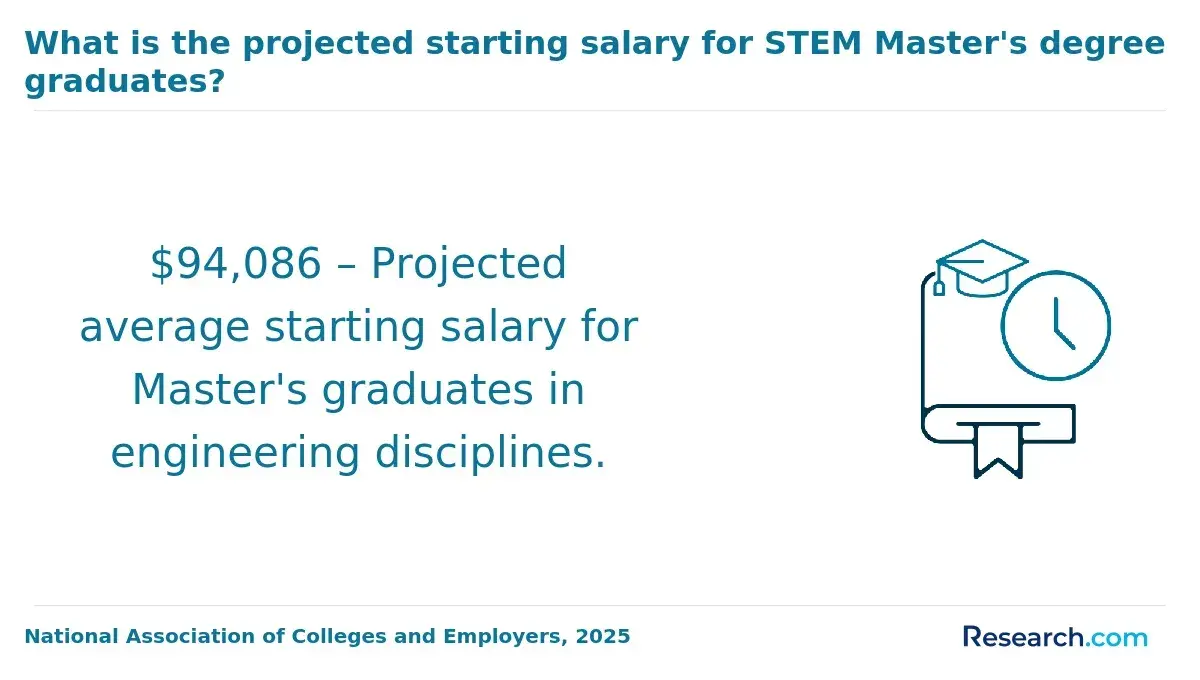
Reported tuition for online master’s degrees focused on education is around $45,000, while science-focused master’s degrees are around $52,000 (College Board Research, 2025). Actual prices vary by institution type, residency status, program length, fees, and whether the school charges online students in-state or out-of-state rates.
Among the programs listed in this guide, per-credit tuition ranges from $280 to $500. Public in-state options often cost less than private or nonresident options, but the lowest tuition is not always the lowest total cost if the program requires travel, extra fees, or more credits.
| Cost Item | Why It Matters | Question to Ask |
| Tuition per credit | This is the main advertised price, but it does not show the whole bill. | Is the rate different for online, in-state, and out-of-state students? |
| Required credits | A lower per-credit rate can still become expensive if the program requires more credits. | How many credits are required to graduate? |
| Fees | Technology, distance learning, graduation, clinical placement, and course fees can add up. | Can the school provide a full estimated cost of attendance? |
| Travel or residency | Short campus visits, labs, or field placements may create added expenses. | Are any campus visits or in-person intensives required? |
| Lost income | Full-time study may reduce work hours for some students. | Can I complete the program part time while teaching? |
| Employer benefits | Some districts reimburse tuition or increase pay for graduate credits. | Will my employer recognize this program for salary advancement? |
Is an online master’s in science education program worth it?
The degree may be worth it if it helps you qualify for a raise, add a science endorsement, move into curriculum leadership, strengthen classroom performance, or meet professional development goals. It is less likely to pay off if the program is not recognized by your district, does not support your licensure goals, or requires borrowing more than you can reasonably manage.
For context, high school teachers take home an average median wage of $61,280. Teachers with master’s degrees earn $2,760 to $7,358 more annually than those whose highest degree is a bachelor’s, with differences depending on grade level, district pay schedules, and years of experience. These figures should be treated as planning benchmarks, not salary guarantees.
The BLS projects 77,900 openings for secondary education teachers in public and private institutions until 2031, and science remains a high-need subject area in many districts. Some states also maintain tenure laws that can provide due-process protections after educators meet defined service requirements.
A science education master’s can also support advancement into roles such as department chair, instructional coach, curriculum specialist, high school principal, or school superintendent, depending on state rules and any additional credentials required.
How to Finance Your Online Master’s in Science Education
Graduate school is a major financial decision, especially for teachers whose salaries are tied to district pay scales. Start by calculating your total cost, then compare funding sources before committing to loans.
- Apply for scholarships and grants early. Graduate education students may qualify for awards from universities, school districts, foundations, professional associations, and STEM education organizations. Some awards focus on academic merit, while others support teachers in shortage areas or specific communities.
- Submit the FAFSA. Federal student aid may include loans and other aid options for eligible graduate students. Even if you are unsure whether you qualify, completing the Free Application for Federal Student Aid can clarify your options.
- Ask your employer about tuition assistance. If you already work in a school, district, museum, tutoring center, or education organization, check whether your employer offers tuition reimbursement, professional development funds, or salary advancement for graduate credits.
- Compare affordable online options. Cost-conscious students may want to review related education pathways, such as an affordable early childhood education degree online, to understand how institutions structure lower-cost online education programs.
- Limit unnecessary borrowing. Borrow only after comparing tuition, fees, employer support, expected salary changes, and repayment obligations. A program that fits your budget may be more valuable than a more expensive school with similar outcomes.
What are the requirements for online master’s in science education programs?
Admissions requirements vary, but online and campus programs usually ask for similar materials. Some programs are designed for licensed teachers, while others accept applicants from science, education, or related academic backgrounds.
Admission requirements
- Bachelor’s degree. Applicants generally need an earned bachelor’s degree. A background in science, education, or a related field can strengthen your application, although some programs may accept students who did not complete a degree in teaching.
- Minimum GPA. Many programs expect a minimum GPA around 3.0 or higher on a 4.0 scale. Some schools also review performance in science, math, or education coursework.
- Resume or CV. Programs often request a document summarizing your teaching experience, academic background, certifications, research, leadership roles, and professional development.
- Supporting documents. Common materials include official transcripts, two to three letters of recommendation, a statement of purpose, proof of licensure when required, and an application fee.
Skills and readiness requirements
- Clear communication. Online graduate work requires strong writing, discussion, and presentation skills. Science educators must also translate complex concepts into explanations students can understand.
- Self-management. Flexibility is useful only if you can manage deadlines, readings, class discussions, lesson design projects, and research assignments without daily in-person reminders.
- Critical thinking. Students analyze scientific information, evaluate curriculum, interpret learning data, and design evidence-based instructional strategies.
- Resilience. Online learners may face technology issues, limited face-to-face contact, or competing professional responsibilities. Persistence is essential.
- Research and data literacy. Graduate-level science education often includes research design, assessment analysis, scientific literature review, and interpretation of classroom evidence.
What technology do online students need?
Students should be comfortable using learning management systems, video conferencing, cloud-based documents, digital library databases, multimedia tools, and basic troubleshooting. A reliable computer, stable internet access, webcam, microphone, and updated software are usually expected. Science education students may also use virtual labs, simulations, data tools, and digital assessment platforms.
Tips to Maximize Your Online Education Experience
The students who benefit most from online science education programs treat them as professional training, not just a set of courses. Use the program to build better lessons, strengthen your evidence of teaching effectiveness, and expand your professional network.
- Create a weekly study system. Block time for readings, discussion posts, video sessions, assignments, and assessment preparation. Treat these blocks as fixed appointments.
- Connect coursework to your classroom. If you are already teaching, test new strategies, collect student feedback, and build a portfolio of lesson plans, assessments, and reflective notes.
- Participate beyond the minimum. Ask questions in forums, attend virtual office hours, and volunteer for group projects that match your goals.
- Practice with emerging tools. Use assignments to test data visualization software, virtual lab platforms, simulations, AR/VR resources, and multimedia lesson design.
- Compare affordability carefully. Students seeking lower-cost education pathways can also review options such as an online university teaching degree to understand pricing models across online education programs.
- Keep learning after each course ends. Science education changes as standards, technology, and research evolve. Save resources, join professional communities, and continue revising your teaching practice.
How Can I Build a Professional Network While Earning My Online Master’s in Science Education?
Networking in an online program requires more intention than simply showing up to class. Start with your cohort: contribute useful comments, join study groups, and collaborate on curriculum or classroom research projects. Then expand outward through faculty office hours, alumni groups, virtual conferences, webinars, district STEM initiatives, and professional associations.
Ask whether your university hosts virtual career fairs, mentorship programs, research showcases, or school district partnerships. If you want a broader education network, comparing adjacent fields such as the cheapest online master's degree in early childhood education can also help you understand how different education specializations build professional communities.
Is the Program’s Accreditation a True Indicator of Quality?
Accreditation is one of the first quality checks, but it should not be the only one. Institutional accreditation helps confirm that the university meets recognized standards for academic operations, faculty qualifications, student support, and financial practices. Programmatic accreditation or approval can be especially important for teacher preparation and licensure pathways.
Still, accreditation does not guarantee that a program is the right fit. Review the curriculum, faculty expertise, field experience model, state certification alignment, graduation requirements, student support, and whether graduates can use the degree for salary advancement. For a broader overview of education credential options, see Research.com’s guide to degrees in education.
Courses to Expect in Online Master’s in Science Education Programs
Online master’s programs in science education typically combine pedagogy, curriculum design, science content, assessment, research, and technology integration. The goal is to help educators teach science more effectively, not simply memorize more scientific facts. Some graduates later use this foundation to pursue leadership-focused study, such as a master’s in educational administration.
| Course Area | What You Learn | Why It Matters in Practice |
| Foundations of Science Education | Theories, history, philosophy, major debates, and current issues in science teaching | Helps teachers understand why instructional models and standards have changed over time |
| Curriculum Development | Science curriculum design, standards alignment, assessment planning, and technology integration | Supports teachers who create or revise units, district curriculum maps, and interdisciplinary STEM lessons |
| Inquiry-Based Teaching and Learning | Student investigation, questioning, evidence collection, and scientific reasoning | Builds classroom practices that move students beyond memorization toward authentic inquiry |
| Instructional Strategies | Differentiation, classroom methods, technology-supported learning, and performance assessment | Helps educators teach students with varied readiness levels, learning needs, and interests |
If you are comparing broader education pathways, you can also review online elementary education degree programs.
What is the return on investment for an online master’s in science education?
ROI depends on how much you pay, whether you keep working while enrolled, how your district rewards graduate credits, and whether the degree helps you qualify for new roles. The strongest financial case usually exists when a teacher can complete the program affordably, receive tuition support, and move into a higher salary lane or leadership position.
To evaluate ROI, compare total tuition and fees against possible salary growth over time. Research.com’s overview of masters in education salary outcomes can help you think through how graduate education may connect to different roles. However, salary gains are never automatic. District contracts, state funding, certification requirements, and local labor markets all matter.
Things to Look for in an Online Master’s in Science Education Program
Programs with similar names can differ significantly. Some are designed for licensed teachers seeking advanced practice, while others focus on curriculum, informal education, STEM leadership, or specific science disciplines. Use the checklist below before applying.
- Licensure or endorsement fit. If you need initial teacher certification, a science endorsement, or salary-lane approval, confirm that the program meets the rules in your state or district.
- Experiential learning. Many programs include classroom-based projects, practicum work, or student teaching. Current teachers may complete these requirements in their own schools, while nonteachers may need a placement in a school setting.
- State and local recognition. Education requirements differ by region. Ask your state education agency or district HR office whether the program will be accepted for your intended purpose.
- Professional and licensing alignment. Teaching roles often involve licensure boards, subject-area tests, and continuing education rules. Make sure the degree supports, rather than complicates, those requirements.
- Accreditation. Some online master’s programs in science education are accredited by the Council for the Accreditation of Educational Programs (CAEP). Some programs or institutions may also connect to standards or recognition from groups such as the North American Association of Environmental Education.
- Faculty expertise. Look for instructors with experience in science education research, K-12 teaching, curriculum design, STEM equity, assessment, or the specific science field you teach.
- Support for working teachers. Strong online programs offer advising, responsive faculty, technical support, digital library access, and flexible course scheduling.
Common Mistakes to Avoid When Choosing a Program
| Mistake | Why It Can Hurt You | Better Approach |
| Choosing based only on tuition | A low advertised price may exclude fees, extra credits, or travel costs. | Ask for the total estimated cost of attendance. |
| Assuming online means licensure-approved | Some programs improve teaching skills but do not lead to certification or endorsement. | Confirm state approval and district recognition before enrolling. |
| Ignoring field experience requirements | You may need classroom placements, observations, or supervised practice. | Ask where and how fieldwork is completed. |
| Relying only on rankings | A highly ranked program may not fit your state, schedule, budget, or subject area. | Use rankings as one input, then verify fit against your goals. |
| Assuming salary increases are guaranteed | Pay changes depend on district contracts, credentials, experience, and local policies. | Contact HR or your union before counting on a raise. |
| Overlooking student support | Online students need strong advising, library access, and technical help. | Ask current students or advisors how support works in practice. |
Can an Online Master’s in Science Education Foster Interdisciplinary Career Pathways?
Yes. A science education graduate degree can support work that blends teaching, technology, curriculum design, community outreach, educational research, informal learning, and policy. Graduates may work with schools, museums, science centers, nonprofits, curriculum publishers, environmental organizations, or professional development providers.
Interdisciplinary career options grow stronger when educators combine science teaching expertise with skills in data, communication, instructional technology, or information management. For example, Research.com’s guide to job opportunities for library science graduates shows how organization, information access, and educational support can overlap with science learning environments.
How Do Online Science Education Programs Leverage Interdisciplinary Approaches?
Science education is naturally interdisciplinary because effective STEM teaching often connects science with mathematics, engineering, literacy, data analysis, technology, and communication. Online programs may ask students to design lessons that incorporate scientific inquiry, visual explanation, digital storytelling, environmental issues, or real-world problem solving.
Communication is especially important. Students must learn to explain complex ideas clearly, write evidence-based arguments, and guide classroom discussion. Educators who want to strengthen narrative and communication skills may find useful comparisons in fields such as a creative writing degree online program, although science education remains focused on teaching and STEM learning.
What challenges might students encounter in online science education programs?
The biggest challenge is often time management. Many students are already teaching full time, grading, planning lessons, coaching, caring for family members, or completing certification requirements. Online flexibility helps, but it also requires discipline.
Other challenges include limited face-to-face interaction, slower feedback if faculty are not responsive, technology problems, difficulty accessing hands-on lab experiences, and isolation from classmates. Students can reduce these problems by choosing a program with strong advising, active discussion formats, accessible faculty, local fieldwork support, and clear technical requirements.
Educators who want additional practice with written communication and online collaboration may also compare complementary learning options such as fast online creative writing degree programs.
2027 Best Online Master’s in Science Education Programs
Research.com reviewed science and STEM education graduate programs offered primarily or fully online, with attention to accessibility for students who need flexible study options. The programs below are also regionally accredited.
| Program | Best Fit | Key Details |
| Montana State University Master of Science in Science Education | Science educators who want interdisciplinary graduate study connected to K-12 classrooms and NGSS | Program Length: Varies; Cost Per Credit: $283 (In-state); $383 (Out-of-state); Required Credits to Graduate: 30; Accreditation: Northwest Commission on Colleges and Universities |
| University of Texas Rio Grande Valley Master of Education in Curriculum & Instruction Elementary Math and Science Education | Educators who want elementary math and science curriculum expertise in an accelerated format | Program Length: 10 months; Cost Per Credit: $458.33; Required Credits to Graduate: 30; Accreditation: Southern Association of Colleges and Schools Commission on Colleges |
| University of Nebraska Master of Science in Education: Science/Math Education | Grades 7-12 math and science teachers seeking stronger content and pedagogy | Program Length: Varies; Tracks/concentrations: Biology, Chemistry, Mathematics, or Physics/Physical Science; Cost Per Credit: $315 (in-state); $504 (out-of-state); Required Credits to Graduate: 36; Accreditation: CAEP |
| University of Georgia Master of Education in Science Education | Certified science teachers who want advanced certification-focused study for grades 6th to 12th grade | Program Length: Varies; Cost Per Credit: $417 (in-state); $1,082 (out-of-state); Required Credits to Graduate: 36; Accreditation: Southern Association of Colleges and Schools Commission on Colleges |
| Northern Arizona University Master of Arts in Science Teaching (MAST) | Science educators interested in research-centered teaching and a supportive professional cohort | Program Length: 2 years; Courses: Science Methods I & II, Perspectives on Science, Survey of Literature in Science Education, and more; Cost per Credit: $575; Required Credits to Graduate: 30; Accreditation: Higher Learning Commission |
1. Montana State University Master of Science in Science Education
Montana State University offers an online graduate pathway for science educators who want to deepen their content knowledge while improving classroom practice. Courses are available throughout the year, and the curriculum emphasizes K-12 teaching contexts and the Next Generation Science Standards (NGSS).
- Program Length: Varies
- Cost Per Credit: $283 (In-state); $383 (Out-of-state)
- Required Credits to Graduate: 30
- Accreditation: Northwest Commission on Colleges and Universities
2. University of Texas Rio Grande Valley Master of Education in Curriculum & Instruction Elementary Math and Science Education
The University of Texas Rio Grande Valley’s Elementary Math and Science Education concentration prepares educators to design, implement, and lead curriculum in science and mathematics. The program also connects with the Texas Regional Collaborative in Science and Math to support mentoring and professional development.
- Program Length: 10 months
- Cost Per Credit: $458.33
- Required Credits to Graduate: 30
- Accreditation: Southern Association of Colleges and Schools Commission on Colleges
3. University of Nebraska at Kearney Master of Science in Education: Science/Math Education
The University of Nebraska at Kearney offers an online STEM education program built for grades 7-12 math and science educators. Students can choose an integrated option across specializations or a chemistry-focused option, depending on their professional goals.
- Program Length: Varies
- Tracks/concentrations: Biology, Chemistry, Mathematics, or Physics/Physical Science
- Cost Per Credit: $315 (in-state); $504 (out-of-state)
- Required Credits to Graduate: 36
- Accreditation: CAEP
4. University of Georgia Master of Education in Science Education
The University of Georgia’s M.Ed. in Science Education focuses on natural science teaching for students in 6th to 12th grade. The program emphasizes research-informed practice and is intended for certified science teachers who want to advance their certification.
- Program Length: Varies
- Cost Per Credit: $417 (in-state); $1,082 (out-of-state)
- Required Credits to Graduate: 36
- Accreditation: Southern Association of Colleges and Schools Commission on Colleges
5. Northern Arizona University Master of Arts in Science Teaching (MAST)
Northern Arizona University’s MAST program centers on research-based science teaching and access to science learning. Students join a community of practicing science educators and study with faculty who specialize in science education.
- Program Length: 2 years
- Courses: Science Methods I & II, Perspectives on Science, Survey of Literature in Science Education, and more
- Cost per Credit: $575
- Required Credits to Graduate: 30
- Accreditation: Higher Learning Commission
How can science educators integrate emerging technologies into teaching?
Science educators can use technology to make abstract topics more visible, interactive, and data-driven. The goal is not to use tools for novelty; it is to improve student understanding, scientific reasoning, collaboration, and access to experiences that may be difficult to provide in a traditional classroom.
Augmented reality and virtual reality can help students explore systems such as the human body, ecosystems, molecular structures, or outer space through simulations. These tools can support conceptual learning when paired with clear instructional goals and assessment.
Data visualization software can help students interpret patterns in environmental science, physics, biology, and chemistry. Tools such as MATLAB or Tableau can support data literacy by helping learners move from raw numbers to evidence-based conclusions.
Virtual labs, interactive simulations, open-access journals, and digital resource libraries can broaden a teacher’s instructional toolkit. Similar digital resource skills are emphasized in information-focused programs such as those discussed in Research.com’s online MLS degree guide.
How Do Online Science Education Programs Support State Certification?
Some online science education programs are built to align with state certification or endorsement requirements, while others are not. Programs that support certification usually include advising, approved coursework, field experience guidance, documentation support, and information about required exams or applications.
Do not rely on the program title alone. Ask whether the degree leads to initial certification, additional endorsement, advanced certification, or professional development credit in your state. If you want a faster path into teaching, Research.com’s guide to a fast track to becoming a teacher explains accelerated options and considerations.
What student support services are provided in online science education programs?
Strong online programs offer more than recorded lectures. Look for academic advising, faculty office hours, technical help, digital library access, writing support, tutoring, field placement coordination, licensure advising, and career services. These services can make a major difference for students balancing graduate school with teaching or family responsibilities.
When comparing advanced online education options, consider how much support the school provides from application through graduation. Related doctoral pathways, such as the cheapest EdD, also illustrate why advising, structure, and student services matter in remote graduate study.
What career development opportunities are available after earning an online master’s in science education?
An online master’s in science education can support classroom advancement and open doors beyond traditional teaching. The best next step depends on your licensure, experience, leadership interests, and willingness to pursue additional credentials if required.
- Science teacher advancement
- Move into higher-level teaching responsibilities, honors or advanced coursework, department leadership, or mentoring roles.
- Use graduate projects to strengthen your teaching portfolio and student learning evidence.
- Curriculum and instructional leadership
- Pursue roles such as curriculum coordinator, instructional coach, department head, or STEM program lead.
- Develop science units, assessments, teacher training sessions, and standards-aligned instructional resources.
- Specialized certifications
- Consider credentials related to STEM education, environmental science, educational technology, or National Board Certification.
- Confirm whether any certification changes your pay, responsibilities, or eligibility for specific roles.
- Higher education and adjunct teaching
- Explore community college teaching, adjunct roles, or continuing education instruction where qualifications match employer requirements.
- Build evidence of teaching effectiveness, subject expertise, and curriculum design experience.
- Policy, advocacy, and nonprofit work
- Work with organizations focused on STEM access, science standards, teacher development, or education funding.
- Use classroom expertise to inform practical policy and program decisions.
- Science education consulting
- Help schools select curriculum, design labs, adopt technology, or train teachers in inquiry-based instruction.
- Build credibility through classroom results, graduate research, and professional presentations.
- Corporate training and technical education
- Apply science teaching skills in biotechnology, healthcare, environmental science, or technical training settings.
- Design learning materials that help adult learners understand complex scientific or technical concepts.
Is an Online Master’s in Science Education the Right Choice for You?
This degree is a strong fit if you want to become a more effective science teacher, qualify for salary advancement, add STEM leadership responsibilities, or build expertise in curriculum and inquiry-based learning. It is also practical for educators who cannot relocate or pause full-time work.
You may want a different path if your main goal is initial teacher licensure and the program does not provide it, if you want a laboratory research career, or if your district will not recognize the degree for advancement. Students with an teaching associate program background or limited college preparation should first confirm the undergraduate and licensure steps required before pursuing graduate study.
Questions to Ask Before Applying
- Is the university institutionally accredited?
- Does the program hold teacher education accreditation or approval relevant to my goals?
- Is the degree designed for licensed teachers, career changers, or both?
- Will it lead to initial certification, a science endorsement, advanced certification, or only a master’s degree?
- Will my state, district, or employer recognize the program?
- How many credits are required, and what is the full cost including fees?
- Can I complete fieldwork or practicum requirements near where I live?
- Are courses asynchronous, synchronous, or a mix of both?
- What technology, labs, or classroom materials will I need?
- What student support is available for advising, technical issues, writing, research, and career planning?
Key Insights
- An online master’s in science education is most valuable when it matches your teaching license, district salary rules, certification goals, and career plans.
- Accreditation matters, but it is only the starting point. Also verify fieldwork, faculty expertise, state approval, support services, and total cost.
- Online programs can be rigorous and respected, especially when they include applied classroom work and come from accredited institutions.
- Costs vary widely. Compare total program cost, not just tuition per credit, and ask about employer reimbursement, scholarships, and fees.
- The degree can support roles in classroom teaching, STEM leadership, curriculum design, education consulting, informal science education, and instructional coaching.
- Do not assume an online program leads to licensure or a salary increase. Confirm those outcomes with your state agency, district HR office, or employer before enrolling.
References:
- Bureau of Labor Statistics, U.S. Department of Labor. Postsecondary Teachers: Occupational Outlook Handbook. https://www.bls.gov/ooh/education-training-and-library/postsecondary-teachers.htm
- College Board Research. (2025). Trends in college pricing highlights. https://research.collegeboard.org/trends/college-pricing/highlights
- National Science Teaching Association (NSTA). Teacher Pay — Official Position. https://www.nsta.org/nstas-official-positions/teacher-pay
- NSTA Careers. High School Science Teacher Career Overview. https://careers.nsta.org/career/high-school-science-teacher
- NSF National Science Board PDF, indicators on science education. https://ncses.nsf.gov/pubs/nsb20196/assets/nsb20196.pdf
- Occupational Information Network (O*NET). Environmental Science Teachers, Postsecondary. https://www.onetonline.org/link/details/25-1053.00
- OECD. Teacher Working Conditions and Salaries. https://www.oecd.org/en/topics/teacher-working-conditions.html
- Teacher.Org. Education requirements for science teachers, including certification and licensure topics. https://www.teacher.org/career/science-teacher/
Other Things You Should Know About Online Master’s in Science Education Programs
In 2027, many institutions offer scholarships and financial aid for online master's programs in science education. These may include grants, fellowships, and teaching assistantships. Prospective students should explore specific program websites to understand the eligibility criteria and application deadlines for such financial support.
Online master’s in science education programs in 2027 typically span 1.5 to 2 years. Programs often require completing 30 to 36 credit hours. However, part-time options can extend the duration, depending on the institution’s schedule and student preference.
No, many programs admit teachers without an active state license, but licensure-track options usually require proof of a bachelor’s degree, background check clearance, and an approved teaching placement. Programs leading to initial or professional certification must also follow the rules of the state education agency.





