
2027 Fastest Online Master’s in Education Technology Degree Programs

Co-Founder and Chief Data Scientist
Earning an online master’s in education technology can help you ramp up your skills, status, and salary as an educator. Generally, professionals with a master’s degree earn much higher than those with a bachelor’s degree only. Moreover, some jobs in the education sector require specialized training and graduate degrees.
An online master’s in education technology can equip you with the capabilities and credentials that are necessary to become a skilled 21st-century educator. To help you get started, I crafted this in-depth guide to online master’s degree programs in education technology. Explore program curricula, tuition rates, and income potential.
What are the benefits of completing an online master’s program in education technology?
- An online master’s in education technology can equip you with the knowledge and skills necessary to be qualified for several roles in the academic community, such as instructional coordinator, training and development specialist, as well as library media specialist.
- In May 2024, instruction coordinators employed in the US had a median annual wage of $74,720 (US BLS, 2025).
- A major benefit of earning an online master’s in education technology is the ability to immediately apply new digital tools and strategies in real-time teaching settings. The flexible format enables working educators to enhance their skills while staying current with evolving educational technologies and best practices.
What can I expect from accelerated online master’s programs in education technology?
Students enrolling in accelerated online master’s in education technology programs can expect a comprehensive curriculum that blends theory with practical application. These programs usually cover instructional design, digital learning tools, data-driven decision-making, and the integration of emerging technologies in educational settings.
Students learn to create effective, engaging learning experiences using modern platforms and tools. Many programs also emphasize leadership and research skills, preparing graduates for different roles, such as instructional coordinators, technology integration specialists, or e-learning developers.
Flexibility is an important advantage of these programs as they enable students to balance coursework with professional responsibilities. Interactive elements, such as discussion boards, group projects, and virtual simulations, build collaboration and engagement and replicate the experience of a traditional classroom while offering the convenience of online learning.
Where can I work with an online master’s in education technology?
Professionals with a master’s degree in education technology can transition into other relevant roles, such as instructional coordinator, training and development specialist, as well as library media specialist. They can work across different institutions within the education sector and the government.
In 2023, around 225,200 instructional coordinators were employed in the US. The following employers had the largest shares of these professionals this year (US BLS, 2025):
- Elementary and Secondary Schools (Local): 36%
- Colleges, Universities, and Professional Schools (State): 9%
- Government: 8%
- Colleges, Universities, and Professional Schools (Private): 8%
- Educational Support Services (Private): 7%
How much can I make with an online master’s in education technology?
In May 2024, instructional coordinators had a median annual wage of $74,720; training and development specialists had $65,850; and librarians and library media specialists had $64,320. These figures are much higher than the $49,500 median annual wage of all US occupations in the same period (US BLS, 2025).
Notably, professionals with a master’s degree generally earn much higher than those with a bachelor’s degree only. For instance, in 2022, master’s degree holders in the US had a median wage of $80,200, while bachelor’s degree holders had $66,600. This translates to a 20% difference in earnings (National Center for Education Statistics, 2024).
- List of Online Accelerated Master’s Degree Programs in Education Technology for 2027 Programs List
- How long does it take to complete an accelerated online master’s in education technology? Completion Time
- How does an accelerated online master’s in education technology compare to an on-campus program? How does an accelerated online master’s in education technology compare to an on-campus program?
- What is the average cost of an accelerated online master’s in education technology? Average Cost
- What are the financial aid options for students enrolling in an accelerated online master’s in education technology? Financial Aid
- What are the prerequisites for enrolling in an accelerated online master’s in education technology? Prerequisites
- What courses are typically in an accelerated online master’s in education technology? What courses are typically in an accelerated online master’s in education technology?
- What types of specializations are available in online master’s in education technology? Specializations
- How do you choose the best fast-track online master’s in education technology? Program Criteria
- What career paths are available to graduates of online master’s in education technology? Career Paths
- What is the job market like for graduates of online master’s in education technology? Job Market
- Are online master’s programs in education technology accredited and credible? Are online master’s programs in education technology accredited and credible?
- What Are the Latest Industry Trends Shaping Online Education Technology? What Are the Latest Industry Trends Shaping Online Education Technology?
- How Can This Degree Propel Me Toward Doctoral Studies and Advanced Leadership Roles? How Can This Degree Propel Me Toward Doctoral Studies and Advanced Leadership Roles?
Accelerated Online Master’s in Education Technology Programs for 2027
An accelerated online master’s in education technology is designed for educators, instructional designers, trainers, and school technology professionals who want graduate-level training without stepping away from work. These programs focus on instructional design, digital learning tools, online course development, learning analytics, accessibility, and technology integration in classrooms, universities, businesses, and nonprofit training environments.
The main decision is not simply whether to earn the degree. It is whether a fast online format fits your schedule, budget, learning style, and career goal. Some students want to move into instructional design. Others want to lead technology adoption in a school district, build online courses, support adult learners, or prepare for doctoral study. This guide explains how accelerated programs work, how to compare schools, what they cost, what careers they may support, and what mistakes to avoid before enrolling.
Quick answer: Is an accelerated online master’s in education technology worth considering?
An accelerated online master’s in education technology can be a strong option if you already have a bachelor’s degree, can handle a compressed graduate workload, and want to apply technology to teaching, training, curriculum design, or e-learning. Full-time students often finish online master’s programs in education technology in 18 months to 2 years, while accelerated options at some universities may be completed in 1 to 1.5 years. The best program is usually one that is accredited, affordable for your situation, aligned with your career path, and flexible enough to support your work and personal responsibilities.
How these programs were selected
The programs below were chosen from reputable online master’s in education technology and closely related graduate education programs in the US. The selection follows Research.com’s established research methodology and is informed by data sources such as the IPEDS database, Peterson's database, the College Scorecard database, and the National Center for Education Statistics. Students should use this list as a starting point, then verify current tuition, admissions requirements, course availability, and state-specific educator credential rules directly with each school.
| School | Online Program | Typical Completion Time | Credits or Courses Required | Listed Cost | Accreditation |
| Arizona State University | Master of Education in Learning Design and Technologies | At least 1 year | 30 credits | $795 per credit | Higher Learning Commission (HLC) |
| Louisiana State University Online | Master of Arts in Education with a concentration in educational technology | At least 1 year | 36 credits | $459 per credit | Southern Association of Colleges and Schools Commission on Colleges (SACSCOC) |
| University of Florida | Master of Education in Curriculum and Instruction | 2 years | 33 credits | $448.73 per credit | SACSCOC |
| Western Governors University | Master of Education in Education Technology and Instructional Design | 2 years | 12 courses | $4,125 per term | Northwest Commission on Colleges and Universities (NWCCU) |
| University of Arkansas Online | Master of Education in Educational Technology | 1.5 years | 31 credits | $446.29 per credit | HLC |
1. Arizona State University
Arizona State University offers an online Master of Education in Learning Design and Technologies. The program is built around the design, development, and evaluation of learning systems, with coursework that covers instructional design, accessible and inclusive digital learning, and the assessment of learning environments.
- Program length: At least 1 year
- Area of concentration: Learning Design and Technologies
- Cost per credit: $795
- Credits required to graduate: 30 credits
- Accreditation: Higher Learning Commission (HLC)
2. Louisiana State University Online
Louisiana State University Online offers an online Master of Arts in Education with a concentration in educational technology. Students study topics such as computer technology in education, distance education principles, and multimedia learning design and development.
- Program length: At least 1 year
- Area of concentration: Educational Technology
- Cost per credit: $459
- Credits required to graduate: 36 credits
- Accreditation: Southern Association of Colleges and Schools Commission on Colleges (SACSCOC)
3. University of Florida
The University of Florida offers an online Master of Education in Curriculum and Instruction. The curriculum includes foundations of educational technology, instructional design, learning analytics concepts and techniques, issues and trends in educational technology research, and electives that allow students to tailor the degree to their goals.
- Program length: 2 years
- Area of concentration: Curriculum and Instruction
- Cost per credit: $448.73
- Credits required to graduate: 33 credits
- Accreditation: SACSCOC
4. Western Governors University
Western Governors University offers an online Master of Education in Education Technology and Instructional Design. Students may follow a K-12 pathway or an adult learner pathway, with coursework in learning experience design foundations, e-learning design and facilitation, and the quality and impact of digital learning solutions.
- Program length: 2 years
- Areas of concentration: K-12 Pathway; Adult Learner Pathway
- Cost per term: $4,125
- Courses required to graduate: 12 courses
- Accreditation: Northwest Commission on Colleges and Universities (NWCCU)
5. University of Arkansas Online
The University of Arkansas Online offers a Master of Education in Educational Technology. The program includes coursework in instructional design, distance education, training, and development, making it relevant for educators and professionals who build or manage digital learning experiences.
- Program length: 1.5 years
- Area of concentration: Educational Technology
- Cost per credit: $446.29
- Credits required to graduate: 31 credits
- Accreditation: HLC
How Long Does an Accelerated Online Master’s in Education Technology Take?
Most online master’s in education technology programs take 18 months to 2 years for full-time students. Many programs require 30 to 36 credit hours, although the exact requirement depends on the university, curriculum design, and whether the program uses credit hours, courses, terms, or competency-based progress.
Part-time students may need 3 or 4 years to finish because they usually take fewer courses per term. Accelerated programs compress the timeline and may allow completion in 1 to 1.5 years, but that faster pace usually means heavier reading, more frequent assignments, and less time between major projects.
Your actual completion time depends on course availability, transfer credit policies, capstone or portfolio requirements, whether the program has fixed start dates, and how many courses you can realistically manage while working. Before choosing the fastest option, ask whether the program’s pace supports your learning goals rather than only your preferred graduation date.
| Study Pace | Typical Timeline | Best For | Main Trade-Off |
| Accelerated full-time | 1 to 1.5 years | Students who can manage a demanding course load and want to finish quickly | Less flexibility and a higher weekly workload |
| Standard full-time | 18 months to 2 years | Working educators or professionals who want steady progress | May take longer than the fastest options |
| Part-time | 3 or 4 years | Students balancing work, family, teaching responsibilities, or military service | Longer time before graduation and career transition |
Accelerated Online vs. On-Campus Master’s in Education Technology
Online and on-campus master’s programs in education technology can lead to similar academic credentials, but the experience is different. On-campus programs usually offer more in-person discussion, easier access to campus facilities, and direct interaction with classmates and faculty. They may be a better fit for students who learn best through live classroom engagement or who want a local professional network.
Online programs are often more practical for working teachers, instructional designers, corporate trainers, and education professionals who cannot relocate or attend classes at fixed times. Many online courses use asynchronous modules, video meetings, discussion boards, peer review, collaborative projects, and digital portfolios to help students apply what they learn. Students comparing online learning across fields may also review flexible options such as an affordable digital photography degree online, but education technology students should focus on whether the online format includes enough design practice, instructor feedback, and technology support.
Neither format is automatically better. The right choice depends on your schedule, preferred learning environment, access to local programs, career goals, and need for peer or faculty interaction.
| Factor | Online Program | On-Campus Program |
| Schedule flexibility | Often stronger, especially with asynchronous coursework | Usually more structured around fixed class times |
| Networking | May include virtual groups, online communities, and remote faculty interaction | Often stronger for local, face-to-face networking |
| Learning style fit | Best for self-directed students who can manage deadlines independently | Best for students who prefer in-person discussion and classroom routines |
| Technology practice | Often built into the learning environment itself | May include campus labs, hybrid tools, or classroom-based technology projects |
| Best fit | Working professionals, remote learners, and students who need flexibility | Students near campus who want direct access to faculty, peers, and facilities |
How Much Does an Accelerated Online Master’s in Education Technology Cost?
Tuition varies by school, program length, residency policy, and fee structure. If affordability is a priority, compare the total program cost rather than looking only at the advertised per-credit price. A lower per-credit rate can still lead to a higher total if the program requires more credits, while term-based tuition may be cheaper or more expensive depending on how quickly you complete courses.
Students looking for the most affordable online master's in education technology can begin by comparing the listed tuition figures from the featured programs:
- Arizona State University: $795 per credit
- Louisiana State University Online: $459 per credit
- University of Florida: $448.73 per credit
- University of Arkansas Online: $446.29 per credit
Costs may also be affected by:
- Institution type: Public universities may offer lower rates than private institutions, although online tuition policies vary by school.
- Credit requirements: Programs requiring more credits generally cost more unless the per-credit rate is substantially lower.
- Fees: Online programs may charge technology, platform, student service, graduation, or course-specific fees.
- Books and digital tools: Some courses require software subscriptions, design tools, e-textbooks, or multimedia production resources.
- Time to completion: Taking longer can increase indirect costs, while moving too fast can be risky if it affects performance or work balance.
The chart below visualizes the cost of online master’s in education technology programs using current tuition data from the featured academic institutions.
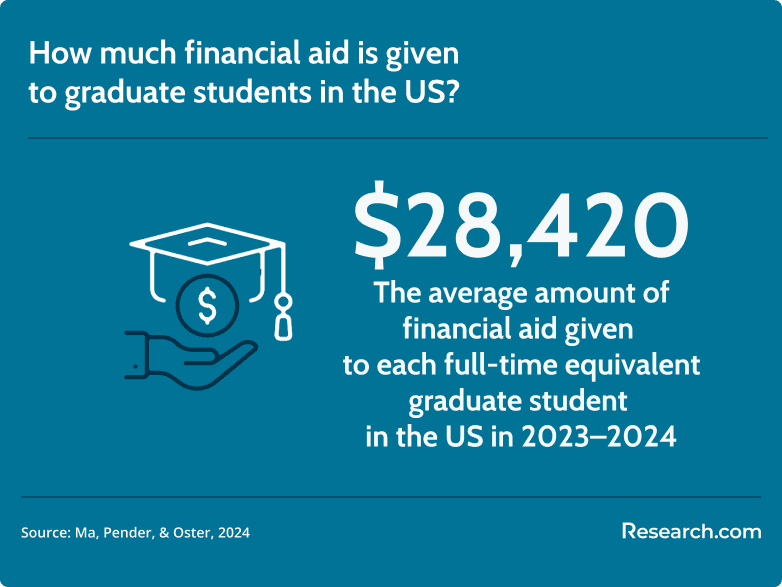
Financial Aid Options for Accelerated Online Education Technology Students
Graduate students in online education technology programs may be able to reduce out-of-pocket costs through federal aid, grants, fellowships, employer benefits, payment plans, or school-based scholarships. Availability depends on the student, institution, enrollment status, program eligibility, and funding rules.
- Federal TEACH Grant: The Federal TEACH Grant supports eligible students who are completing or plan to complete coursework for a teaching career. Recipients may receive up to $4,000 a year, but students should carefully review service obligations and conversion rules before accepting the grant.
- James Madison Graduate Fellowships: The James Madison Memorial Fellowship Foundation awards one fellowship grant in the amount of $24,000 to an eligible student per year. Applicants must be US citizens and must be a teacher or plan to become a teacher of American history, American government, or civics at the secondary level.
- Employer tuition assistance: Some school districts, universities, nonprofits, and companies help employees pay for graduate coursework when the degree supports professional development or organizational goals. Ask whether reimbursement depends on grades, continued employment, approved programs, or annual benefit limits.
Before enrolling, contact the financial aid office and ask for a full cost estimate that includes tuition, fees, books, technology expenses, and any charges tied to capstone or graduation requirements.
Admission Requirements for an Accelerated Online Master’s in Education Technology
Admission requirements vary, but most accelerated online master’s programs in education technology expect applicants to show that they can succeed in graduate-level work and understand teaching, training, or learning environments. Applicants comparing education-related graduate paths, including the shortest school counseling master's programs, should pay close attention to whether a program is designed for licensed educators, aspiring instructional designers, or broader learning and development professionals.
- Bachelor’s degree: Applicants typically need a bachelor’s degree from an accredited academic institution. Some programs prefer applicants with education, training, instructional design, or related experience.
- Minimum GPA: Many universities expect an undergraduate GPA of about 2.75 to 3.0, although policies differ by institution.
- Letters of recommendation: Programs often request at least two academic or professional references who can describe the applicant’s readiness, communication skills, work habits, and potential for graduate study.
- Statement of purpose: Some schools ask applicants to explain why they want to study education technology and how the degree connects to their career plans.
- Resume or professional experience: Experience in teaching, training, curriculum development, educational media, technology support, or learning design can strengthen an application.
Common Courses in an Online Master’s in Education Technology
Online master’s programs in education technology combine learning theory with practical design work. Students usually learn how to select digital tools, design accessible instruction, evaluate learning outcomes, support online learners, and align technology use with educational goals. Those comparing education graduate programs, such as the shortest online TESOL master's programs, should review course lists carefully because program names can be similar while career preparation can differ.
- Instructional design: Students learn how to analyze learner needs, organize content, create learning activities, and evaluate whether instruction meets stated outcomes.
- Foundations of educational technology: This course introduces major concepts, historical developments, current issues, and the role of technology in teaching and learning.
- Multimedia for education: Students create and assess digital media such as videos, interactive lessons, animations, and visual learning materials.
- Learning management systems: Coursework may include hands-on experience with platforms such as Canvas or Moodle, including course setup, communication tools, assessment features, and learner support.
- Technology integration in curriculum: Students examine how to connect digital tools with lesson planning, learning standards, instructional goals, and assessment methods.
- Learning analytics: Some programs introduce data-informed approaches for tracking engagement, measuring progress, and improving digital learning environments.
- Accessibility and inclusive design: Students may learn how to design digital materials that support learners with different abilities, devices, language backgrounds, and learning needs.
Specializations in Online Master’s in Education Technology Programs
Specializations help students focus the degree on a specific career outcome. A classroom teacher may prioritize technology integration, while a corporate trainer may need adult learning and e-learning design. A school leader may want technology planning and implementation. Students exploring accelerated education in other applied fields, such as the shortest online exercise science degrees, should use the same decision logic: the fastest program is only valuable if the specialization matches the job they want.
| Specialization | What It Emphasizes | Who Should Consider It |
| Instructional Design and Development | Designing digital lessons, modules, assessments, and learner-centered materials | Future instructional designers, curriculum developers, and learning experience designers |
| E-learning and Online Teaching | Teaching in virtual environments, engaging online learners, and managing digital classrooms | Teachers, online instructors, and education professionals supporting remote or hybrid learning |
| Technology Leadership in Education | Planning technology adoption, supporting faculty, managing systems, and leading digital initiatives | Technology coordinators, school leaders, administrators, and district-level support professionals |
How to Choose the Best Fast-Track Online Master’s in Education Technology
The best accelerated online program is not always the shortest or cheapest. It is the one that helps you build the right skills, earn a credible credential, and complete the degree without taking on unnecessary academic or financial risk. Use the criteria below before applying.
- Accreditation: Confirm that the institution is accredited by a recognized accrediting body. Accreditation can affect financial aid eligibility, credit transfer, employer recognition, and doctoral admissions.
- Career alignment: Review whether the curriculum supports your intended role, such as instructional designer, technology integration specialist, online instructor, training specialist, or educational technology leader.
- Specialization options: Look for coursework in instructional design, accessibility, learning analytics, multimedia learning, e-learning, or leadership depending on your career target. Students focused specifically on instructional design may also compare the most affordable online master's in instructional design.
- Flexibility: Check whether classes are asynchronous, synchronous, cohort-based, self-paced, part-time, or full-time. The format should fit your weekly schedule, not just your ideal graduation date.
- Faculty and project quality: Strong programs should include applied projects, portfolios, design critiques, and feedback from faculty with relevant education technology experience.
- Student support: Ask about academic advising, technology help, library access, career services, writing support, and accommodations for online learners.
- Total cost: Compare tuition, required credits, fees, software, books, and the cost of extending the program if you slow down.
Questions to ask before enrolling
- Is the institution accredited, and how can I verify its accreditation?
- Does the program prepare students for K-12, higher education, corporate training, or multiple settings?
- Will I graduate with a portfolio of instructional design or digital learning projects?
- Are courses asynchronous, live, self-paced, or cohort-based?
- How many hours per week should students expect to spend on coursework?
- Are there additional technology, course, graduation, or platform fees?
- Can I transfer credits into the program?
- Does the degree lead to licensure, endorsement, or certification in my state, if that is my goal?
- What career support is available for online graduate students?
Common mistakes to avoid
| Mistake | Why It Can Hurt You | Better Approach |
| Choosing only the fastest program | A compressed schedule can be difficult if you work full time or lack recent academic experience. | Compare workload, course format, and support services before prioritizing speed. |
| Looking only at tuition per credit | Total cost also depends on required credits, fees, books, software, and completion time. | Request a full program cost estimate from each school. |
| Ignoring accreditation | Unclear accreditation can create problems with financial aid, employer recognition, transfer credits, or future doctoral study. | Verify institutional accreditation through official sources before applying. |
| Assuming the degree leads to licensure | Education technology master’s programs do not automatically meet state licensure or endorsement requirements. | Ask the school and your state education agency whether the program meets your credential goal. |
| Skipping portfolio review | Many education technology jobs require proof that you can design real learning materials. | Choose a program with applied projects, capstones, or portfolio development. |
Career Paths for Graduates of Online Master’s in Education Technology Programs
Graduates can work in K-12 schools, colleges, universities, corporate learning departments, nonprofits, government agencies, edtech companies, libraries, and professional development organizations. The best-fit role depends on prior experience, technical skills, teaching background, portfolio quality, and whether the job requires a license or specialized credential.
- Instructional coordinators: These professionals help develop, implement, and evaluate curriculum and teaching standards. In education technology settings, they may support digital tools, blended learning strategies, and technology-enhanced instruction.
- Training and development specialists: These specialists design and deliver employee training, professional development, onboarding, and digital learning programs in corporate, education, nonprofit, and government settings.
- Library media specialists: Also known as school librarians, these professionals manage digital and print resources, teach information literacy, and support students and educators in the use of learning technologies. Some professionals pursue additional preparation through online MLIS programs when they need specialized library science training.
- Instructional designers: These professionals build online courses, training modules, learning activities, assessments, videos, simulations, and job aids for schools, universities, companies, and online learning providers.
- Technology integration specialists: These professionals help teachers and staff use digital tools effectively, troubleshoot instructional challenges, and align technology with learning goals.
Students comparing education support careers may also explore the difference between educational vs school psychology, especially if they are interested in how learning environments, student support, and technology intersect.
The chart below shows the median annual wages of occupations related to education technology in the US in May 2024, based on 2025 data from the US BLS.
Job Market Outlook for Education Technology Graduates
The job market for education technology graduates is mixed, which makes career targeting important. Between 2023 and 2033, employment for instructional coordinators across the U.S. is projected to grow by 2%. That rate is slower than the average for all occupations, although about 20,100 job openings are expected each year over the decade (US BLS, 2025).
The outlook is stronger for training and development specialists. Employment for this occupation is projected to grow by 12% over the same period, which is much faster than the average for all US occupations. The projection also corresponds to about 42,200 job openings per year over the decade (US BLS, 2025).
Graduates should not assume that the degree alone guarantees a specific role or salary. Employers often look for practical evidence of skill: sample courses, learning modules, LMS experience, assessment design, multimedia projects, accessibility knowledge, and the ability to work with faculty, subject matter experts, or organizational leaders. Students comparing accelerated pathways in unrelated career areas, such as the shortest dental assistant to dental hygienist online programs, should apply the same principle: evaluate the labor market, credential requirements, and hands-on preparation before enrolling.
Can This Degree Support Doctoral Study and Leadership Roles?
An online master’s in education technology can help prepare students for doctoral study, advanced instructional design work, school or district technology leadership, higher education learning design, and organizational training leadership. Graduate coursework in research, evaluation, instructional systems, digital learning, and technology implementation can be useful preparation for education leadership or research-focused doctoral programs.
Students who plan to continue beyond the master’s degree should look for programs with research methods, capstone projects, thesis options, leadership coursework, and faculty mentorship. If long-term goals include administrative leadership, policy work, or senior education roles, it may also be useful to compare cheapest online doctoral programs in educational leadership after completing the master’s degree.
Are Online Master’s Programs in Education Technology Accredited and Credible?
Online master’s programs can be credible when they are offered by properly accredited institutions, have transparent admissions and graduation requirements, and provide rigorous coursework comparable to campus-based programs. Accreditation matters because it signals that the institution has met recognized quality standards and may affect financial aid, transfer credit, employer acceptance, and doctoral admissions.
Before enrolling, verify accreditation through official sources rather than relying only on marketing language. Also confirm whether the program has any state-specific implications if you need a teaching endorsement, school library credential, administrative credential, or district-approved professional development pathway. Students comparing advanced online education routes may also review options such as the fastest EdD program online, but they should apply the same accreditation checks to every degree level.
Current Trends Shaping Online Education Technology
Education technology is changing quickly, and graduate programs are adapting their curricula to reflect how schools, universities, and employers now deliver learning. Artificial intelligence, learning analytics, accessibility, online assessment, multimedia production, and hybrid learning design are increasingly important for professionals who build or manage digital learning environments.
- Artificial intelligence in learning design: AI tools are influencing content creation, tutoring support, assessment feedback, and workflow automation. Graduates need to understand both the opportunities and the ethical limits of these tools.
- Learning analytics: Schools and organizations are using learner data to monitor engagement, identify barriers, and improve course design. Professionals need to interpret data responsibly and protect learner privacy.
- Accessibility and inclusive design: Digital learning materials must support students with different learning needs, devices, language backgrounds, and accessibility requirements.
- Hybrid and online instruction: Remote and blended learning remain important across K-12, higher education, and workforce training, increasing the need for professionals who can design effective online experiences.
- Portfolio-based hiring: Employers often want to see completed learning modules, design documents, course shells, multimedia assets, and evaluation plans, not just a transcript.
Accelerated learning models are expanding across many disciplines. Students researching other fast online options, such as the fastest degree in philosophy online, should still compare academic quality, workload, support, and outcomes rather than relying only on speed.
Student Perspectives on Accelerated Online Education Technology Programs
- : "The online format made graduate study possible while I continued working. The most valuable part was learning how to design digital instruction I could apply immediately in my own teaching practice. — Angelica"
- : "The projects were demanding, but they helped me move beyond theory. I finished with practical experience creating technology-supported lessons and evaluating whether they actually improved learning. — Chris"
- : "Collaborating online with educators from different settings helped me see how technology challenges vary across schools and organizations. That perspective made me more confident leading digital learning projects. — Claire"
Related Online Degree Paths to Compare
If you are still deciding whether education technology is the right graduate path, compare it with related programs before applying. Instructional design, curriculum and instruction, educational leadership, library science, school counseling, TESOL, and doctoral education programs can lead to different roles, credential requirements, and salary expectations. The best choice depends on whether you want to design learning materials, teach online, lead technology adoption, support student services, manage library media resources, or pursue administrative leadership.
References
- Ma, J., Pender, M., & Oster, M. (2024). Trends in College Pricing and Student Aid 2024. CollegeBoard. https://research.collegeboard.org/media/pdf/Trends-in-College-Pricing-and-Student-Aid-2024-ADA.pdf
- National Center for Education Statistics. (2024). Annual Earnings by Educational Attainment. Condition of Education. https://nces.ed.gov/programs/coe/indicator/cba/annual-earnings#suggested-citation
- US Bureau of Labor Statistics. (2025, April 18). Elementary, Middle, and High School Principals. Occupational Outlook Handbook. https://www.bls.gov/ooh/management/elementary-middle-and-high-school-principals.htm
- US Bureau of Labor Statistics. (2025, April 18). Instructional Coordinators. Occupational Outlook Handbook. https://www.bls.gov/ooh/education-training-and-library/instructional-coordinators.htm
- US Bureau of Labor Statistics. (2025, April 18). Librarians and Library Media Specialists. Occupational Outlook Handbook. https://www.bls.gov/ooh/education-training-and-library/librarians.htm
- US Bureau of Labor Statistics. (2025). Occupational Employment and Wage Statistics, Industry: Cross-industry, Private, Federal, State, and Local Government. Occupational Employment and Wage Statistics Query System. https://data.bls.gov/oes/#/industry/000000
- US Bureau of Labor Statistics. (2025, April 18). Postsecondary Teachers. Occupational Outlook Handbook. https://www.bls.gov/ooh/education-training-and-library/postsecondary-teachers.htm
- US Bureau of Labor Statistics. (2025, April 18). Training and Development Specialists. Occupational Outlook Handbook. https://www.bls.gov/ooh/business-and-financial/training-and-development-specialists.htm
Key Insights
- An accelerated online master’s in education technology is best for students who want graduate training in instructional design, digital learning, e-learning, curriculum technology, or training development while maintaining work flexibility.
- Most online master’s programs in this field take 18 months to 2 years, while accelerated options may take 1 to 1.5 years. Faster completion usually requires a heavier weekly workload.
- Accreditation is essential. Verify the institution’s status before applying, especially if you need financial aid, transfer credit, employer recognition, or a pathway to doctoral study.
- Do not compare programs by tuition alone. Look at total cost, required credits, fees, technology expenses, course format, support services, and completion timeline.
- Career outcomes depend on more than the degree title. Build a portfolio with instructional design projects, online course samples, multimedia learning materials, accessibility work, and learning assessment examples.
- Job outlook varies by role. Instructional coordinators are projected to grow by 2% from 2023 to 2033, while training and development specialists are projected to grow by 12% over the same period, according to US BLS data cited in this guide.
- The best program is the one that matches your target setting: K-12 education, higher education, corporate training, library media, online teaching, technology leadership, or doctoral preparation.
Other Things You Should Know About Accelerated Online Master’s Degree Programs in Education Technology
In 2027, accelerated online Master’s in Education Technology programs often condense courses into shorter terms without sacrificing credit hours, allowing for a rapid pace. These programs focus on core competencies and utilize intensive projects to ensure comprehensive understanding within a shorter timeframe.
In 2027, the fastest online Master’s in Education Technology degree programs typically range from 12 to 18 months. Accelerated formats allow students to complete coursework and achieve their degree in a shorter time while maintaining the quality and depth of education.
In 2027, several universities offer accelerated online Master's in Education Technology programs, including the University of Southern California, Purdue University, and the University of Florida. These programs can typically be completed in 12 to 18 months, providing flexibility and speed for education professionals seeking to advance their skills.


