2027 Best Alternatives to Cosigned Student Loans

Student Finance & Loan Expert
Borrowers seeking student loans often face challenges when a cosigner is unavailable or unwilling. This can limit access to essential funding for graduate programs or career shifts. High credit requirements and potential damage to personal relationships also discourage cosigned loans. Without alternatives, many may delay or forgo advanced education altogether.
Exploring options that do not require a cosigner can provide critical support, improve financial eligibility, and reduce dependency on others. This article examines viable alternatives to cosigned student loans, helping readers identify suitable financing paths that align with their unique circumstances and credit profiles.
- What are the best no-cosigner student loan options for undergraduate and graduate borrowers? No-Cosigner Student Loan Options
- How can federal student loans replace the need for a cosigned private student loan? Federal vs. Co-Signed Private Student Loans
- Which lenders offer private student loans without a cosigner and what are the trade-offs? Private No-Cosigner Loan Options
- Can income-share agreements be a realistic alternative to cosigned student loans? Income-Share Agreements vs. Co-Signed Private Student Loans
- How do tuition payment plans and employer tuition assistance reduce reliance on cosigned loans? Reducing Reliance on Cosigned Student Loans
- When are community college, transfer pathways, or cheaper schools better than borrowing with a cosigner? Cheaper Schools vs. Borrowing With a Cosigner
- How do credit-builder strategies help students qualify for loans without a cosigner? Building Credit for No-Cosigner Loans
- Are parent loans, home equity, or personal loans safer than cosigning a student loan? Parent Loans vs. Home Equity vs. Cosigning
- How can scholarships, grants, and work-study funding replace the need for a cosigned loan? Replacing Cosigned Loans With Other Aid Options
- What should borrowers compare when choosing between cosigned and non-cosigned loan options? Co-Signed vs. Non-Cosigned Loans
What are the best no-cosigner student loan options for undergraduate and graduate borrowers?
No-cosigner student loan options for undergraduate borrowers have expanded, providing alternatives to traditional cosigned private loans. Federal loans remain the primary choice since they offer fixed interest rates, income-driven repayment plans, and loan forgiveness programs without requiring a cosigner. For graduate students, the best no-cosigner loans often come from these federal programs as well, including Direct Unsubsidized Loans.
Private lenders now also offer no-cosigner loans aimed at students with strong credit or verified income. These include online lenders and credit unions using alternative credit evaluations, but they typically carry higher interest rates than federal loans. However, some students may find these rates competitive compared to cosigned private options when considering fees and repayment terms.
State-based student loan programs sometimes provide no-cosigner loans with moderate requirements for those needing funds beyond federal limits. Colleges may also offer payment plans or emergency aid to help reduce loan dependence. Borrowers should carefully compare interest rates, repayment options, fees, and eligibility before committing to a loan.
Current borrowers who took private loans graduate with average balances around $41,800, significantly higher than $29,100 for federal loan users, highlighting the cost benefits of federal options. For students exploring their needs, it's important to also consider if can you use student loans for rent or other living expenses as part of your financial planning.
Consulting loan counselors or financial aid offices is essential to find suitable and sustainable financing based on creditworthiness, income, and loan purpose without risking excessive debt.
How can federal student loans replace the need for a cosigned private student loan?
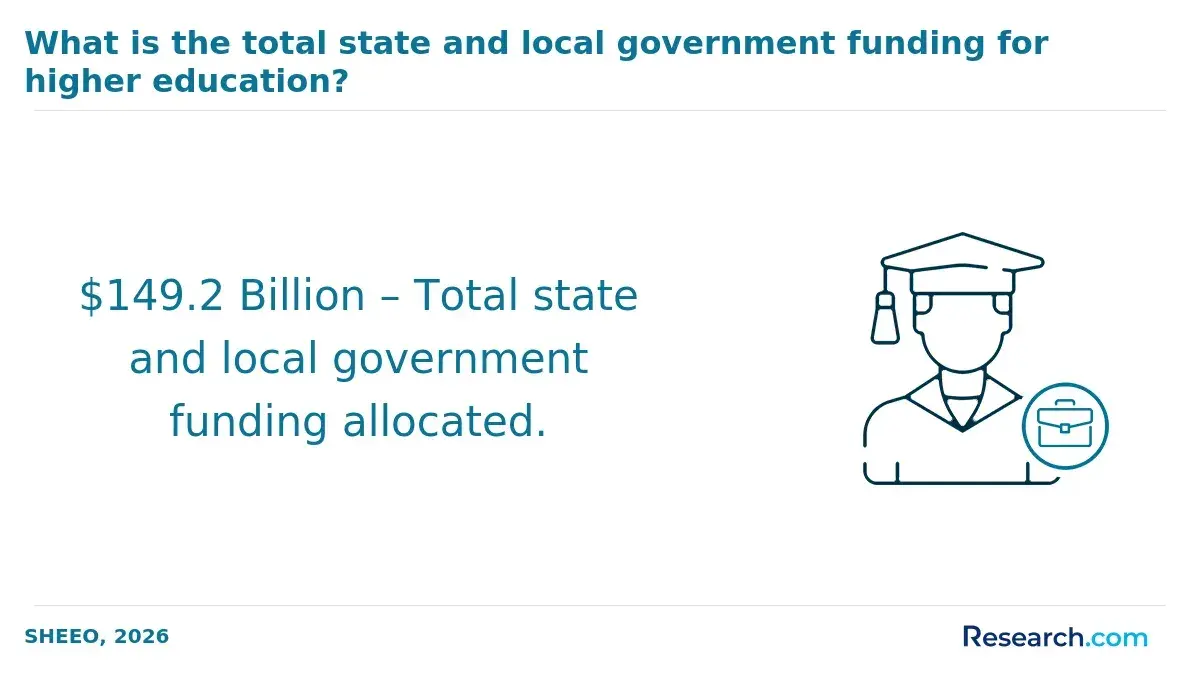
Federal student loan options without cosigner requirements offer accessible borrowing with low fixed interest rates, making them a safer choice compared to private loans. Many undergraduates qualify for substantial federal aid through Direct Subsidized and Unsubsidized Loans, which include flexible repayment plans such as income-driven options adjusting payments based on earnings.
Despite these benefits, about 44% of undergraduates chose not to borrow federal loans, leaving an opportunity to maximize this guaranteed funding source before turning to private options. Federal loan limits vary by education level:
- Freshmen may borrow up to $5,500 annually through Direct Loans, with higher limits in later years.
- Graduate students can access Direct Unsubsidized Loans up to $20,500 yearly, no cosigner needed.
- PLUS Loans provide extra funding for parents or graduate students but require credit checks instead of cosigners.
Federal loans also include deferment, forbearance, and forgiveness programs to protect borrowers during hardship. Applying requires only the FAFSA, a simpler process than private loan credit approvals. Understanding how federal student loans eliminate need for cosigned loans can save students from additional financial risk and unfavorable private lending terms.
Students struggling to qualify for private loan approval may explore student loans with bad credit and no cosigner, highlighting the advantage of federal options in such situations.
Which lenders offer private student loans without a cosigner and what are the trade-offs?
Several private lenders now provide private student loans without a cosigner, targeting borrowers with strong credit histories or stable incomes. Companies like SoFi, College Ave, and Earnest evaluate applicants based on creditworthiness, income, and education rather than relying on a cosigner's guarantee.
This option appeals to those seeking independence but comes with notable trade-offs of cosigner-free student loans.
Interest rates on no-cosigner loans tend to be higher. Borrowers may face rates from 8% to 14%, whereas loans with cosigners often offer rates as low as 4% to 7%. This reflects the increased risk lenders take when there's no cosigner backing the loan. Approval standards are also more stringent, requiring credit scores typically above 680 and proof of steady income.
Flexible repayment options are more limited. Unlike federal loans, private loans usually do not include income-driven plans like the recent SAVE plan that can reduce federal loan payments for many undergraduates. This absence increases financial risk for those using no-cosigner private student loans. Some lenders do allow co-applicants, such as parents or guardians, helping improve approval odds without a legally obligated cosigner.
Prospective borrowers should consider federal alternatives first and explore ways to strengthen their credit before applying. For those interested in advanced degrees, understanding options for business school student loans can also be crucial in managing educational costs effectively.
Can income-share agreements be a realistic alternative to cosigned student loans?
Income-share agreements (ISAs) serve as an alternative to cosigned student loans for some students, allowing them to secure funding in exchange for a fixed percentage of future income over a set period. This approach reduces dependence on creditworthy cosigners and traditional debt, making ISAs particularly useful for those without a strong credit history.
ISAs tie repayment to income, offering protection during times of low or no earnings, unlike fixed monthly loan payments that can create financial stress.
However, high earners may pay more over time compared to conventional loans, so it's important to carefully consider how income-share agreements work for student loan repayment in each case. Grants and scholarships remain the primary financial aid source, with undergraduates receiving an average of $10,590 annually-covering more than half the tuition at many public four-year institutions. As such, ISAs often provide supplementary funding rather than full coverage.
Key factors to evaluate before choosing an ISA include:
- The percentage of income required and duration of payments.
- Income thresholds where payments are paused.
- Total repayment caps to avoid excessive costs.
- Any restrictions on fields of study or careers imposed by providers.
Students lacking cosigners should weigh ISA terms clearly against loan options, considering future career earnings and financial tolerance. For some, it may be wise to explore options to refinance student loans to improve repayment terms or affordability.
How do tuition payment plans and employer tuition assistance reduce reliance on cosigned loans?
Tuition payment plans help students manage education costs by spreading out payments into affordable monthly installments, reducing the need for large upfront loans with cosigners. Many universities offer automatic billing options, allowing students to budget more effectively and avoid high-interest debt early on.
Employer tuition assistance programs provide another vital source of funding, often covering full or partial tuition for job-related degrees. These benefits reduce out-of-pocket expenses without the risks associated with cosigned loans, such as credit checks or guarantees.
Work-study, part-time jobs, and cooperative education programs supplement income and have been shown to reduce student debt. Research indicates that 74% of full-time undergraduates who worked during their studies graduated with about $4,000 less debt than those who did not work. Combining earnings with payment plans or employer assistance strengthens financial stability and minimizes reliance on loans.
Students should consider options like:
- University tuition installment plans to ease cash flow
- Employer tuition reimbursement for education related to job performance
- Work-study or cooperative education programs blending work and study
These approaches offer safer financial alternatives and help lower the long-term debt burden commonly associated with cosigned student loans.
When are community college, transfer pathways, or cheaper schools better than borrowing with a cosigner?
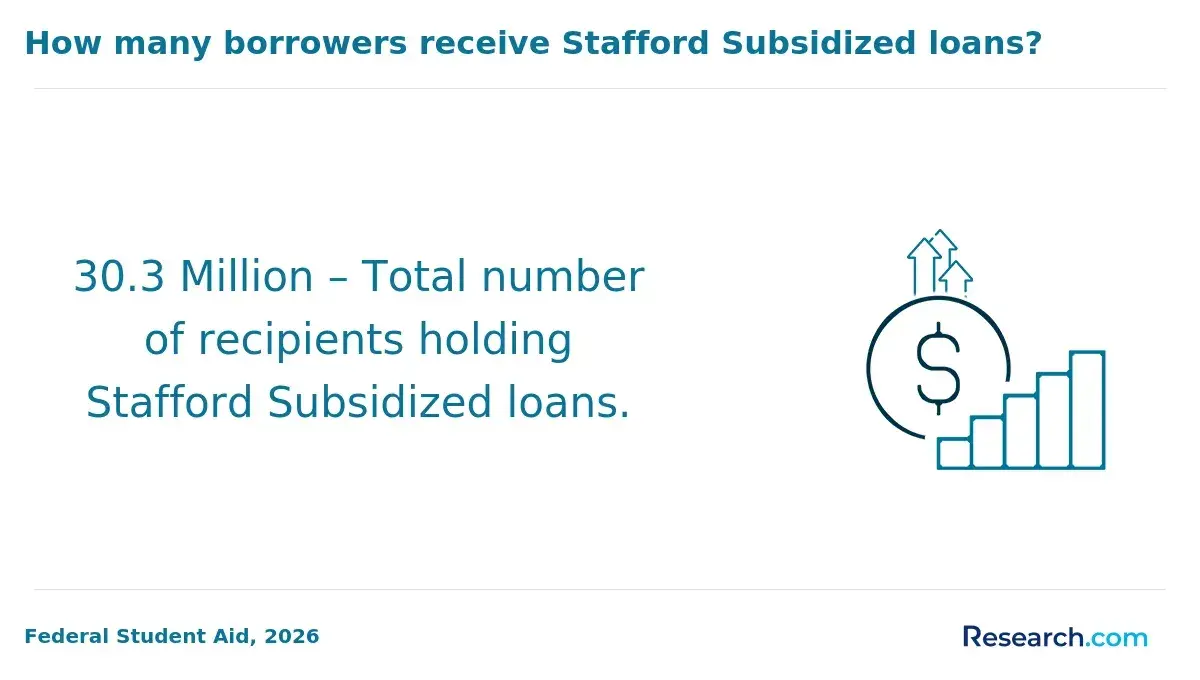
Choosing community college or transfer pathways can significantly reduce debt and financial risk compared to borrowing with a cosigner. Public two-year colleges average $3,990 annually in tuition and fees, while public four-year institutions charge about $11,260, according to the College Board.
This difference can result in savings of approximately $28,000 over four years through a 2+2 plan, lowering the need for costly cosigned loans.
Community college is a practical option if:
- You want to minimize initial educational expenses and reduce loan sizes.
- You worry about the financial risks a cosigner faces.
- You plan to transfer credits to a four-year institution without incurring excessive debt immediately.
- Your cosigner cannot support large loans due to credit or income limits.
- You qualify more easily for need-based or merit scholarships at less expensive schools.
Alternatively, attending a lower-cost school with quality programs may also avoid cosigned loans, especially when:
- The program's value justifies the investment and matches or exceeds pricier options.
- Maintaining straightforward family finances is important to you.
- You want to graduate with little or no debt, securing better financial stability.
Cosigned loans might be necessary if immediate entry to a specialized or high-cost program is required. Still, for most students, choosing community colleges, transfer pathways, or affordable schools offers concrete financial advantages verified by the College Board.
How do credit-builder strategies help students qualify for loans without a cosigner?
Credit-builder strategies help students secure loans without needing a cosigner by establishing positive credit histories on their own. These methods include obtaining secured credit cards, becoming authorized users on family members' accounts, or taking small credit-builder loans. Consistently making on-time payments and managing credit responsibly improves credit scores over time, making students more attractive to lenders.
For instance, using a secured credit card with a low spending limit and paying the balance monthly shows financial responsibility. Small monthly payments on credit-builder loans reported to credit bureaus further boost creditworthiness. These tactics help students overcome limited or nonexistent credit history, a key barrier that often requires cosigners.
State loan and aid programs also play a crucial role. According to the National Association of State Student Grant and Aid Programs, state grant aid totaled $17.1 billion in recent years, with over 80% being need-based. This funding reduces the amount students need to borrow, alleviating dependence on cosigners.
Students should explore alternative loan options that consider income or future earning potential alongside credit scores. Combining credit-builder strategies with state aid and alternative loans can make independent borrowing achievable. Proactive credit management coupled with strategic aid use broadens access to education financing without cosigners.
Are parent loans, home equity, or personal loans safer than cosigning a student loan?
Cosigning a student loan legally binds the cosigner to full repayment if the borrower defaults, placing significant risk on both parties' credit scores. This is often a higher risk than parent loans, where the parent is the primary borrower and can manage repayment strategies to protect their credit.
Home equity loans use the borrower's home as collateral, meaning failure to repay could lead to foreclosure. While these loans typically offer lower interest rates, they risk family assets and do not share repayment responsibility with the student as cosigning does.
Personal loans are generally unsecured and require good credit but have higher interest rates. They seldom need a cosigner, reducing relationship risks from missed payments, though they may not cover full tuition costs.
Emerging financing alternatives like Income-Share Agreements and Outcome-Based Lending focus on high-ROI fields such as tech and healthcare. According to a recent review, over 70% of these programs support skills-focused education financing, linking repayment to post-graduation income and potentially lowering debt risk compared to traditional cosigned loans.
How can scholarships, grants, and work-study funding replace the need for a cosigned loan?
Scholarships, grants, and work-study funding provide strong alternatives to cosigned student loans by offering non-repayable or income-based financial support. These awards reduce tuition costs directly, easing the financial burden without adding debt. For instance, Pell Grants provide eligible undergraduates with up to $7,395 annually, negating the necessity of securing a loan with a cosigner.
Work-study programs enable students to earn money through part-time jobs that fit around their academic schedules, helping cover living expenses and reducing dependence on loans. Federal Work-Study can offer thousands of dollars each academic year without creating debt obligations.
Employer tuition assistance is another option. Over half of large U.S. employers now provide undergraduate tuition help, while nearly half offer benefits for student-loan repayment, according to the Society for Human Resource Management (SHRM). These benefits support employees in funding education or repaying loans, decreasing the need for cosigners.
To maximize financial aid opportunities, students should seek scholarships aligned with their field, background, or achievements and explore schools with comprehensive grant programs. Combining funding sources such as:
- Scholarships based on merit or need
- Grants reducing direct education costs
- Work-study earnings
- Employer tuition assistance and loan repayment
can significantly reduce or eliminate reliance on cosigned loans and limit credit risk exposure.
What should borrowers compare when choosing between cosigned and non-cosigned loan options?
When choosing between cosigned and non-cosigned student loans, borrowers should compare interest rates, repayment terms, eligibility criteria, and cosigner requirements carefully. Cosigned loans often have lower interest rates because lenders face less risk, but they require a creditworthy cosigner who shares responsibility if the borrower defaults.
Non-cosigned loans generally have higher interest rates as they depend solely on the borrower's credit, which can be limited for students or recent graduates. For instance, refinancing private student loans recently lowered average interest rates from 9.3% to 5.8%, saving approximately $213 monthly on a $50,000 loan over 10 years according to the LendingTree Student Loan Refinance Report.
Repayment terms also vary: cosigned loans typically follow traditional repayment schedules, while some non-cosigned options, including federal loans, offer income-driven repayment plans and deferment options.
Eligibility requirements differ as well:
- Federal loans usually don't require cosigners and have fixed interest rates but limit maximum funding amounts.
- Private non-cosigned loans demand stronger credit or higher income.
Borrowers need to assess their cosigner's willingness and financial strength, as a strong cosigner can provide better loan terms but may face credit damage if payments are missed.
Refinancing after graduation is an important consideration, as it can lower interest costs and improve loan terms, especially if initial loans establish a good credit profile.
Other Things You Should Know About
In 2027, several options are available for students seeking loans without a cosigner. Federal student loans, like Direct Subsidized and Unsubsidized Loans, are excellent choices. Private lenders also offer no-cosigner loans, particularly for graduate students with strong credit histories. Always compare interest rates, repayment terms, and borrower benefits before choosing a loan.
Removing a cosigner from a student loan depends on the lender's policies and the borrower's creditworthiness. Some lenders allow cosigner release after a series of on-time payments and proof of the borrower's ability to repay independently. However, this option is not guaranteed and usually requires meeting strict criteria.
Loans with a cosigner generally offer lower interest rates because the cosigner reduces the lender's risk. Non-cosigned loans usually have higher rates to compensate for the increased credit risk. Borrowers without a creditworthy cosigner may pay more in interest over the life of the loan.
Yes, cosigning carries significant risks for the cosigner, including being fully responsible for the loan if the borrower cannot pay. It may also affect the cosigner's ability to obtain their own credit. Cosigners should carefully consider their financial situation before agreeing to cosign.