2027 Best Public Administration Graduate School Loans

Student Finance & Loan Expert
Many prospective students face the challenge of financing public administration graduate programs without adequate savings or employer support. The complexity of loan options, varying interest rates, and repayment plans can overwhelm individuals seeking to avoid excessive debt. Navigating these financial decisions requires clear, reliable information tailored to public administration degrees.
This article explores the most suitable student loan alternatives available, highlighting key features, eligibility criteria, and repayment options. It aims to equip readers with the knowledge needed to select loans that align with their career goals and financial circumstances, reducing uncertainty and promoting informed borrowing decisions.
- What types of student loans are best for public administration graduate students? Best loan types
- How do federal and private loans compare for a public administration master's degree? Federal vs private
- How much can you borrow for public administration graduate school, and at what interest rates? Limits and rates
- What are the eligibility requirements for federal grad loans in public administration programs? Federal eligibility
- How do you apply for public administration graduate school loans, including FAFSA and PLUS? Loan application
- Which repayment plans work best for public administration graduates, including income-driven options? Repayment plans
- What loan forgiveness and public service programs can help public administration graduates? Forgiveness options
- How can you reduce borrowing costs with scholarships, assistantships, and employer tuition benefits? Lower costs
- When does refinancing or consolidating public administration grad loans make financial sense? Refi and consolidation
- How do deferment, forbearance, and default affect public administration graduate borrowers? Deferment and default
What types of student loans are best for public administration graduate students?
Federal loans are the best option for student loans for public administration graduate students, thanks to flexible repayment plans, lower interest rates, and borrower protections.
Direct Unsubsidized Loans often serve as the primary choice, featuring fixed interest rates near 6% and no need to prove financial need. These loans allow students to defer payments until after graduation, easing financial pressure during their studies.
When loan limits for unsubsidized options are insufficient, Grad PLUS loans provide coverage for the remaining tuition and fees.
This is important as the median annual tuition and required fees at public universities have increased by 12%, reaching about $10,900 in 2024, according to the National Center for Education Statistics. Though Grad PLUS loans carry slightly higher interest rates, they help fill the crucial funding gap for public administration degrees.
Private loans should be considered cautiously since they often feature higher, variable interest rates, limited borrower protections, and stricter credit qualifications. They may become necessary if federal loan limits are exceeded.
Income-driven repayment plans such as PAYE and REPAYE are vital for graduate borrowers pursuing public service careers. These plans cap monthly payments based on income and offer possible loan forgiveness after 20 or 25 years.
Direct consolidation loans simplify repayment by combining multiple federal loans into a single monthly payment and can extend loan terms to reduce payments. Students can also explore options like using student loans for rent to manage living expenses during their education.
How do federal and private loans compare for a public administration master's degree?
Graduate students pursuing a public administration master's degree typically rely more on federal loans than private loans. On average, they borrowed about $18,430 from federal sources, which accounts for 73% of total graduate borrowing, according to the College Board's "Trends in Student Aid 2025."
Federal loans offer advantages such as fixed interest rates, income-driven repayment plans, and loan forgiveness options. These features are particularly beneficial for public administration careers often found in government or nonprofit sectors, providing cost certainty and manageable repayment. This comparison of repayment options for public administration graduate student loans clearly favors federal programs.
In contrast, private loans generally come with variable interest rates and stricter eligibility criteria, including the need for strong credit or a cosigner. They lack income-driven repayment choices and forgiveness programs, which can lead to higher long-term costs.
Federal Graduate Direct Unsubsidized Loans allow borrowing up to $20,500 annually, setting a benchmark before considering private options. Students should exhaust federal possibilities first because of these protections, especially those with poor credit or no cosigner.
Private loans may fill funding gaps after federal limits are reached but require careful scrutiny. Many students also seek advice on the best time to apply for student loans to optimize borrowing conditions.
How much can you borrow for public administration graduate school, and at what interest rates?
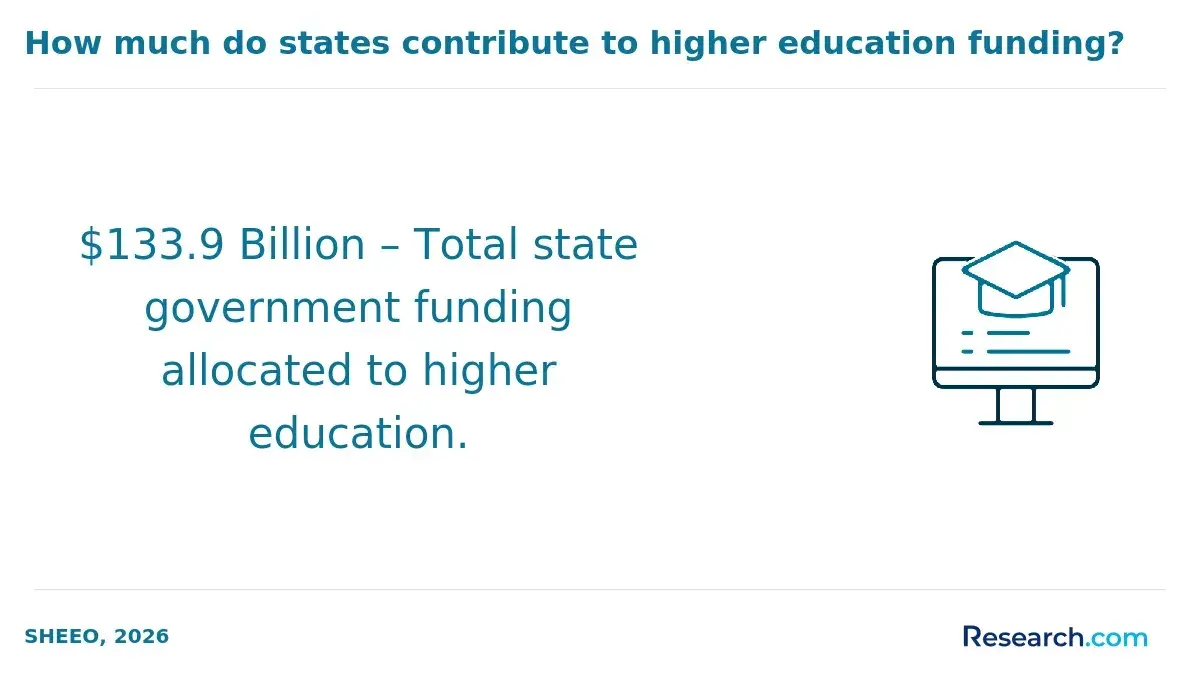
Federal student loan maximum loan amounts for public administration graduate programs depend on the loan type. Direct Unsubsidized Loans allow borrowing up to $20,500 annually, with a cumulative graduate loan limit of $138,500 including any undergraduate debt. Most students combine these with Grad PLUS Loans, which cover remaining costs beyond other aid and have no fixed maximum except the cost of attendance minus other financial support.
Interest rates on graduate school loans for public administration vary by program. For example, for 2026, Direct Unsubsidized Loans carry a fixed interest rate of about 7.05%, while Grad PLUS Loans have higher rates near 8.05%. Private student loans often start above 8%, typically feature variable rates, and offer fewer borrower protections compared to federal loans.
Students pursuing dual degrees or enrolling part-time may accumulate higher debt burdens, potentially extending borrowing over more years. Careful financial planning is essential to manage debt and explore options such as loan forgiveness programs tailored to public service careers.
Policy proposals from the Congressional Budget Office forecast a 28% drop in federal graduate loan disbursements by 2033 if new Grad PLUS Loans are eliminated and loan limits are set to $20,500 per year and $100,000 lifetime. This could impact borrowing ability for many public administration students.
For borrowers interested in reducing loan costs, consider exploring student loan refinancing bonus offers that could improve repayment terms and overall financial outcomes.
What are the eligibility requirements for federal grad loans in public administration programs?
Federal graduate student loans for public administration programs have specific eligibility requirements. To qualify for Direct Unsubsidized Loans or Grad PLUS Loans, students must be enrolled at least half-time in an eligible public administration graduate program at a U.S. institution.
Additionally, applicants must be U.S. citizens or eligible non-citizens with a valid Social Security number. These are key federal grad loan requirements for public administration students in the US.
Applicants cannot have defaulted federal student loans unless satisfactory repayment arrangements are in place. Maintaining satisfactory academic progress as defined by the school is also necessary.
Grad PLUS loans require a credit check; those with adverse credit may need an endorser or to meet other conditions. Income and credit history impact only Grad PLUS loan eligibility, with no income cap but federal loan limits and cost of attendance determining maximum borrowing amounts.
For example, a Master of Public Administration student can borrow up to the education cost minus other aid. The federal Direct Unsubsidized Loan has a 7.05% APR, competitive with private loans that range from 4.5% to 8.5% for borrowers with strong credit scores. Ensuring timely submission of FAFSA and school certification of enrollment is crucial to secure funding without delays.
Students interested in alternative options may also explore nursing school loans, which follow similar application and eligibility criteria.
Knowing the eligibility criteria for federal graduate loans in public administration helps students navigate the process and maximize their chances of receiving essential financial support for their studies.
How do you apply for public administration graduate school loans, including FAFSA and PLUS?
Start your public administration graduate loan process by completing the Free Application for Federal Student Aid (FAFSA). FAFSA determines your eligibility for federal loans, such as Direct Unsubsidized Loans commonly used for Master of Public Administration (MPA) programs. Submit your FAFSA early to maximize your financial aid opportunities.
Graduate students cannot receive need-based Pell Grants but qualify for federal student loans with fixed interest rates and favorable repayment terms. Once approved, you may access Direct Unsubsidized Loans up to $20,500 per year. For further funding, apply separately for the Grad PLUS Loan via the Federal Student Aid website after submitting FAFSA. This loan covers remaining tuition and expenses up to the cost of attendance minus other aid.
The Grad PLUS Loan requires a credit check and usually has a higher interest rate than Direct Loans. Many students use both loans together to finance their graduate education.
For example, the average total tuition for a two-year MPA was approximately $27,000 at public schools and $56,000 at private ones. Students attending private institutions often rely more on Grad PLUS Loans to fill gaps.
Consult your school's financial aid office for loan counseling, debt limits, and disbursement schedules. Some states and schools offer supplemental loans or loan forgiveness programs for public administration careers. Always review loan terms, interest rates, and repayment options carefully before borrowing.
- Complete FAFSA early at fafsa.ed.gov.
- Direct Unsubsidized Loans up to $20,500 annually.
- Grad PLUS Loans require credit check and cover remaining costs.
- Combine loans to finance full graduate tuition.
- Check school-specific loan counseling and forgiveness options.
Which repayment plans work best for public administration graduates, including income-driven options?
Federal income-driven repayment plans best support public administration graduates by adjusting monthly payments according to income and family size. The Revised Pay As You Earn (REPAYE) and Income-Based Repayment (IBR) plans are notable, capping payments at 10% to 15% of discretionary income. This relief is especially important during the early career phase when salaries tend to be lower.
Those working in government or nonprofit sectors may qualify for Public Service Loan Forgiveness (PSLF). This program forgives remaining loan balances after 10 years of consistent payments under qualifying plans like REPAYE or IBR, significantly reducing the total cost of borrowing.
For graduates facing variable income or temporary financial challenges, the Income-Contingent Repayment (ICR) plan provides an alternative, even though it typically requires higher payments than REPAYE.
Key considerations in plan selection include outstanding loan balances, expected income growth, and career plans. Prioritizing plans that minimize early monthly payments helps free up cash flow for living expenses or professional development.
According to NASPAA's 2024 Enrollment and Financial Aid Report, 40% of full-time public administration master's students receive institutional grants covering a median of 46% of tuition. This aid reduces the need to borrow, making income-driven repayment plans more manageable relative to actual debt.
Graduates should recertify income and family size annually to maintain eligibility for income-driven plans. Failure to recertify may switch payments to a standard plan, increasing monthly financial obligations.
What loan forgiveness and public service programs can help public administration graduates?
Public administration graduates benefit from federal loan forgiveness and repayment programs that help reduce student debt. The Public Service Loan Forgiveness (PSLF) program cancels loans after 120 qualifying monthly payments while working full-time for government or eligible nonprofits. This applies primarily to Direct Loans, which are common in graduate education.
Income-driven repayment plans can lower monthly payments based on income and family size, possibly leading to partial loan forgiveness after 20-25 years of qualifying payments.
Additional support is available through state and local government programs targeting high-need public sector roles such as municipal administration and public policy. Employer-sponsored repayment assistance and stipend programs also help ease debt burdens for professionals in government or nonprofit positions.
Key factors for success with these programs include maintaining eligible employment, submitting annual certifications, and ensuring loans qualify.
Financially, a public administration master's degree offers a wage premium. According to the U.S. Census Bureau's 2025 Current Population Survey, holders in state and local government earned a median $83,000 annually versus $60,000 for bachelor's-level workers in similar roles. This pay difference underscores the value of graduate education combined with loan assistance.
How can you reduce borrowing costs with scholarships, assistantships, and employer tuition benefits?
Actively pursuing scholarships, assistantships, and employer tuition benefits can significantly reduce borrowing costs for Public Administration graduate school. Scholarships directly lower the principal amount required by offering merit-based, need-based, or diversity awards, sometimes covering full tuition. These financial aids come from both universities and external organizations specializing in public administration fields.
Graduate assistantships, including research or teaching roles, often provide tuition waivers or stipends in exchange for work, cutting loan amounts by 50% to 100%. Such positions not only reduce costs but also enhance professional experience.
Employer tuition benefits offer another valuable funding source. Many government agencies and nonprofits reimburse tuition partially or fully, provide paid study leave, or assist with loan repayments. It's essential to confirm eligibility and limits with human resources before enrolling.
Targeted loan forgiveness programs, like the Public Service Loan Forgiveness (PSLF) Program-which has discharged $62 billion for over 876,000 borrowers primarily in government and nonprofit roles-should be prioritized by graduates aiming for public service careers. Choosing qualifying employment and repayment plans maximizes loan forgiveness opportunities.
Proactive steps to manage costs include:
- Applying early and annually for scholarships.
- Seeking assistantships with clear financial benefits.
- Consulting employers about tuition support and loan repayment.
- Understanding PSLF requirements to optimize loan cancellation.
When does refinancing or consolidating public administration grad loans make financial sense?
Refinancing or consolidating graduate loans in public administration is worthwhile when it lowers your interest rate, reduces monthly payments, or simplifies managing multiple loans.
Refinancing benefits borrowers with high-interest private loans who can secure a better rate, reducing the total repayment cost. Consolidation helps those with multiple federal loans by combining them into a single payment, easing monthly budgeting.
Consider refinancing only if you have a stable income and strong credit score. This is especially important if you plan to work in public service or government roles eligible for Public Service Loan Forgiveness (PSLF), since refinancing federal loans with private lenders often disqualifies you from PSLF benefits.
Refinancing also suits borrowers whose financial situations improve after graduation, allowing them to access better terms than their original loans. On the other hand, consolidation may be better for those who want a longer repayment term or find it challenging to track multiple loans, though it could increase total interest paid.
International students in public administration programs, who represent a significant share of enrollments, usually depend on personal or family funds instead of U.S. federal loans. This reduces their refinancing options and creates distinct loan strategies compared to domestic borrowers.
Before deciding, compare your current terms to potential refinancing offers, consider how it affects PSLF eligibility, and align your choice with long-term career and financial goals.
How do deferment, forbearance, and default affect public administration graduate borrowers?
Deferment and forbearance offer ways for public administration graduate borrowers to temporarily ease student loan payments, but they differ in key ways that impact long-term finances.
Deferment pauses payments and usually stops interest accrual on federal subsidized loans during periods such as further education or unemployment. For instance, an MPA graduate returning to full-time school can use deferment to prevent interest growth and reduce short-term financial pressure.
By contrast, forbearance allows payment suspension or reduction but typically accrues interest on all loan types during the pause. This added interest increases total repayment costs. With median loan balances for public administration graduates around $39,700, according to the Association for Public Policy Analysis and Management (APPAM), interest during forbearance can substantially raise debt.
Default, which happens after 270 days of missed payments, severely damages credit and can lead to wage garnishment, tax refund seizures, and loss of federal aid eligibility. Since about 22% of MPA graduates owe more than $70,000, the risk and consequences of default are significant.
Borrowers should communicate proactively with loan servicers, explore deferment or forbearance options before payments are missed, and consider income-driven repayment plans to manage balances. Staying informed about eligibility and terms helps protect credit and maintain financial stability over time.
Other Things You Should Know About
Yes, the interest you pay on qualified student loans for public administration graduate programs may be tax-deductible. You can deduct up to $2,500 of student loan interest annually, depending on your income and filing status. This deduction helps reduce your taxable income but is subject to phase-out limits for higher earners.
In 2027, the best loan options for public administration graduate students include Federal Direct Unsubsidized Loans and Grad PLUS Loans. These federal loans offer fixed interest rates and income-driven repayment plans, which can provide flexibility in managing debt post-graduation.
Your enrollment status, such as full-time or part-time attendance, impacts your federal student loan borrowing limits. Generally, full-time students can borrow the maximum allowed for graduate programs, whereas part-time students may have reduced borrowing limits. Schools often confirm your enrollment status with the lender before disbursing funds.
Most federal loans provide a grace period after graduation before repayment begins, typically six months. This allows graduates time to find employment or stabilize their finances. However, interest may accrue during this time, so understanding the terms of your specific loan is important to plan repayment effectively.