2027 Can Student Loans Pay for a Laptop?

Student Finance & Loan Expert
Imagine a graduate student enrolled in an online program struggling with outdated technology that hinders their coursework. They wonder if student loans can cover the expense of a new laptop to improve their study experience. Many borrowers face this dilemma, balancing education costs with necessary tools for success. Understanding whether loan funds can legally and practically be used for laptops is crucial for making informed financial decisions. This article explores the regulations and guidelines surrounding student loans and technology purchases, aiming to clarify how borrowers can effectively allocate funds to support their academic goals.
- Can student loans legally be used to buy a laptop and tech supplies? Can student loans legally
- Which types of student loans can cover laptop purchases: federal, private, or both? Which types of student
- What counts as "education-related expenses" when using loans for a laptop? What counts as "education-related
- How do schools decide if a laptop is part of your cost of attendance? How do schools decide
- Do I need documentation or approval to use excess loan funds for a laptop? Do I need documentation
- How should you compare loan options if borrowing mainly to afford a laptop? How should you compare
- What are the long-term costs of financing a laptop with student loans? What are the long-term
- Are there grants, scholarships, or campus programs that provide free or discounted laptops? Are there grants, scholarships,
- How can parents and graduate students use PLUS loans for laptop expenses? How can parents and
- What alternatives to student loans exist for buying a laptop or device? What alternatives to student
Can student loans legally be used to buy a laptop and tech supplies?
Student loans can be used to purchase a laptop and other necessary technology supplies when these items are required for your coursework. The IRS classifies computers and related equipment as qualified education expenses if they are essential for enrollment or attendance at an eligible institution. This makes laptops an approved use of loan funds for many students using student loan funds to buy technology and supplies.
According to the National Center for Education Statistics, 86% of full-time undergraduates owned a laptop, and 72% used it as their primary device for coursework. Schools often list computers as required materials in course syllabi, supporting their eligibility for student loan spending. Practical considerations include:
- Loan proceeds can cover the purchase price of a laptop, software licenses, printers, or other technology if directly related to your program.
- If a laptop is not explicitly required but significantly aids in completing studies, loans can still be used if expenses remain within the cost of attendance.
- Purchasing high-end or gaming laptops unrelated to academics may lead to compliance issues.
- Always keep receipts and documentation showing the educational purpose of the technology in case of audits.
Students should verify with their school's financial aid office whether specific technology expenses align with their stated cost of attendance. For those exploring financing options, best dental school loans provide examples of how loan funds may be effectively managed to cover essential educational costs. Using federal student loans for course-required technology follows IRS guidance and institutional policies, making it a common and legal practice.
One common question is, can student loans be used to purchase a laptop for school? The answer is yes, provided the laptop is essential for your coursework and documented as part of your educational expenses.
Which types of student loans can cover laptop purchases: federal, private, or both?
Both federal and private student loans can cover laptops, but there are key differences in coverage and limits. Federal student loans specifically allow funds to be used for "non-tuition educational costs," including computers and software. For dependent first-year undergraduates in the 2025-26 academic cycle, federal direct subsidized or unsubsidized loans have a $5,500 limit, with up to $4,500 designated for non-tuition expenses like laptops and supplies. This clear cap helps students use federal loans confidently without compliance issues.
Private student loans that cover laptop purchases typically vary by lender, as terms are less regulated. Approval and permitted expenses depend on the specific loan agreement; some lenders require proof that funds are used for educational purposes, while others don't differentiate between tuition and ancillary costs. Prospective borrowers should carefully review the contract to confirm coverage.
Key details to keep in mind:
- Federal loans allow laptop expenses up to a $4,500 non-tuition limit for dependent first-year undergraduates.
- Private student loans for electronics vary widely and may require documentation.
- Review your loan terms thoroughly to avoid disallowed expenses.
Smart borrowing includes knowing the differences between federal vs private student loans for electronics and planning accordingly to maximize benefits. Students should also stay informed about student loan application deadlines to align funding with their needs.
What counts as "education-related expenses" when using loans for a laptop?
Education-related expenses eligible for student loans go beyond tuition and fees, covering costs necessary to attend and complete a program. Using student loans to buy a laptop for school is allowed when the device is essential for coursework, research, or accessing specific educational platforms. For example, if your program requires particular software or online participation only possible through a laptop, the purchase can qualify.
Eligible expenses include:
- Course materials such as textbooks and software licenses.
- Necessary equipment like calculators, lab supplies, or laptops.
- Technology used exclusively for academic purposes and verified by your institution.
- Internet service fees required for remote learning.
It's important to note that loans must be used directly for education-related expenses to comply with lender rules. If the laptop is primarily for personal or entertainment use, it may not qualify. Keep written proof from your school confirming the laptop's necessity to support your loan application.
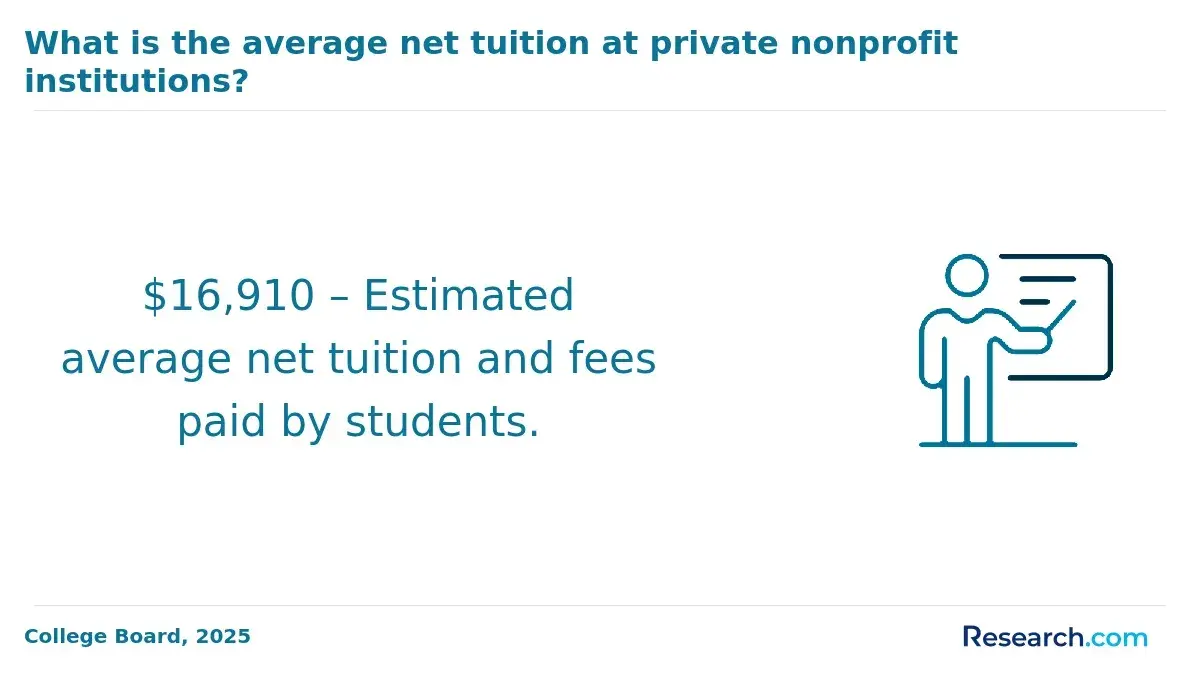
Private student loans, which represent a smaller portion of total student debt, charged significantly higher interest rates than federal loans in recent years. This can make financing laptops or other discretionary expenses more costly over time. For insight into borrowing options, especially how parents can borrow for college could be useful when considering financing strategies for education-related purchases.
How do schools decide if a laptop is part of your cost of attendance?
Schools determine if a laptop qualifies as part of your Cost of Attendance (COA) based on federal guidelines and institutional policy. The COA covers both direct expenses like tuition and indirect expenses such as books, supplies, and technology essential for coursework. When a laptop is necessary for programs like engineering, graphic design, or computer science, it is often included within the COA. This method ensures that technology costs are considered in financial aid calculations.
Each institution has discretion within Department of Education parameters and may require documentation proving the laptop's necessity. Some schools include a flat technology allowance covering laptops and software in the COA, while others adjust the amount if students present valid equipment expenses. Students should check with their financial aid office about policies specific to their program.
Many universities allow laptops to be covered indirectly by increasing the COA, enabling students to use additional student loan funds to purchase the device. For example, refund checks or overages can be spent on a laptop; institutions disbursed an average of $2,220 per student in credit balances after applying aid to charges. This refund can legally cover indirect costs, offering flexibility when a technology allowance is included or supported by financial aid offices.
Effective communication with financial aid counselors can maximize your ability to cover laptop costs through loans or refunds without compromising other expenses. If you plan to optimize your finances, understanding student loan refinance requirements can also be helpful.
Do I need documentation or approval to use excess loan funds for a laptop?
Federal student loans primarily cover tuition, fees, room, board, and essential educational expenses, but laptops are considered allowable course materials under federal guidelines. To use excess student loan funds for a laptop, most schools require specific documentation or approval showing that the laptop is necessary for academic purposes.
Common forms of documentation requested by financial aid offices include:
- A quote or invoice demonstrating the laptop's cost
- A course syllabus or description explaining the need for the laptop
- An updated cost of attendance form that reflects technology expenses
The average annual cost of books and supplies, including technology, was about $1,310, representing roughly 7% of total non-tuition expenses at many four-year institutions. Loan funds allocated for laptops should generally stay within this proportion of the loan budget to align with typical educational costs.
Using student loan funds for a laptop without approval can risk violating loan terms, potentially affecting eligibility and repayment options. It is important to contact your financial aid office early in the process to understand required documentation and confirm allowable excess funds for technology purchases. Proper planning ensures compliance and avoids complications later.
How should you compare loan options if borrowing mainly to afford a laptop?
When financing a $1,200 laptop, the total repayment can be much higher than the sticker price due to interest charges. For instance, a loan with a 6.39% interest rate over 10 years can increase the repayment amount to around $1,628, a 36% rise caused solely by interest (Education Data Initiative, Average Student Loan Payment 2026). This highlights the importance of assessing the true cost beyond the initial price.
Key factors to evaluate when choosing a loan include:
- Interest rate: Lower rates lead to smaller overall payments, while private loans and credit cards tend to have higher rates than federal options.
- Repayment term: Longer terms reduce monthly payments but increase total interest paid.
- Fees and penalties: Watch for origination fees, late charges, or prepayment penalties that raise costs.
- Loan purpose: Federal student loans often restrict funds to education-related expenses, so check if technology purchases qualify.
Alternatives like short-term personal loans, credit cards with 0% introductory APR, or saving beforehand might be cheaper strategies. Because laptops depreciate quickly, taking on long-term debt can heighten financial pressure.
Look for loans allowing early repayment without fees to minimize interest. Comparing total repayment amounts, not just monthly installments, offers a clearer picture. Smaller loan amounts or pursuing grants and scholarships for technology can be more economical than increasing debt for a laptop.
What are the long-term costs of financing a laptop with student loans?
Using student loans to buy a laptop can increase your long-term expenses due to interest and repayment conditions. While borrowing $1,000 to $2,000 for a laptop may feel minor, the total cost can grow substantially based on the loan type and terms. Federal student loans usually have interest rates between 4% and 7%, whereas private loans may exceed 10%. Over a 10-year repayment period, a $2,000 laptop can accrue an additional $400 to $700 in interest.
Loan repayments often start after graduation or a grace period, which extends debt beyond tuition costs and delays financial independence. Monthly payments of $20 to $30 for laptop loans can add to tuition payments, creating cash flow challenges.
Laptops depreciate quickly and may require repairs, unlike tuition payments, so borrowing for technology involves risks. Students might need additional loans if their device breaks down or becomes outdated.
Access to technology is essential: more than half of undergraduates take online courses, making laptops crucial for success (National Center for Education Statistics, Distance Education in U.S. Higher Education 2024). Without adequate equipment, academic and job opportunities may suffer.
- Consider lower-cost or refurbished laptops to reduce debt.
- Use savings, scholarships, or grants aimed at technology before borrowing.
- Review loan interest rates and repayment plans carefully to understand total costs.
- Plan financially for repairs or replacements without relying on new loans.
Are there grants, scholarships, or campus programs that provide free or discounted laptops?
Grants, scholarships, and campus programs often provide free or discounted laptops to students, presenting valuable alternatives to loans. Many universities, especially those with STEM programs, collaborate with manufacturers to supply laptops at reduced or no cost to eligible students. Private organizations like the National Cristina Foundation also allocate devices to students with disabilities or financial need.
Scholarship platforms frequently list awards that cover technology expenses instead of tuition, expanding access to necessary equipment. Additionally, campus resource centers or libraries may offer loaner laptops or tablets for a semester or academic year, sometimes including technical support to keep devices operational. These programs assist students who cannot make immediate purchases without increasing debt.
Considering laptop costs alongside overall college expenses is important. For example, average annual room-and-board fees at public four-year colleges can exceed $12,000, which is nearly ten times the typical yearly expenditure on books, supplies, and technology, around $1,300. Many students overborrow for laptops without exploring available campus aid, leading to avoidable debt.
To minimize borrowing, students should explore multiple options early, such as:
- Institutional financial aid offices
- Tech program websites
- Scholarship databases focused on equipment
- Campus loaner equipment programs
How can parents and graduate students use PLUS loans for laptop expenses?
Federal PLUS loans allow parents and graduate students to include laptop costs in their education expenses by listing them in their FAFSA or financial aid budget. These loans cover the full cost of attendance, which can include tuition, fees, room, board, and essential supplies such as computers. To qualify, borrowers must provide a clear budget demonstrating the necessity of a laptop for their coursework or research.
Graduate students use the Graduate PLUS loan, while parents apply through the Parent PLUS loan program. Funds from these loans are disbursed directly to the school, which pays education costs first. If the laptop is approved as part of the cost of attendance, borrowers can use leftover funds to purchase the device.
Keep in mind that PLUS loans do not have annual or aggregate limits like undergraduate loans but generally have higher interest rates and origination fees. Including laptops in these loans increases total debt and repayment amounts.
Alternatives to adding technology expenses to PLUS loans include Federal Work-Study earnings, which averaged $2,340 and can cover a midrange laptop without increasing debt. These earnings do not reduce future federal aid eligibility, making them a cost-effective option. Borrowers should carefully assess their funding choices and prioritize unavoidable education costs.
What alternatives to student loans exist for buying a laptop or device?
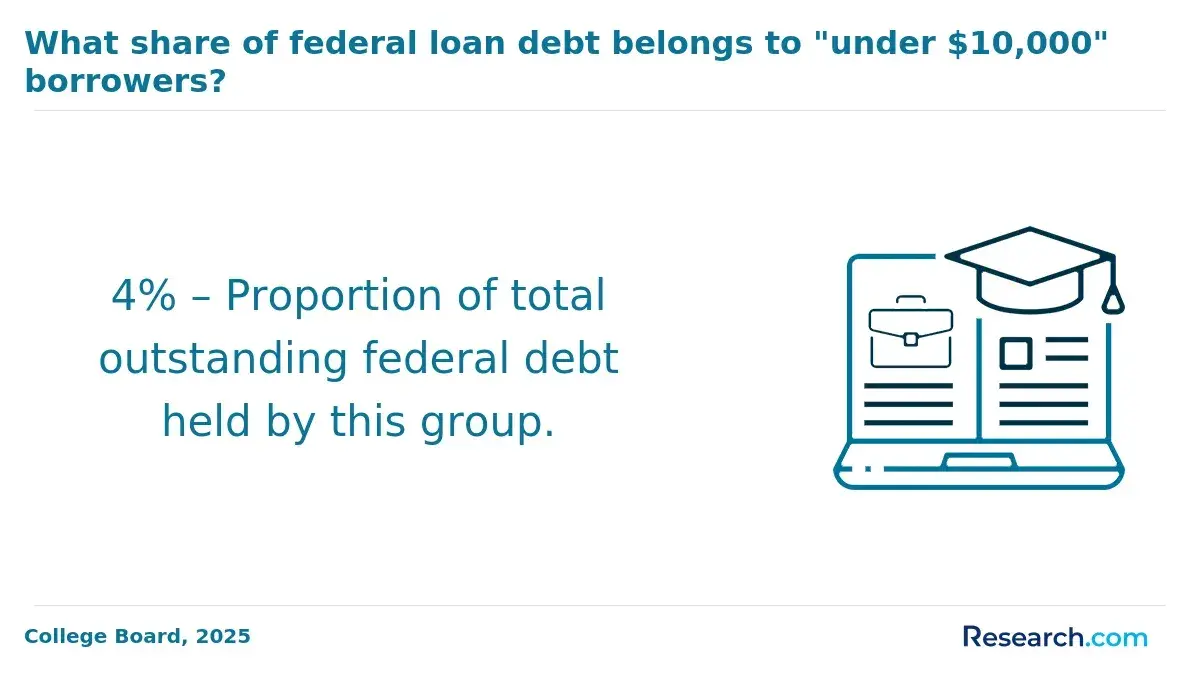
Many students seek alternatives to student loans when purchasing laptops to avoid increasing long-term debt. The average federal student loan borrower owed $39,547 and took about 20 years to repay, so even a $1,000 device can add to repayment burdens through accrued interest (Education Data Initiative, Student Loan Debt Statistics 2026).
Employer assistance programs often help with technology costs by offering subsidies or reimbursements for work-related devices. Students working part-time or seasonal jobs should check with their employers about such benefits.
Federal and institutional grants can cover technology expenses without requiring repayment. Students in STEM or digital media fields might qualify for device-specific grants to reduce out-of-pocket costs.
Installment plans from manufacturers like Apple or Dell allow spreading laptop payments over time without interest, provided payments are timely.
Credit cards offering 0% introductory APR can serve as a short-term financing option for those with strong credit, but caution is needed to avoid high interest after the promotional period ends.
Choosing refurbished or certified pre-owned laptops can lower costs significantly while often including warranties similar to new devices.
Additional options include peer-to-peer lending programs and campus technology centers that lend laptops temporarily at no cost, plus scholarships and fundraising platforms aimed at technology needs.
Other Things You Should Know About
In 2027, student loans are generally intended to cover educational expenses, which may include a new laptop if it's necessary for coursework. However, using student loans specifically for laptop repairs or upgrades might not be eligible under standard financial aid guidelines, as they may not be considered essential educational expenses.
Money borrowed through student loans is not considered taxable income, so purchasing a laptop with loan funds does not trigger tax liability. However, you cannot claim a tax deduction specifically for laptops bought with student loans, as loan proceeds are not considered qualified education expenses for tax credits.
International students may have limited access to federal student loans and usually rely on private loans or institutional aid. Whether loan funds can cover a laptop depends on the specific loan terms and your school's policies, but many international students are eligible to use loan money for necessary education-related technology if it fits within the approved cost of attendance.