2027 Can Student Loans Pay for Gas?

Student Finance & Loan Expert
Imagine struggling to fill your gas tank while juggling student loan payments. Many borrowers wonder if their loans can cover everyday expenses like fuel, especially when budgets tighten.
With rising transportation costs and financial pressures, understanding what student loans can legally be used for becomes crucial. This article explores the rules surrounding student loan disbursements and clarifies whether gas expenses qualify.
It aims to equip readers with clear information to manage loans effectively and avoid financial pitfalls related to improper use of borrowed funds.
- Can Student Loans Pay for Gas? Gas Coverage
- What Expenses Can Student Loans Cover? Loan Expenses
- Do Federal Student Loans Cover Transportation Costs? Transportation Costs
- How Do Private Student Loans Handle Living Expenses? Private Loans
- What Do You Need to Qualify for Student Loans? Eligibility
- How Do You Apply for Federal Student Loans? FAFSA Steps
- How Much Can You Borrow Each Year? Borrowing Limits
- What Repayment Plans Lower Monthly Payments? Repayment Plans
- When Can Student Loans Be Forgiven or Canceled? Loan Forgiveness
- What Happens If You Default on Student Loans? Default Consequences
Can Student Loans Pay for Gas?
Student loans, especially federal ones, can be used for gas expenses as part of living costs. Federal student loans, including need-based subsidized and unsubsidized loans, cover tuition and reasonable living expenses such as gas, rent, and food. LendingTree reports that a significant portion of education loans are federal, which typically allow coverage of such living expenses.
Since transportation is essential for attending classes or work, many students allocate loan funds to transportation costs, including fuel. This use aligns with loan regulations and helps students manage commuting expenses for internships or jobs.
Private student loans, however, may have stricter rules and often limit funds to direct education costs, so borrowers should carefully check their agreements.
To effectively manage student loan funds allowed for transportation costs, students should budget wisely and maintain records to make funds last throughout the semester. Monthly gas cost estimation and accounting for price changes can prevent running short during study periods.
For more detailed guidance on related expenses, students can learn can you use student loans for rent. In essence, federal student loans provide flexibility for necessary living costs like gas, but responsible budgeting is crucial since all borrowed funds must be repaid with interest.
What Expenses Can Student Loans Cover?
Student loans in 2026 cover various educational expenses such as tuition, fees, room and board, and essential supplies. Significantly, they can also be used for transportation costs directly related to attending school.
This includes gas for commuting, public transit fares, parking fees, and vehicle maintenance required for travel to campus. Many students wonder about student loan allowable expenses, and transportation is a frequent yet often overlooked category.
Transportation costs typically represent about 8-10% of total attendance expenses at many public four-year institutions, averaging $1,200 to $1,500 annually according to the College Board's Trends in College Pricing. This budget includes daily gas purchases, making it clear that student loans can legitimately pay for gas when commuting to classes or internships.
Other allowable transportation expenses include:
- Ride-share services for occasional campus trips or mandatory events
- Long-distance travel home during breaks, such as airfare or bus tickets
- Vehicle insurance necessary for school commuting
- Repairs and maintenance essential to keeping a car operational for school travel
Loan funds are disbursed to cover estimated educational costs, including transportation. However, how students allocate these funds varies greatly. Many rely on a portion of their loans to cover gas and other travel costs, reflecting the realities of commuting.
For those considering financial aid options, it is helpful to explore how to take out federal student loans without parents, which can expand access to these vital resources.
Do Federal Student Loans Cover Transportation Costs?
Federal student loans do not explicitly cover transportation expenses such as gasoline for commuting.
However, the total federal student loans for transportation expenses are intended to cover a range of education-related costs, including tuition, housing, books, and other necessities. This means part of your loan can be allocated toward fuel and travel costs, although there is no designated funding line specifically for gas.
Students often face significant commuting expenses. According to the U.S. Energy Information Administration and Bureau of Labor Statistics, the average U.S. driver paid about $1,500 annually on gasoline.
For students from lower-income families in metropolitan areas, fuel costs may consume 4-5% of their income, adding pressure on their budgets that must be carefully considered when using federal student loans to pay for gas.
When planning your loan budget, keep the following in mind:
- Estimate annual costs for gasoline, parking, and public transit fares.
- Recognize that rural students might have higher transportation costs than urban students due to longer travel distances.
- Account for changing fuel prices that can vary each semester.
If these transportation costs strain your finances, consider additional support options like campus work-study programs or local grants. You should also calculate your full cost of attendance, including commuting, to request adequate loan amounts from your financial aid office.
For families seeking alternatives, reviewing parent loan options for college can provide helpful insights into financing education expenses.
How Do Private Student Loans Handle Living Expenses?
Private student loans often allow borrowers to include living expenses, such as gas and daily costs, within the loan amount, though coverage varies widely by lender. Unlike federal loans, private loans usually have stricter eligibility rules and limited flexibility on qualified expenses.
Borrowers can typically finance tuition, room and board, textbooks, and sometimes additional costs like transportation if the lender's approved budget permits. Some private lenders let borrowers request funds exceeding direct educational costs to cover monthly expenses, making it possible to indirectly use private student loans for gas by including transportation in the budget.
However, not every lender covers living costs. Many restrict loans to tuition and fees, so confirming allowable expenses beforehand is essential.
Private loans usually carry higher interest rates and fewer borrower protections than federal options. It is important to evaluate whether financing gas and other recurring costs is sustainable, especially since average student loan debt reaches over $40,000 per borrower and new graduates face high debt-to-income ratios. Managing repayment capacity carefully is critical.
Prospective borrowers seeking private student loans from banks should:
- Review each lender's cost of attendance policies to verify which living expenses qualify.
- Consider budgeting strictly to avoid inflating loan amounts beyond tuition needs.
- Explore alternative funding like part-time work or grants for daily expenses.
- Factor in repayment ability before borrowing for non-educational costs.
What Do You Need to Qualify for Student Loans?
To qualify for federal student loans in 2026, applicants must be enrolled at least half-time in an eligible program at an accredited institution. Eligible programs include undergraduate, graduate, and professional studies approved by the U.S. Department of Education.
Eligibility covers U.S. citizens, permanent residents, and certain eligible non-citizens. Applicants must also meet financial need criteria for subsidized loans or maintain satisfactory academic progress for other loan types.
Loan limits are based on the total cost of attendance, not just tuition. This includes tuition, fees, room and board, books, transportation, and other education-related expenses.
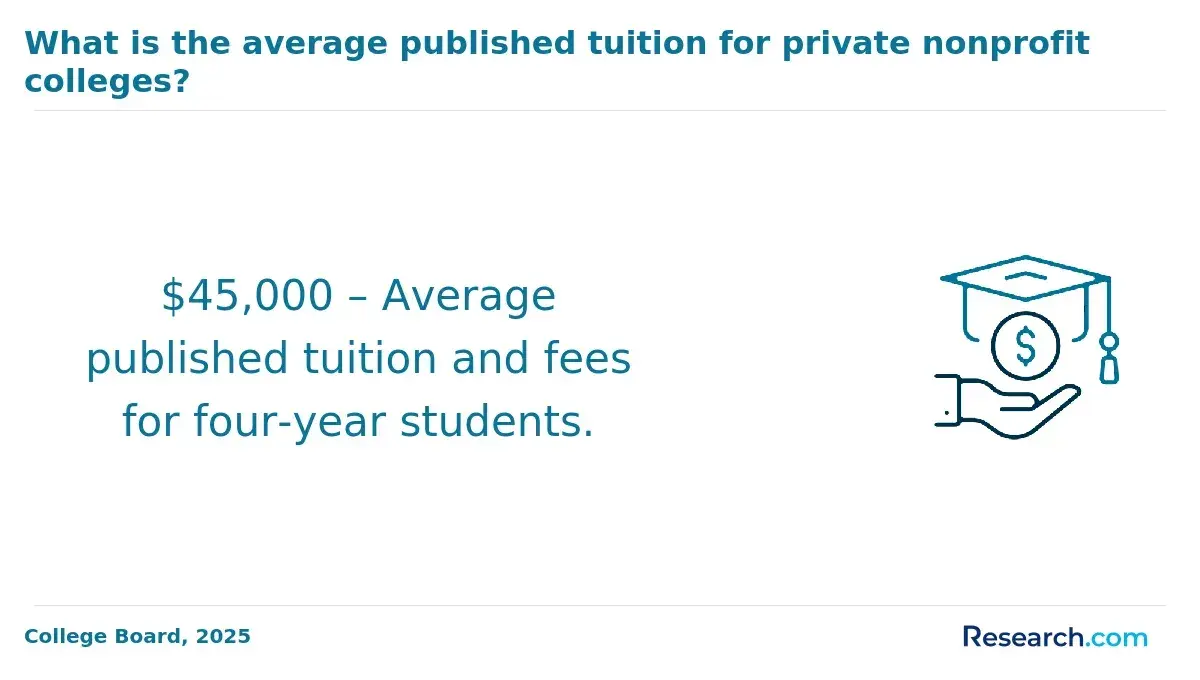
For instance, the average in-state cost of attendance at public four-year colleges was roughly $29,000 in recent years, according to the College Board. Federal loan amounts are capped to reflect these complete costs a student may face.
Applicants must meet specific requirements including:
- Having a valid Social Security number
- Completing the Free Application for Federal Student Aid (FAFSA) annually
- No default on prior federal student loans or grants
- Selective Service registration for males aged 18-25
Private student loans differ by lender, usually requiring credit checks and sometimes a cosigner. They can cover more types of expenses but have varying repayment terms compared to federal loans.
Loan funds are intended for allowable education costs directly tied to enrollment, such as tuition, fees, living expenses, and school supplies. Costs like daily gas for commuting generally do not qualify unless included in an official transportation allowance within the cost of attendance.
How Do You Apply for Federal Student Loans?
Applying for federal student loans starts by completing the Free Application for Federal Student Aid (FAFSA), which collects financial and personal information to determine eligibility for programs such as Direct Subsidized and Unsubsidized Loans. This process is fully online and must be done annually to access funding for each academic year.
Steps to apply for federal student loans using FAFSA include:
- Create or log in to your Federal Student Aid (FSA) ID at studentaid.gov.
- Gather documents like your Social Security number, federal tax returns, and bank statements.
- Complete the FAFSA form with personal, financial, and school details.
- List up to ten schools to receive your FAFSA information.
- Submit the form before the deadline to qualify for all aid options.
- Review your Student Aid Report (SAR), summarizing your FAFSA info and estimated aid eligibility.
After FAFSA submission, schools prepare aid packages that may include federal student loans, which offer favorable terms and borrower protections. Students decide whether to accept the offered loan amounts.
Private loans, in contrast, usually require separate applications and credit checks. In fact, private and nonfederal loans made up about 14% of the $102.6 billion borrowed by students and parents in the 2024-25 aid cycle, often used for expenses beyond tuition, such as gas (LendingTree).
Accurate FAFSA completion maximizes access to federal loans before considering private alternatives, ensuring the best available terms and protections.
How Much Can You Borrow Each Year?
Federal student loan annual borrowing limits vary by academic level and dependency status. Dependent undergraduates may borrow up to $5,500 in their first year, including a maximum of $3,500 in subsidized loans.
This increases to $6,500 in the second year. Independent undergraduates and dependent students whose parents cannot get a PLUS loan can borrow up to $9,500 annually.
Graduate and professional students are eligible for up to $20,500 yearly in federal direct unsubsidized loans, though subsidized loans are not available at this level. Federal borrowing caps also include aggregate limits to prevent excessive debt accumulation.
Private student loans differ widely, often allowing borrowing up to the full cost of tuition and living expenses. However, approval and limits depend on creditworthiness and lender policies. These loans usually carry higher interest rates and fewer borrower protections than federal loans.
Using loans to cover non-educational recurring expenses, such as gas or everyday spending, can lead to financial strain. As reported by Education Data Initiative, 10.0% of federal loan dollars were delinquent and 1.62% of private loans were in default as of 2025 Q4. This highlights the risks of borrowing beyond educational needs.
Borrowers should carefully review their annual limits and repayment ability, prioritizing educational costs to reduce default risks and long-term financial challenges.
What Repayment Plans Lower Monthly Payments?
Income-Driven Repayment (IDR) plans adjust monthly student loan payments based on income and family size, often capping payments between 10% and 15% of discretionary income. Common options include Income-Based Repayment (IBR), Pay As You Earn (PAYE), and Revised Pay As You Earn (REPAYE). These plans help borrowers manage loan payments more affordably compared to standard plans.
IDR plans are especially useful for those balancing loan debt with living expenses such as rent, gas, and food. With average yearly loan amounts near $7,700 and multiple essential costs, these plans ensure payments stay manageable during periods of lower income.
Other repayment options include the Extended Repayment Plan, which lengthens the loan term up to 25 years to lower monthly payments but increases total interest, and Graduated Repayment Plans, which start with lower payments that increase every two years, ideal for borrowers expecting income growth.
Refinancing student loans can reduce interest rates or extend terms, thus lowering payments, but may remove federal protections. Federal deferment and forbearance allow temporary payment pauses during financial hardship, though interest generally continues accruing and raises long-term costs.
When Can Student Loans Be Forgiven or Canceled?
Student loans can be forgiven or canceled through federal programs aimed at reducing debt for eligible borrowers. Key options include Public Service Loan Forgiveness (PSLF), Teacher Loan Forgiveness, and income-driven repayment (IDR) plan cancellation after 20 or 25 years of qualifying payments.
PSLF cancels remaining balances after 120 monthly payments while working full-time for qualifying government or nonprofit employers. Teacher Loan Forgiveness can cancel up to $17,500 after five years teaching in low-income schools.
IDR plans such as PAYE and REPAYE forgive any outstanding balance after 20 or 25 years of consistent payments, but forgiven amounts are taxable as income. Borrowers must document employment and meet strict payment qualifications to avoid delays or denial of forgiveness.
Other cancellation routes include loan discharge due to permanent disability or school closure, though these require specific documentation and are less common.
Since student loans usually cannot cover everyday expenses like gas, many students rely on part-time jobs. About 42% of full-time undergraduates work an average of 20 hours per week, helping them manage daily costs without increasing debt (National Center for Education Statistics, Digest of Education Statistics & BLS).
What Happens If You Default on Student Loans?
Defaulting on student loans leads to serious financial consequences that impact your credit score, income, and future borrowing options. After missing payments for about 270 days on federal loans, the full loan balance becomes due at once, accelerating repayment and adding fees.
These consequences include:
- Major credit score damage, potentially lowering it by 160 points or more, which can prevent getting mortgages, car loans, or jobs requiring credit checks.
- Wage garnishment without court approval, where up to 15% of disposable income is automatically withheld to repay debt.
- Tax refund and Social Security benefit offsets, allowing the government to seize these funds for unpaid loans.
- Loss of eligibility for federal student aid, limiting access to new loans or grants.
- Collection fees added to the loan balance, increasing the amount owed and making repayment harder.
Rising non-tuition costs heavily contribute to total student debt. For example, the average student loan debt for the Class of 2025 is $39,550, a 117% increase since 2007, reflecting borrowing for commuting, housing, and living expenses. This growth intensifies risk of default.
Borrowers should consider income-driven repayment plans or deferment options to avoid default. Ignoring these steps harms long-term financial stability and creditworthiness, further restricting economic mobility.
Other Things You Should Know About Can Student Loans Pay for Gas
Student loan funds are primarily intended to cover education-related expenses. However, after tuition and qualified costs are paid, any remaining loan money can be used for personal expenses such as gas, rent, or food. It is important to use these funds responsibly, keeping in mind that they need to be repaid with interest.
Federal student loans have guidelines that restrict their use to education-related costs like tuition, fees, supplies, and living expenses necessary for attending school. While discretionary spending is not explicitly prohibited, funds should not be used for non-educational activities or luxury items. Misuse of loan funds can lead to complications with loan servicers or financial aid offices.
Yes, how you use your student loans can influence your future financial aid eligibility. Spending loan money on non-essential items instead of education-related costs may affect your standing with your school's financial aid office. Proper management ensures continued eligibility for aid in subsequent semesters.
In 2027, student loans are typically designated for educational expenses such as tuition, books, and housing. While technically possible to use leftover funds for gas, this practice is discouraged. It's important to prioritize educational costs and consider alternative funding sources for non-educational expenses like gasoline.