2027 Best Student Loans for Independent Students

Student Finance & Loan Expert
Independent students often face unique challenges securing student loans due to limited co-signer options and complex eligibility criteria. Balancing work, family, and education, they require finance solutions tailored to their circumstances.
Navigating high interest rates and varying repayment plans can create confusion and financial strain. Choosing the right loan impacts both academic progress and long-term financial health.
This article examines top student loan options designed specifically for independent borrowers, detailing their features, benefits, and drawbacks. It aims to equip readers with the knowledge needed to select loans that align with their financial situations and educational goals.
- What are the best student loan options for independent students and how do they work? Best options
- How do federal and private student loans compare for independent students? Federal vs private
- How can independent students qualify for student loans without a parent cosigner? Qualifying alone
- What FAFSA rules and dependency criteria matter most for independent students? FAFSA rules
- How much can independent students borrow in federal loans for college and grad school? Borrowing limits
- What interest rates and fees should independent students expect on federal and private loans? Rates and fees
- Which repayment plans work best for independent borrowers with variable or low income? Best repayment
- What loan forgiveness and cancellation programs can independent students qualify for? Forgiveness options
- When should independent borrowers consider refinancing or consolidating student loans? Refinance vs consolidate
- How can independent students avoid default and manage student loan debt after graduation? Avoiding default
What are the best student loan options for independent students and how do they work?
Independent students seeking loans should first look into federal Direct Unsubsidized Loans and Direct PLUS Loans. Direct Unsubsidized Loans have fixed interest rates and do not require demonstrating financial need, which makes them accessible for independent borrowers. These loans accumulate interest from disbursement that can be paid during school or added to the principal.
Direct PLUS Loans allow borrowing up to the full cost of attendance minus other financial aid. They often have higher interest rates and require a credit check but offer flexibility for education-related expenses like housing and supplies. Many financial experts suggest maximizing federal loan options first due to borrower protections such as income-driven repayment plans and forgiveness programs.
Private student loans are usually a secondary choice to fill funding gaps after federal aid is exhausted. Since private lenders assess creditworthiness, it can be difficult for independent students without a strong credit history or cosigner. Interest rates may be fixed or variable and tend to be higher than federal loans.
When considering private loans, students should compare rates, fees, and repayment terms carefully. Improving credit or using a cosigner may help reduce rates. Some lenders also offer deferment or forbearance options, useful for students balancing work and education.
Knowing how independent student loans work in the United States can help borrowers make informed decisions. Independent students account for a significant share of federal loan borrowers despite being less than one-third of undergraduates.
For those interested in specialized financing options, resources like student loans for dental school may provide helpful guidance tailored to professional studies.
How do federal and private student loans compare for independent students?
Federal and private student loans vary notably for independent students in eligibility, interest rates, repayment options, and protections.
Federal loans like Direct Subsidized and Unsubsidized Loans feature fixed interest rates and income-driven repayment plans that adjust monthly payments based on income and family size. Independent students can borrow up to $12,500 annually through these federal options, which is often less than private loan maximums.
The best student loan options for independent students in the United States usually start with federal loans due to their borrower protections, such as deferment, forbearance, and possible loan forgiveness programs. These benefits provide crucial flexibility during financial hardship, which private loans often do not offer.
Private loans, offered by banks or credit unions, generally require credit checks or cosigners, a challenge for many independent students without a credit history. Although private lenders may allow higher borrowing limits and flexible disbursements, their interest rates tend to be variable and higher, increasing long-term costs.
Because 69% of full-time undergraduates receiving Pell Grants were independent students, according to the National Center for Education Statistics, this underscores how crucial federal aid is for low-income students. Independent status shapes loan eligibility, often favoring federal programs for manageable debt and federal benefits.
For independent students balancing educational costs and financial independence, prioritizing federal loans before private alternatives is wise, ensuring safer terms and income-based repayment. Planning ahead, including awareness of the student loan deadline for fall semester, is essential to secure aid timely.
Choosing the right loan requires understanding these differences and weighing options carefully for a sustainable financial future.
How can independent students qualify for student loans without a parent cosigner?
Independent students can qualify for federal student loans without a parent cosigner by meeting specific eligibility requirements for student loans for independent students set by the U.S. Department of Education.
These students are not required to submit a parent's financial information when completing the Free Application for Federal Student Aid (FAFSA). To be considered independent, students must fulfill one or more conditions:
- Be 24 years or older by January 1 of the school year
- Be married at the time of application
- Be a graduate or professional student
- Have dependents receiving more than half of their support from the student
- Be an orphan, in foster care, or a ward of the court after age 13
- Be an emancipated minor or under legal guardianship as determined by a court
- Be a veteran or active duty member of the U.S. Armed Forces
For private loans, independent students typically must show creditworthiness or have a cosigner. Some lenders, however, offer private loans without requiring cosigners, often with higher interest rates or stricter terms.
It is important to shop around and compare options. Additionally, students may explore school grants for adults over 30 as alternative funding sources.
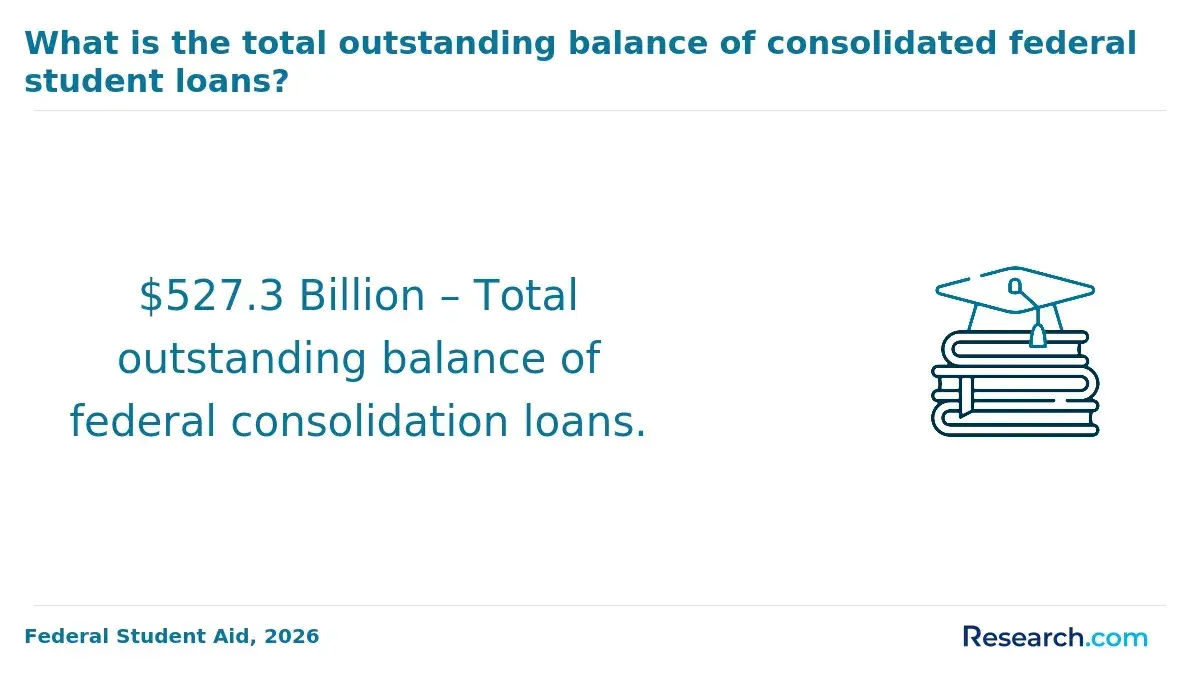
According to the National Center for Education Statistics' 2024 data, independent undergraduates borrowed a median of $18,500 in federal loans for their 2019-20 bachelor's degrees, reflecting a heavier reliance on these loans than dependent students, who borrowed a median of $15,000.
Federal loan eligibility based on independent status helps many secure funding without parental involvement, but understanding loan terms remains crucial for managing repayment successfully.
What FAFSA rules and dependency criteria matter most for independent students?
FAFSA rules establish whether a student qualifies as independent or dependent, which influences financial aid eligibility. Independent students do not need to submit parental income information, often increasing access to federal aid based on their own finances.
Key dependency rules affecting student loan applications include being 24 years or older, married, a graduate student, a veteran, having dependents, or being an orphan or ward of the court. Meeting any of these criteria automatically classifies a student as independent.
Dependency status significantly impacts Expected Family Contribution calculations on the FAFSA. Independent students' eligibility focuses solely on their income and assets, often resulting in higher aid amounts than students required to report parental financial data.
Graduate and professional students are universally considered independent, but this can lead to increased borrowing since limited federal subsidized loans are available at this level. According to the College Board's Trends in Student Aid 2024, the average Grad PLUS loan borrowing reached $29,100 per borrower, nearly matching typical graduate program costs.
To maximize aid, students should:
- Confirm their FAFSA eligibility criteria for independent students is met to prevent aid delays or loss.
- Recognize that independent status allows access to federal unsubsidized loans and Grad PLUS loans without requiring parental information.
- Anticipate potentially higher borrowing needs due to limited subsidized loan options.
Independent status also influences state and institutional aid eligibility, which often aligns with FAFSA definitions. Properly reporting dependency status helps avoid unexpected gaps in aid. Prospective nursing students can explore options for financial aid for nursing school by reviewing tailored loan resources.
How much can independent students borrow in federal loans for college and grad school?
Independent students can borrow federal loans with annual limits based on academic level. Undergraduates may borrow between $9,500 and $12,500 annually, starting at $9,500 for first-year students and rising to $12,500 by their third year or later. Graduate and professional students qualify for up to $20,500 in unsubsidized federal loans per year, although they are not eligible for subsidized loans.
Aggregate loan limits also apply: undergraduates can borrow up to $57,500 total federal loans, with a maximum of $23,000 subsidized. Graduate students may borrow up to $138,500 in combined federal loans, including undergraduate debt, with no subsidized eligibility and no cap on unsubsidized loans.
Given these constraints, students often need to plan carefully, especially for extended graduate programs where borrowing limits can be reached. To supplement federal loans, many turn to private loans. Private loan volume rose 17% from 2018-19 to 2022-23, totaling $15.9 billion.
However, 88% of undergraduate borrowers with private loans required a cosigner, reflecting credit difficulties faced by many independent students, according to the College Board's Trends in Student Aid 2024.
Independent students are advised to prioritize federal loans for their favorable terms and consider private options cautiously, fully understanding borrowing limits and associated financial risks.
What interest rates and fees should independent students expect on federal and private loans?
Federal student loan interest rates for independent students in 2026 are fixed at about 6.54% for Direct Subsidized and Unsubsidized Loans. Graduate or professional borrowers using Direct PLUS Loans face higher rates, near 7.54%. These rates are determined annually based on Treasury securities and remain constant throughout the loan's term.
Federal loans also include origination fees ranging from 1.057% to 4.228%, deducted upfront. Repayment options such as income-driven repayment (IDR) plans help borrowers manage monthly payments by adjusting amounts based on income and family size.
Around 8.1 million borrowers, nearly one-third of those repaying federal Direct Loans, use IDR plans, showcasing their widespread availability and benefits. Private student loans present a different scenario. Interest rates range widely from 4% to 14%, fixed or variable, primarily influenced by creditworthiness and lender policies.
Private loans rarely charge upfront fees but may impose late fees or prepayment penalties. Unlike federal loans, they do not offer income-driven repayment or forgiveness programs, requiring borrowers to manage fixed monthly payments carefully.
Independent students should verify eligibility for federal benefits and compare loan offers. While strong credit might unlock better rates with private lenders, federal loans provide protections such as IDR and deferment. This balance between cost and support is crucial in choosing the right student loan option.
Which repayment plans work best for independent borrowers with variable or low income?
Income-driven repayment (IDR) plans offer flexible monthly payments based on your discretionary income and family size, making them ideal for borrowers with variable or low earnings. Plans like Revised Pay As You Earn (REPAYE) and Income-Based Repayment (IBR) cap payments between 10-15% of discretionary income, often resulting in lower payments than fixed plans.
Many independent students work while studying; data from NCES's "Profile of Undergraduate Students" shows 74% held jobs during enrollment, with 42% working 35+ hours weekly. This fluctuating income can make fixed payments difficult to manage.
IDR plans provide advantages such as:
- Annual payment adjustments reflecting income changes, easing pressure during low-income periods.
- Potential forgiveness of remaining balances after 20-25 years of qualifying payments.
- Lower payment burdens for part-time or seasonal workers aligned with actual earnings.
For those expecting income growth, REPAYE counts all income regardless of family size, while IBR considers family size and may reduce payments further for those supporting dependents. Graduated repayment plans offer lower initial payments that increase over time, suitable for borrowers anticipating rising incomes.
Loan consolidation can simplify repayment but may raise total interest and reduce IDR eligibility, so review carefully. Use official loan servicer calculators and update income documentation annually to maximize benefits under IDR plans.
What loan forgiveness and cancellation programs can independent students qualify for?
Independent students may qualify for various federal student loan forgiveness and cancellation programs based on their employment, repayment plan, and individual circumstances.
The Public Service Loan Forgiveness (PSLF) program is a significant option, forgiving remaining Direct Loan balances after 120 qualifying payments while working full-time for a government or qualifying nonprofit employer. Enrollment in an income-driven repayment plan is required for PSLF eligibility.
Income-Driven Repayment (IDR) forgiveness cancels any remaining loan balance after 20 or 25 years of qualifying payments, depending on the specific plan such as Revised Pay As You Earn or Income-Based Repayment. This helps borrowers who are not in public service but need affordable payments over time.
Other targeted programs include Teacher Loan Forgiveness, which offers up to $17,500 for teaching in low-income schools for five consecutive years, and Perkins Loan cancellation for professions like teaching, nursing, and law enforcement. Additional options include closed school discharge and total and permanent disability discharge for borrowers facing extreme situations.
Some states also offer loan repayment assistance for residents in high-demand careers. Notably, students who start at public community colleges and later earn a bachelor's degree graduate with about 27% less debt than those who begin at four-year public institutions, influencing forgiveness eligibility and benefits.
To maximize benefits, independent students should confirm program eligibility, keep accurate employment records, and ensure loan types qualify for forgiveness.
When should independent borrowers consider refinancing or consolidating student loans?
Refinancing or consolidating student loans can be a smart financial move for independent borrowers when it leads to tangible savings.
Refinancing may lower your interest rate, reduce monthly payments, or shorten the repayment term. For instance, if current market rates are lower than when you took out your loans, refinancing into a single loan with a fixed, lower interest rate can save you thousands over time.
Consolidation suits those managing multiple federal loans who want a single monthly payment and easier repayment. It might also provide access to alternative income-driven repayment plans.
However, extending the loan term through consolidation can increase total interest paid, so evaluate carefully before deciding. Borrowers struggling financially, especially those who charged tuition or living expenses on credit cards, should explore refinancing options quickly.
The "National Postsecondary Student Aid Study 2020" showed about 20% of undergraduates did this, with independent students more likely affected. Lowering interest rates or gaining payment flexibility can ease the financial burden significantly.
Refinancing private loans early can improve your credit and boost cash flow. But if you have federal loans, consider the trade-offs, since refinancing privately means losing federal benefits like income-driven repayment and loan forgiveness.
How can independent students avoid default and manage student loan debt after graduation?
Independent students can manage their student loan debt effectively by using targeted repayment strategies and careful budgeting. Enrolling in income-driven repayment (IDR) plans, such as Pay As You Earn (PAYE) and Revised Pay As You Earn (REPAYE), adjusts monthly payments to a percentage of discretionary income, making loans more manageable during financial hardship or early career stages.
Prioritizing repayment of loans with the highest interest rates helps reduce overall debt faster. Making extra payments toward the principal lowers interest and shortens the repayment term. Borrowers with stable incomes and excellent credit may consider refinancing, but they should weigh risks such as losing federal loan protections.
Maintaining communication with loan servicers is crucial. Options like deferment, forbearance, or alternative repayment plans can prevent default if financial setbacks occur, as missed payments damage credit scores and borrowing ability.
Employer benefits, like student loan repayment assistance, can accelerate debt reduction. Graduates in public service or non-profit roles might qualify for Public Service Loan Forgiveness (PSLF) after 120 qualifying payments.
Financial education and counseling improve money management skills vital for long-term repayment success. According to the National Center for Education Statistics (NCES) 2024 report, 38% of bachelor's degree recipients from 2011-12 still owed loans a decade later, with a median balance of $20,000.
Combining budgeting discipline, repayment options, and strategic communication supports responsible debt management after college.
Other Things You Should Know About the Best Student Loans for Independent Students
Yes, independent students can qualify for federal student loans without a credit check. Most federal student loans, such as Direct Subsidized and Unsubsidized Loans, do not require a credit history. However, some federal loans like PLUS loans will require a credit check, and private loans usually base approval on creditworthiness.
No, independent students are not required to report parental income on the FAFSA. Dependency status is determined by specific criteria such as age, military service, or marital status, and independent students report only their own income and assets. This can increase eligibility for need-based aid compared to dependent students.
In 2027, the best private student loans for independent students offer competitive interest rates, flexible repayment options, and no origination fees. Top lenders include Sallie Mae, Ascent, and College Ave, which cater to borrowers with or without a co-signer by providing options for both scenarios.
Independent students who work full-time in qualifying public service jobs may be eligible for loan forgiveness under programs like Public Service Loan Forgiveness (PSLF). They must make 120 qualifying payments on eligible federal loans while employed by government or nonprofit organizations to receive forgiveness.