2027 Behavioral Health Program Manager vs Clinic Director vs Care Coordination Manager: Which Path Pays More?

Co-Founder and Chief Data Scientist
Choosing between behavioral health leadership roles can change your salary ceiling, degree plan, and daily responsibilities. Demand is strong: the U.S. Bureau of Labor Statistics projects medical and health services manager jobs to grow 29% from 2023 to 2033, much faster than average.
This guide is for students, clinicians, case managers, and healthcare workers comparing Behavioral Health Program Manager, Clinic Director, and Care Coordination Manager paths. You will learn which role tends to pay more, what education fits each path, and how to choose a program that supports your next move.
Key Things You Should Know
- Clinic Director usually has the highest pay ceiling because the role often controls budgets, staffing, compliance, patient access, and site-level performance; the closest BLS benchmark, medical and health services managers, had a May 2024 median wage of $117,960.
- Behavioral Health Program Manager roles often align with social and community service management; BLS reported a May 2024 median wage of $78,240 for that occupation, though pay can rise in hospitals, government agencies, and large nonprofit systems.
- Care Coordination Manager can be a strong middle-to-senior path for professionals who like patient navigation and population health, but the highest salaries usually require supervisory responsibility, payer knowledge, data reporting skills, and experience managing interdisciplinary teams.
Which role pays more: Behavioral Health Program Manager, Clinic Director, or Care Coordination Manager?
Clinic Director usually pays more, followed by Care Coordination Manager and Behavioral Health Program Manager, but the order can shift depending on employer type, clinical licensure, budget size, and whether the job is truly managerial or mainly coordination-focused.
The challenge is that these exact titles are not always tracked as separate federal occupations. The most reliable way to compare them is to map each title to the closest U.S. labor category and then interpret the numbers based on job scope. The table below shows the most useful salary benchmarks from the BLS May 2024 Occupational Employment and Wage Statistics.
| Role | Closest federal salary benchmark | May 2024 median wage | What it means for your decision |
| Clinic Director | Medical and Health Services Managers | $117,960 | Typically the strongest pay path when the director manages a clinic site, budget, compliance, hiring, productivity, and quality metrics. |
| Care Coordination Manager | Medical and Health Services Managers, when the job supervises care teams | $117,960 | Can approach director-level pay in large health systems, especially when tied to value-based care, readmission reduction, utilization management, or population health goals. |
| Behavioral Health Program Manager | Social and Community Service Managers | $78,240 | Often pays less than clinic director roles, but leadership over grants, multiple programs, or government contracts can improve earning potential. |
The salary takeaway is practical: do not compare titles alone. A "program manager" supervising three licensed teams across multiple sites may out-earn a "director" at a small outpatient clinic. Before accepting an offer or choosing a degree path, compare budget authority, number of direct reports, required license, payer mix, on-call expectations, and performance metrics.
For the best long-term compensation, target roles that combine behavioral health knowledge with operations management. Employers tend to pay more when you can improve access, reduce no-show rates, document outcomes, manage risk, and keep programs compliant with Medicaid, Medicare, commercial insurance, and state behavioral health rules.
What does a Behavioral Health Program Manager, Clinic Director, and Care Coordination Manager each do?
These three careers overlap, but they are not interchangeable. A Behavioral Health Program Manager usually manages a defined service line or grant-funded initiative. A Clinic Director runs the operational performance of a clinical site or department. A Care Coordination Manager leads teams that help patients move through complex systems of care.
The comparison below shows how responsibilities differ in daily practice. Use it to identify which work environment matches your strengths: program design, clinic operations, or patient navigation.
| Role | Main purpose | Common responsibilities | Best fit for |
| Behavioral Health Program Manager | Builds, monitors, and improves behavioral health programs. | Program planning, grant reporting, staff supervision, community partnerships, outcome tracking, policy implementation, and service quality review. | People who like program design, cross-agency collaboration, compliance, and mission-driven work. |
| Clinic Director | Runs a behavioral health clinic or department as an operating unit. | Budget oversight, hiring, scheduling, patient access, productivity, risk management, accreditation readiness, payer compliance, and leadership of clinical and administrative teams. | People who want broad authority, measurable business responsibility, and senior leadership potential. |
| Care Coordination Manager | Improves continuity of care for patients with complex behavioral, medical, and social needs. | Supervising care coordinators, case review, discharge planning, referral networks, population health reporting, patient engagement workflows, and collaboration with payers or providers. | People who enjoy systems navigation, team coaching, patient advocacy, and data-informed care improvement. |
One important distinction is clinical authority. A manager without a clinical license may supervise operations, budgets, scheduling, reporting, or nonclinical staff, but may not be allowed to provide clinical supervision or make certain treatment decisions. State law, employer policy, and payer rules decide where that line is drawn.
Technology is also changing these jobs. Behavioral health leaders increasingly work with electronic health records, telehealth workflows, automated appointment reminders, risk dashboards, and AI-assisted documentation tools. These systems can reduce administrative burden, but managers still need judgment to protect privacy, prevent bias, and make sure technology supports rather than replaces patient-centered care.
What education and degrees are required for these behavioral health management careers?
Most employers prefer at least a bachelor's degree for these roles, and many director-level jobs prefer or require a master's degree. The right degree depends on whether you want to lead clinical services, manage healthcare operations, oversee community programs, or move into executive leadership.
If your goal is operations leadership in clinics, hospitals, or integrated behavioral health systems, healthcare administration degree programs can be especially relevant because they cover finance, compliance, quality improvement, healthcare law, and organizational leadership.
The table below summarizes common education paths. Requirements vary by employer, but these patterns are useful when deciding whether to pursue a bachelor's, master's, or clinical graduate degree.
| Education path | Roles it commonly supports | Strengths | Limitations |
| Bachelor's in healthcare administration, psychology, social work, public health, human services, or business | Coordinator, supervisor, assistant program manager, entry-level program manager | Good starting point for operations, case management, and nonprofit behavioral health settings. | May not qualify for clinical supervision or higher-level director roles without graduate education or experience. |
| Master of Health Administration, Master of Public Health, MBA with healthcare focus, or MS in healthcare management | Clinic Director, Care Coordination Manager, operations manager, behavioral health administrator | Strong fit for budgeting, strategy, quality, compliance, and multi-site leadership. | May not satisfy clinical licensure requirements unless paired with a clinical degree. |
| MSW, MA/MS in counseling, marriage and family therapy, psychology, or related clinical field | Clinical program manager, clinical supervisor, behavioral health director | Important for roles requiring clinical judgment, therapy background, or supervision of licensed clinicians. | Often requires supervised hours and state licensure before full clinical leadership authority. |
| Doctoral degree in healthcare administration, public health, psychology, or behavioral health leadership | Executive director, senior administrator, system-level behavioral health leader, academic or policy leadership | Can support advanced strategy, research, policy, and executive roles. | Usually unnecessary for early management roles and should be weighed carefully against cost and time. |
A common mistake is choosing a degree based only on the job title you want. Instead, read real job postings in your state and note the recurring requirements. If most postings require an LCSW, LPC, LMFT, RN, or psychologist license, a nonclinical management degree alone may not be enough. If postings emphasize budgets, productivity, compliance, and operations, a healthcare administration or public health management path may be more efficient.
Which accredited behavioral health management programs best prepare you for these leadership roles?
The best accredited program is the one that matches your target role and meets employer, licensure, and financial requirements. "Behavioral health management" may appear under several degree names, including healthcare administration, health services management, public health, social work administration, counseling leadership, nonprofit management, and human services leadership.
Accreditation matters because it affects transfer credit, graduate admission, employer trust, and access to federal financial aid. For senior executives who already have substantial experience, a doctorate in healthcare administration may be worth comparing if the goal is system-level leadership, teaching, consulting, or policy influence rather than only a first director job.
Use the following accreditation and fit signals when comparing programs. These are not rankings; they are practical filters that help you avoid programs that look convenient but do not support your career goal.
- Confirm institutional accreditation through an accreditor recognized by the U.S. Department of Education or the Council for Higher Education Accreditation.
- For healthcare administration master's programs, look for CAHME accreditation when you want a recognized management pathway into hospitals, clinics, and health systems.
- For public health programs, CEPH accreditation is especially relevant for population health, community behavioral health, prevention, and policy roles.
- For social work programs, CSWE accreditation is critical if your path may involve social work licensure or clinical social work supervision.
- For counseling programs, CACREP accreditation can matter for licensure portability and counseling-focused behavioral health leadership.
- Ask whether the curriculum includes behavioral health finance, Medicaid or payer policy, quality improvement, ethics, human resources, and data analytics.
Red flags include vague accreditation claims, unclear practicum rules, no state licensure guidance, limited faculty experience in behavioral health, and weak career services for working adults. A program may be legitimate but still be a poor fit if it prepares general managers without enough healthcare compliance or behavioral health context.
How do online behavioral health management degrees compare to campus-based options for these careers?
Online and campus-based programs can both prepare students for behavioral health management careers. The better choice depends on your schedule, need for local networking, clinical placement requirements, learning style, and whether you are already working in healthcare.
The comparison below highlights the trade-offs that matter most for future program managers, clinic directors, and care coordination managers.
| Format | Advantages | Possible drawbacks | Best fit |
| Online | Flexible scheduling, easier to keep working, access to programs outside your immediate area, and often more asynchronous coursework. | Requires self-discipline, may offer fewer local networking opportunities, and clinical or internship placements may require extra planning. | Working adults, current case managers, supervisors, nurses, counselors, and students who need geographic flexibility. |
| Campus-based | In-person faculty access, local employer relationships, structured schedule, and easier participation in campus-based events. | Less flexible for shift workers or caregivers, commuting costs, and fewer options if you live far from a university with the right specialization. | Students who want face-to-face learning, local internships, or a traditional graduate school experience. |
| Hybrid | Combines online coursework with selected in-person sessions, labs, residencies, or networking events. | Travel requirements can be difficult if residencies are frequent or far away. | Students who want flexibility but still value periodic in-person connection. |
Online learning has become a normal pathway for healthcare management, but licensure-sensitive programs require extra caution. If you are pursuing counseling, social work, nursing, or psychology licensure, verify that the online program meets your state's education, fieldwork, and supervision requirements before enrolling.
To choose between formats, take these steps before applying. They will help you avoid selecting a convenient program that does not fit your career outcome.
- Ask whether internships, practicums, or field placements can be completed in your state and whether the school helps arrange them.
- Confirm that online students receive the same career services, faculty advising, library access, and alumni networking as campus students.
- Compare total cost, including technology fees, travel for residencies, commuting, childcare, and lost work hours.
- Review the learning format carefully: asynchronous courses are more flexible, while synchronous courses provide more real-time interaction.
- Check whether the program has behavioral health partnerships, not just general healthcare affiliations.
What skills and coursework are included in behavioral health management programs for future managers?
Behavioral health managers need more than compassion and people skills. They must understand clinical workflows, healthcare financing, privacy rules, workforce challenges, data reporting, and the operational realities of serving patients with mental health and substance use needs.
Coursework varies by degree type, but strong programs usually develop the skill areas below. These skills are especially important because behavioral health organizations are under pressure to expand access while controlling costs and documenting outcomes.
- Healthcare operations: scheduling, patient flow, access management, productivity, staffing models, and service-line performance.
- Behavioral health systems: mental health services, substance use treatment, integrated care, crisis response, trauma-informed care, and community resources.
- Finance and reimbursement: budgeting, grants, Medicaid, Medicare, commercial insurance, value-based payment, and revenue cycle basics.
- Compliance and ethics: HIPAA, informed consent, mandated reporting, risk management, documentation standards, and accreditation readiness.
- Quality improvement: outcome measurement, patient safety, process improvement, performance dashboards, and root-cause analysis.
- Leadership and workforce management: hiring, coaching, conflict resolution, burnout prevention, supervision boundaries, and change management.
- Data and technology: electronic health records, telehealth workflows, population health analytics, privacy-aware AI use, and reporting for funders or payers.
Project management is becoming more valuable in behavioral health because leaders often implement new EHR workflows, telehealth models, crisis-response programs, and payer reporting systems. If you are comparing broader operations degrees, a project manager bachelor degree can build transferable planning and execution skills, though it should be paired with healthcare or behavioral health experience for these roles.
A common mistake is assuming clinical excellence automatically translates into management readiness. Strong clinicians may still need training in budgeting, labor law, performance reviews, contracts, and data. Likewise, strong business graduates may need behavioral health context before they can lead ethically in patient-facing environments.
What are typical admission requirements for behavioral health management bachelor's and master's programs?
Admission requirements depend on degree level, school selectivity, and whether the program is clinical or administrative. Bachelor's programs usually focus on academic readiness and transfer credits, while master's programs often evaluate professional experience, purpose, prerequisite coursework, and fit with the program's mission.
The table below gives a practical overview of typical requirements. Always verify details with the school because clinical and licensure-oriented programs can be more restrictive than general management programs.
| Program level | Typical requirements | What admissions committees may look for | Decision tip |
| Bachelor's degree | High school diploma or GED, transcripts, application, possible essay, and transfer credit review for adult learners. | Academic readiness, communication skills, interest in healthcare or human services, and ability to complete general education requirements. | If you already have credits, ask for a degree audit before enrolling so you know the real time and cost to finish. |
| Master's in healthcare administration, public health, or management | Bachelor's degree, transcripts, resume, statement of purpose, recommendations, and sometimes statistics or accounting prerequisites. | Leadership potential, healthcare exposure, analytical ability, and clear career goals. | Choose this route if you want operations leadership and do not need a new clinical license. |
| Clinical master's degree | Bachelor's degree, prerequisites, personal statement, recommendations, interview, background check, and field placement readiness. | Professional maturity, ethics, interpersonal skills, service orientation, and readiness for supervised clinical practice. | Choose this route if your target jobs require licensure or clinical supervision authority. |
| Doctoral program | Graduate degree or substantial experience, resume or CV, statement of goals, recommendations, and sometimes writing samples or interviews. | Advanced leadership experience, research or policy interests, and capacity for independent work. | Consider doctoral study after clarifying whether your goal truly requires it. |
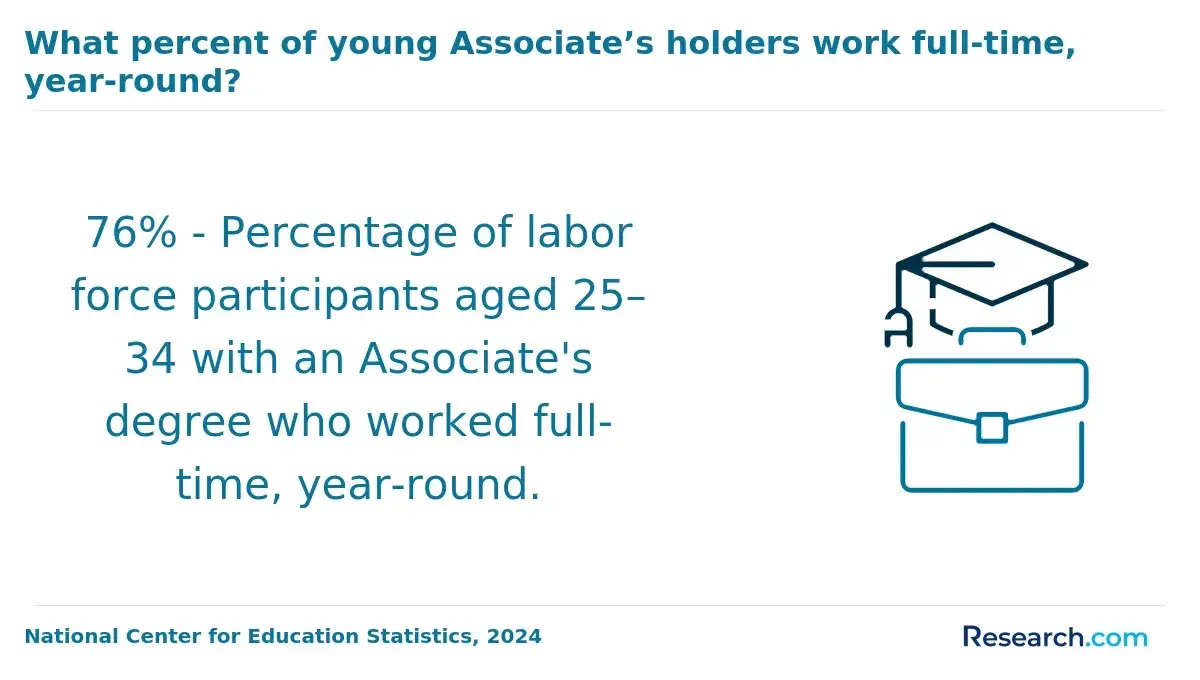
Applicants can strengthen their profile by gaining experience in behavioral health clinics, crisis programs, hospitals, community agencies, insurance care management, or nonprofit services. Even entry-level roles such as case management assistant, intake coordinator, residential supervisor, peer support worker, or administrative coordinator can help you understand the system before stepping into management.
Before applying, ask admissions advisors focused questions. These questions are more useful than relying only on brochures or rankings.
- Does the program prepare students for administrative leadership, clinical licensure, or both?
- What behavioral health employers have hired recent graduates or hosted internships?
- Are field placements available in my state and in behavioral health settings?
- How many credits can I transfer, and will transfer credits reduce tuition or only elective requirements?
- What student support is available for working adults, evening learners, or online students?
- Does the program publish completion, licensure, or career outcome information?
How long do behavioral health management degrees take and what do they cost?
Time and cost vary widely, so the smartest approach is to calculate total cost and opportunity cost, not just tuition. Published tuition can be misleading if it excludes fees, books, background checks, practicum travel, residency expenses, or the income you may give up by studying full time.
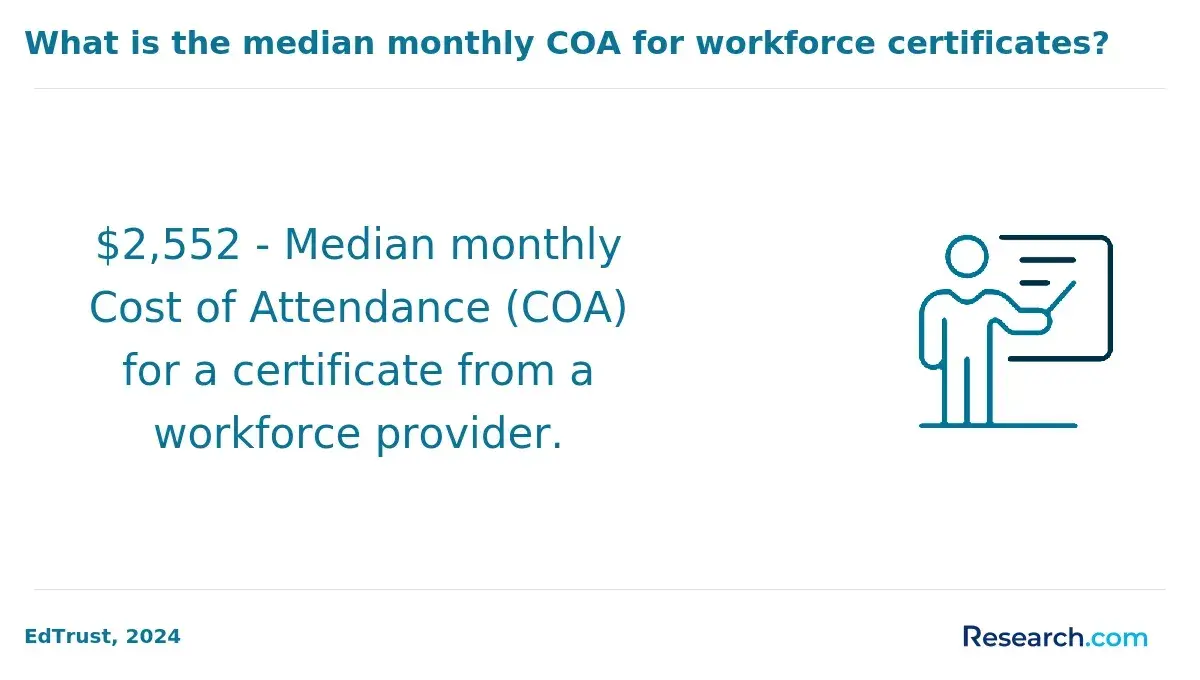
For context, the College Board's 2024 Trends in College Pricing reported average published tuition and fees of $11,610 for in-state students at public four-year institutions and $43,350 at private nonprofit four-year institutions. That does not predict what you will pay, but it shows why school type, residency status, transfer credit, and financial aid can substantially affect return on investment.
The table below summarizes typical timelines and cost factors by credential. Use it as a planning tool, then request a personalized cost estimate from each school.
| Credential | Typical completion time | Main cost drivers | Best use case |
| Certificate in healthcare management, behavioral health administration, case management, or nonprofit leadership | Several months to one year | Credit load, university fees, employer reimbursement availability, and whether credits apply to a later degree. | Good for current workers testing a management path or filling a specific skill gap. |
| Bachelor's degree | About four years for first-time students; shorter with transfer credits | Residency status, transfer credits, online fees, course load, and financial aid package. | Best for entry into supervisory roles and later graduate study. |
| Master's degree | Usually one to three years depending on full-time or part-time enrollment | Program length, practicum requirements, employer tuition assistance, and ability to keep working. | Strong fit for Clinic Director, program leadership, and care coordination management roles. |
| Doctoral degree | Often three or more years | Dissertation or capstone structure, residency requirements, research costs, and time away from work. | Best for advanced executive, academic, consulting, or policy-focused goals. |
To reduce cost without weakening your career preparation, focus on fit and credit efficiency. The cheapest program is not always the best value if it lacks behavioral health coursework, field access, licensure alignment, or employer recognition.
- Request a full cost-of-attendance estimate, not just tuition per credit.
- Ask whether employer tuition reimbursement, scholarships, assistantships, or public service loan forgiveness-eligible employment may apply.
- Choose part-time study if keeping your healthcare job preserves income and gives you experience that strengthens promotion prospects.
- Use transfer credits carefully and confirm they apply to required courses, not only electives.
- Avoid borrowing for a credential until you have compared realistic job postings and salary ranges in your target region.
What licenses or certifications apply to program managers, clinic directors, and care coordination managers?
Licensing rules are one of the biggest decision points in behavioral health leadership. Some management jobs are administrative and do not require a clinical license. Others require licensure because the manager supervises clinicians, oversees treatment quality, signs clinical documentation, or serves as the responsible professional for a program.
The table below explains common licenses and certifications that may apply. These are general U.S. patterns; requirements vary by state, employer, payer, and facility type.
| Credential type | Examples | Most relevant for | Important caution |
| Clinical social work license | LMSW, LCSW, LICSW or state equivalent | Clinical program managers, social work supervisors, behavioral health directors in therapy-oriented settings | Requires a qualifying degree, supervised hours, exams, and state approval. |
| Professional counseling license | LPC, LPCC, LMHC or state equivalent | Counseling program leaders, outpatient behavioral health supervisors, clinical directors | Education and supervision rules differ by state, especially for online and out-of-state programs. |
| Marriage and family therapy license | LMFT or state equivalent | Family therapy programs, community mental health, outpatient clinics | May not be interchangeable with counseling or social work licenses for every employer. |
| Nursing license or advanced practice nursing credential | RN, PMHNP or state equivalent | Integrated care, psychiatric services, care coordination, utilization management, and medication-related workflows | Scope of practice and supervisory authority are state-specific. |
| Healthcare management certification | Case management, healthcare quality, project management, or health administration credentials | Administrative managers, care coordination leaders, quality improvement roles | Certifications can strengthen a resume but usually do not replace required degrees or licenses. |
If you are aiming for director roles, do not assume a certification alone will unlock leadership. Certifications are most useful when they validate a specific skill, such as case management, quality improvement, project management, compliance, or healthcare leadership. They work best when combined with relevant experience and, when required, state licensure.
Before enrolling in a program or paying for a certification, take these steps. They can prevent expensive mistakes in licensure-sensitive career paths.
- Find five to ten job postings for your target role in your state and list the required degrees, licenses, and preferred certifications.
- Check your state licensing board for approved degree, practicum, exam, and supervision requirements.
- Ask the school in writing whether its program meets licensure requirements in your state.
- Confirm whether your desired role requires clinical supervision authority or only administrative leadership.
- Revisit requirements before graduation because state rules and employer expectations can change.
What is the job outlook and promotion pathway for these behavioral health management roles?
The job outlook is favorable because behavioral health demand intersects with healthcare access, substance use treatment, integrated care, population health, and workforce shortages. The BLS projects 29% growth for medical and health services managers from 2023 to 2033, which signals strong demand for leaders who can run efficient, compliant healthcare services. For behavioral health specifically, the strongest candidates usually combine management training with direct experience in mental health, substance use, case management, or clinical operations.
Promotion is usually gradual. Most people do not move directly from degree completion to clinic director unless they already have substantial healthcare experience. The path below shows a realistic progression for many professionals.
| Career stage | Common titles | What to build | Next move |
| Entry level | Behavioral health technician, intake coordinator, case management assistant, peer support worker, administrative coordinator | Patient communication, documentation, EHR use, crisis awareness, and understanding of community resources. | Move into coordinator or lead roles. |
| Early professional | Case manager, care coordinator, utilization review assistant, program coordinator, clinical support specialist | Caseload management, payer rules, referral workflows, outcome tracking, and interprofessional collaboration. | Move into supervisor or assistant manager roles. |
| First management | Team lead, supervisor, assistant program manager, care coordination supervisor | Staff coaching, scheduling, quality monitoring, performance feedback, and compliance documentation. | Move into program manager or care coordination manager roles. |
| Mid-to-senior leadership | Behavioral Health Program Manager, Care Coordination Manager, Operations Manager | Budgeting, staffing models, payer reporting, process improvement, grant or contract management, and leadership across disciplines. | Move into clinic director or director-level service line leadership. |
| Executive leadership | Clinic Director, Director of Behavioral Health, Executive Director, Vice President of Behavioral Health | Strategic planning, multi-site operations, financial performance, risk management, partnerships, and board or executive communication. | Move into system, regional, consulting, or policy leadership. |
To improve your promotion odds, document measurable results. Examples include reduced wait times, better appointment attendance, improved referral completion, stronger audit performance, higher staff retention, successful grant renewals, or improved care transition workflows. Employers value leaders who can translate mission into operational outcomes.
If you enjoy leadership but are not committed to patient care, it may be worth comparing other management fields before investing in a behavioral health credential. For example, an accelerated construction management degree leads toward a very different operations career, which can be a better fit for people who prefer project sites, budgets, and build timelines over healthcare compliance and patient services.
The biggest career mistake is chasing the highest-paying title without testing the work. Clinic directors often face staffing shortages, crisis escalation, payer audits, productivity pressure, and after-hours responsibilities. Behavioral Health Program Managers may spend significant time on grants and compliance. Care Coordination Managers may handle complex patient barriers and team burnout. The right path is the one where the responsibilities, not just the salary, match your strengths.
Other Things You Should Know About Behavioral Health Management
Yes, especially in administrative, operations, care coordination, quality, or program management roles. However, jobs involving clinical supervision or treatment authority may require a state clinical license.
Most clinic director roles in behavioral health do not require a single universal license. Many employers require an active clinical license such as LPC, LCSW, LMFT, or RN, plus 3 to 5 years of supervisory experience. State licensing boards set rules for any facility-specific director requirements.
In 2027, the average salary for a Behavioral Health Program Manager is approximately $80,000 to $90,000 annually. Clinic Directors earn around $90,000 to $110,000, while Care Coordination Managers make between $70,000 and $85,000. Salaries vary based on location, experience, and the specific organization.
Choose a certificate if you already have a degree and need a targeted skill, such as case management or healthcare quality. Choose a degree if job postings in your target area consistently require a bachelor's, master's, or clinical credential.
References
- Building a Future in Mental, Behavioral & Cognitive Healthcare https://www.lihealthcollab.org/healthy-resources/mental-health-career-guide
- How Long Does It Take to Become a Mental Health Counselor? https://www.valant.io/resources/blog/how-long-does-it-take-to-become-a-mental-health-counselor/
- Blog | 20 Best Mental Health Training Programmes for Managers in 2025 (That Actually Work) | Oli https://www.betterwitholi.com/blog/mental-health-training-for-managers-2025
- Mastering Behavioral Health: Is a Master’s Degree Right for You? https://masterspublichealth.com/masters-in-behavioral-health/
- How to Become a Care Manager - ChartSpan https://www.chartspan.com/blog/how-to-become-a-care-manager/
- Behavioral Health Workforce - Career Roadmap - Mayor's Office of Community Mental Health https://mentalhealth.cityofnewyork.us/workforce-career-roadmap
- Leadership 101: Helping Behavioral Health Managers Lead Change https://www.thenationalcouncil.org/leadership-101-helping-behavioral-health-managers-lead-change/
- Behavioral Health Care Manager Competencies for the Collaborative Care Model https://westhealthmosaic.com/articles/behavioral-health-care-manager-competencies-for-the-collaborative-care-model
- A Complete Guide to Careers in Behavioral Health Fields https://behavioralhealth.careers/blog/careers-in-behavioral-health-guide/
- Strengthening the Behavioral Health Workforce: Leadership Strategies for a System in Transition - Behavioral Health News https://behavioralhealthnews.org/strengthening-the-behavioral-health-workforce-leadership-strategies-for-a-system-in-transition/