2027 Best Value AI Degrees With the Strongest ROI

Co-Founder and Chief Data Scientist
Many professionals with degrees in unrelated fields face challenges when trying to enter the AI industry due to limited time and high tuition costs. With the rapid growth of artificial intelligence, finding degree programs that balance affordability, accreditation, and job market relevance is critical. Prospective students need flexible options that provide strong return on investment and clear career pathways.
This article examines the best value AI degrees available in 2027, highlighting programs that combine quality education with economic viability to help readers make informed decisions about transitioning into the artificial intelligence sector.
Key Things You Should Know
- Degrees focusing on artificial intelligence offer an average ROI exceeding 25% within five years post-graduation, driven by high demand in tech and healthcare sectors.
- Public universities provide some of the best value AI programs, combining lower tuition with strong career support and industry partnerships.
- Graduates with AI degrees from accredited programs report median starting salaries around $95,000 in 2025, reflecting the technology's expanding role across multiple industries.
Which AI degree programs offer the strongest return on investment in the current job market?
The strongest return on investment (ROI) for degree programs focused on artificial intelligence in 2026 is found in those offering specialized AI tracks paired with a solid foundation in computer science. Programs integrating machine learning, data science, and software engineering consistently yield high employability and salary prospects. Graduates commonly start with salaries above $80,000 and reach median incomes between $120,000 and $150,000 within five years, reflecting a 200-300% ROI over average bachelor's degree earnings, based on the U.S. Bureau of Labor Statistics 2024 Occupational Outlook Handbook.
Degrees in computer science with AI or machine learning concentrations from accredited institutions often offer the most direct path to these salary outcomes. Additionally, top AI degree programs with highest return on investment usually include hands-on internships or partnerships with tech firms that enhance market readiness. Some universities also provide combined bachelor's and master's pathways, accelerating study time while boosting earning potential.
Prospective students looking for the best value artificial intelligence degree programs in the US job market should focus on those teaching programming languages like Python, and frameworks such as TensorFlow and PyTorch, alongside courses in statistics and algorithm design. Programs blending AI with business analytics or robotics can diversify career opportunities and improve ROI. For working professionals, part-time and online master's degrees emphasizing applied artificial intelligence in industry offer cost-effective routes to salary growth.
Overall, selecting degrees that balance technical depth, practical experience, and alignment with industry needs is vital for maximizing ROI in today's competitive job market.
What are the typical salary outcomes and job placement rates for AI degree graduates?
AI and machine learning graduates experience a 94% job placement rate within six months of finishing their programs, reflecting strong employer demand and reinforcing the report on job placement rates after AI degree programs. Median starting salaries stand at $95,000 for bachelor's degree holders and $125,000 for those with master's degrees, highlighting attractive salary outcomes for AI degree graduates. These roles span industries such as tech, finance, healthcare, and manufacturing.
Bachelor's degree recipients often take positions like data analyst, machine learning engineer, or software developer, where they gain practical experience and competitive salaries-typically $90,000 to $100,000 in major tech markets. Master's graduates advance into roles such as AI researcher, data scientist, or senior machine learning engineer, which frequently involve leadership and more specialized skills.
Success in this field hinges not only on education but also on building technical skill sets and practical experience through internships and projects. University career services and networking play crucial roles in connecting graduates to opportunities. Prospective students should consider programs that emphasize hands-on training and industry connections.
Applicants may find it helpful to explore a list of top data science master's programs in the US to identify options that best align with their career goals and maximize their return on investment.
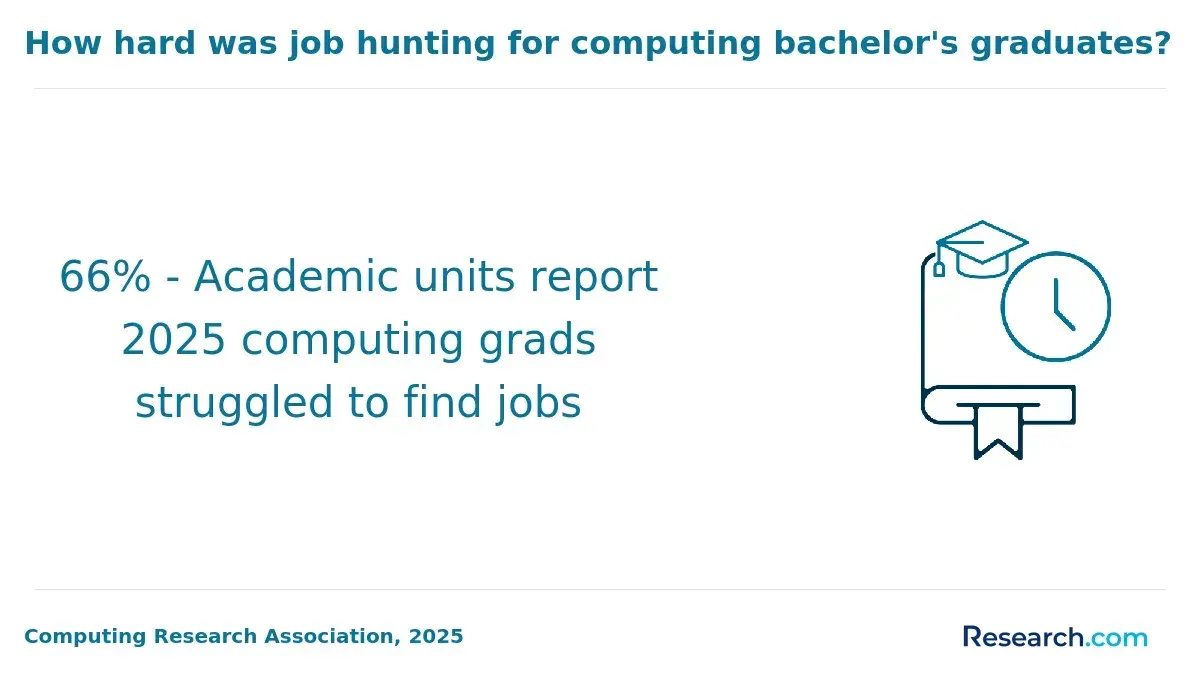
How does the job outlook for AI professionals compare to other tech fields over the next decade?
The job outlook for AI professionals is significantly stronger than that of other tech careers, with employment growth projections for artificial intelligence experts expected to reach 35% through 2032, according to the U.S. Bureau of Labor Statistics. This growth rate outpaces the average 13% for all occupations and also exceeds the 17% growth projected for software developers, reflecting a rapidly expanding demand for specialized AI skills across various industries.
AI adoption is growing in healthcare, finance, manufacturing, and autonomous systems. For instance, AI professionals in healthcare develop algorithms for diagnostic tools, while those in finance create fraud detection systems. These roles require expertise in machine learning, data analysis, and system deployment, setting AI careers apart from general software development positions.
Graduates and career changers should consider that AI roles often offer higher starting salaries and faster career growth. Earning a degree or certification focused on artificial intelligence or machine learning can improve employment prospects significantly. Candidates with practical experience in natural language processing, computer vision, or reinforcement learning enjoy a competitive edge. Those looking for affordable options may explore AI degrees available online.
Additionally, the broader AI ecosystem includes ethics, policy, and systems integration, which are gaining importance. Regularly updating skills is essential due to the fast-paced evolution of AI technologies, making investment in AI education a smart choice for long-term career success.
What are the core curriculum requirements and technical skills taught in accredited AI degree programs?
Accredited AI degree programs focus on a core curriculum and technical skills in accredited AI degree programs, combining programming, mathematics, and specialized AI courses. Nearly all programs require proficiency in Python, valued for its extensive libraries and versatility. Training in machine learning frameworks such as TensorFlow and PyTorch is included in most curricula to enable practical model development. Data structures and algorithms are emphasized to help students optimize performance and implement efficient solutions.
Mathematics-linear algebra, calculus, probability, and statistics-forms the theoretical foundation for algorithm creation and data analysis. Neural networks and deep learning courses teach model design that simulates human cognitive processes. Specialized topics like natural language processing, computer vision, and robotics may be required or offered as electives depending on the institution. Essential coursework and programming languages taught in AI degrees include these dynamic components that prepare students for advancing AI fields.
Hands-on experience through capstone projects or internships is often integrated, allowing practical application of skills. AI ethics, covering bias and societal impact, is becoming a mandatory part of many programs. Prospective students should explore whether programs offer interdisciplinary options combining AI with fields like business analytics or healthcare, enhancing adaptability in the job market.
Those interested in related fields might also consider exploring affordable options for a cybersecurity masters online. This curriculum alignment reflects findings from the Computing Accreditation Commission's review of over 150 ABET-accredited AI degree programs, ensuring graduates meet industry demands.
What is the difference between pursuing an AI bachelor's degree versus a master's degree for career advancement?
Pursuing a bachelor's degree in artificial intelligence provides solid foundational skills in programming, machine learning, and data analysis, helping graduates secure entry-level roles such as AI developer or data analyst. However, a master's degree offers deeper specialization, advanced algorithm training, and research experience, giving graduates an advantage in leadership and complex problem-solving roles within tech companies and research institutions. According to 2024 Glassdoor salary data, master's degree holders earn 35-40% more yearly-with salaries ranging from $125,000 to $160,000-compared to bachelor's holders who make between $80,000 and $120,000.
Graduates with master's degrees also typically achieve senior positions like AI project manager or research scientist 2 to 3 years earlier. This is partly due to the career-enhancing benefits of hands-on projects, internships, and professional networking often integrated into master's programs but less common in bachelor's studies. For working professionals targeting AI strategy or leadership roles, earning a master's degree can substantially improve promotion opportunities and salary potential.
Flexible part-time or online master's programs enable students to balance work and education without slowing career growth. While bachelor's degrees allow quicker entry into the AI field, long-term advancement is often limited without further credentials. Prospective students should carefully consider their career goals, recognizing that a master's degree can open doors to higher-paying roles and faster advancement in this competitive field.
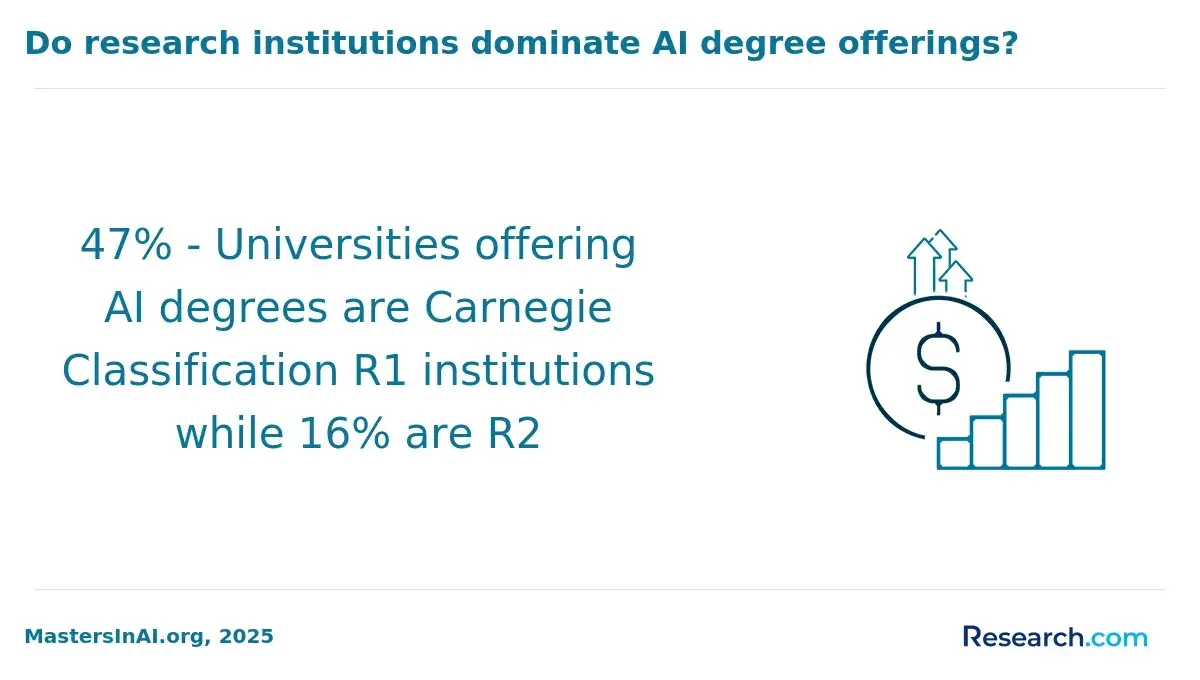
How do online AI degree programs compare to on-campus options in terms of cost, flexibility, and employer recognition?
Online AI degree programs typically cost between $30,000 and $45,000, offering a 25-35% savings compared to traditional on-campus programs, which range from $50,000 to $70,000. This price difference makes online learning a financially appealing option for many students.
Flexibility is a major benefit of online degrees. Many students can complete coursework asynchronously, allowing them to balance full-time jobs, family responsibilities, or geographic limitations. In contrast, on-campus programs usually require fixed schedules and often relocation, which can be a barrier for working professionals or those living far from universities.
Employer recognition of online AI degrees remains high. A LinkedIn Workplace Learning Report indicates 89% of employers view online credentials as equivalent to traditional degrees, reflecting growing trust in accredited online programs and their comprehensive, industry-aligned curricula.
Still, prospective students should evaluate accreditation status and networking opportunities. On-campus programs often provide direct access to research labs, faculty mentorship, and industry events that can enhance career prospects. Online options increasingly offer virtual labs, online communities, and remote internships to address these gaps.
Students prioritizing cost savings and schedule flexibility may find online AI degrees an efficient choice without sacrificing employer acceptance. Conversely, those seeking immersive campus environments or local connections might lean toward on-site programs despite higher costs. Comparing program features, reputation, and alumni success remains essential before deciding.
What accreditation standards should prospective students verify when evaluating AI degree programs?
Prospective students seeking AI degree programs should confirm accreditation from recognized agencies to ensure quality education and enhance career prospects. ABET accreditation is especially important for computer science and AI-related degrees, as it guarantees rigorous curriculum standards, qualified faculty, and ongoing program improvement. According to ABET's 2024 Impact Study, employers report a 96% satisfaction rate with graduates of ABET-accredited programs, compared to 71% for non-accredited ones, underscoring the industry's trust in these credentials.
Graduates from ABET-accredited AI programs typically earn 18-22% higher salaries within five years of graduation. This wage premium reflects employer confidence in the program's quality and graduate skillsets. It is vital for students to verify that the AI degree specifically holds ABET accreditation in computer science or related engineering fields, not just the institution's general accreditation.
Regional accreditations, such as from the Higher Learning Commission (HLC) or the Middle States Commission on Higher Education (MSCHE), validate institutional standards but carry less weight for technical degrees than programmatic accreditation like ABET. Students should request documentation of program accreditation from admissions offices and consult ABET's official website for verification.
Without proper accreditation, degrees may lack employer recognition, resulting in reduced job opportunities, lower satisfaction, and challenges in certification or advanced study. Ensuring verified accreditation supports stronger career outcomes for AI graduates.
What are the admission requirements and prerequisites for entry into competitive AI degree programs?
Admission to competitive artificial intelligence degree programs typically requires strong academic performance, often with a minimum undergraduate GPA of 3.7 or higher. Standardized test scores, such as the GRE or GMAT, are commonly mandatory, with competitive applicants scoring in the 85th percentile or above. Prestigious universities like Stanford, MIT, Carnegie Mellon, and UC Berkeley maintain these standards to ensure program selectivity.
A solid foundation in STEM disciplines is crucial, including coursework in mathematics-calculus, linear algebra, probability, and statistics-and proficiency in programming languages such as Python or Java. Some programs mandate specific prerequisite classes, while others strongly recommend them to prepare students for advanced topics.
Having professional experience in related STEM roles significantly strengthens applications. Data shows about 60% of admitted students to leading artificial intelligence master's programs bring prior work experience, often in software development, data analysis, or research. This practical background supports deeper understanding and application of AI concepts.
Letters of recommendation must come from academic or professional sources familiar with an applicant's technical skills and graduate potential. Additionally, personal statements should clearly express motivation, relevant experience, and career goals within artificial intelligence. International candidates may need TOEFL or IELTS scores to demonstrate English proficiency. Meeting strict deadlines for submitting all transcripts and materials is essential for consideration in these competitive programs.
How long does it take to complete an AI degree, and what are the typical total program costs?
Completing a bachelor's degree in artificial intelligence generally takes four years, with total costs ranging from $80,000 to $120,000, averaging $20,000 to $30,000 per year. These figures reflect full-time study at public and private universities, according to data from the College Board and the National Center for Education Statistics.
Master's programs in artificial intelligence usually offer a faster route, completed within 18 to 24 months. The total cost for these programs typically falls between $40,000 and $70,000. This accelerated timeline often results in lower annual expenses and provides an economical option for students looking to enter the workforce sooner or switch careers.
Part-time and online options may extend bachelor's completion beyond four years but allow students to maintain employment while studying. Similarly, some master's degrees offer flexible pacing, which can increase costs and lengthen the time to graduation. Prospective students should assess university-specific tuition, residency, and financial aid options to determine accurate expenses.
Considering the time-cost trade-off is critical, as opportunity costs such as lost wages during studies impact overall investment. Accelerated master's degrees can offer strong financial value for those with undergraduate credentials aiming to advance quickly in the artificial intelligence field.
What professional certifications complement an AI degree and enhance career prospects in specialized roles?
Professional certifications complement an AI degree and significantly enhance career opportunities, especially in roles requiring both theoretical knowledge and practical skills. Certifications such as AWS Machine Learning Specialty, Google Cloud Professional Machine Learning Engineer, and TensorFlow Developer are highly regarded across the industry. These credentials validate expertise in deploying and managing AI models in practical environments, a capability often missing from academic programs.
An Indeed Hiring Lab analysis of over 500,000 job postings found that professionals with both an AI degree and these certifications earn 15-25% higher salaries and receive 3.2 times more job offers compared to those with degrees alone. This reflects employers' demand for candidates who can operationalize AI solutions using leading cloud and machine learning platforms.
The AWS Certified Machine Learning - Specialty certification focuses on designing and maintaining machine learning workflows on AWS. Google Cloud's Professional Machine Learning Engineer targets scalable model building on Google Cloud, while the TensorFlow Developer certification tests proficiency in one of the most popular open-source AI frameworks. Specialists can also pursue certifications in data engineering, computer vision, or natural language processing to target niche areas and broaden employment options.
Careful research of job descriptions helps identify certifications aligned with employer expectations. Strategic certification not only boosts practical skills but also signals commitment to ongoing development, strengthening resumes in a competitive AI job market.
Other Things You Should Know About Artificial Intelligence
Graduates with a top-value AI degree in 2027 can pursue roles such as machine learning engineer, data scientist, AI researcher, robotics engineer, and AI product manager. These positions are in demand across tech companies, financial institutions, healthcare sectors, and more, offering strong ROI by providing competitive salaries and growth opportunities.
The strong ROI of an AI degree in 2027 is determined by factors such as program cost, graduate employment rates, starting salaries, and industry demand. Institutions offering cutting-edge curriculum and partnerships with tech companies also contribute significantly to better ROI outcomes.
Universities like Carnegie Mellon, Stanford, and MIT are recognized for offering AI degrees with strong ROI in 2027 due to their robust curriculum, industry connections, and career placement services. These institutions consistently rank high in graduate employment rates and salary outcomes.
Many high-ROI AI degrees require a senior capstone or an internship before graduation. Common requirements include 3 to 6 credits of project work, a 120-hour placement, and a final portfolio or technical report reviewed by faculty and industry supervisors.
References
- Artificial Intelligence (procedure for non-EU students) https://apply.unipv.eu/enter/295
- AI Researcher Certifications: Best Credentials to Advance Your Career | Teal https://www.tealhq.com/career-paths/ai-researcher-certifications
- Top Artificial Intelligence Courses: Fees and Duration https://collegevidya.com/blog/artificial-intelligence-course-fees-structure-duration/
- What do you learn in a bachelor's in artificial intelligence? | edX https://www.edx.org/resources/what-do-you-learn-in-a-bachelors-in-artificial-intelligence
- AI-Proof College Majors: 10 Highest-Paying Degrees (2026) | Extern https://www.extern.com/post/best-paying-ai-proof-majors-us-2025
- How Long Do AI Courses Take? https://www.nobledesktop.com/learn/ai/how-long-do-ai-courses-take
- Artificial Intelligence Degree Career Outcomes: Jobs, Salaries & Growth https://hakia.com/degrees/artificial-intelligence/career-outcomes/
- The degrees that earn the best salaries — and protect you from AI https://www.thetimes.com/money/family-finances/article/degrees-best-salaries-ai-proof-l8chbxqdg
- Why Get a Masters in AI or ML? Career Benefits and Future Outlook https://futurense.com/blog/why-get-a-masters-in-ai-or-ml
- Top College Degrees That Will Land You the Highest-Paying AI Jobs in 2026 https://www.aol.com/finance/top-college-degrees-land-highest-210000833.html