2027 Top States With the Best Job Outlook for AI Degree Graduates

Co-Founder and Chief Data Scientist
Graduates with a degree in artificial intelligence often face uncertainty when choosing where to launch their careers. Job markets vary widely across states, affecting opportunities, salaries, and career growth. Without clarity on which states offer the strongest demand for AI professionals, graduates risk moving to areas with limited prospects or slower industry expansion. This article identifies the top states in 2026 with the best job outlook for artificial intelligence degree holders, examining factors such as market size, employer presence, and emerging tech hubs. It aims to guide candidates in making informed decisions about where to pursue their careers for maximum success.
Key Things You Should Know
- California, Texas, and Massachusetts lead in AI degree job growth, offering a combined 35% increase in AI-related roles projected through 2028, supported by extensive tech hubs and research institutions.
- Median salaries for AI graduates in these states exceed the national average by 20%, with California reaching over $120,000 annually, reflecting high demand and industry investment.
- States with emerging AI sectors, such as Colorado and North Carolina, show rapid job outlook improvements, emphasizing opportunities beyond traditional tech centers for AI degree holders.
Which U.S. states have the strongest job market demand for AI degree graduates right now?
California, Texas, and New York dominate the U.S. job market demand for AI degree graduates in 2026, together accounting for 45% of all AI job openings nationwide. This trend highlights robust tech ecosystems and diverse industry applications concentrated in these regions, making them top states for artificial intelligence degree jobs.
California's Silicon Valley remains the global center for AI innovation, providing abundant opportunities in software development, research, and AI-driven product design. Graduates can pursue careers with leading companies like Google and Apple or with numerous startups specializing in machine learning and data science. Texas is rapidly expanding its AI market, with key investments in energy, healthcare, and finance sectors, especially in cities like Austin and Dallas. New York blends its status as a financial hub with emerging AI roles in marketing, media, and law, creating varied paths for AI professionals.
Other regions such as Washington and Massachusetts also offer competitive AI job openings, particularly in cloud computing and biotech industries. When exploring the best U.S. regions hiring AI graduates, candidates should consider cost of living, local internship programs, and strong university-industry partnerships, which can significantly enhance job placement opportunities.
Staying informed about regional hiring trends and aligning your specialization with industry demands is crucial. For an expanded view on career options, explore this AI career path, which provides valuable insights for AI degree holders planning their next steps.
What is the average salary range for AI professionals in high-demand states compared to the national average?
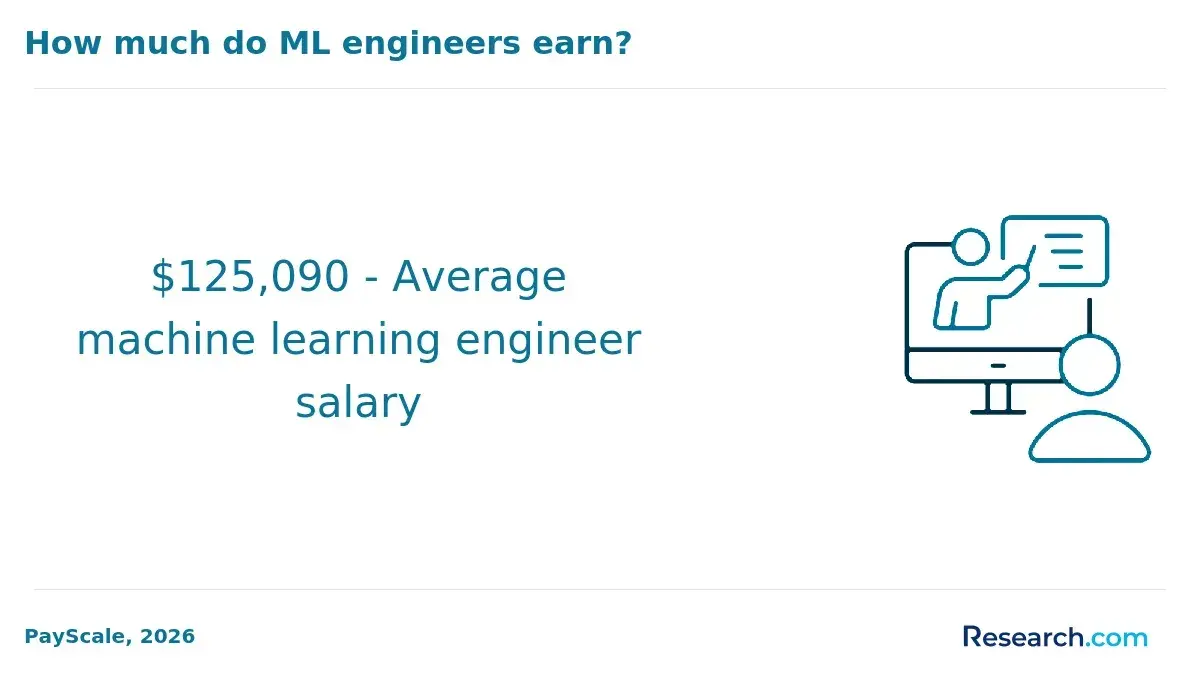
AI professionals in states with high demand generally earn more than the national average, which stands at $120,000 per year according to Glassdoor's 2024 Salary Report. Massachusetts leads with an average salary of $165,000, marking a 38% increase compared to the national figure. Other top states like California, Washington, and New York offer salaries typically ranging from $140,000 to $160,000 annually, driven by a large concentration of tech companies and research institutions.
In emerging AI job markets such as Texas and Georgia, salaries tend to be closer to the national average, often between $110,000 and $130,000. However, these regions may provide faster career growth as their AI industries develop. Understanding the average salary range for AI professionals in top US states can help prospective graduates make informed decisions about where to launch or advance their careers.
Graduates comparing ai degree graduate salary comparison by state should also consider taxation, living costs, and job prospects. Balancing these factors is essential for maximizing both earnings and quality of life. For those exploring education options, consulting detailed sources like data science degrees rankings can provide valuable insight into affordable programs aligned with career goals.
Which states offer the best combination of job growth, employer concentration, and career advancement opportunities for AI specialists?
Washington, California, and Massachusetts stand out as the best states for ai job growth and career advancement, with Washington leading the pack through a remarkable 62% year-over-year increase in AI job postings. This surge is largely fueled by major global companies such as Microsoft and Amazon, offering roles from machine learning engineers to AI research scientists. The growing industry here supports one of the fastest career advancement opportunities in the field.
California's Silicon Valley remains a key hub with a top states with high employer concentration in ai fields, hosting startups and established firms that specialize in AI applications in sectors like autonomous vehicles, healthcare AI, and computer vision. The network here provides graduates with robust opportunities for mentorship and leadership growth.
Massachusetts benefits from its strong link between academia and industry, anchored by MIT and Harvard, fostering applied AI research in robotics and natural language processing. Emerging markets such as Texas and New York also show increasing employer demand, suitable for graduates interested in less saturated but rapidly expanding job markets.
Graduates should assess local job concentrations, growth potential, and industry diversity alongside networking environments and company culture to maximize career prospects. Exploring possibilities through online engineering degrees can further enhance readiness for these dynamic markets.
What educational credentials and degree levels do employers in top AI markets require or prefer?
Employers in top states requiring AI degree credentials overwhelmingly favor advanced educational backgrounds, with 76% of job postings specifying a master's degree or higher, up from 68% in previous years according to Indeed's Hiring Lab. This reflects a strong emphasis on graduate-level expertise in artificial intelligence roles, where master's programs focus on applied machine learning, deep learning, natural language processing, and AI ethics, equipping candidates with both theoretical insights and practical skills.
Preferred degree levels for AI jobs in leading US states often include a master's degree as the minimum qualification for data scientist and AI research engineer positions. Doctoral degrees are highly regarded for research-intensive roles or development of novel AI algorithms, benefiting those pursuing careers in innovation and academia. For many industry roles, a master's in computer science with AI specialization is sufficient, while top research labs and AI startups may prioritize PhD holders.
Bachelor's degrees remain relevant if combined with significant hands-on projects, professional training, or certifications in AI-related frameworks such as TensorFlow or PyTorch. Certifications in cloud AI services or data engineering can also improve chances for candidates without advanced degrees. Practical experience gained through internships or portfolio projects continues to be essential alongside formal education, fulfilling employer demands for real-world application.
Students and professionals seeking to excel in AI fields should consider supplementing their education with recognized credentials. Resources covering broader technology areas, such as cyber security degrees, may provide additional pathways to strengthen technical expertise and adaptability in the evolving job market.
How do online AI degree programs compare to campus-based programs in terms of job placement and employer recognition?
Online artificial intelligence degree programs show strong employment outcomes, with 91% of graduates securing jobs within six months, compared to 94% for campus-based programs, based on data from the National Association for College Admission Counseling. This indicates that employer recognition of online credentials is nearly on par with traditional degrees, particularly when programs are accredited and maintain rigorous curriculum standards.
Many employers value practical experience alongside education. Graduates from reputable online programs, such as Georgia Tech's Online Master of Science in Computer Science, report similar employer brand recognition to their on-campus peers. However, in competitive tech hubs, some employers might favor campus graduates for their stronger networking and internship experiences.
To enhance employability, online students should seek remote internships, participate in research, and build a portfolio of projects. Employers prioritize technical skills, problem-solving abilities, and portfolio quality over the program's delivery method. Programs with live sessions, capstone projects, and career services offer support comparable to campus resources, helping to bridge any gaps in experience.
Prospective students should confirm accreditation and job placement support before enrolling. While differences in networking and hands-on labs exist, advanced virtual platforms are narrowing these gaps, making online artificial intelligence degrees a flexible option without significant sacrifice in employment prospects.
What are the typical admission requirements and prerequisites for accredited AI bachelor's and master's degree programs?
Admission to accredited artificial intelligence bachelor's and master's programs requires a solid academic background and relevant prerequisites. For bachelor's degrees, applicants usually need a high school diploma or equivalent with a minimum GPA near 3.0. Key preparatory courses often include mathematics like calculus and linear algebra, along with basic computer science and programming. Some universities may still consider SAT or ACT scores, but standardized testing requirements vary.
Master's applicants generally must hold a bachelor's degree in computer science, engineering, mathematics, or related fields, maintaining a competitive GPA around 3.0 or higher. Proficiency in programming languages such as Python and a strong foundation in algorithms, data structures, and probability are increasingly expected. While some programs ask for GRE scores, this is becoming less common.
Additional application materials typically include letters of recommendation, a statement of purpose outlining research interests or career goals in artificial intelligence, and a resume showcasing relevant work or research experience. Candidates with prior experience in machine learning, data analysis, or software development often receive preference, especially in research-focused programs.
According to the Computing Research Association, around 65% of top accredited artificial intelligence programs require demonstrable math competency and programming skills. Prospective students unsure about their readiness might improve admission chances through bridging courses or certificates in these core areas.
Which professional certifications complement an AI degree and improve job prospects in the highest-demand states?
Professional certifications that complement an Artificial Intelligence degree significantly boost job prospects in high-demand states. Cloud platform certifications like AWS Certified Solutions Architect, Google Cloud Professional Data Engineer, and Microsoft Azure AI Engineer lead to 34% higher salary offers compared to degree holders without these certifications, according to the Cloud Native Computing Foundation's 2024 survey. This demonstrates the premium employers place on combined cloud and AI expertise.
Data science credentials such as Certified Analytics Professional (CAP) and SAS Certified Data Scientist enhance skills in data manipulation and model deployment, which are highly sought after in states like California, Texas, and Washington. Cybersecurity certifications like Certified Information Systems Security Professional (CISSP) also increase employability by mitigating risks associated with AI system vulnerabilities.
Regions with emerging tech hubs prioritize candidates proficient in AI model lifecycle management, cloud infrastructure, and security protocols. For example, AI professionals with AWS or Azure certifications are well positioned to design and deploy scalable AI applications, meeting demands in New York and Massachusetts.
Graduates should pursue certifications aligned with the leading platforms in their target states. Those aiming for autonomous systems roles benefit from specialized AI framework or edge computing credentials. Maintaining an edge requires continual certification renewals and practical project experience in these rapidly evolving markets.
How long does it take to complete an AI degree program, and what is the total cost across different program types?
Completion times for an AI degree depend on the level of study and institution. Associate degrees usually take about two years, while bachelor's degrees require around four years. Graduate programs, such as master's degrees, add one to two years beyond undergraduate study. Doctoral programs focus on research and can take three to six years. These durations affect costs, debt, and opportunity costs, which are key when considering return on investment (ROI).
Tuition costs vary widely. Public in-state bachelor's programs average about $10,500 annually, while private institutions can charge over $38,000 per year. This means a bachelor's degree in AI typically costs between $42,000 and $152,000 in total. Graduate degrees can range from $20,000 to $80,000. Associate degrees at community colleges offer a more affordable path, generally costing $6,000 to $15,000 total, with shorter completion times.
Online AI programs can lower expenses by reducing tuition and eliminating housing costs but require evaluating transferability and reputation carefully. According to the Bureau of Labor Statistics, bachelor's and master's degree holders in the field typically see significant salary growth over time, which often offsets initial costs.
Financial aid, scholarships, and employer tuition reimbursement programs are widely available, helping reduce net expenses. Prospective students should assess total program length, cumulative costs, and expected salary increases to make informed decisions aligned with their career goals.
What specific job titles and roles are most available for AI graduates in emerging tech hubs and established markets?
Machine learning engineer roles lead the entry-level ai job market, making up 38% of openings reported in Stack Overflow's 2024 Developer Survey. These positions involve designing and deploying algorithms that enable machines to learn autonomously. Emerging tech hubs like Austin, TX, and established markets such as San Francisco, CA, offer many opportunities in this field, where graduates develop scalable machine learning models for industries like healthcare and finance.
AI research scientists follow, representing 22% of entry-level openings. Their work centers on creating new algorithms and advancing theoretical frameworks, with strong research positions concentrated in cities with robust academic institutions, including Boston, MA, and Seattle, WA.
Data scientists, who analyze large datasets using AI techniques, are prevalent in marketing and logistics sectors in Chicago, IL, and New York, NY. AI software developers integrate AI models into applications, supporting industries such as gaming and automation in Seattle and Los Angeles. Proficiency in Python, TensorFlow, or PyTorch is crucial across these roles.
Targeting job titles like machine learning engineer, ai research scientist, data scientist, or ai software developer and applying within top ai hubs can enhance job prospects and career growth for graduates.
How should prospective students evaluate AI programs based on accreditation, faculty expertise, and regional employer partnerships?
Accreditation is vital when choosing ai programs, with ABET or similarly recognized bodies providing assurance that curricula align with industry standards and equip graduates with key technical skills. Equally important is faculty expertise; applicants should examine faculty profiles for advanced degrees, relevant research, and active roles in fields such as machine learning, natural language processing, or robotics. Programs led by faculty involved in real-world ai projects often offer enhanced learning and innovation opportunities.
Regional employer partnerships significantly influence career outcomes. Programs with strong local or regional collaborations see 47% higher internship placements and 29% higher full-time job placements within three months after graduation, according to 2024 ABET data. Such partnerships facilitate practical experience through internships, cooperative education, and networking. For instance, ai programs near tech hubs frequently engage with startups or major corporations, creating tailored recruitment pipelines that improve employability.
Prospective students should ask how deep and varied these employer relationships are-do they extend beyond job fairs to curriculum development and joint research? Some programs incorporate industry projects or mentorships within coursework. Location also matters: a robust regional ai job market enhances placement success.
Balancing accreditation status, faculty credentials, and employer partnerships with proven placement outcomes helps students find ai programs that provide rigorous academics alongside clear career pathways.
Other Things You Should Know About Artificial Intelligence
California offers the most opportunities for AI graduates specializing in healthcare applications in 2027 due to its strong presence of healthcare technology companies such as Cerner and GE Healthcare, alongside renowned research institutions like Stanford and UCLA.
Key programming languages for AI professionals include Python, R, Java, and C++. Python is the most popular due to its extensive libraries and ease of use, especially for machine learning and data analysis. Knowledge of these languages is often required or highly preferred by employers in AI-related fields.
Internships and co-op experiences are highly valuable for AI degree students because they provide practical skills and exposure to real-world AI projects. Employers often look for candidates with hands-on experience, as it demonstrates the ability to apply theoretical knowledge effectively. Such experiences also enhance networking opportunities within the industry.
AI graduates must understand the ethical implications related to bias in algorithms, data privacy, transparency, and accountability. Developing responsible AI systems requires awareness of potential societal impacts and adherence to guidelines that promote fairness and prevent misuse. Ethics remains a critical focus area throughout an AI professional's career.
California offers the highest average salary for AI degree graduates in 2027, thanks to its bustling tech industry and presence of leading companies like Google and Apple. Graduates often excel in specialized fields such as AI in healthcare master’s degree programs.
References
- Top AI Certifications for 2026: A Guide to Advancing Your Tech Career | DataCamp https://www.datacamp.com/blog/top-ai-certifications
- How Long Does It Take to Learn AI? - MMC Learning https://mmclearning.com/ai-course/how-long-does-it-take-to-learn-ai/
- Here are some of the newest jobs sparked by AI - The Washington Post https://www.washingtonpost.com/business/2025/10/29/ai-new-jobs/
- America’s 10 Best States for Getting a Job in the AI Boom | CNBC https://www.mhtc.org/2024/07/12/10-best-states-ai-boom-cnbc/
- Best AI Certifications to Boost Your Career in 2026 – Dataquest https://www.dataquest.io/blog/best-ai-certifications/
- Where AI Jobs Are Thriving: Top U.S. States for Talent and Hiring https://ocinsights.ai/where-ai-jobs-are-thriving-top-u-s-states-for-talent-and-hiring/
- AI Job Market 2025: Trends and Opportunities Across the US https://www.dice.com/career-advice/artificial-intelligence-a-i-job-market-small-but-growing-in-many-states
- The Surprising States Hiring the Most AI Workers Right Now—and What You Need to Get Hired https://www.investopedia.com/the-surprising-states-hiring-the-most-ai-workers-right-now-and-what-you-need-to-get-hired-11844229
- Artificial Intelligence (AI) https://ai-master.org/requirements
- The Rise of AI Roles: Top In-Demand Job Titles and What They Mean for Hiring Managers and Candidates - Mass Tech Leadership Council https://www.mtlc.co/the-rise-of-ai-roles-top-in-demand-job-titles-and-what-they-mean-for-hiring-managers-and-candidates/