2027 What Employers Want From AI Degree Graduates

Co-Founder and Chief Data Scientist
Many employers struggle to find graduates with AI degrees who possess both theoretical knowledge and practical skills tailored to real-world challenges. Candidates often lack experience in applying AI tools within business contexts, limiting their immediate value to organizations. This gap creates frustrations in hiring processes and slows innovation. Understanding what employers expect from AI degree holders is crucial for prospective students and professionals transitioning from unrelated fields. This article explores the key competencies, technical proficiencies, and adaptable traits that employers prioritize in 2027, helping readers align their educational choices with workforce demands.
Key Things You Should Know
- Employers prioritize graduates skilled in practical AI applications, including machine learning frameworks and data analysis, with 68% valuing hands-on project experience for immediate workplace impact.
- Strong interdisciplinary knowledge-combining AI expertise with ethics, cybersecurity, or domain-specific fields-is increasingly sought to address complex real-world challenges by 2027.
- Communication and teamwork skills remain essential, with 54% of employers expecting AI graduates to effectively collaborate across diverse teams and explain technical concepts clearly to non-experts.
What core technical and soft skills do employers prioritize when hiring AI degree graduates?
Employers prioritize a combination of core technical skills for AI degree graduates in the US job market, focusing on proficiency in prompt engineering and generative AI technologies. LinkedIn's 2024 Jobs Report notes a 74% year-over-year rise in demand for these skills, highlighting their importance in AI-driven projects. Graduates must also master natural language processing, machine learning frameworks like TensorFlow or PyTorch, and data engineering to optimize AI model training and deployment effectively.
Beyond technical expertise, critical soft skills employers seek in AI professionals include strong communication and collaboration abilities. AI development often involves interdisciplinary teams, requiring clear articulation of complex concepts to non-technical stakeholders and agile teamwork. Successfully integrating feedback and adapting to evolving project needs are essential aspects.
Problem-solving grounded in ethical judgment is equally vital. Graduates need to identify and mitigate biases in data sets and ensure transparency in AI algorithms. Hands-on experience through internships or projects that demonstrate accountability and innovative thinking significantly enhances employability.
Adaptability to emerging tools and a continuous learning mindset also distinguish top candidates. Staying current with industry trends and advancing skills in areas such as reinforcement learning or multimodal models provides a competitive edge in this dynamic field.
For those exploring artificial intelligence career paths, combining advanced technical skills with strong communication and ethical awareness prepares graduates to meet demanding roles effectively.
What is the current job market demand for AI professionals, and which industries are hiring the most?
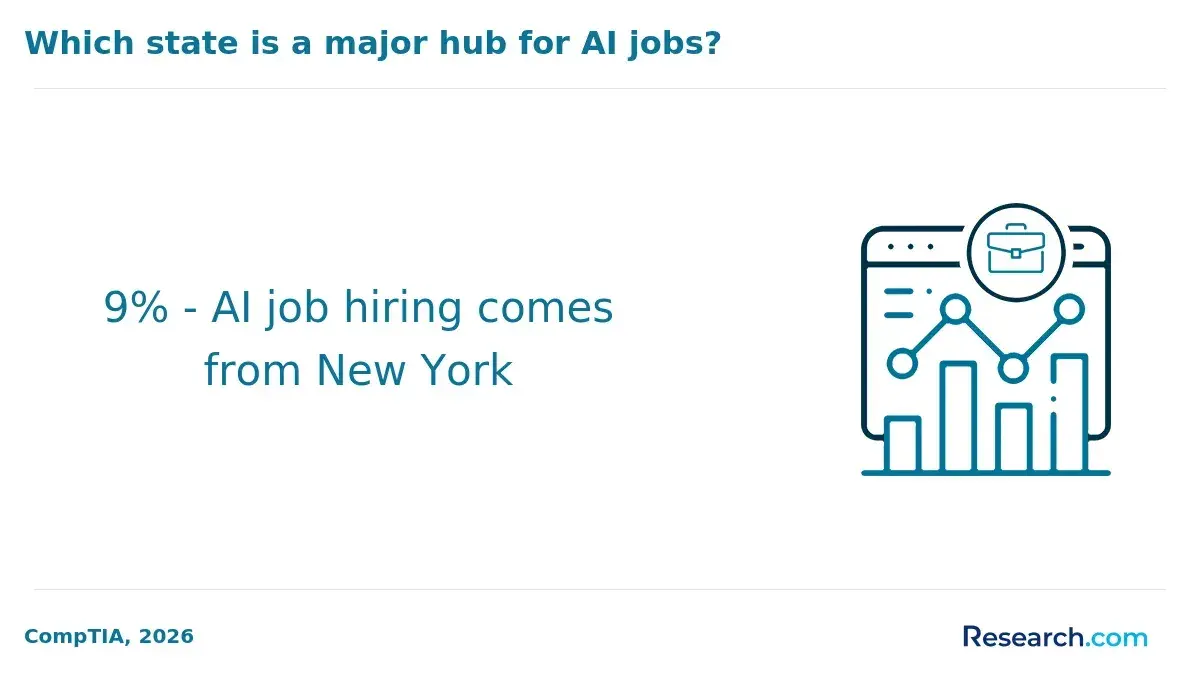
The job market demand for artificial intelligence professionals is projected to grow 15% between 2023 and 2033, driven by technology companies that prioritize AI roles in machine learning, natural language processing, and computer vision. This strong growth rate surpasses the average for all occupations.
Top industries hiring artificial intelligence graduates include finance, where AI improves fraud detection, algorithmic trading, and risk management. Healthcare also leads in integrating AI for medical imaging, personalized treatments, and drug discovery, valuing candidates with technical skills and healthcare knowledge.
Manufacturing increasingly employs AI-driven automation and predictive maintenance, requiring expertise in AI model deployment and IoT integration. Retail and e-commerce sectors use AI for recommendation engines and demand forecasting to enhance customer experience.
Graduates aiming at roles such as AI research scientist, machine learning engineer, data scientist, or AI ethics specialist improve their prospects by mastering in-demand AI frameworks and languages and gaining practical experience through internships and projects within targeted industries. Those exploring related fields may also consider mechanical engineering degrees online to complement their AI expertise and broaden career opportunities, as detailed by mechanical engineering degrees online.
What salary ranges can AI degree graduates expect across different experience levels and job roles?
AI degree graduates can expect typical salary ranges for AI job roles to vary significantly based on experience and job function. Entry-level AI engineers generally earn around $105,000 annually, common for recent graduates working as AI developers or machine learning engineers at startups or mid-sized companies.
With three to five years' experience, mid-level professionals see salaries rise to about $145,000, often filling roles like AI research scientists, data scientists specializing in AI models, or project leads. This increase reflects greater expertise in algorithm design, model deployment, and working across teams.
Senior AI specialists, including lead engineers, architects, and managers, earn $180,000 or more, with some positions in major tech hubs surpassing $220,000. Roles focusing on AI ethics, strategy, or lab direction command premium pay. Salary ranges also differ by industry, with healthcare and finance typically paying higher wages due to complexity and regulation.
Graduates should note that negotiating pay using concrete skills in AI tools, programming, and project impact can influence these salary brackets. Continuous upskilling and certifications accelerate career progression. Prospective students interested in affordable pathways can explore AI degree programs offering flexible options.
The reported AI degree graduate salary by experience level highlights the financial benefits of progressing through AI specialties and industries known for advanced innovation and regulation.
What are the key differences between bachelor's, master's, and certificate programs in artificial intelligence?
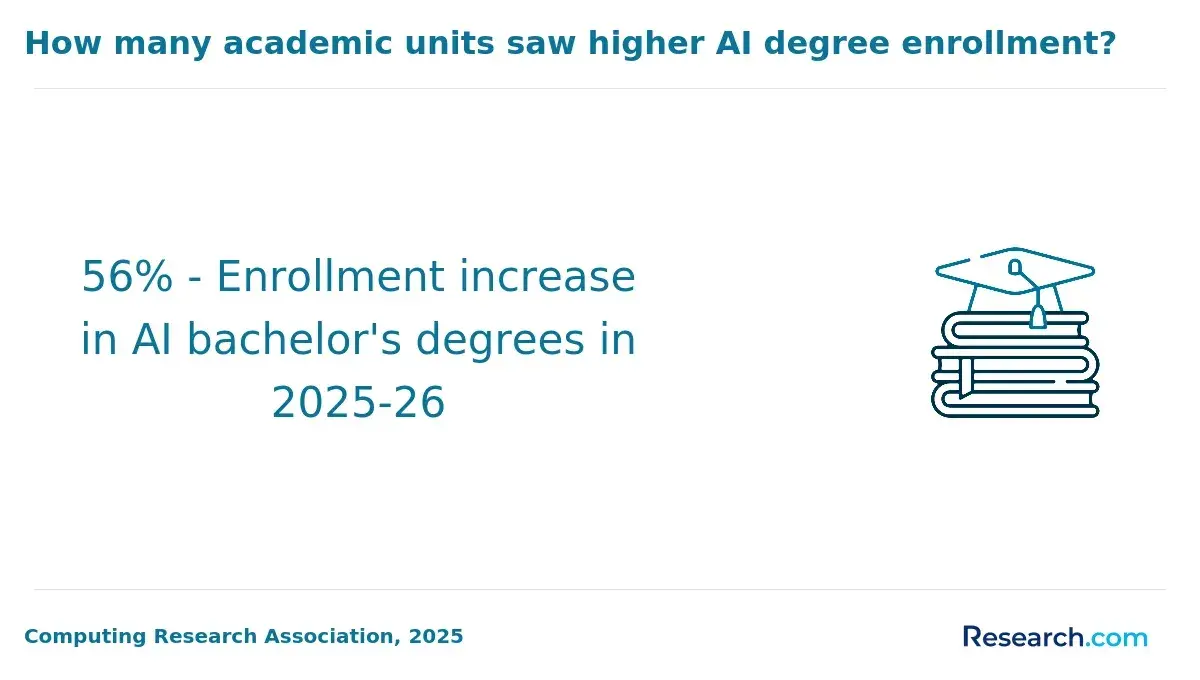
Bachelor's, master's, and certificate programs in artificial intelligence vary in depth, duration, cost, and career opportunities. Bachelor's degrees usually take four years, offering a broad foundation in computer science and AI principles. They cover essential topics such as algorithms, machine learning, and data structures, with some scope for specialization. Graduates are prepared for entry-level roles in AI development, data analysis, or software engineering.
Master's programs are more rigorous, typically lasting one to two years and focusing on advanced AI theories, research, and specialized fields like natural language processing or computer vision. These programs include hands-on projects, internships, or thesis work. According to the National Center for Education Statistics, master's degree holders in computer science earn about 30% more over their lifetime than those with bachelor's degrees, reflecting higher skills and expertise. The difference between bachelor's vs master's programs in artificial intelligence often relates to this advanced focus and increased earning potential.
Artificial intelligence certificate programs overview shows they provide targeted, short-term training in specific skills like deep learning frameworks or AI ethics. Certificates cost significantly less-about 60-70% compared to full degrees-but do not offer the broad knowledge or formal recognition of a degree. These programs are ideal for professionals seeking to quickly upskill or shift roles within tech without a long-term commitment.
Choosing the right AI education depends on career goals, budget, and prior experience. Bachelor's degrees suit recent high school graduates aiming for foundational jobs, while master's degrees are suited for those targeting leadership or research positions. Certificates benefit working professionals wanting specialized expertise. For those exploring affordable options, resources like cyber security schools online highlight flexible paths in tech education.
How do online AI degree programs compare to campus-based options in terms of curriculum quality and employer recognition?
Online AI degree programs have evolved to closely mirror campus-based offerings in both curriculum and employer recognition. A recent survey by Coursera found that 74% of employers view online AI degrees from accredited institutions as equally credible to traditional campus degrees. This change reflects advances in remote learning platforms, course rigor, and access to expert faculty.
The curriculum for online programs typically covers essential topics such as machine learning, neural networks, natural language processing, and ethical AI. Many institutions provide live labs, coding exercises, and interactive assignments similar to in-person classes. Students often complete capstone projects or analyze real-world datasets, which are crucial for developing practical skills. Both hybrid and fully online tracks emphasize these hands-on experiences.
Employer recognition focuses more on demonstrable skills than the mode of study. Portfolios, internships, and applied experiences matter most, with employers valuing GitHub contributions, Kaggle participation, and involvement in open-source AI projects. Certifications like TensorFlow Developer or Microsoft Certified: Azure AI Engineer also boost professional credibility across both learning formats.
Prospective students should consider how programs support practical learning and networking. While campus programs provide direct access to research labs and career fairs, online options offer virtual mentorships and collaborative platforms. Choosing accredited programs with strong experiential components ensures readiness for AI careers regardless of the delivery method.
What accreditation standards and professional certifications do employers expect from AI graduates?
Employers in 2026 seek AI degree graduates who combine accredited academic credentials with industry-recognized professional certifications. Degrees accredited by agencies recognized by the U.S. Department of Education, such as ABET for computing programs, validate a program's quality in curriculum, faculty, and outcomes-essential for foundational AI knowledge.
Beyond degrees, 68% of employers prefer candidates certified by leading technology providers, as noted in the 2024 CompTIA IT Skills Gap Report. Certifications from AWS, Google Cloud, and Microsoft Azure highlight practical skills in AI deployment, cloud computing, and scalable machine learning solutions widely adopted in industry.
Additional certifications like the Certified Artificial Intelligence Practitioner (CAIP), and certification programs from the Association for Computing Machinery (ACM) or the Institute of Electrical and Electronics Engineers (IEEE) further demonstrate expertise in AI theory, ethics, and applied techniques. These reassure employers of a candidate's readiness in current standards and responsible AI use.
Graduates without certifications often struggle to prove job-ready skills, especially in cloud environments and machine learning operations. Employers emphasize hands-on experience validated through certifications, not just academic credentials. Students should pursue certifications aligned with their career focus, such as healthcare AI or autonomous systems, alongside an accredited degree to enhance employability.
What specific coursework and technical competencies should an AI degree program include to remain competitive?
Programs focused on artificial intelligence must prioritize machine learning, appearing in 89% of AI job postings according to LinkedIn's 2024 AI Jobs Report. Students should gain solid expertise in algorithms, model evaluation, and practical applications. Python programming is essential, as it underpins most AI development environments like TensorFlow and PyTorch. Courses covering Python for data manipulation and algorithm implementation are critical for building strong technical skills.
Deep learning topics such as neural networks, convolutional networks, natural language processing, and computer vision prepare students for careers in autonomous systems and AI-driven analytics. Data analysis, including preprocessing, statistics, and visualization, helps turn raw data into actionable insights. Hands-on experiences through projects, internships, and research simulate real industry challenges, further enhancing readiness.
Additional coursework like reinforcement learning, ethical AI, and deployment on cloud platforms addresses scalability and societal impact. Programs that integrate AI with fields such as robotics or healthcare cultivate interdisciplinary adaptability. A solid understanding of AI ethics and regulatory policies equips graduates to navigate evolving legal and societal landscapes effectively.
What are the typical admission requirements and prerequisites for accredited AI degree programs?
Admission to accredited AI degree programs highly values a strong background in mathematics and programming. Most graduate programs require proficiency in calculus, linear algebra, and statistics, with demonstrated programming experience often proven through undergraduate coursework. Maintaining a GPA of at least 3.0 on a 4.0 scale is common, with top-tier programs typically preferring a GPA of 3.5 or higher for competitive master's and doctoral candidates.
Relevant degrees in computer science, engineering, mathematics, or STEM fields can strengthen an application, though equivalent skills or experience may also be considered. While some institutions still request GRE test scores, many waive this for applicants with strong academic or professional records.
Proficiency in programming languages like Python, Java, or C++ is critical. Applicants usually submit portfolios or code samples showcasing machine learning projects or data analysis work. Letters of recommendation should focus on technical skill and research potential, while personal statements must emphasize problem-solving and project experience. Although work experience in AI-related roles can support an application, it rarely replaces the core requirements in math and programming expertise.
Applicants preparing for AI degrees should focus on building solid quantitative skills, maintaining strong academic performance, and providing tangible proof of programming abilities to meet rigorous admissions standards.
How long does it take to complete an AI degree, and what are the average program costs?
Master's degrees in artificial intelligence generally take 18 to 24 months for full-time students to finish. Part-time options provide more flexibility but can extend the timeframe to three or four years, accommodating working professionals balancing education and jobs. This longer duration requires sustained commitment. According to the National Association of Student Financial Aid Administrators, total costs for these programs range between $40,000 and $60,000, covering tuition, fees, and other mandatory expenses.
Program length depends heavily on curriculum design and delivery. Accelerated tracks lasting 12 to 18 months are available, though they usually demand intensive workloads each term. Online and hybrid part-time formats let students advance at their own pace, which benefits those managing full-time employment or personal responsibilities. Undergraduate degrees focusing on artificial intelligence usually align with standard four-year computer science bachelor's programs, though costs may differ.
Financial aid, scholarships, and employer tuition reimbursement can greatly improve affordability. Selecting programs with strong industry ties can enhance the return on investment by supporting internships and job placements. Careful consideration of time and financial parameters helps prospective students align their education with career objectives.
What career advancement opportunities and specialization paths exist for AI degree holders in the current market?
Holders of an AI degree can advance into senior technical roles such as AI research scientist, machine learning architect, or AI ethics officer, which demand expertise in algorithm design, neural networks, and responsible AI deployment. Salaries for these specialized positions often exceed $200,000 annually in top U.S. tech hubs, signaling strong financial incentives for career growth in this sector.
Specialization options include machine learning engineering, focusing on scalable AI model development, and natural language processing, which deals with language-based AI systems. AI ethics and policy is another important niche that addresses concerns like bias, transparency, and legal issues related to AI. Industry-focused roles exist in healthcare, finance, and autonomous vehicles, combining domain knowledge with AI proficiency for targeted career paths.
Continuous learning through certifications in areas such as cloud AI services or data engineering is crucial to remain competitive. Leadership positions like AI project lead or chief AI officer require a blend of technical expertise and strategic decision-making skills. Prospective students and professionals should evaluate their personal interests alongside evolving market demands to identify specializations that align with their career objectives and salary goals.
Other Things You Should Know About Artificial Intelligence
In 2027, employers are primarily seeking proficiency in coding languages such as Python, R, and Java for AI degree graduates. Python, especially, remains highly regarded due to its extensive libraries for machine learning. Familiarity with these languages is crucial for meeting industry demands and facilitating effective AI solutions.
AI graduates should understand the importance of fairness, transparency, and privacy in AI systems. They must consider potential biases in data and algorithms to prevent discriminatory outcomes. Additionally, responsible AI development involves maintaining user confidentiality and complying with data protection regulations, ensuring that AI applications respect societal values and legal standards.
Teamwork is crucial in artificial intelligence projects due to the multidisciplinary nature of the work, which often involves data scientists, software engineers, domain experts, and business stakeholders. Effective collaboration enables diverse expertise to contribute, improving model accuracy and applicability. AI graduates who communicate well and cooperate with others add significant value to project outcomes.
AI graduates often face challenges such as adapting academic knowledge to real-world datasets, which may be messy or incomplete. They also need to understand the practical constraints of deploying AI models, including scalability and resource limitations. Additionally, keeping pace with rapidly evolving AI tools and integrating feedback from cross-functional teams can be demanding in early career stages.
References
- AI Certification Vs Degree: Which Is Better in 2026? - DSTI | Data Science Course in Delhi | Data Science Training in Delhi https://www.datasciencetraining.co.in/ai-certification-vs-degree-which-is-better/
- AI Course Duration: How Long Does It Take to Become AI-Ready? https://rcm.ac.in/ai-course-duration-how-long-does-it-take-to-become-ai-ready/
- AI is changing who gets hired – what skills will keep you employed? https://theconversation.com/ai-is-changing-who-gets-hired-what-skills-will-keep-you-employed-267376
- Artificial Intelligence (AI) https://ai-master.org/requirements
- AI certifications: What employers actually want in 2026 - Spiceworks https://www.spiceworks.com/it-careers/ai-certifications-what-employers-actually-want-in-2026/
- How AI Certifications Help Professionals Stay Relevant in 2026 https://101blockchains.com/ai-certifications-for-professionals/
- What AI really means for graduate jobs - The Choice by ESCP https://escp.eu/thechoice/tomorrow-choices/what-ai-really-means-for-graduate-jobs/
- 11 most in-demand AI jobs companies are hiring for https://www.cio.com/article/655291/most-in-demand-generative-ai-jobs.html
- qa.com | Top 10 Must Have AI Certifications in 2026 https://www.qa.com/browse/certifications/ai-certifications/
- What Skills Will You Gain from an Artificial Intelligence Certified Course? https://dev.to/alexa143/what-skills-will-you-gain-from-an-artificial-intelligence-certified-course-3dho