2027 How to Verify Accreditation for Artificial Intelligence Degrees

Co-Founder and Chief Data Scientist
Many prospective graduate students face uncertainty about the legitimacy of artificial intelligence degree programs amid the proliferation of online and hybrid formats. Unscrupulous institutions may offer degrees without recognized accreditation, risking both financial investment and career prospects. For professionals pivoting from unrelated fields, understanding how to verify accreditation is critical to ensure quality education and employer acceptance.
This article explains the key accreditation bodies relevant to artificial intelligence degrees and provides a step-by-step guide to confirming a program's credentials. Readers will gain clear strategies to confidently select accredited programs that advance their career goals in 2027 and beyond.
Key Things You Should Know
- Accreditation for artificial intelligence degrees in 2026 is primarily granted by regional accrediting agencies recognized by the U.S. Department of Education and CHEA, ensuring program quality and federal financial aid eligibility.
- Specialized accreditation from bodies like ABET increasingly covers AI-related engineering and computer science programs, reflecting industry standards and employer expectations.
- Prospective students should verify accreditation status through official databases; 92% of employers prefer degrees from accredited institutions for AI roles, influencing career outcomes significantly.
What accreditation bodies oversee artificial intelligence degree programs in the United States?
ABET (Accreditation Board for Engineering and Technology) is the primary accreditation body for artificial intelligence degree programs in the United States. It accredits engineering, computing, and technology programs, ensuring they meet strict quality and curriculum standards that prepare graduates for technical careers. With over 4,000 programs accredited worldwide, ABET remains the dominant accreditor for technology-focused degrees, including those specializing in artificial intelligence, as highlighted in the ABET Annual Report 2024.
Checking for ABET accreditation in computer science or related engineering fields is vital for students considering AI programs. While regional accreditors like the Higher Learning Commission or Middle States Commission on Higher Education provide institutional accreditation, they do not offer program-specific accreditation for artificial intelligence education in the U.S. This distinction is important when evaluating program quality.
ABET accreditation is especially significant for those seeking research, development, or professional licensure roles. Employers often rely on ABET accreditation as a marker of program rigor and the validity of the degree. Prospective students should verify accreditation status directly on the ABET website. Programs with ABET accreditation usually feature transparent curriculum details, experienced faculty, and industry partnerships, signaling higher educational quality.
While factors such as university rankings and employer reputation are relevant, confirming accreditation status remains a critical step in selecting a reputable AI degree program. For those researching options, reviewing resources like the AI degree can provide valuable guidance.
How can you verify that an artificial intelligence degree program is legitimately accredited?
To verify accreditation of artificial intelligence degree programs, begin by consulting the U.S. Department of Education's Database of Accredited Postsecondary Institutions and Programs (DAPIP). This official resource reliably confirms 92% of accreditation claims, making it a crucial first step. Equally important is to check legitimate accreditation for artificial intelligence degrees by ensuring the accrediting agency is recognized by the Department of Education or the Council for Higher Education Accreditation (CHEA). Beware of schools that claim accreditation from unrecognized bodies or rely solely on logos without clear proof, as about 8% of institutions misrepresent their status.
Contacting the admissions or registrar office directly can help verify accreditation status and compare it to official databases to catch discrepancies. While less common, some artificial intelligence degree programs might offer program-specific accreditation through computing or technology-focused organizations. This specialized accreditation can add further credibility to the program.
Accreditation impacts educational quality, eligibility for financial aid, and employer recognition. Prospective students should carefully assess these factors to protect their investment and career prospects in this rapidly advancing field. For those interested in affordable options, it can be useful to explore rankings such as the data science major ranking, which often include institutions offering relevant artificial intelligence pathways.
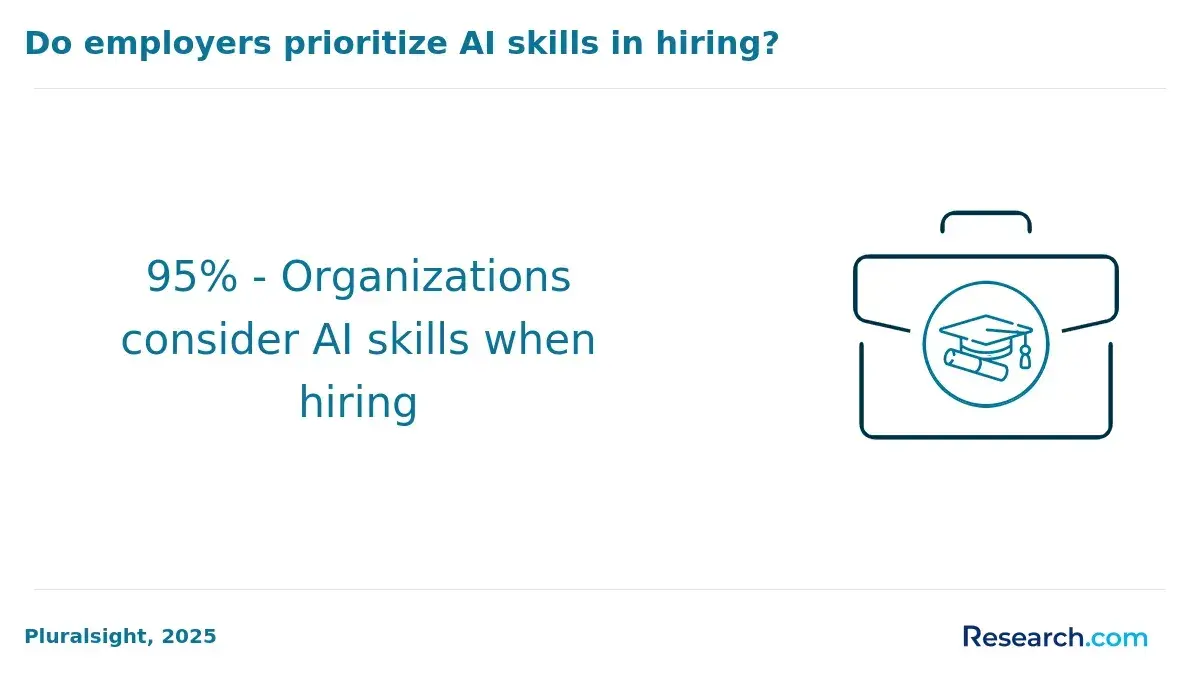
What are the key differences between regionally accredited and programmatically accredited AI programs?
Regionally accredited and programmatically accredited AI degrees differ significantly in scope and recognition. Regional accreditation applies institution-wide and ensures compliance with broad academic standards, which usually grants greater academic transferability and recognition. In fact, regionally accredited schools have a 34% higher acceptance rate for transfer credits compared to those with only programmatic accreditation, according to The Chronicle of Higher Education.
Programmatic accreditation focuses on specific AI or computing-related programs and validates that these programs meet industry or technical standards, including curriculum relevance and faculty expertise. For example, ABET accreditation guarantees alignment with industry needs, making graduates more appealing to employers. However, if the institution lacks regional accreditation, students may face limitations in credit transfer and eligibility for some financial aid.
Students researching regionally accredited vs programmatically accredited AI degrees should consider their goals carefully. Those prioritizing workforce readiness might favor programmatic accreditation, while those seeking academic flexibility should look for regional accreditation. Some institutions offer both accreditations, providing a balanced approach combining academic rigor with industry relevance.
For prospective students exploring options, it's wise to review available degrees in AI that meet both accreditation types to ensure a strong educational foundation and career flexibility.
What specialized accreditations and certifications should you look for in an AI degree program?
Programs accredited by specialized accreditation bodies for artificial intelligence degree programs like ABET or the Computing Accreditation Commission (CAC) of ABET ensure curricula aligned with industry standards in computer science, data science, and AI-specific skills. These accreditations provide quality assurance through rigorous evaluations, enhancing the value of the degree. Many programs also integrate certifications related to machine learning, data analytics, or cloud computing, often aligned with vendor credentials from Amazon Web Services (AWS), Google Cloud, and Microsoft Azure.
Industry certifications and standards for AI degree program quality assurance increasingly influence hiring. The LinkedIn Jobs Report highlights that 73% of AI job postings prefer candidates with certifications combined with formal education. Credentials such as AWS Certified Machine Learning Specialty or Microsoft Certified: Azure AI Engineer Associate indicate practical expertise in deploying and managing AI solutions, which employers highly value.
Look for programs that prepare students for specialized areas like AI ethics, natural language processing, or computer vision. Partnerships with professional organizations such as IEEE or preparatory tracks for certifications including TensorFlow Developer or Certified Artificial Intelligence Practitioner are especially beneficial. Additionally, schools that facilitate internships, capstone projects, or applied research opportunities support practical skills and certification readiness.
For those interested in related fields, consider exploring cyber security degrees as a complementary discipline to AI studies, broadening career prospects and technical competence.
How do online artificial intelligence degree programs maintain accreditation standards compared to campus-based options?
Online artificial intelligence degree programs uphold accreditation standards equal to their campus-based counterparts by meeting rigorous criteria set by recognized accrediting bodies. These agencies, including regional authorities like the Middle States Commission on Higher Education and the Higher Learning Commission, require online programs to ensure curriculum quality, faculty qualifications, and student support are on par with traditional offerings. This results in consistent learning outcomes measured by standardized exams, comprehensive capstone projects, and professional portfolio requirements that apply regardless of delivery mode.
The Online Learning Consortium has documented a 28% increase in online AI degrees, reflecting rising interest and demand. Accreditation evaluations for online programs also assess virtual lab access, synchronous engagement, and internship or research opportunities to maintain educational integrity. Many online programs implement advanced learning management systems and proctored exams to safeguard academic standards while requiring identical core coursework and credit hours as campus programs.
Prospective students should confirm accreditation through legitimate agencies and review curriculum, faculty credentials, and graduate success data. Recognized accreditation builds employer trust by demonstrating adherence to established benchmarks essential for credibility in the growing AI workforce.
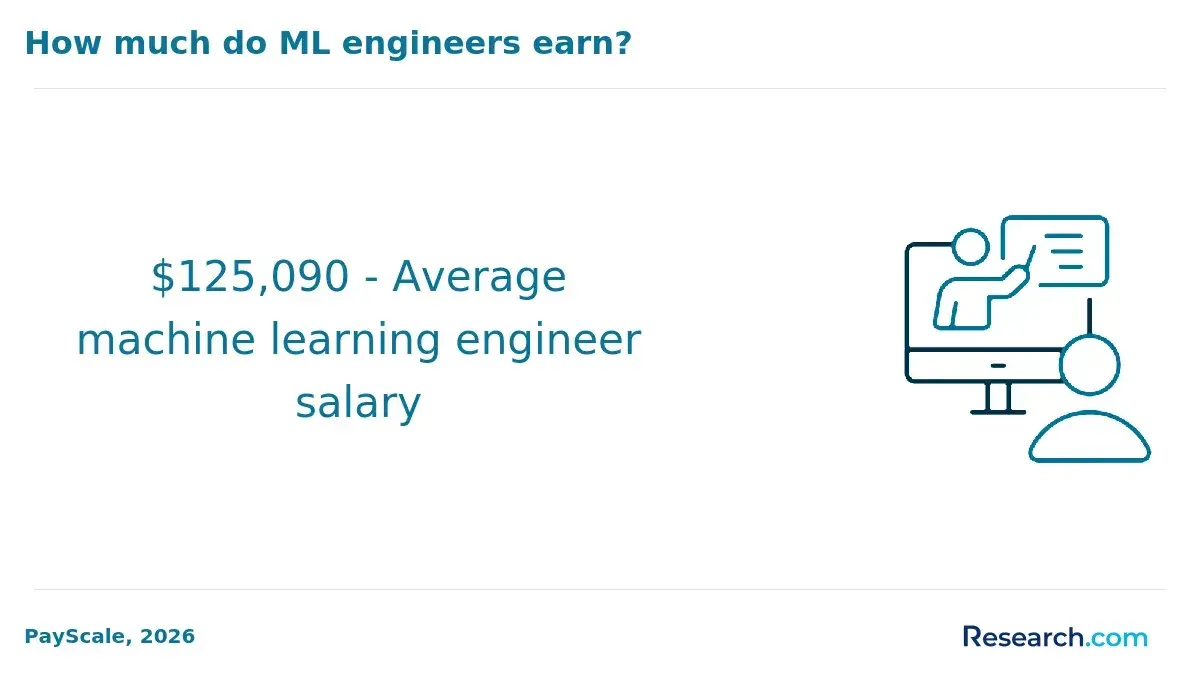
What curriculum standards and core competencies define an accredited artificial intelligence degree?
Accredited artificial intelligence degrees integrate essential technical skills with ethical and practical applications. Core competencies include machine learning algorithms, data structures, and programming languages like Python and R. Students also develop expertise in statistical analysis, neural networks, computer vision, and natural language processing. These areas constitute the foundation of AI programs recognized by accreditation bodies.
Increasingly, curricula emphasize ethics, explainability, and responsible AI practices. The ACM and IEEE Computing Curricula 2024 Update show accredited programs covering these topics rose from 34% to 68% within two years. This highlights the demand for graduates trained to create transparent, fair, and accountable AI systems. Key courses often include AI ethics, bias mitigation, and the societal impacts of AI.
Programs usually balance theory, hands-on labs, and project-based learning, such as capstone projects addressing real-world problems under supervision. Strong mathematical foundations-including linear algebra, calculus, and probability-prepare students to develop and evaluate algorithms effectively.
When verifying accreditation, ensure the program meets standards from regional authorities and aligns with ACM/IEEE recommendations. Programs missing comprehensive ethics or explainability coverage may fall short of updated criteria, affecting graduates' preparedness for AI industry roles and evolving regulatory demands.
What are the admission requirements and prerequisites for accredited AI degree programs?
Admission to accredited artificial intelligence degree programs emphasizes strong quantitative skills and solid academic records. Graduate applicants typically have median GRE quantitative scores around 165, while undergraduate GPAs average about 3.6, reflecting competitive standards reported in 2024. A bachelor's degree in computer science, engineering, mathematics, or related disciplines is usually required for undergraduate admission.
Interestingly, nearly half of admitted graduate students in 2024 lacked formal AI coursework but fulfilled foundational math prerequisites such as calculus, linear algebra, and statistics. This suggests that direct AI experience is helpful but not mandatory if candidates demonstrate strong analytical abilities.
Applications generally require transcripts, GRE scores (when applicable), recommendation letters, and a statement of purpose. Programming proficiency-especially in Python or Java-and familiarity with machine learning principles are often expected. Some universities offer bridge courses to help candidates from non-traditional or diverse academic backgrounds meet prerequisites.
Institutional requirements vary; certain programs mandate completion of discrete mathematics or probability theory before beginning graduate AI studies. Working professionals frequently enhance their profiles with certifications in data science or AI fundamentals to remain competitive.
Prospective students should carefully review individual program criteria and consider preparatory coursework to address any deficiencies in math or computing. Strong foundational knowledge combined with analytical skill remains essential for admissions across leading artificial intelligence programs.
How long does it take to complete an accredited artificial intelligence degree, and what are typical program costs?
Master's programs in artificial intelligence typically take 1.5 to 2 years to complete, while bachelor's degrees usually require around 4 years. Accelerated master's options may shorten this to about 12 months, especially for those with prior relevant experience. Part-time and online formats provide more flexible pacing, sometimes extending completion to over 3 years depending on individual schedules.
Tuition costs for master's degrees in artificial intelligence vary widely, generally ranging from $45,000 to $120,000 at accredited U.S. institutions. Public universities tend to offer lower tuition rates for in-state students, whereas private schools often charge higher fees regardless of residency. Additional expenses include textbooks, technology, and possible opportunity costs from full-time study.
Verifying program accreditation through recognized agencies such as ABET or regional accreditors is essential to ensure credit transferability and eligibility for federal financial aid. Reviewing factors like program length, total cost, and flexibility supports alignment with career goals and financial circumstances.
Return on investment data indicates graduates usually break even financially within 2.3 years after completing their degrees. Employer tuition assistance and fellowships can help offset costs but require proactive inquiry. The strong demand for skilled artificial intelligence professionals supports competitive salaries and career growth.
What career outcomes and job placement rates do graduates of accredited AI programs achieve?
Graduates from ABET-accredited artificial intelligence and computer science programs have strong employment prospects, with a 94% job placement rate within six months of graduation according to National Association of Colleges and Employers (NACE) 2024 data. These programs help prepare students for roles such as machine learning engineers, data scientists, AI research analysts, and software developers focused on AI applications.
Median starting salaries for these graduates are competitive, reaching $92,000, reflecting the high demand for skilled professionals in this field. Accredited programs provide curricula that align with industry standards, enhancing graduates' job readiness and appeal to employers. The rigorous standards of accreditation also confirm program quality and up-to-date technological training.
Employers prioritize candidates from accredited programs due to the verified proficiency and comprehensive education these programs offer. Graduates of non-accredited programs might face challenges proving their expertise, potentially slowing career progress. It is advisable to consider the career services and placement support at accredited institutions, as these resources often contribute to higher employment success.
Prospective students should verify program accreditation status, ideally from bodies like ABET, to access better internship opportunities, co-ops, and professional networks that contribute to career growth in artificial intelligence sectors.
How does artificial intelligence degree accreditation align with industry certifications and professional licensing requirements?
Accredited artificial intelligence degree programs increasingly integrate industry certification exam preparation, directly addressing employer demands for verified skills. According to the CompTIA and Coursera Workforce Report 2024, 85% of these programs include certification training, resulting in graduates achieving a 79% first-attempt pass rate on professional certifications-compared to a 52% pass rate for non-degree candidates. This demonstrates how accreditation supports effective credential attainment.
Such programs often combine preparation for certifications like the Certified Artificial Intelligence Practitioner (CAIP) and vendor-neutral options such as CompTIA's AI certifications. This approach reduces redundant study efforts and equips students to meet regulatory or employer licensing standards, which are crucial in sectors like healthcare, finance, and autonomous systems.
Prospective students should confirm that their chosen degree's accrediting body recognizes and integrates relevant certifications to facilitate smoother career transitions and eligibility for licensed roles. Working professionals can also benefit from these programs to efficiently upgrade their credentials. Many universities accredited regionally or by specialized bodies such as ABET maintain partnerships with industry certifiers, enhancing the practical value of their degrees.
Overall, accreditation signals a program's commitment to industry standards, improves certification success rates, and supports compliance with professional licensing requirements critical for advancing an AI career.
Other Things You Should Know About Artificial Intelligence
In 2027, ensure accreditation of an online AI degree by verifying its recognition by agencies listed on the U.S. Department of Education's website. Look for compliance with accreditation requirements on the program's official site and check for reputable agency certifications that follow current industry standards.
Yes, several professional organizations such as the Association for the Advancement of Artificial Intelligence (AAAI) and the IEEE Computational Intelligence Society offer resources, networking, and career development opportunities for students. Membership in these groups can provide access to conferences, publications, and mentorship programs.
Students in artificial intelligence programs often have access to research in areas like machine learning, natural language processing, robotics, and computer vision. Many universities collaborate with tech companies and government agencies, offering internships and lab positions that enhance practical experience alongside academic learning.
Faculty expertise significantly impacts the quality of an artificial intelligence program. Programs led by professors with active research, industry experience, and publications in AI-related fields tend to provide more comprehensive training and up-to-date knowledge, which can benefit students' learning and job prospects.
References
- Regionally Accredited Online Colleges: What You Need to Know | Tiffin University https://go.tiffin.edu/blog/regionally-accredited-online-colleges-what-you-need-to-know/
- THE GLOBAL STANDARD IN DATA SCIENCE & AI EDUCATION https://www.dasca.org/data-science-accreditation-program
- New Use of Artificial Intelligence Accreditation Policy and Procedures - Middle States Commission on Higher Education https://www.msche.org/2025/07/02/new-use-of-artificial-intelligence-accreditation-policy-and-procedures/
- Artificial Intelligence Course Duration Guide for 2025 Beginners | Your Blog https://mammothclub.com/blog/artificial-intelligence-course-duration
- The end of the graduate career ladder? How AI is reshaping early-career talent - LACE Partners https://www.lacepartners.com/the-end-of-the-graduate-career-ladder-how-ai-is-reshaping-early-career-talent/
- Guide to Essential Competencies for AI | AI Alliance https://thealliance.ai/core-projects/guide-to-essential-competencies-for-ai
- The Prerequisites for Artificial Intelligence- IABAC - IABAC https://iabac.org/blog/what-are-the-prerequisites-for-artificial-intelligence-a-modern-approach
- How an Online Master’s in AI Can Prepare You for the Future of Tech https://www.ucumberlands.edu/blog/how-online-masters-ai-can-prepare-you-future-tech
- Best AI Certifications to Boost Your Career in 2026 – Dataquest https://www.dataquest.io/blog/best-ai-certifications/
- Careers in AI: Opportunities and Pathways - ACS https://www.acs-college.com/careers-in-ai-opportunities-and-pathways