2027 The Future of AI Jobs for College Graduates

Co-Founder and Chief Data Scientist
Many college graduates with degrees in unrelated fields face uncertainty when considering a move into the artificial intelligence sector. The rapid pace of technological advancement and specialized skill requirements make it difficult to know where to start. Identifying flexible, accredited educational pathways without sacrificing current work or lifestyle is a common challenge. Without clear guidance, opportunities may be missed, or time and resources may be wasted on irrelevant training. This article explores viable routes for transitioning into the AI industry and provides actionable insights to help graduates plan an effective career pivot aligned with emerging market demands.
Key Things You Should Know
- By 2026, 85% of AI-related jobs will demand advanced technical skills, emphasizing machine learning, data analysis, and software development for new graduates.
- Employment in AI fields is projected to grow 30% from 2024 to 2029, outpacing average job market growth, driven by healthcare, finance, and autonomous technology sectors.
- Ethical AI development skills are increasingly sought after, with 60% of employers prioritizing graduates knowledgeable in responsible AI design and bias mitigation.
What types of AI jobs are emerging for new college graduates?
Emerging AI job roles for college graduates in 2026 emphasize a blend of technical skill, domain expertise, and creativity. Important positions include AI data annotators and curators, who help train models by accurately labeling datasets, requiring strong attention to detail and awareness of data bias. AI software engineers remain critical for developing and optimizing machine learning and natural language processing algorithms.
Career opportunities in AI for new graduates also highlight growing demand for AI ethics specialists. These professionals assess AI system fairness, transparency, and accountability, ensuring compliance with evolving ethical and regulatory standards. AI product managers play a key role in aligning AI innovations with business goals, bridging technical teams and market demands.
Labor market data reveals challenges for younger workers; a 2025 Stanford University analysis summarized by IntuitionLabs shows a 13% decline in employment for U.S. workers aged 22-25 in occupations heavily exposed to generative AI since 2023. This decline highlights the importance for new graduates to build skills that go beyond easily automatable tasks.
- Proficiency in AI programming languages like Python and TensorFlow
- Understanding of AI ethics and regulatory frameworks
- Cross-disciplinary knowledge integrating AI with sectors like healthcare, finance, or education
- Experience with data governance and model interpretability
- Strong communication skills to clarify AI concepts for non-technical audiences
Such skills enhance job resilience where AI augments rather than replaces human work. For those considering an AI career, exploring the artificial intelligence degree salary can help align educational decisions with career goals.
What degrees and majors best prepare students for AI careers?
Degrees in computer science, data science, and software engineering best prepare students for careers involving artificial intelligence, providing essential skills in algorithms, programming, and machine learning. Specialized majors in AI or machine learning engineering are increasingly available, emphasizing neural networks, natural language processing, and robotics. Mathematics and statistics degrees also play a vital role, offering advanced analytical tools crucial for building AI models and analyzing complex data.
Fields such as electrical engineering and cognitive science provide interdisciplinary perspectives that combine hardware expertise with human-centered AI design. Business analytics and information systems programs are adapting to include AI literacy, equipping graduates with both domain knowledge and AI-driven decision-making skills. By spring 2026, 35% of entry-level job postings for new graduates specifically require AI-related skills, a significant rise from 12% in late 2025.
Students should seek coursework that combines practical experience with Python, R, TensorFlow, or PyTorch alongside topics in data ethics and algorithmic fairness. Minors or certifications in AI ethics, cloud computing, or cybersecurity further enhance understanding of emerging challenges in AI deployment. Internships at AI-focused companies or research labs improve employability by offering hands-on problem-solving experience.
Success in AI careers requires more than programming knowledge; critical thinking and sector-specific expertise in healthcare, finance, or autonomous systems differentiate candidates. Prospective students exploring degrees best suited for artificial intelligence careers can also consider affordable options by reviewing engineering degrees.
Identifying top majors preparing students for artificial intelligence jobs helps clarify educational paths aligned with evolving industry demands.
What skills and competencies do employers seek in entry-level AI roles?
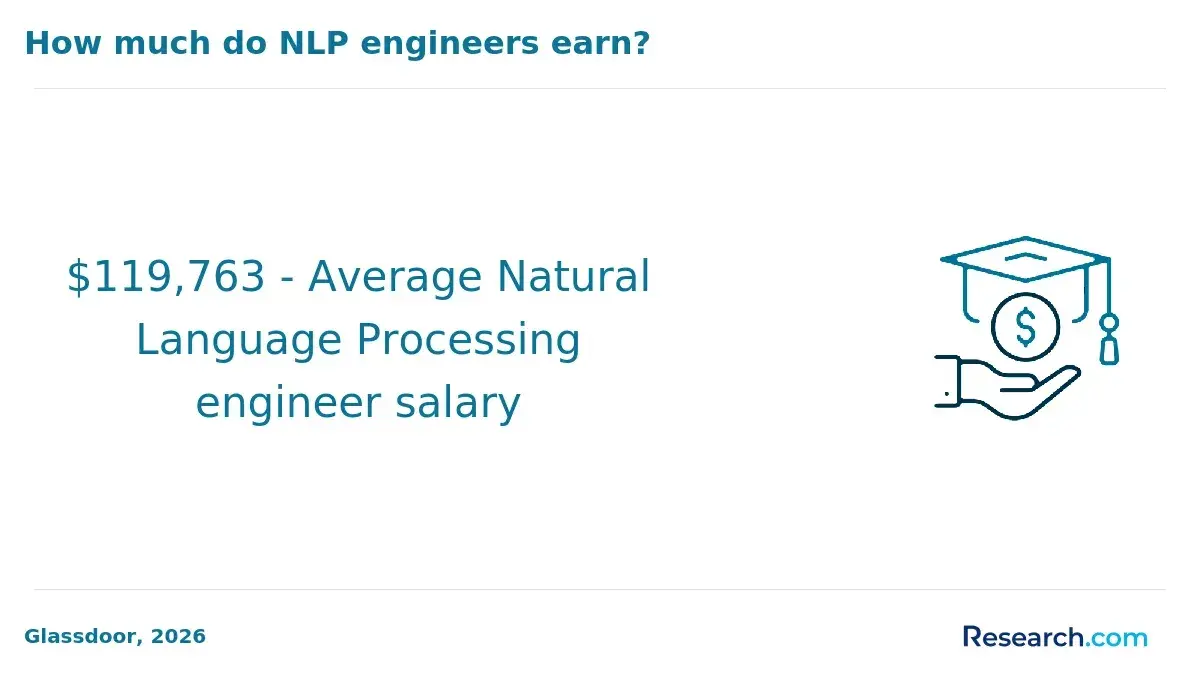
Employers hiring for entry-level roles in artificial intelligence prioritize a blend of technical expertise and analytical skills, along with strong problem-solving abilities. Mastery of programming languages such as Python, R, or Java is essential, with Python being the most sought-after due to its extensive AI libraries. Candidates are expected to demonstrate proficiency in machine learning proficiency for entry-level AI jobs, understanding algorithms, data structures, and software development principles. Practical experience using frameworks like TensorFlow or PyTorch is highly valued for applying models effectively.
Data literacy remains vital; graduates must be able to preprocess, analyze, and visualize data. Familiarity with databases, SQL, and cloud platforms including AWS or Azure enhances an applicant's marketability. Interpreting model results critically and recognizing biases or limitations in AI outputs is a key expectation.
Essential technical and soft skills in AI roles include strong communication and teamwork, as AI initiatives often require collaboration among developers, data scientists, and domain experts. Candidates should be adept at explaining complex AI concepts to non-technical audiences and adapting within interdisciplinary teams. The U.S. Bureau of Labor Statistics anticipates a 20.2% growth in computer and mathematical occupations due to AI advancements, emphasizing the need for graduates to quickly learn and apply new techniques across sectors like healthcare, finance, and manufacturing.
Investing in an online MS data science program can provide a strong foundation in these competencies, preparing students for evolving challenges in the AI workforce.
Key competencies include:
- Programming in Python and understanding of AI libraries
- Knowledge of machine learning models and data preprocessing
- Experience with cloud services and databases
- Strong analytical and problem-solving skills
- Communication and teamwork abilities
How do AI-focused bachelor's and master's programs differ in outcomes?
Bachelor's and master's programs in artificial intelligence lead to different career outcomes due to their varying depth, specialization, and market expectations. Bachelor's degrees focus on foundational AI principles, programming, and basic data analysis, preparing graduates for entry-level roles such as AI technicians, data analysts, or junior developers. These positions emphasize applied skills and require ongoing learning to keep pace with evolving AI technologies. A 2025 analysis by the Federal Reserve Bank of New York highlights that only 52% of recent U.S. graduates secure jobs requiring a bachelor's degree, illustrating how AI-driven automation is shrinking traditional degree-based roles. This dynamic is central when comparing job prospects for AI graduates in higher education.
Master's programs provide advanced study in machine learning, neural networks, and AI ethics, equipping students for specialized roles like AI research scientists, algorithm engineers, or AI strategy consultants. Employers expect mastery in complex problem-solving, algorithm design, and interdisciplinary applications. Graduates often command higher salaries but face intense competition and are encouraged to publish research or gain experience through internships.
Prospective students considering AI-focused bachelor's vs master's program career outcomes should consider:
- Bachelor's degrees offer broader access to AI-related jobs but may need supplementing with certifications or experience.
- Master's degrees provide targeted expertise, improving prospects in high-paying, research-driven roles.
- Continuous skill updating is essential at both levels to stay relevant in a field disrupted by AI advancements.
Choosing a path depends on career goals, financial capacity, and commitment to lifelong learning amid rapid AI progress. For those interested in further advancement, exploring a data science doctorate online can offer deeper specialization and research opportunities.
What is the job outlook and industry demand for AI professionals?
The demand for AI professionals across sectors such as healthcare, finance, manufacturing, technology, and government is rising rapidly. Handshake's 2026 data shows that 23.3% of internships listed now require AI skills, up from less than 10% just two years ago. This reflects the growing employer emphasis on practical experience with AI technologies early in one's career.
Key skills include machine learning, natural language processing, robotics, and data analytics, alongside proficiency in programming languages like Python and familiarity with AI frameworks. Job roles range from AI research scientists and machine learning engineers to AI ethics specialists and product managers guiding AI integration.
Graduates aiming to be competitive should secure internships or cooperative education experiences focused on AI applications. Employers value candidates who combine technical expertise with strong communication skills capable of translating insights into business value. Emerging areas like AI-driven cybersecurity and climate modeling are also expanding career options.
Specialized certifications and micro-credentials can enhance employability. Salary growth in AI careers remains robust, reflecting the scarcity of skilled talent and the strategic importance of these roles in today's job market.
- Healthcare, finance, manufacturing, tech, and government sectors demand AI skills
- Growth in AI-related internships reaches over 23%
- Vital skills include machine learning, Python, NLP, robotics, and data analytics
- Collaboration and communication skills increasingly important
- Emerging AI fields include cybersecurity and climate modeling
What salary ranges can early-career AI graduates reasonably expect?
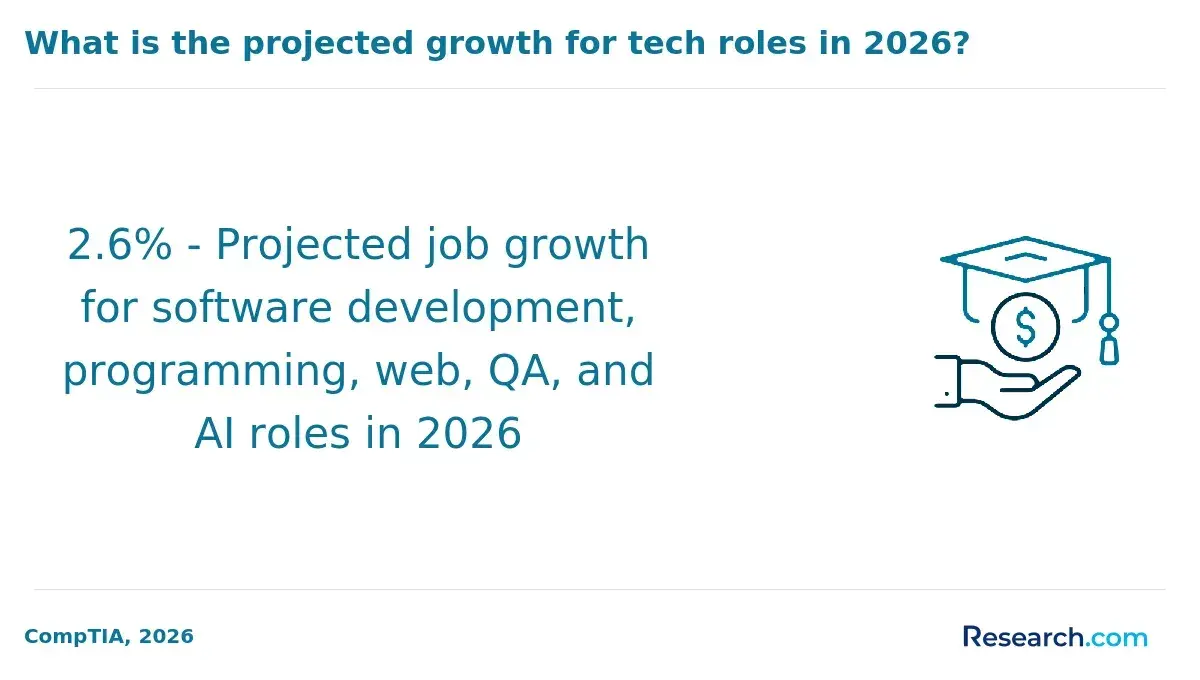
Early-career AI graduates in the United States typically earn starting salaries that are 25-30% higher than those for similar non-AI digital roles, according to PwC's 2026 Global AI Jobs Barometer. Entry-level data engineers usually start between $85,000 and $110,000 annually, while machine learning engineers may see offers ranging from $95,000 to $125,000. These figures depend on factors like location, company size, and industry sector.
Graduates working in AI research or development at major tech firms or startups in high-cost cities such as San Francisco and New York often secure salaries at the top of this range. In contrast, positions in smaller companies or lower-cost regions may offer salaries closer to the lower end. Specialized expertise-like deep learning or proficiency with advanced AI frameworks-can further boost compensation.
Besides base pay, many early AI roles include bonuses, stock options, or other incentives that enhance overall earnings. Students considering degree programs or certifications should focus on gaining hands-on experience in areas like machine learning, natural language processing, and computer vision to align with market demands.
The economic benefit of specialized AI training is clear, especially in data engineering and machine learning engineering roles, making these fields a strong choice for new graduates prioritizing competitive compensation.
How do online AI degree programs compare to campus-based options?
Online AI degree programs provide unmatched flexibility and accessibility, attracting working professionals and those outside major tech centers. These programs incorporate the latest AI tools and frameworks, helping students stay current with industry trends. Campus-based degrees, however, offer richer face-to-face interaction, networking, and direct faculty access, including research labs.
Cost is often a deciding factor. Online options usually cost less, easing financial barriers, while campus programs may provide deeper immersion through internships and onsite industry collaborations. Students should weigh these advantages against their learning preferences, job commitments, and location.
Employers now prioritize demonstrated skills over credentials. Programs emphasizing project-based learning and portfolio development can be just as valuable as campus degrees in the job market. PwC's 2026 Global AI Jobs Barometer reports a 3.5-fold increase in advanced AI skill demands since 2018 within OECD economies, intensifying competition worldwide.
Some campus programs partner directly with AI companies for early project exposure. Online students should seek strong career services, mentorship, and virtual networking to bridge industry connections. Evaluating curriculum quality, faculty expertise, alumni success, and hands-on opportunities is essential for aligning education with career goals in a fast-evolving AI landscape.
- Flexibility and affordability of online AI degrees
- Networking and immersive experiences on campus
- Growing employer emphasis on skills and portfolios
- Importance of mentorship and career services
How can students evaluate accreditation and program quality for AI degrees?
Students pursuing ai degrees should verify institutional accreditation from recognized U.S. Department of Education agencies or the Council for Higher Education Accreditation (CHEA). Regional accreditation confirms that schools adhere to rigorous academic standards and that transcripts and degrees are broadly accepted.
Additional program-specific accreditations or endorsements, such as those from ABET or specialized ai professional bodies, indicate curriculum relevance and quality. It's important to ensure coursework covers current topics like machine learning, data ethics, and applied ai tools, reflecting the fast-changing nature of the ai field.
Hands-on experience is crucial. Programs offering internships, lab work, or capstone projects-especially through partnerships with tech companies or research institutions-help students gain valuable real-world exposure. Given the Economic Policy Institute's 2026 analysis showing a 9% employment decline among young graduates in ai-exposed "non-tech" fields like marketing and business, graduates should prioritize interdisciplinary skills and data literacy.
Transparency regarding graduate outcomes, including employment rates, average salaries, and alumni career trajectories, is essential for assessing program effectiveness. Peer and employer reviews add further insight into how well a program prepares students for an ai-influenced job market.
Faculty expertise and active research in ai also matter. Evaluating multiple sources, comparing curricula, and confirming quality accreditation ensures a program's legitimacy and its ability to prepare graduates for evolving careers.
Which certificates, bootcamps, or microcredentials strengthen AI career prospects?
Certificates, bootcamps, and microcredentials enhance career prospects in Artificial Intelligence by providing graduates with practical, specialized skills that complement traditional degrees. Popular options include certificates in machine learning, data science, and AI ethics from accredited universities and online platforms like Coursera and edX. These programs often focus on programming languages such as Python, AI frameworks like TensorFlow, and foundational AI concepts.
Intensive bootcamps deliver hands-on experience through real-world projects in AI model development, natural language processing, and computer vision. Providers like Springboard, General Assembly, and Flatiron School are recognized for their mentorship and job placement assistance. These immersive, short-term courses are well-suited for those looking to quickly enter the AI workforce or pivot careers.
Microcredentials focus on niche areas such as AI security, reinforcement learning, or automated reasoning, enabling learners to build modular expertise and show ongoing professional growth. Tech giants like Google and IBM offer microcredentials that employers respect for their rigor and relevance.
A 2026 survey referenced by CNBC found that 40% of undergraduates have considered changing majors due to Artificial Intelligence, with 10% already doing so. This underscores the need for accessible, credible certification pathways to ease transitions and maintain competitiveness in a shifting job market. Earning relevant certifications validates technical proficiency and signals adaptability to employers as AI reshapes industry demands.
What factors should students consider when choosing a reputable AI program?
Choosing a reputable artificial intelligence program involves prioritizing accreditation and faculty expertise to ensure adherence to educational standards and industry recognition. Faculty engaged in active research or partnerships provide valuable, current insights. Curriculum relevance is vital, with strong programs covering fundamentals like machine learning, data structures, and ethics, alongside emerging areas such as natural language processing and computer vision. Hands-on experience through labs, internships, or project-based courses equips students for real-world AI challenges.
Industry connections significantly enhance value. Programs partnering with tech companies or startups offer networking and employment pathways. With 51% of employers rating the senior job market as "poor" or "fair" in a NACE employer survey, integrated career services, mentorship, and job placement aid improve graduate competitiveness.
Prospective students should also consider alumni outcomes like job placement in AI roles and graduate study acceptance rates. Evaluating tuition against return on investment is essential, especially when comparing certificate programs or bootcamps that may provide targeted skills more quickly and affordably.
Program flexibility-including part-time, online, or hybrid formats-caters to diverse needs and working professionals. Balancing academic rigor, practical training, industry ties, and career support ensures readiness for evolving AI labor markets.
Other Things You Should Know About Artificial Intelligence
Ethical concerns include bias in AI algorithms, privacy violations, and the potential for automated decision-making to unfairly impact employees or customers. Ensuring transparency, accountability, and fairness in AI systems is crucial for businesses to address these challenges responsibly as they integrate AI technologies.
Yes, graduates from non-technical fields can succeed by focusing on interdisciplinary roles that combine domain expertise with AI knowledge. For example, skills in business, psychology, or linguistics can complement AI development in areas like natural language processing, human-computer interaction, or AI strategy.
Ongoing learning is essential because AI technologies and methodologies evolve rapidly, requiring professionals to continuously update their knowledge. This includes staying current with new algorithms, tools, programming languages, and ethical standards to maintain effectiveness and competitiveness in the field.
In 2027, roles like AI ethicist, machine learning engineer, and data scientist are highly sought after. Graduates with expertise in AI ethics can explore careers enhanced by pursuing an AI governance master's degree. These positions require strong coding skills and an understanding of AI technologies.
References
- Is AI to blame for hiring woes faced by college graduates? https://abcnews.com/Business/ai-blame-hiring-woes-faced-college-graduates/story
- AI Skills for Life and Work: Labour market and skills projections https://www.gov.uk/government/publications/ai-skills-for-life-and-work-labour-market-and-skills-projections/ai-skills-for-life-and-work-labour-market-and-skills-projections
- [PDF] Artificial Intelligence And The Future Of Graduate Employment https://theaspd.com/index.php/ijes/article/download/5781/4183/11717
- AI job market insights: Growth and challenges https://www.eitdeeptechtalent.eu/news-and-events/news-archive/ai-job-market-insights-growth-and-challenges/
- Online Bachelor’s Degree: Artificial Intelligence https://www.umgc.edu/online-degrees/bachelors/artificial-intelligence-ai
- Entry-Level AI Engineer Salary Calculator https://tripleten.com/tools/entry-level-ai-engineer-salary/
- University Degree vs AI Bootcamp: Which is Best Career Path? https://agilefever.com/university-degree-vs-ai-bootcamp-which-is-best/
- AI's Impact on Graduate Jobs: A 2025 Data Analysis | IntuitionLabs https://intuitionlabs.ai/articles/ai-impact-graduate-jobs-2025
- Quality Assurance with AI and Automation: The Prospects for Educational Assessment https://www.ieac.org.uk/40-Quality-Assurance-with-AI-and-Automation-The-Prospects-for-Educational-Assessment-blog.php
- Certifications in AI that would allow you standout in job hunting https://community.deeplearning.ai/t/certifications-in-ai-that-would-allow-you-standout-in-job-hunting/871654