2027 AI Master's Degrees With Employer Partnerships

Co-Founder and Chief Data Scientist
Many professionals with unrelated undergraduate degrees face challenges entering the field of artificial intelligence due to a lack of practical experience and industry connections. Traditional degree programs often require extensive time commitments and do not bridge the gap between education and employment. Securing relevant work while studying proves difficult without employer engagement. This can slow the career pivot and reduce job readiness.
This article explores master's degree programs that include employer partnerships, offering flexible, accredited options. It aims to help readers identify pathways that combine advanced learning with real-world application to accelerate their transition into artificial intelligence roles.
Key Things You Should Know
- In 2026, over 40% of AI master's programs in the U.S. feature direct partnerships with leading tech employers, enhancing practical experience and job placement opportunities for students.
- Employer collaborations often include co-designed curricula and paid internships, with 65% of graduates securing roles within partner companies within six months of graduation.
- These partnerships accelerate skill acquisition in cutting-edge AI fields like natural language processing and computer vision, addressing a projected 30% workforce shortage in AI roles by 2030.
What are AI master's degrees with employer partnerships, and how do they work?
AI master's degrees with employer partnerships are designed collaboratively between universities and companies to better align education with industry talent needs. This integration ensures students learn skills highly sought after by employers, such as specific AI tools, coding languages, and problem-solving frameworks. In fact, 72% of organizations find hiring AI talent challenging, making such targeted programs valuable (McKinsey, The State of AI in 2024). These partnerships often involve internships, project collaborations, or co-op opportunities that provide real-world experience solving company-specific AI challenges.
These programs frequently include mentorship from industry professionals and participation by employer partners in student evaluations or capstone projects. This close involvement helps boost employability by certifying skills aligned with workplace demands. Variations in these employer partnerships include:
- Collaboration with tech companies to co-develop machine learning or data science courses.
- Sector-specific programs focusing on AI applications in healthcare or finance.
- Hybrid models combining online classes with in-person employer-led workshops.
Employer partnerships enhance AI master's programs by bridging the gap between academic learning and job market expectations. Prospective students should consider the specific employer partners involved to understand how the program supports their career goals. Those looking for flexible options might explore a computer science degree online as a complementary pathway to build strong foundational skills relevant to AI careers.
Which accredited universities offer AI master's programs with employer partnerships?
Accredited universities offering AI master's degrees with employer partnerships give career-focused students a competitive edge. These partnerships often involve collaboration with industry leaders, internship opportunities, and curricula co-designed to meet employer needs. This approach balances practical skills with theoretical knowledge, improving graduate employability.
In the U.S., over 4,000 institutions hold accreditation and Title IV status. Narrowing to universities with AI master's programs and strong employer connections highlights top regional universities with AI master's programs and industry collaborations like Carnegie Mellon University, Georgia Institute of Technology, and Stanford University. These schools work closely with companies such as Apple, Boeing, Microsoft, and Amazon, often integrating employer-engaged projects into their master's programs.
Such partnerships help students gain real-world experience and increase job placement rates by providing internships, mentorship, and project-based learning tied to industry challenges. Collaboration with regional tech hubs and government research labs further exposes students to diverse AI applications, enhancing practical readiness.
Prospective students should verify program accreditation by recognized agencies and confirm Title IV eligibility to ensure quality education and access to federal financial aid. Exploring detailed employer partnership models clarifies the depth of industry engagement crucial for career advancement in AI fields. For those comparing options, reviewing the best data science undergraduate programs can also provide insights into foundational study pathways contributing to advanced AI degrees.
How do employer partnerships affect hiring outcomes for AI master's graduates?
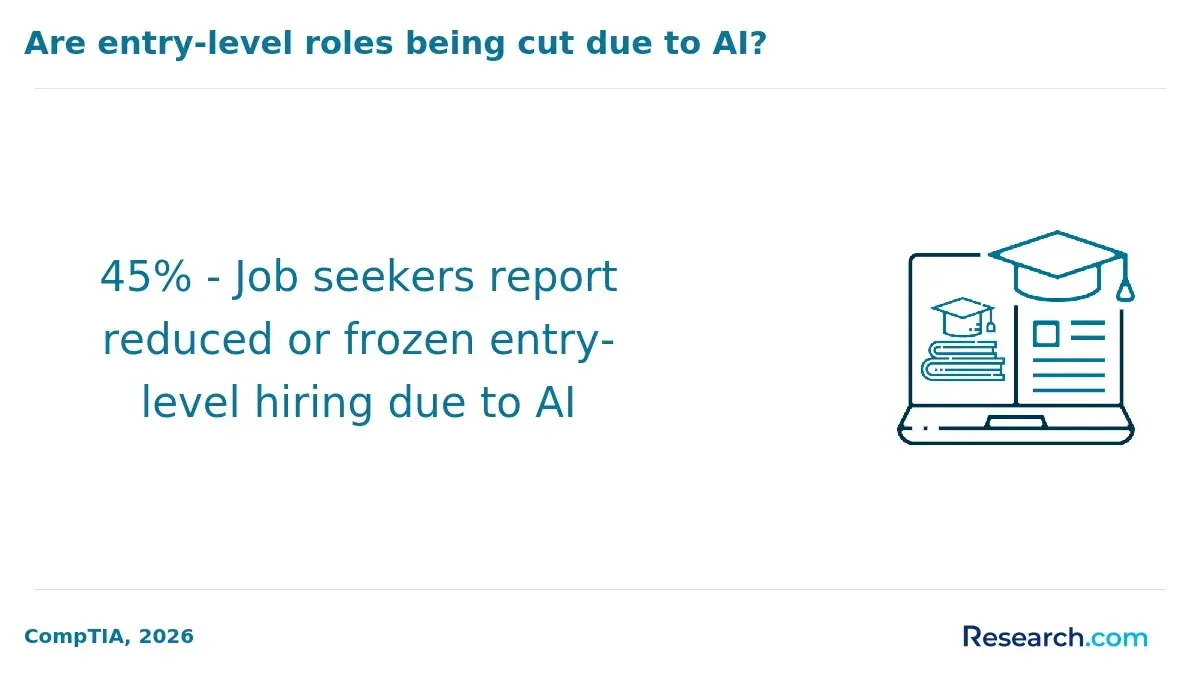
Employer partnerships significantly enhance hiring outcomes for AI master's graduates by integrating practical work experiences into academic programs. Structured internships and co-op placements offer hands-on exposure to real industry challenges, with data showing that graduates who complete these experiences earn an average starting salary 22.6% higher than those who do not. Such collaborations provide a financial advantage through employer-sponsored training.
These partnerships also help students develop job-ready skills aligned with market demands. Companies often contribute to curriculum design, ensuring graduates gain cutting-edge knowledge and applied expertise. As a result, their resumes stand out with a blend of theoretical and practical competencies.
Networking through employer partnerships creates streamlined hiring opportunities since many employers recruit directly from their partner programs. Familiarity with company projects and workplace culture often leads to better interview performance and improved job placements, reflecting regional hiring trends for artificial intelligence master's degree holders.
Students seeking AI master's programs should ask key questions: Does the program guarantee internships or co-ops with documented employers? What types of companies participate-startups, large tech firms, research labs? Are placements paid, and how do they impact full-time job offers?
- Guarantee of internships or co-ops with documented employers
- Types of participating companies including startups and research labs
- Compensation for placements and influence on job offers
Carefully considering these factors helps prospective students select programs that leverage employer partnerships effectively for higher salaries and enhanced career prospects. Explore options for an online artificial intelligence degree as part of this process.
What admission requirements are common for AI master's programs with employer ties?
Admission requirements for AI master's programs with employer partnerships are often rigorous, reflecting their competitive nature and alignment with industry needs. Successful applicants typically hold a bachelor's degree in computer science, engineering, mathematics, or a related STEM field, supported by a strong academic record, usually a minimum GPA of 3.5 on a 4.0 scale. Many programs emphasize prior experience with programming languages like Python, C++, or Java, as well as familiarity with machine learning frameworks.
Standardized test scores such as the GRE may be required, although some schools waive this based on experience or evolving admissions policies. Letters of recommendation must highlight technical skills and research potential, while personal statements are vital to express motivation and alignment with employer partners. These are common criteria for applying to AI master's degrees with corporate ties.
Employment partnerships often necessitate practical experience-internships, projects, or full-time roles in AI or data science-to ensure candidates meet both academic and industry standards. Publications or contributions to open-source AI projects can also strengthen applications. In 2024, MIT illustrated the selectivity of such programs with an acceptance rate around 4.8%, demonstrating how competitive admission to AI-focused graduate degrees with employer partnerships can be.
For those exploring related options, a cyber security degree may provide valuable complementary skills in this evolving tech landscape.
How do online AI master's programs compare with campus options for partner access?
In the evolving landscape of graduate education, many online AI master's programs now rival or surpass campus options by offering extensive employer partnerships and networking opportunities. More than half of U.S. postbaccalaureate students participate in at least one distance-education course, reflecting a mainstream shift toward online learning that broadens connections with companies nationwide, including leading tech firms and startups usually beyond local campus reach.
Online AI degrees often provide virtual career fairs, exclusive internships, and collaborative industry projects. They also feature direct mentorships and employer-sponsored challenges designed for flexibility, which benefits working professionals. These partnerships are typically delivered digitally, contrasting with campus programs that focus on geographic or regional employer ties.
Campus programs maintain strengths like face-to-face networking events, in-person interviews, and on-site collaboration preferences favored by some employers and students. However, widespread adaptation to virtual formats has narrowed this gap considerably. Prospective students should weigh factors such as program reputation in employer engagement, the type of partnerships (remote versus local), and their own career and location preferences.
Choosing between online and campus AI master's degrees often hinges on the desired balance between broad employer access and in-person interactions, personalized career support, and scheduling flexibility.
What core courses and applied projects are typical in partnered AI master's curricula?
Partnered AI master's programs combine theoretical foundations with practical application, focusing on core topics like machine learning algorithms, deep learning, natural language processing, and computer vision. These courses build expertise in supervised and unsupervised learning, model evaluation, and optimization. Foundational subjects such as data structures, probability, and statistical methods provide essential mathematical rigor before advancing to complex AI concepts.
Applied projects are central to the curriculum, simulating real-world challenges like fraud detection, recommendation systems, and autonomous navigation. Students work in teams, handling the entire development cycle-from data preprocessing and feature engineering to model training, validation, and deployment using tools like TensorFlow, PyTorch, or cloud AI platforms such as AWS and Azure.
Capstone projects often involve collaboration with industry partners, emphasizing scalable solutions, interpretability, and workplace expectations. These experiences include version control, CI/CD pipelines, and containerization technologies like Docker and Kubernetes. Many programs also address AI ethics, governance, and fairness, reflecting the growing demand for responsible AI deployment.
With AI and machine learning roles among the fastest-growing global jobs, curricula prioritize hands-on projects and deployment skills to meet employer needs for operational AI expertise immediately after graduation.
How long do AI master's programs with employer partnerships take to complete?
Master's programs in artificial intelligence with employer partnerships typically require about two years to complete, matching the median duration for U.S. master's degrees reported by the National Center for Education Statistics. This timeline holds true even when programs include internships or employer-driven projects aimed at boosting practical skills.
Program length varies depending on format and student schedules:
- Full-time on-campus or hybrid programs generally last two years.
- Part-time options, suited for working professionals, often extend to three or more years.
- Accelerated master's degrees may take 12 to 18 months but involve more intensive coursework and less scheduling flexibility.
Employer partnerships typically add experiential components such as internships or project work without significantly increasing total program length. However, students might spend 10 to 20 hours weekly on these activities, adding to their time commitment. This hands-on experience strengthens applied skills but requires effective time management to keep pace with academic demands.
For those balancing work and study, selecting programs with part-time or flexible pacing options is crucial. Though employer partnerships enhance industry engagement, they do not usually shorten completion times. Prospective students should consult program advisors to understand the expected intensity and timeline, ensuring alignment with career and personal commitments.
What are typical tuition costs, fees, and employer-sponsored funding options?
Tuition costs for AI master's degrees differ significantly depending on the type of institution. Public universities typically charge around $12,596 annually for in-state students, while private nonprofit universities average about $29,931, according to NCES data. These costs cover graduate tuition and fees, serving as important benchmarks when evaluating financial aid options from employers.
Employer partnerships can substantially reduce tuition expenses through various support mechanisms. Many companies offer tuition reimbursement plans that cover costs after course completion, often with annual caps and grade requirements. Other options include sponsored cohorts that negotiate discounted rates for employee groups and upfront tuition payments linked to workforce development commitments.
- Tuition reimbursement plans generally require maintaining satisfactory grades and submitting proof of course completion.
- Sponsored cohorts provide reduced tuition rates negotiated by employers for enrolled employees.
- Upfront employer payments may be contingent on employees fulfilling work durations post-graduation.
It is crucial for students to confirm whether employer support covers all fees, as some plans exclude lab, technology, or registration fees that can add substantial costs. Residency status is another factor affecting expenses, especially for out-of-state students at public universities. Prospective students should engage with human resources or program administrators to clarify reimbursement limits, required documentation, and timelines to maximize their funding opportunities.
What AI job roles do graduates pursue, and what salaries are typical in the U.S.?
Graduates from AI master's programs with employer partnerships commonly pursue career paths such as machine learning engineer, data scientist, AI researcher, and AI product manager. These roles focus on designing, developing, and deploying AI models, covering activities from refining algorithms to integrating applications into real-world systems. Machine learning engineers build scalable AI solutions, AI researchers push innovations in areas like natural language processing and computer vision, while data scientists leverage AI combined with statistical analysis to extract meaningful insights from complex datasets.
In the U.S., salary prospects remain strong. The median annual wage for Computer and Information Research Scientists-a core AI research role-was $145,080 according to the U.S. Bureau of Labor Statistics in May 2024. Machine learning engineers and data scientists typically earn between $110,000 and $140,000, depending on experience and location. AI product managers usually command salaries ranging from $120,000 to $150,000, reflecting their blend of technical and strategic skills. High-demand industries like healthcare, finance, and autonomous systems may offer salaries above these ranges.
Success in AI careers requires ongoing skill development. Expertise in Python, and frameworks such as TensorFlow or PyTorch, alongside cloud platform experience, improves job prospects and earning potential. Employer partnerships during master's programs often provide valuable industry exposure and practical experience, helping graduates secure competitive roles.
Which certifications pair best with an AI master's degree for employer demand?
Certifications that complement an AI master's degree primarily focus on cloud platforms, machine learning operations (MLOps), and data engineering. Employers value candidates who can not only develop AI models but also deploy and maintain them in dynamic production environments. Key certifications include the AWS Certified Machine Learning - Specialty, Google Professional Machine Learning Engineer, and Microsoft Certified: Azure AI Engineer Associate, which showcase skills in cloud-based AI deployment and management.
Data engineering credentials, such as the Google Professional Data Engineer, enhance expertise in building scalable data pipelines essential for robust AI systems. Similarly, MLOps certifications from platforms like Databricks or the TensorFlow Developer Certificate demonstrate proficiency in integrating AI into continuous delivery pipelines.
According to the World Economic Forum's Future of Jobs Report 2024, "AI and big data" rank among the fastest-growing skills expected by employers through 2028. This highlights the value of combining an AI master's degree with cloud and ML certifications to signal practical, production-ready skills that boost hireability and salary potential.
Certifications aligned with cloud architecture, pipeline automation, and scalable AI solutions also reduce onboarding time, making graduates immediately productive. Choosing certifications from leading cloud providers aligns with market demand and enhances career mobility in AI-related roles.
Other Things You Should Know About Artificial Intelligence
In 2027, AI master's degrees with employer partnerships offer unique advantages such as access to industry projects, networking opportunities with industry leaders, and potential for immediate job placements. These programs align curricula with current industry needs, ensuring graduates possess relevant skills, boosting their employability in a competitive job market.
Yes, many AI master's programs with employer partnerships welcome international students. These programs typically provide support with visa documentation and may require proficiency in English. However, access to certain employer partnership benefits, such as internships or job placements, may vary depending on immigration regulations.
Programs maintain relevance by collaborating closely with industry partners to update curricula regularly based on emerging tech trends and practical needs. Employer partners often provide input on key skills and tools, ensuring students work on current technologies through projects and internships that reflect real-world challenges.
Many AI master's programs with employer partnerships offer part-time, evening, or online options to accommodate working professionals. These formats enable students to continue working while gaining advanced education and industry connections, though the level of flexibility can vary between programs.
References
- Blogs https://www.leoglobaloverseas.com/blogdetails/ai-career-pathways-from-msc-to-industry-roles
- MSc Applied AI for Business https://www.henley.ac.uk/study/masters/msc-applied-ai-for-business
- How Employer-University Partnerships Help Graduate Hiring https://app.kinobi.ai/blog/3-employer-university-partnership-models-that-accelerate-graduate-hiring
- Application and admission - Master Artificial Intelligence https://www.uva.nl/shared-content/programmas/en/masters/artificial-intelligence/application-and-admission/international-prior-education/international-prior-education-foldout-menu.html
- Getting employer funding for your Master's https://www.bcu.ac.uk/student-info/types-of-study/postgraduate/postgraduate-taught-blog/employer-funding
- How an Online Master’s in AI Can Prepare You for the Future of Tech https://www.ucumberlands.edu/blog/how-online-masters-ai-can-prepare-you-future-tech
- Master’s in AI Scholarships for Students from Underrepresented Groups - Zuse School ELIZA https://eliza.school/opportunities/masters-in-ai-scholarships-for-students-from-underrepresented-groups/
- Achieve Successful Career Development with Employer Sponsorship! https://executiveacademy.at/en/knowledge/employer-sponsorship
- The end of the graduate career ladder? How AI is reshaping early-career talent - LACE Partners https://www.lacepartners.com/the-end-of-the-graduate-career-ladder-how-ai-is-reshaping-early-career-talent/
- How exposed are graduate jobs to AI & can employers respond? https://ise.org.uk/knowledge/insights/490/how_exposed_are_graduate_jobs_to_ai_can_employers_respond/