2027 Highest-Paying AI Jobs for Degree Holders

Co-Founder and Chief Data Scientist
Many degree holders find themselves at a crossroads when seeking to enter the field of artificial intelligence without prior experience or specialized education. This gap often creates uncertainty about the most lucrative roles and the qualifications needed to transition effectively. Employers increasingly prioritize skills and practical knowledge over traditional backgrounds, yet navigating this evolving job market can be daunting. Understanding which positions offer the highest earning potential is crucial for strategic career planning. This article outlines the top-paying AI jobs for degree holders and provides actionable insights to help prospective candidates target the right opportunities and accelerate their entry into the industry.
Key Things You Should Know
- In 2026, data scientists, machine learning engineers, and AI research scientists remain the highest-paying AI jobs, with median salaries exceeding $130,000 annually for degree holders.
- Master's and PhD degrees in computer science or related STEM fields significantly increase earning potential and job opportunities in AI-driven industries.
- Demand for AI expertise in healthcare, finance, and autonomous technologies is growing rapidly, driving competitive salaries and expanding career pathways.
What are the highest-paying AI jobs available to college and graduate degree holders?
The highest-paying artificial intelligence careers for degree holders include roles such as AI engineer, machine learning engineer, data scientist, research scientist, and AI architect. AI engineers top the list with a median total pay of $151,000, involving the design, development, and deployment of AI models and systems. This role demands strong skills in programming, data structures, and machine learning algorithms.
Machine learning engineers specialize in creating and optimizing algorithms that help AI systems learn from data, earning salaries competitive with AI engineers. Data scientists analyze large datasets using AI techniques to derive actionable insights, requiring a solid foundation in statistics and computer science, making them among the best AI jobs for college and graduate degree professionals.
Research scientists in AI typically work in academic or corporate labs, pushing forward novel algorithms and models. Their roles usually require graduate degrees and often come with some of the highest compensation packages, especially when leading innovation or publishing influential papers.
AI architects design comprehensive AI systems and strategies, blending technical expertise with business insight. Their ability to align AI initiatives with organizational goals often results in high salaries. Key skills across these roles include proficiency in Python, TensorFlow or PyTorch, and cloud platform knowledge.
Candidates aiming to advance should gain hands-on experience in AI projects and build portfolios showcasing practical AI solutions. For a detailed overview of what jobs can you get with an AI degree, this resource is highly recommended.
What salary ranges can degree holders expect in the highest-paying AI roles?
Degree holders in the highest paying artificial intelligence jobs often see salary ranges between $120,000 and $200,000 annually, influenced by specialization, experience, and location. For instance, machine learning engineers earn an average of about $168,730, highlighting the strong demand for expertise in applied machine learning within data-driven sectors.
The expected compensation for top artificial intelligence roles for degree holders varies by job title and responsibilities. Entry-level positions such as AI research assistants or junior data scientists generally start around $90,000 to $120,000. Mid-level roles like machine learning engineers or AI software developers typically earn $140,000 to $180,000. Senior positions, including AI architects or lead AI scientists, can command salaries exceeding $200,000, especially in tech-centric regions or niche industries such as autonomous vehicles and finance.
Additional factors affecting pay include advanced degrees-master's or PhD in computer science or related fields-and certifications in AI tools and platforms. Leading technology companies and major metro areas offer the highest salaries. Degree holders exploring career opportunities should also consider industries heavily investing in AI, such as healthcare, robotics, and cybersecurity, where complexity and impact drive salary premiums.
For prospective students seeking relevant education pathways, an online mechanical engineering degree can provide a valuable foundation. Following salary trends through reliable sources helps candidates evaluate offers and negotiate competitive compensation packages effectively.
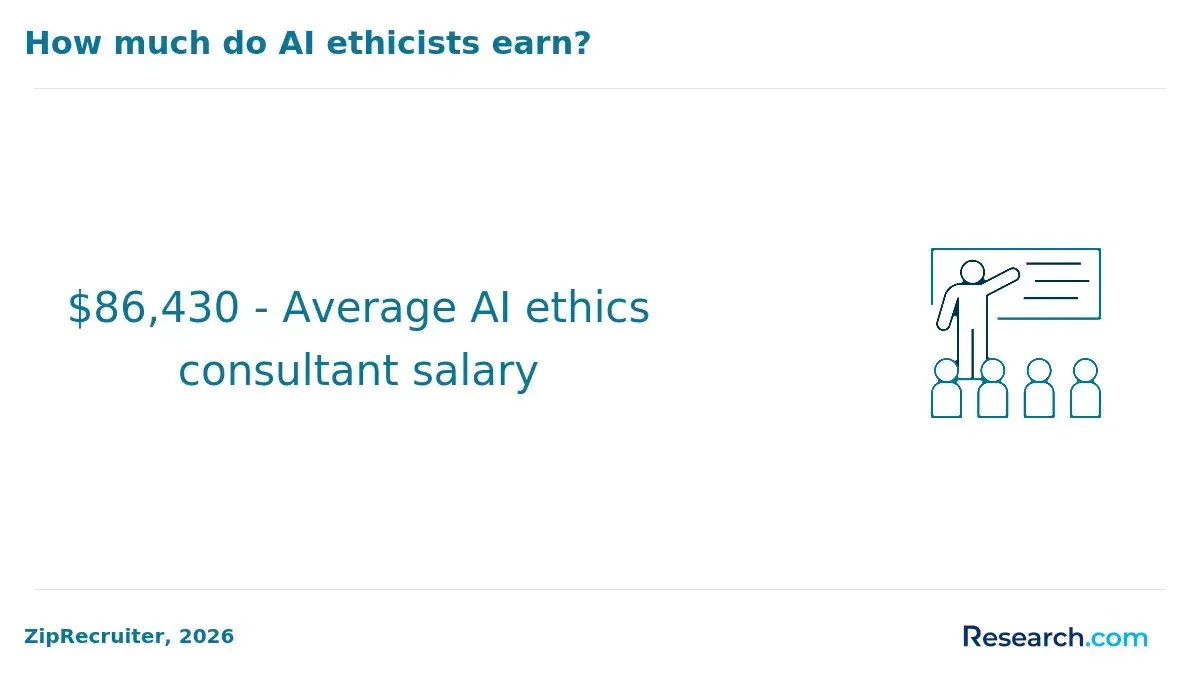
Which AI-focused degrees lead most reliably to high-paying artificial intelligence careers?
Degrees in computer science, data science, and electrical engineering are among the highest paying AI degrees for careers. These programs build essential skills in algorithms, programming, machine learning, and systems design that form the foundation for artificial intelligence jobs. Computer science degrees often cover core AI areas such as neural networks, natural language processing, and robotics, preparing graduates for AI software engineering roles.
Data science degrees focus on statistics, data mining, and predictive modeling, equipping students for positions like machine learning engineers or AI data analysts. Electrical engineering complements AI by teaching signal processing, embedded systems, and hardware-software integration, valuable for AI-related hardware design and robotics careers.
Specialized AI or machine learning master's programs further enhance earning potential through advanced AI techniques and research methodologies. For instance, AI research scientists, usually holding graduate degrees, top the median pay scale at $192,000 annually, based on salary data from LinkedIn.
Interdisciplinary fields combining computer science with mathematics or cognitive science offer competitive advantages by addressing AI challenges from multiple perspectives. Students should prioritize accredited programs with strong AI labs and industry ties, as hands-on experience and networking significantly impact career growth.
Certifications in machine learning frameworks and Python also boost employability and salary prospects. Prospective students exploring the best degrees for artificial intelligence jobs might consider a range of options, including specialized video game programs, which increasingly incorporate AI technologies.
What education, skills, and experience are required for top-paying AI job titles?
Top-paying artificial intelligence jobs education requirements typically include at least a bachelor's degree in computer science, data science, engineering, mathematics, or a related STEM field. Advanced roles, such as computer vision engineers, often require master's degrees or PhDs in machine learning or deep learning. LinkedIn salary data reveals that computer vision engineers earn a median salary of $162,000, highlighting the value of advanced expertise.
Essential skills and experience for high-salary AI roles encompass proficiency in programming languages like Python, C++, and Java, alongside experience with machine learning frameworks such as TensorFlow, PyTorch, and OpenCV. Strong foundations in statistics, linear algebra, and calculus are critical for developing and optimizing algorithms effectively.
Work experience ranges from internships to several years in data analysis, software development, or AI research. Employers seek candidates who can apply theory to practice, demonstrating the ability to build, test, and deploy AI models in real-world environments. Experience with large datasets and cloud platforms like AWS or Azure also enhances employability.
Additional qualifications that bolster candidacy include:
- Strong problem-solving and analytical skills
- Experience with neural networks, natural language processing, or robotics
- Ability to collaborate on interdisciplinary teams
- Publications or contributions to open-source AI projects
For professionals considering further training, exploring best cybersecurity courses online with certificates can complement AI expertise and open new career pathways.
How do online AI degree programs compare with campus-based options for career outcomes?
Online ai degree programs deliver career outcomes comparable to traditional campus options when students choose accredited institutions and engage deeply with the curriculum. While campus programs offer face-to-face networking and direct access to research labs, online learning has evolved with interactive platforms and virtual internships that simulate hands-on experiences.
Employers prioritize skills and project results over where education occurs. Graduates from strong online ai programs often secure jobs with salaries similar to those from campus programs. For instance, the role of AI product manager offers an average salary of $195,000 and about 26,000 job openings across the U.S., according to Forbes' 2026 data.
Prospective students should consider these factors:
- Curriculum relevance to current and emerging AI technologies
- Opportunities for industry projects and mentorship
- Networking through virtual events and online communities
- Flexibility that supports working professionals
Building a portfolio with AI product development and machine learning projects is essential. While campus programs provide lab access, many online programs partner with tech companies to offer similar opportunities virtually.
Success depends on mastering skills, obtaining certification, and gaining practical experience. Strong program quality and career support matter more than learning mode when preparing for AI careers.
How can students verify that an AI degree program is properly accredited and reputable?
Students should verify that an artificial intelligence degree program is accredited by a recognized regional or national agency. The U.S. Department of Education and the Council for Higher Education Accreditation (CHEA) list legitimate accreditors. Accreditation confirms that a program meets standards for curriculum quality, faculty expertise, and institutional resources, ensuring the degree is valued by employers and transferable for further education.
Examine program curricula to confirm coverage of key AI topics such as machine learning, data science, and ethics. Established institutions often provide detailed course descriptions and faculty backgrounds online. Programs connected to professional groups like the Association for the Advancement of Artificial Intelligence (AAAI) or IEEE Computer Society usually uphold strong academic standards.
Consider graduate outcomes including job placement rates and salary data. Forbes notes that specialists in large language models earn an average annual salary near $199,000 with approximately 57,000 active job postings, emphasizing market demand. This highlights the importance of choosing programs that prepare students for specialized AI careers.
Additional steps include contacting alumni for firsthand experiences and consulting program review websites. When possible, visiting campuses can reveal research opportunities and labs. Asking if programs provide internships or industry connections helps build practical skills essential for career advancement.
What core courses and specializations prepare students for high-paying AI positions?
Strong foundations in computer science, mathematics, and domain-specific knowledge are essential for high-paying AI positions. Key courses often include algorithms, data structures, linear algebra, calculus, probability, and statistics. These fundamentals help students grasp machine learning models and optimization techniques vital to artificial intelligence.
Specialized courses in machine learning, natural language processing, robotics, and computer vision are critical. Deep learning, in particular, drives demand with over 67,000 job listings and an average salary of $179,000, according to Forbes. Mastery of neural networks, convolutional networks, and frameworks like TensorFlow or PyTorch is highly valued.
Students may also pursue specializations such as reinforcement learning for adaptive systems, AI ethics for fairness and compliance, or robotics combining AI with mechanical engineering. These focus areas expand career opportunities across industries like autonomous vehicles and manufacturing automation.
Interdisciplinary coursework blending AI with data science, software engineering, or business analytics enhances job readiness. Practical experience gained through projects, research, or internships centered on AI deployment is also crucial. Familiarity with cloud platforms, big data tools, and programming languages like Python, R, or Java further boosts prospects.
Academic advisors recommend combining theory with hands-on specialization to meet the technical demands of the AI job market and access the most lucrative careers.
What are typical program lengths and total costs for AI bachelor's and master's degrees?
Bachelor's degrees in artificial intelligence usually require four years of full-time study. These programs are offered either as dedicated AI degrees or as computer science degrees with an AI focus. Tuition costs vary greatly: public universities typically charge $10,000 to $30,000 per year for in-state students, while private institutions average $40,000 to $60,000 annually. Including fees and living expenses, the total cost can reach from $40,000 up to over $200,000 for the entire degree. Online options may provide lower tuition and more flexible timelines, often extending the duration but reducing yearly costs.
Master's degrees in artificial intelligence generally take one to two years full-time, with standalone programs emphasizing advanced topics, specialized electives, and practical projects. Tuition ranges from $20,000 to $50,000 annually, influenced by the school's prestige and location. Part-time and online formats accommodate working professionals, potentially extending the completion time to three or more years.
- In-demand roles such as prompt engineers can earn an average salary of $136,000 per year, with top earners making over $200,000.
- Choosing the right program involves weighing tuition, duration, accreditation, faculty expertise, and industry connections.
These factors help maximize return on investment for those pursuing careers in artificial intelligence fields.
What is the job outlook and industry demand for AI professionals in high-paying roles?
The demand for AI professionals in top-paying roles remains robust due to the widespread adoption of AI technologies across industries like technology, finance, healthcare, automotive, and retail. Organizations seek experts to develop, implement, and maintain advanced AI systems, resulting in competitive salaries. For instance, AI/ML engineers can earn between $210,000 and $300,000 in total compensation at leading firms, according to SSBM Geneva's 2026 report.
Key sectors prioritize AI to enhance automation, data analysis, and decision-making, creating consistent hiring opportunities for roles such as machine learning engineers, data scientists, and AI researchers. Candidates with skills in deep learning, natural language processing, and computer vision often stand out.
Emerging specialties like AI ethics and explainability are gaining importance due to regulatory focus, offering niche career paths. Practical experience, certifications, and contributions to open-source AI projects substantially boost employability. Networking and attendance at industry conferences also improve prospects.
Graduates with advanced degrees and relevant expertise are well-positioned to meet industry needs amid ongoing technological evolution. For more insights on AI education and career trends, visit Research.com.
Which certifications and professional credentials help maximize earning potential in AI careers?
Certifications and professional credentials significantly boost earning potential in AI careers by verifying advanced skills and specialized knowledge. Notable certifications include the Certified Artificial Intelligence Practitioner (CAIP), which highlights competence in implementing AI algorithms across various applications. The Google Professional Machine Learning Engineer certification is highly regarded for roles centered on designing and optimizing machine learning models using cloud platforms. Furthermore, the Microsoft Certified: Azure AI Engineer Associate credential validates expertise in developing AI solutions on Azure, a crucial skill as organizations increasingly migrate infrastructure to the cloud.
Additional valuable certifications are the TensorFlow Developer Certificate for deep learning proficiency and the Certified Data Scientist (CDS), which focuses on data preprocessing and predictive analytics essential to AI projects. Pairing AI-specific certificates with foundational ones like the Certified Information Systems Security Professional (CISSP) can strengthen profiles for AI roles in cybersecurity. Accredited university courses offering hands-on projects and real-world datasets further enhance credibility and practical skills.
Employers prioritize certified professionals in a competitive market, with the U.S. Bureau of Labor Statistics projecting a 26% growth in computer and information technology jobs through 2033. Certifications serve as a crucial bridge between academic knowledge and practical ability, maximizing compensation and career growth. Investing in multiple, complementary certifications aligned with career goals ensures readiness and advancement in this rapidly evolving sector.
Other Things You Should Know About Artificial Intelligence
Top-paying AI roles are often found in technology giants, including software developers and internet-based companies. Sectors like finance, healthcare, automotive, and defense also employ AI specialists to innovate and optimize their operations. Startups focusing on AI-driven products and research institutions frequently offer competitive salaries to attract skilled professionals.
While many high-paying AI jobs prefer candidates with a master's or doctoral degree, some roles accept bachelor's degree holders with strong technical skills and relevant experience. Advanced degrees often provide deeper knowledge in machine learning, neural networks, and data science, which can enhance job prospects and earning potential. However, practical experience and projects can also be highly valued in the field.
Programming skills are essential in AI careers, as most AI systems are built using languages like Python, R, Java, or C++. Proficiency in coding enables AI professionals to develop algorithms, manipulate data, and implement machine learning models. Candidates lacking programming expertise will face challenges securing and succeeding in advanced AI roles.
In 2027, degree holders should be alert to roles such as AI ethics specialist, AI-product manager, and robotics engineer. These positions will evolve due to advances in AI technology, necessitating expertise in ethics, innovation management, and robotics systems integration to address emerging challenges and opportunities.
References
- AI Careers: Roles, Salaries, and Certifications to Get You Hired - ONLC https://www.onlc.com/blog/ai-careers-roles-salaries-certifications/
- Best AI Courses After Class 12 in India 2026 – Careers & Salary https://www.jisgroup.org/blog/best-ai-courses-after-12th-in-india-2026-careers-scope-salaries-eligibility
- Here’s How an AI Degree Stacks Up Against Other Options https://www.aidegree.org/blog/comparison-table
- The Easiest Path to a High-Paying AI Career (No PhD Required) https://hispanicpronetwork.ning.com/profiles/blogs/the-easiest-path-to-a-high-paying-ai-career-no-phd-required
- Most Affordable Online Master's in AI for 2025 https://www.mastersinai.org/degrees/affordable-online-masters-in-ai/
- AI Certification Programs: Which Ones Matter for Your Career https://www.businessplusai.com/blog/ai-certification-programs-which-ones-matter-for-your-career
- Top AI Certifications to Boost Your Career https://prepzee.com/blog/the-top-ai-certifications/
- How to Get a Job in AI: Guide to Skills, Education & More – 365 Data Science https://365datascience.com/career-advice/how-to-get-a-job-in-ai/
- AI vs. Traditional Degrees: What's the Future of Your Education? https://matchtocollege.com/blog/ai-replace-traditional-degrees
- 16 Artificial Intelligence Career Paths https://www.calmu.edu/news/artificial-intelligence-career-paths