2027 Evaluating an MPH Practicum in A State Environmental Health Laboratory

Co-Founder and Chief Data Scientist
A state environmental health laboratory can offer an MPH student unusually direct experience with the evidence behind drinking water, food, and other environmental health decisions. But a laboratory placement is worthwhile only if the work meets the MPH program's applied practice requirements and gives the student more than observation or routine sample processing.
This guide is for students comparing field sites, including online learners and those considering laboratory-based careers. It explains how to assess projects, supervision, permissions, scheduling, and costs before committing to a placement.
Key Things You Should Know
- A strong placement connects laboratory results to a public health decision and produces school-approved work products; bench access alone does not establish practicum fit.
- For CEPH-accredited MPH programs, applied practice evidence generally includes at least two work products demonstrating at least five competencies, including at least three foundational competencies; confirm the standards and school rules governing your cohort.
- Secure separate confirmation of academic approval, a qualified site supervisor, a workable schedule, and permission to use or share data before the placement begins.
What Is an MPH Practicum in a State Environmental Health Laboratory?
An MPH practicum, often called an applied practice experience, is supervised work in a practice setting that demonstrates public health competencies. A state environmental health laboratory may test drinking water, food, air-related samples, or other environmental materials to support surveillance, investigations, and agency decisions. The exact functions vary by state.
The MPH student's contribution should extend beyond performing or watching tests. For example, a student might help turn approved, appropriately aggregated monitoring data into a briefing that explains patterns, limitations, and possible follow-up for program staff. The laboratory supplies technical evidence; public health practice also asks who may be affected, what the evidence can support, and how results should be communicated.
This population-health purpose distinguishes an MPH placement from a research-intensive degree or a technical laboratory internship. Students choosing between those aims can use public health master's degree types explained as a starting point, then compare the actual fieldwork requirements of prospective programs.
What Does a State Environmental Health Laboratory Practicum Involve?
Projects differ according to the laboratory's priorities, available supervision, and what data the student may access. The comparison below shows how plausible activities become public health deliverables - and where a project can fall short.
| Possible activity | Potential MPH work product | Fit to check |
| Review an approved set of water-monitoring results | Internal summary of patterns, data limitations, and questions for program staff | Whether access and reporting rules permit the analysis |
| Examine how samples move from collection to reporting | Process map with documented opportunities to improve communication or timeliness | Whether the student can evaluate the process rather than only observe it |
| Support communication about a testing program | Draft staff-facing or public-facing explanation of what test results do and do not mean | Who approves technical accuracy and any public release |
A sensible scope separates laboratory quality assurance from policy authority: a student can describe a reporting workflow without validating a test method or making a regulatory determination. Ask the site supervisor, "What decision will this project inform, what can I independently produce, and who will review it?" Ask the academic coordinator whether those outputs satisfy the program's competencies and assessment rules.
Site selection and MPH admission are different processes. A laboratory's willingness to host a student does not replace an application requirement such as faculty references; students comparing MPH admissions without faculty recommendations should verify that requirement with the school separately.
How Do You Choose an Accredited MPH Program With Laboratory Practicum Options?
First, confirm the institution's accreditation and the exact scope of Council on Education for Public Health (CEPH) accreditation. An accredited university does not necessarily have a CEPH-accredited MPH, and accreditation of one school or program should not be assumed to cover every degree. Ask the program to identify the accreditation status that applies to the MPH you would enter.
Then ask for the current practicum handbook and evidence of how laboratory placements work in practice. A useful program can explain who finds sites, who approves a proposed project, what qualifications a supervisor needs, and whether a state agency requires an affiliation agreement. A past placement is encouraging, not a promise that the laboratory has capacity for another student.
Compare programs on placement support and curriculum fit before treating admissions flexibility as the deciding factor. Applicants reviewing guidance on explaining a low GPA in public health graduate admissions should still ask whether the program provides the environmental health coursework and fieldwork advising their goal requires.
Requirements come from both the MPH program and the host laboratory. CEPH's MPH applied practice framework calls for work products that demonstrate competencies, but the school determines its approval process, documentation, grading, and any additional expectations. The state laboratory determines what work, training, access, and supervision it can authorize. Neither side's approval substitutes for the other's.
Before accepting an offer, get answers to the requirements most likely to stop a promising project:
- Academic approval: Which competencies, learning objectives, work products, hours, and evaluation forms must be agreed upon before work starts?
- Site supervision: Who can supervise the student, review drafts, and meet often enough to support revisions?
- Access and safety: Are onboarding, training, background checks, or restrictions on entering laboratory areas required?
- Data and dissemination: Which records can the student use, where may files be stored, and what may appear in a class submission or portfolio?
If the student already works for the agency, ask whether the program permits a practicum at an existing job and what distinct, supervised work would qualify. Do not begin restricted analysis while an agreement is pending. Likewise, MPH programs with broader admissions criteria may still have substantial, separately enforced practicum requirements.
The strongest learning occurs at the boundary between measurement and action. Depending on the approved project, a student might assess data completeness, interpret exposure patterns cautiously, document uncertainty, explain findings to nonlaboratory colleagues, or evaluate whether a reporting process serves the people who rely on it.
These activities can demonstrate environmental health, data interpretation, communication, and program-evaluation competencies without implying that the student has become qualified to run a specialized assay.
Be precise about the evidence you will leave with. "Analyzed environmental data" is less informative than a supervisor-reviewed summary identifying the dataset's limits, the intended audience, and a justified recommendation for follow-up.
If the project requires stronger statistical preparation than the MPH curriculum provides, online graduate biostatistics options for professionals offer a useful comparison with targeted methods coursework. Additional training can improve analysis, but it cannot grant permission to access restricted laboratory data.
Environmental health coursework provides the foundation: exposure pathways, sampling context, risk interpretation, and the difference between a measured concentration and a population-health conclusion. Epidemiology and biostatistics help students describe patterns without treating an observed association as proof of cause. Program evaluation and health communication become especially useful when the deliverable concerns reporting workflows or messages for agency partners.
The right preparation depends on the assigned task. A student drafting a monitoring brief needs data literacy and careful interpretation; a student proposing changes to a testing workflow also needs process-mapping and quality-improvement skills. Laboratory methods courses may be important for technical bench responsibilities, but an MPH concentration alone does not establish proficiency with a particular instrument or eligibility for a regulated position.
Students entering an MPH from a science or public health bachelor's program should check their own gaps rather than assume prior coursework covers them. An overview of online public health bachelor's curriculum and formats can help distinguish broad undergraduate exposure from the specific laboratory or quantitative preparation a proposed practicum needs.
An online MPH can support an in-person state laboratory placement if the school approves the site, assigns academic oversight, and can complete any required agreement. Online classes do not make laboratory access remote: sample handling, safety training, secure systems, and supervisor meetings may require attendance during agency business hours. A fully remote project is more plausible when the laboratory authorizes a suitable data, documentation, or communication task.
Students balancing work or caregiving should request the expected weekly schedule before enrolling or accepting a site. Ask whether practicum hours can be spread across terms, whether faculty meetings occur live, and what happens if onboarding delays the start date. Program speed is not the same as fieldwork flexibility; comparisons of budget-conscious accelerated public health education should account for the laboratory's actual availability, not just the advertised course calendar.
MPH admission and practicum readiness are separate milestones. A program may admit students from varied academic backgrounds while still expecting enough environmental health and quantitative preparation for a proposed laboratory project. Ask when fieldwork may begin, which courses must come first, and whether the site has its own selection or onboarding process.
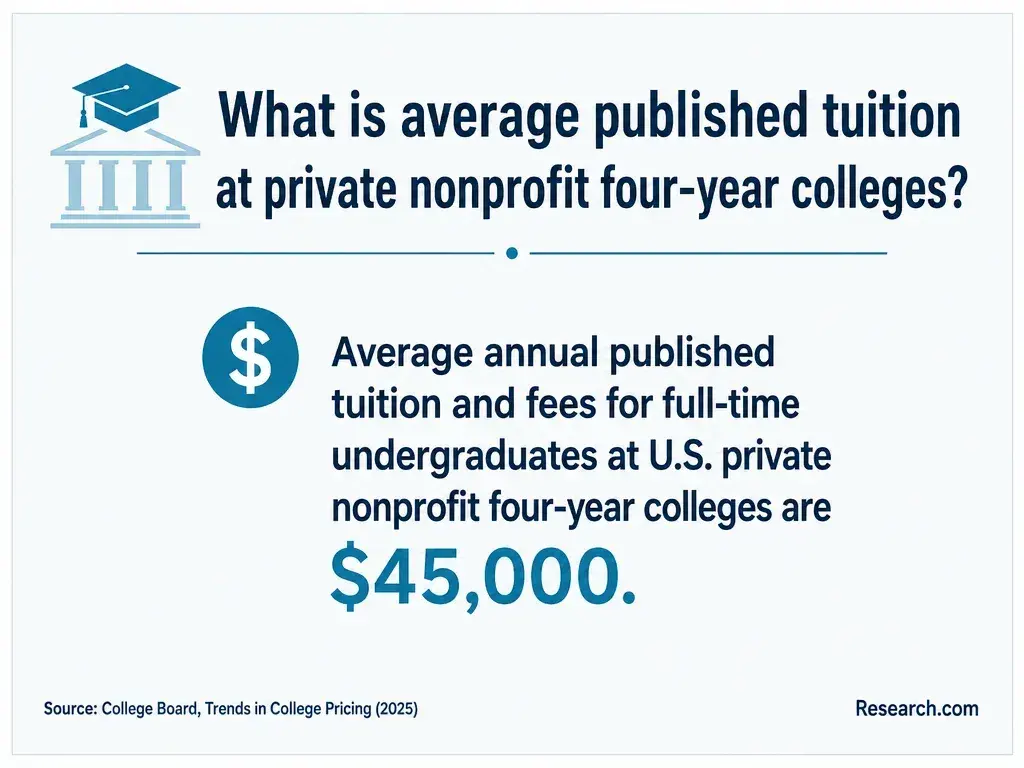
For cost comparisons, add practicum-related expenses to tuition and fees: travel or relocation, parking, required equipment, reduced paid-work hours, and any extra term needed because a placement starts late. Confirm whether the site pays students; do not build a budget around an assumed stipend. Students exploring institutional scholarships for public health graduate students should verify award eligibility, renewal conditions, and whether support continues during the fieldwork term.
The practical test is whether the proposed project can be completed within the time and access actually available. A narrower, approved deliverable is usually more valuable than an ambitious analysis that depends on permissions the student may never receive.
A relevant practicum can strengthen applications for environmental health program analyst, surveillance support, exposure-data analyst, laboratory program coordinator, or related public health roles. The connection is strongest when the student can show a reviewed work product and explain how laboratory evidence informed an agency task. Hiring still depends on the job description, technical qualifications, experience, and state hiring rules.
Separate two career directions before choosing a project. Students interested in agency practice should seek experience with reporting, interpretation, coordination, or program decisions.
Those primarily interested in developing assays or leading laboratory research may need deeper chemistry, microbiology, or research-methods preparation than a generalist MPH supplies. An epidemiology doctorate is a substantially different commitment; students considering that later route can examine epidemiology doctorate net tuition planning rather than assume a laboratory practicum makes doctoral study necessary.
What Salaries, Certifications, and Job Outlook Apply to Laboratory-Based MPH Careers?
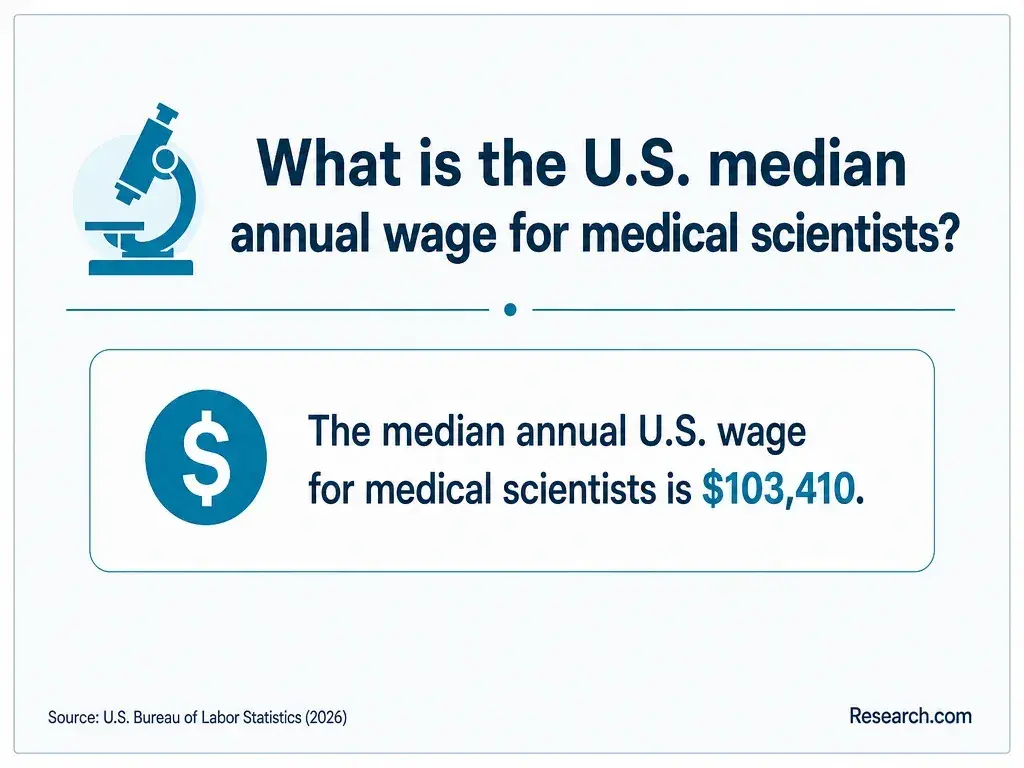
There is no single salary or employment projection for "laboratory-based MPH careers." An environmental health analyst, an epidemiologist, and a laboratory scientist have different duties and may fall under different occupational categories. Use the most recent U.S. Bureau of Labor Statistics occupation-specific wage and outlook figures for the actual target job, then compare them with state job postings.
An occupation-wide median is not an expected starting salary for an MPH graduate, and public-sector pay may follow a published grade or bargaining agreement.
Credentials also depend on duties. An MPH does not confer laboratory licensure, permission to perform regulated testing, or automatic eligibility for a particular certification. Review the state's rules and the employer's posting if a role specifies a laboratory credential; public health credentials are not substitutes for technical requirements.
Before paying for further education, compare the qualification named in several target postings with the skills your practicum demonstrates. If the goal is independent research rather than agency practice, investigate supervision and funding as carefully as tuition; public health research doctorate tuition options address a different decision from entering a state laboratory role after an MPH.
Other Things You Should Know About Public Health
Only with the site's permission. Ask whether a redacted, aggregated, or newly written version is acceptable; remove restricted data and obtain review before sharing it publicly.
Not automatically. The school and agency must determine whether the proposed activity is research or practice and what review, privacy, and data-use rules apply before work begins.
Often, but changes may require new academic approval if the competencies, supervisor, deliverables, or data access change. Contact the practicum coordinator before relying on a revised project.
A reporting, data-quality, communication, or program-evaluation project may be a better MPH fit. Judge it by its approved learning objectives and useful work products, not by time spent at a bench.
- The State Public Health Laboratory System - PMC https://pmc.ncbi.nlm.nih.gov/articles/PMC2846798/
- Safety Management - Biosafety In The Laboratory - NCBI - NIH https://www.ncbi.nlm.nih.gov/books/NBK218637/
- Environmental Response Laboratory Network | US EPA https://www.epa.gov/emergency-response/environmental-response-laboratory-network
- Public Health and Environmental Laboratories | Civil Service Commission https://www.nj.gov/health/phel/
- Competencies | Master of Public Health - Brown MPH program https://mph.sph.brown.edu/about/competencies
- Practicum Examples | UW School of Public Health https://sph.washington.edu/mph-practicum/examples
- Competencies - Cornell Public Health https://publichealth.cornell.edu/curriculum/mph-competencies/
- Practicum and Capstone: COPHP MPH | Health Systems and Population Health https://hspop.uw.edu/cophpmph/program-experience/practicum-capstone/