
2027 Evaluating an MPH Practicum in A Public Health Legal Services Partnership

Co-Founder and Chief Data Scientist
A legal services organization can be an excellent MPH practicum site - but only if the work addresses a population-health problem, produces assessable work, and has appropriate supervision. This matters when students are weighing partnerships focused on housing, benefits, workplace conditions, or other issues that shape health.
For MPH students and prospective applicants, this guide explains how to assess a proposed placement against academic requirements, partner needs, confidentiality rules, scheduling, costs, and career goals before committing.
Key Things You Should Know
- Choose a placement with an approved supervisor, defined public health competencies, and usable work products; observing legal cases alone may not meet MPH applied practice requirements.
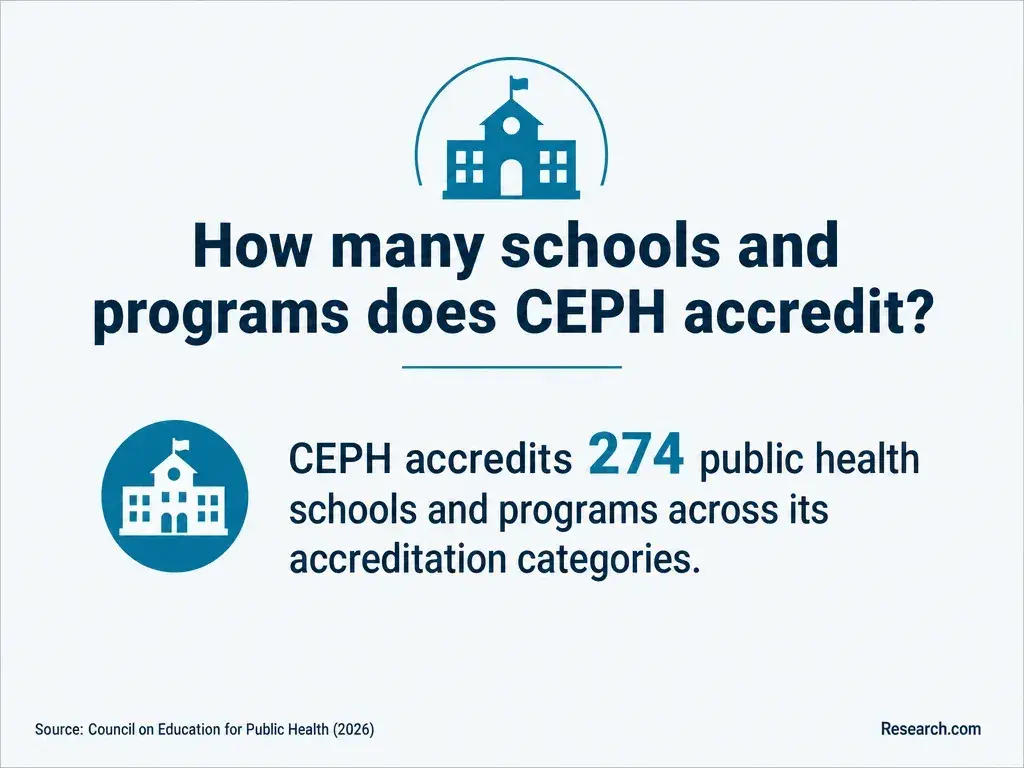
- CEPH-accredited MPH programs require an applied practice experience with at least two products, but the school decides whether a particular site, supervisor, and project satisfy its rules.
- Confirm who may access client information and what can be shared with faculty before work begins; a host's invitation is not permission to use case records or publish findings.
What Is an MPH Practicum in a Public Health Legal Services Partnership?
An MPH practicum - often called an applied practice experience - is supervised work in which a student applies public health skills for an organization outside ordinary classroom exercises. In a public health legal services partnership, a legal aid organization, medical-legal partnership, health department, or community group works with the student on a problem where legal needs and population health intersect.
The student's contribution should be distinct from an attorney's: for example, examining patterns in nonconfidential service data, developing a referral workflow, or evaluating outreach. A site that mainly offers court observation or individual case administration may be valuable exposure but a poor fit for MPH competencies.
Students still deciding whether they need an MPH rather than earlier preparation can use a comparison of public health undergraduate degree options online to distinguish foundational study from graduate-level applied practice.
How Do CEPH Accreditation Standards Apply to an MPH Legal Services Practicum?
For a CEPH-accredited MPH, the applied practice experience must allow students to demonstrate specified competencies through work products. The program documents and assesses those products; the host does not independently award practicum credit. Ask the academic coordinator which competencies, products, approvals, and assessment criteria apply to your entry term before proposing a project.
Check CEPH's directory for the exact accredited school, unit, or program and whether your MPH is within its scope. University-wide accreditation is not the same thing. Likewise, guidance about affordable online public health PhD programs cannot establish an MPH program's CEPH status or applied practice rules: doctoral research and an MPH practicum are different academic requirements.
What Skills and Competencies Can Students Develop Through This Practicum?
A strong placement develops skills the partner can use: assessing a community-defined need, interpreting service patterns without overstating causation, designing an accessible referral or outreach process, and evaluating whether that process reaches its intended audience. Students may also practice communicating across legal, healthcare, and community teams - especially when each uses different definitions of success.
Match tasks to your starting skills. Someone with case-management experience might need more training in measurement and evaluation; someone comfortable with data may need practice listening to community partners and writing plain-language materials.
An online public health bachelor's accelerated class options may help a prospective student identify earlier coursework, but faster coursework is not a substitute for supervised MPH practice. Students should not interpret legal rules for clients, provide legal advice, or present themselves as licensed professionals.
The best project begins with a decision the partner actually needs to make. These examples illustrate possible types of work, not projects that a site has already approved.
| Potential project | Public health purpose | Possible work products |
| Housing-related referral review | Identify gaps between health or community referrals and legal-service intake | Aggregate process map and referral improvement brief |
| Benefits-access outreach | Improve the reach and clarity of information for a defined audience | Plain-language materials and evaluation plan |
| Workplace-conditions partnership | Describe service patterns relevant to prevention efforts | Approved aggregate summary and partner presentation |
Scope matters more than ambition. A descriptive summary cannot establish that legal assistance caused better health outcomes. If the goal is independent epidemiologic research rather than a partner's practice decision, grant-supported epidemiology doctoral pathways address a different kind of preparation. For a practicum, determine data permissions, community input, required review, and what may leave the site before selecting a deliverable.
There is usually no separate, universal "admission" to an MPH legal services practicum. First, the student must meet their MPH program's eligibility rules, which may involve completed coursework or a required stage of enrollment. Then the program must approve the proposed site and experience. The host must separately agree to the role and any onboarding conditions, such as confidentiality training or a background check.
Before applying to an MPH, distinguish degree admission from later placement approval. Public health master's conditional admission options may address an applicant's academic prerequisites, but conditional admission does not reserve a legal services placement. Ask the MPH coordinator when placements can begin, whether a current job can qualify, and which agreements must be signed first.
Online and campus-based MPH students may work with similar kinds of partners, but the degree's delivery format does not determine the practicum's schedule. A remote project might involve planned meetings, secure access to approved data, and work completed from home; client-facing outreach may require regular on-site hours regardless of where classes meet.
For students balancing employment or caregiving, the decisive questions are when the supervisor is available, whether meetings occur during business hours, and whether required travel or campus visits are feasible.
When comparing online MPH programs by admissions accessibility, evaluate field-placement support separately: ease of admission says little about access to an approved partner near home. Confirm that remote supervision, accessibility arrangements, and secure systems meet both school and site rules.
There is no reliable universal duration or price for this placement. Required hours or credits, the academic calendar, approval lead time, and the partner's capacity all vary by MPH program. A short project can also take longer than expected if an agreement, data-use permission, or deliverable review is delayed.
Budget for more than tuition: ask about practicum credits and fees, unpaid hours, commuting, parking, background checks, and any required on-site technology or training. Compare those obligations when reviewing online MPH degree options on a budget; a lower advertised tuition rate does not settle the placement's total cost. Get the school's credit and fee rules and the site's expected schedule in writing before estimating your own cost.
This practicum can provide relevant evidence for entry-level work in community health programs, legal aid partnerships, health-system community benefit teams, public health agencies, and policy or program evaluation. Its strongest career value is a specific, permitted work product and a supervisor who can describe what the student did - not the partnership's name alone.
Responsibilities differ sharply. A program coordinator may manage referrals; an analyst may assess aggregate service patterns; an attorney must satisfy separate legal education and licensure requirements. An MPH does not authorize legal practice, and a placement alone does not qualify someone for a management role.
Students considering earlier entry into community-serving work can compare the cost of a low-cost public health bachelor's programs online with the experience employers actually request before committing to graduate study.
"Public health legal careers" is not one US labor-market occupation, so there is no meaningful single salary or growth rate for this practicum. The US Bureau of Labor Statistics reports occupation-wide wages and projections for roles such as health education specialists, epidemiologists, and lawyers; those figures reflect different duties, qualifications, and labor markets. They are not starting salaries for MPH graduates or outcomes attributable to a legal services placement.
For a useful comparison, select actual job postings in your target location, separate licensed legal roles from public health program roles, and compare their required experience and pay ranges. MPH career pay comparisons can provide broader context, but occupation-specific evidence should drive a decision about whether this practicum builds skills for the work you want.
How Can Students Evaluate a Reputable MPH Legal Practicum?
A reputable placement has a public health purpose, a partner who wants the proposed output, and clear academic and site supervision. Before accepting, request enough detail to test whether the work is feasible rather than relying on a promising organization name.
Ask the academic coordinator and site supervisor the following questions, and resolve disagreements before work begins:
- Which competencies and work products will the school assess, and who approves changes to the project?
- Who supervises day-to-day work, how often will feedback occur, and what tasks are outside the student's role?
- Which records may the student access, where may they be stored, and what can be submitted to faculty or shown in a portfolio?
- What hours, location, onboarding, accessibility arrangements, and out-of-pocket costs does the site expect?
If financing affects whether you can complete an unpaid placement, check the school's actual aid rules rather than assuming eligibility from a program description. Guidance on online public health master's aid eligibility can frame that inquiry; your financial aid office must confirm what applies to your enrollment.
Other Things You Should Know About Public Health
Possibly, but neither program should be assumed to permit double counting. Obtain written approval from both schools and confirm that each program's supervision and assessment rules can be met.
Ownership and reuse depend on the site agreement and school policies. Clarify attribution, editing rights, and permission to share work before creating materials you hope to use later.
Do not assume that removing a name makes a story safe to share. Follow site confidentiality rules and ask what level of aggregation or alteration, if any, the site permits.
Follow the site's escalation procedure and refer the request to an authorized legal professional. An MPH student should not answer beyond their approved role.
- Your Rights Under HIPAA | hhs.gov https://www.hhs.gov/hipaa/for-individuals/guidance-materials-for-consumers/index.html
- Considerations for privacy and confidentiality in adolescent health care service delivery - PMC https://pmc.ncbi.nlm.nih.gov/articles/PMC10186092/
- Competencies for Public Health Professionals | cdc.gov https://www.cdc.gov/infrastructure/training-professional-development/competencies-for-public-health-professionals.html
- 5.5 Unauthorized Practice Of Law | North Carolina State Bar https://www.ncbar.gov/for-lawyers/ethics-and-governing-rules/rules-of-professional-conduct/51-57-law-firms-and-associations/55-unauthorized-practice-of-law/
- Section 2. MPH Practicum - Master of Public Health Practicum Manual - Academic Guides at Walden University https://academicguides.waldenu.edu/masters-public-health-practicum-manual/practicum-overview
- MPH Practicum | Master of Public Health | Brown University https://mph.sph.brown.edu/applied-learning/mph-practicum
- Legal Empowerment to Transform Care - Tamar Ezer https://openyls.law.yale.edu/server/api/core/bitstreams/27299c40-7553-4deb-9ac3-e83226667fd4/content
- The MPH Practicum | Johns Hopkins https://publichealth.jhu.edu/offices-and-services/office-of-public-health-practice-and-training/the-mph-practicum
- Professional Responsibility | Georgetown Law https://www.law.georgetown.edu/experiential-learning/pro-bono-community-service/what-is-pro-bono/professional-responsibility/
- MPH Practicum | Program in Public Health https://publichealth.stonybrookmedicine.edu/academics/practicum


