2027 Best Student Loans for Online College

Student Finance & Loan Expert
Many prospective graduate students face financial challenges when returning to school, especially while balancing work and personal obligations. Finding a student loan that supports flexible repayment options and competitive interest rates is critical to managing debt effectively. Traditional loans may offer limited choices or impose excessive costs over time, complicating long-term financial planning. This article examines various student loan options tailored for online college students. It aims to provide clear, authoritative guidance on selecting loans that align with individual financial situations and educational goals, helping borrowers make informed decisions to minimize debt burden.
- What are the best student loans for online college and how do they work? Best loans
- How do federal and private student loans compare for online students? Federal vs private
- How can I choose the right student loan for my online degree program? Choose a loan
- What eligibility requirements apply to federal loans for online college enrollment? Federal eligibility
- How do I use the FAFSA to apply for loans for an online program? FAFSA steps
- What interest rates, fees, and borrowing limits apply to online student loans? Rates & limits
- What repayment options are best for online students, including income-driven plans? Repayment options
- Which loan forgiveness and cancellation programs can online borrowers qualify for? Forgiveness options
- How do refinancing and consolidation work for student loans used for online college? Refinance & consolidate
- What happens if I can't pay my online college loans, including deferment and default? Deferment & default
What are the best student loans for online college and how do they work?
The best student loans for online college students emphasize federal options because of their lower default rates and adaptable repayment choices. Federal Direct Subsidized and Unsubsidized Loans feature fixed interest rates and income-driven repayment plans that adjust based on earnings, making them accessible without credit checks. These benefits are important to students navigating how student loans for online college work, allowing deferred payments during enrollment and offering deferment or forbearance options during hardships.
Federal loans also provide forgiveness programs for public service careers, unlike private loans. Private student loans are typically considered only after exhausting federal aid and scholarships. They usually require credit checks and can carry variable interest rates that may rise, increasing financial risk. Among those entering repayment in 2025, 24% with federal loans alone faced default risk, compared to 52% relying mostly on private loans, according to the Federal Reserve's 2024 report.
To optimize financing, students should:
- Submit the FAFSA early each year to maximize federal loan eligibility
- Investigate income-driven repayment plans linked to federal loans
- Use private loans cautiously to cover remaining costs
- Compare interest rates and terms carefully when choosing private loans
Students seeking guidance on how to get student loans quickly may find useful resources that streamline the process. Balancing these loan types helps online college students manage debt effectively and reduce stress during and after their studies.
How do federal and private student loans compare for online students?
Federal and private student loans differ significantly in cost, eligibility, and repayment options, especially for online college borrowers. Federal loans, including Direct Subsidized and Unsubsidized Loans, offer fixed interest rates and income-driven repayment plans that provide important protections like deferment and forgiveness programs. These features are vital for students balancing work and education and help improve long-term financial health. In comparison, private loans usually have variable rates, rely heavily on credit scores, and lack flexible repayment options, increasing financial strain for many borrowers.
The average annual tuition and fees for full-time undergraduates enrolled exclusively in online programs at public four-year institutions stand at $10,040, slightly above the $9,410 for all public four-year undergraduates. This highlights the importance of carefully evaluating loan choices to avoid unnecessary debt. Federal loans allow first-time borrowers to access funds without a credit check or cosigner. Private lenders typically require strong credit or a cosigner, limiting access for some students.
Online students benefit from federal loan protections during financial hardship, such as forbearance and income-based repayment plans that adjust monthly payments. Private loans rarely offer similar relief. Students should exhaust federal options before turning to private loans. When private loans are necessary, it is crucial to compare lender terms, interest rates, and borrower benefits. For those seeking guidance on acquiring student funding independently, resources like student loans without parents can be helpful.
The differences between federal and private loans for online college borrowers reflect in the stability and protections federal loans provide versus the variable terms and stricter qualifications of private loans. Understanding federal versus private student loans benefits for online students can help make informed borrowing decisions aligned with individual financial needs.
How can I choose the right student loan for my online degree program?
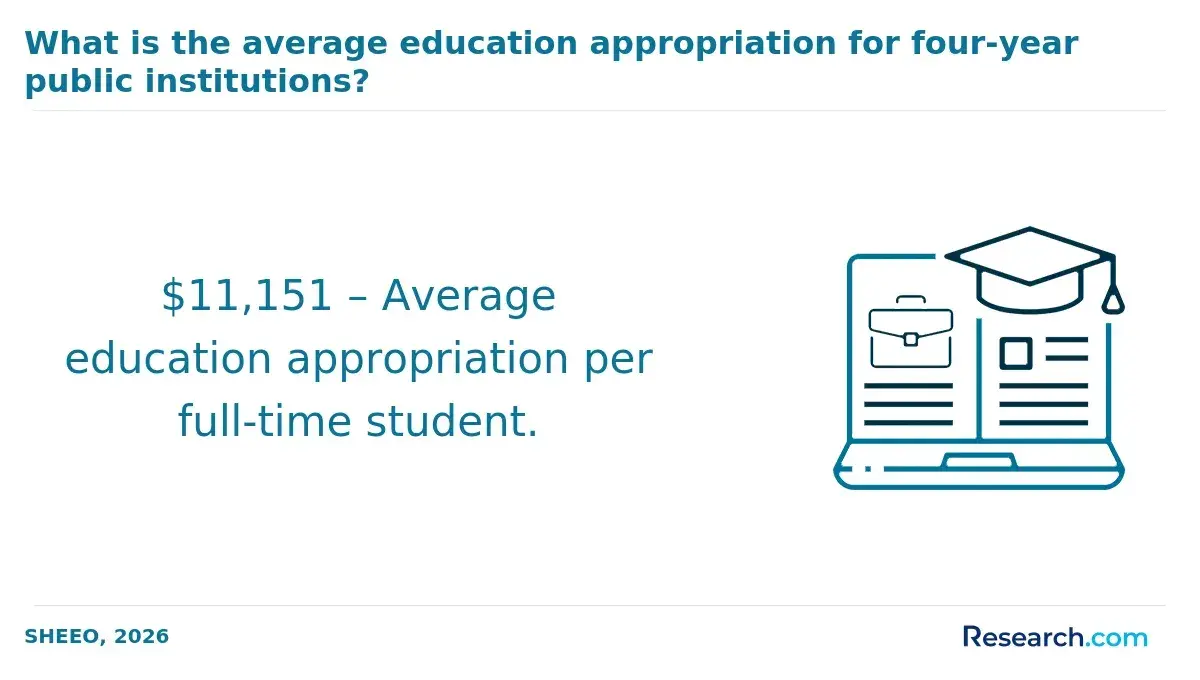
Choosing the best student loan options for online degree programs involves evaluating loan types, interest rates, repayment terms, and eligibility carefully. Federal student loans are often the preferred choice, offering fixed interest rates and flexible repayment options. In 2024-25, 71% of first-time, full-time undergraduates at public four-year institutions borrowed federal loans, averaging $7,130 annually, according to the U.S. Department of Education's NCES Digest of Education Statistics 2025. These loans include borrower protections like income-driven repayment plans and deferment.
Direct Subsidized Loans do not accrue interest while you're enrolled, whereas Direct Unsubsidized Loans start accumulating interest immediately. Both have annual borrowing limits based on your academic year and dependency status. If you reach federal limits or don't qualify, private student loans can fill the gaps but often come with variable interest rates and less flexible repayment terms.
Factors such as your program length, total cost, credit history, and expected income after graduation should influence your decision. Shorter certificate programs may require smaller loans with faster repayment schedules, while four-year degrees might justify larger amounts. Check if your school offers state or institutional loan programs with competitive rates, and always read loan terms carefully, calculating total repayment costs.
Applying early for federal loans through FAFSA maximizes your aid eligibility. After exhausting federal options, consider private lenders and compare fees, interest rates, and cosigner requirements. Prioritize loans with borrower benefits like auto-debit discounts or forgiveness options linked to certain careers. For details on lender incentives, explore programs offering student loan refinance bonus.
Knowing how to select the right student loan for online college ensures you manage debt effectively while supporting your education goals.
What eligibility requirements apply to federal loans for online college enrollment?
Federal student loans for online college require enrollment in an accredited institution participating in federal financial aid programs. Students must maintain at least half-time status, typically enrolling in six or more credit hours per semester. Eligibility also depends on U.S. citizenship or eligible noncitizen status and having a valid Social Security number. These criteria align with general requirements for federal financial aid for online learners.
Applicants must complete the Free Application for Federal Student Aid (FAFSA) annually, which assesses financial need. This determination affects the amount of federal aid available. Unlike private loans, most undergraduate federal loans don't require a credit check or cosigner, enhancing accessibility.
Specific federal loan types have different qualifications: Direct Subsidized Loans target undergraduate students with financial need, whereas Direct Unsubsidized Loans are open to undergraduates and graduate students regardless of need. Loan limits depend on the student's academic year and dependency status, with first-year undergraduates eligible to borrow up to $5,500 per year.
Maintaining satisfactory academic progress is required to keep receiving aid, generally enforcing minimum GPA standards and course completion rates per school policy.
Federal Direct undergraduate loans carry a fixed interest rate of 6.53% for the 2024-25 academic year. Private undergraduate loan APRs range widely from 4.20% to 13.00%, according to Bankrate's 2025 student loan rate survey, often making federal loans more cost-effective. For those considering refinancing options, it's helpful to explore the best banks that refinance student loans.
How do I use the FAFSA to apply for loans for an online program?
Complete the Free Application for Federal Student Aid (FAFSA) online and include your school's federal code to apply for federal student loans, even for online programs. The institution must certify your enrollment status-full-time, half-time, or less-which impacts loan disbursements and eligibility. Providing accurate details about your online attendance terms is crucial to avoid delays or loss of funds.
Your FAFSA submission generates a Student Aid Report (SAR) summarizing your Expected Family Contribution (EFC) and eligibility. Review this report carefully and correct any errors. The school's financial aid office will then offer federal loan options, typically including Direct Subsidized and Unsubsidized Loans.
Federal loans have fixed interest rates and borrower protections compared to private loans, which may have lower rates but less security and usually require a credit check. For example, borrowing $20,000 at a 6.53% federal rate over 10 years results in about $7,190 interest, while a 4.20% private loan rate means roughly $5,070 in interest. Weigh these costs carefully alongside loan terms and fees.
If federal aid is insufficient, you can pursue private student loans from banks or other lenders to supplement funding. Maintaining satisfactory academic progress and promptly informing your school of enrollment changes helps preserve loan eligibility and deferment options during your studies.
What interest rates, fees, and borrowing limits apply to online student loans?
Interest rates on online student loans vary widely by loan type and borrower profile. Federal student loans have fixed rates ranging from about 4.99% to 6.54% for undergraduate and graduate students. Private student loans offer fixed or variable rates starting near 3.5%, but can go as high as 14%, depending largely on credit scores and market conditions.
Fees may include origination, late payment, and prepayment penalties. Federal loans usually charge a fixed upfront origination fee up to 1.057% for Direct Subsidized Loans. In contrast, private lenders may impose origination fees of 5% or more. It is essential for borrowers to carefully review loan disclosures to avoid unexpected fees.
Borrowing limits for federal loans depend on education level and dependency status. Dependent undergraduates can borrow up to $5,500 annually with aggregate limits near $31,000. Graduate students face higher limits, often $20,500 yearly, and aggregate limits up to $138,500 combined with undergraduate debt. Private loans often allow higher maximum borrowing amounts, sometimes covering full tuition and related expenses, though approval depends on creditworthiness and cosigner status.
Credit scores strongly influence private loan rates. As reported by Credible's 2025 Student Loan Affordability Report, applicants with FICO scores above 780 typically receive offers 3.1 percentage points lower than those scoring 660-679. Adding a cosigner can reduce rates by 1.0 to 1.5 points, improving affordability for borrowers with weaker credit.
What repayment options are best for online students, including income-driven plans?
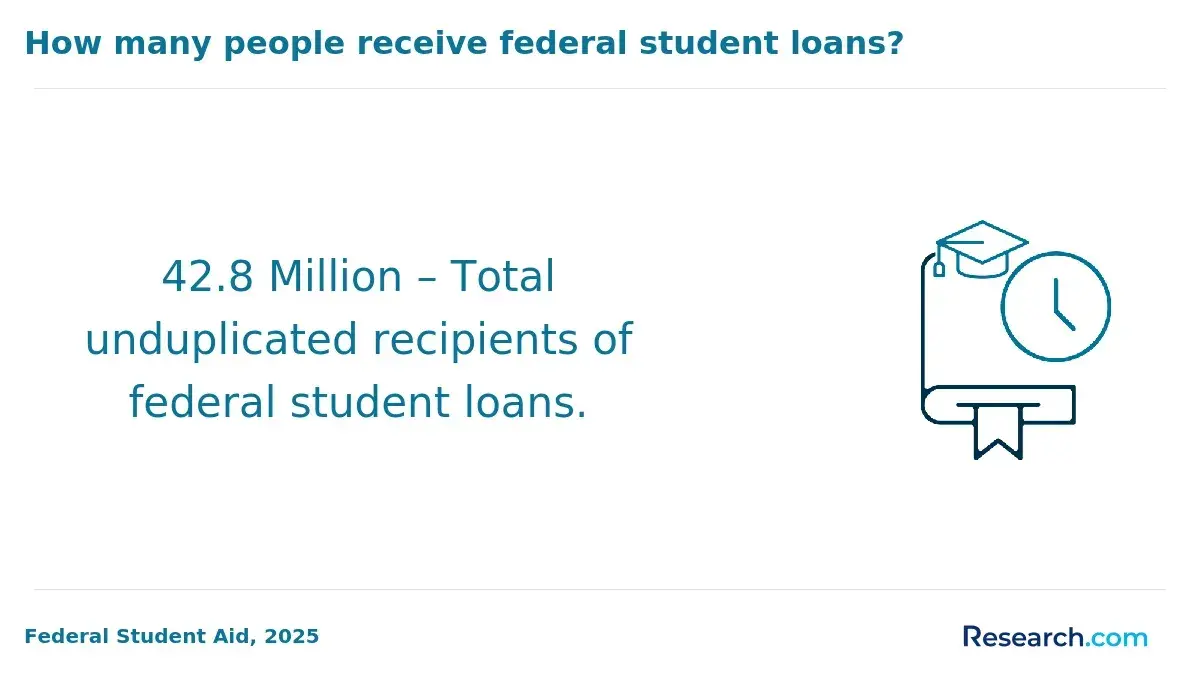
Income-driven repayment plans (IDR) help many online students by adjusting monthly payments based on income and family size, easing financial pressure after graduation. Common IDR options include Revised Pay As You Earn (REPAYE), Pay As You Earn (PAYE), and Income-Based Repayment (IBR), which typically set payments between 10% and 20% of discretionary income. This flexibility is especially important given the median student loan balance of $27,900 for online graduates, higher than the $25,100 median for primarily in-person students, according to the Education Data Initiative's 2025 Student Loan Debt Statistics.
IDR plans benefit those with fluctuating or low incomes, such as part-time workers or freelancers, by keeping payments affordable and automatically adjusting them as earnings change. In contrast, standard 10-year repayment plans suit borrowers with stable, higher incomes looking to pay off debt quickly but come with higher monthly payments that may strain some borrowers.
Those employed by government or nonprofit organizations should consider Public Service Loan Forgiveness (PSLF), which, when combined with an IDR plan, can lead to loan forgiveness after 120 qualifying payments. Graduated and extended repayment plans offer longer repayment periods-up to 25 years-but result in higher total interest paid.
Borrowers must recertify their income annually for IDR plans and regularly review their financial circumstances to choose the most beneficial repayment strategy.
Which loan forgiveness and cancellation programs can online borrowers qualify for?
Federal loan forgiveness and cancellation programs provide relief to many online borrowers, but eligibility depends on loan type and employment. The Public Service Loan Forgiveness (PSLF) program offers forgiveness to federal Direct Loan borrowers who work full-time in qualifying public service jobs, such as education, healthcare, and government. Borrowers must make 120 qualifying payments while employed by eligible employers.
Income-Driven Repayment (IDR) forgiveness covers most federal loans, including those from online programs. After 20 or 25 years of payments under plans like PAYE, REPAYE, or IBR, remaining balances can be forgiven. Annual income documentation is required to maintain eligibility and avoid default.
Teacher Loan Forgiveness benefits educators who work full-time in low-income schools for five years, forgiving up to $17,500 on Direct Loans or FFEL Program loans, including those who studied online. Perkins Loan cancellation provides partial forgiveness for teachers, nurses, and certain public service workers.
Additional programs address total and permanent disabilities or closed school discharges if an online institution ceases operations.
Loan repayment challenges remain: 21% of borrowers from primarily online programs were in federal loan default three years after repayment began, compared to 12% of those from fully in-person programs, highlighting the importance of choosing federal Direct Loans and maintaining qualifying payments.
How do refinancing and consolidation work for student loans used for online college?
Consolidation and refinancing offer different solutions for managing student loans from online colleges. Consolidation combines multiple federal loans into a single Direct Consolidation Loan, simplifying payments with one fixed interest rate. This typically lowers monthly payments by extending the repayment term but does not reduce the overall interest rate. Consolidation is especially useful for borrowers juggling multiple payments or variable rates, as it streamlines billing and payment management.
Refinancing replaces federal or private loans with a new private loan, often at a lower interest rate determined by credit score and income. While refinancing can cut interest costs and monthly payments, it removes access to federal benefits like income-driven repayment plans and loan forgiveness programs. For example, a graduate with $30,000 in federal student debt from an online computer science degree might refinance at 5% instead of 6.8%, reducing payment amounts but sacrificing federal loan protections.
Career earnings also impact the decision. According to the Education Data Initiative's 2025 Online Degree Outcomes report, median annual salaries four years post-graduation are $74,600 for computer and information sciences majors, $46,400 for online business majors, and $39,800 for liberal arts majors. Higher earning potential may justify refinancing to improve credit status and save costs, while others might prefer consolidation to retain federal safeguards during financial uncertainty.
- Consolidation: combines federal loans, fixed rate, longer term
- Refinancing: replaces loans privately, lower rates but loses federal benefits
- Consider earnings and job market stability before choosing
What happens if I can't pay my online college loans, including deferment and default?
If you cannot pay your online college loans, the consequences vary depending on the loan type and repayment status. Federal student loans offer options like deferment and forbearance, which temporarily pause or reduce payments without entering default. Deferment applies during active military duty, half-time school enrollment, or economic hardship, and it stops interest from accruing on subsidized loans during the break. Forbearance allows postponement, but interest continues accumulating on all federal loans.
Missing payments for 270 days without arranging deferment or forbearance leads to default on federal loans. Default results in the entire loan balance becoming due immediately, potential wage garnishment without court approval, withholding of tax refunds, and severe damage to your credit score, complicating future borrowing. Private loans have varied default policies and generally offer fewer protections, so contacting lenders early is essential.
To avoid default, students should:
- Contact their loan servicer immediately if payments become difficult.
- Explore income-driven repayment plans that adjust monthly payments based on income and family size.
- Consider loan rehabilitation or consolidation options after default to regain good standing.
Online and hybrid students could make up about 40% of federal loan originations by 2030, which means more borrowers will face these repayment challenges. Proactive management of deferment, forbearance, and default policies is key for maintaining financial health during and after studies.
Other Things You Should Know About
Yes, student loans can often be used to cover educational expenses beyond tuition, which may include necessary technology and supplies for online college. Federal student loans and many private loans provide flexibility in spending so long as it is related to your education.
Private lenders often provide loans for students enrolled in accredited online degree programs. However, the availability and terms can vary based on the school's accreditation and the lender's policies. Prospective borrowers should verify with the lender that their chosen online program qualifies before applying.
Enrollment status-such as full-time versus part-time-can impact the amount and type of student loans you qualify for. Federal loans often require at least half-time enrollment, while private lenders may have different criteria. Maintaining your enrollment status as required is important to stay eligible and avoid repayment issues.
Typically, federal student loans are only available to U.S. citizens and eligible non-citizens. Some private lenders may offer loans to international students enrolled in online programs, but these usually require a U.S. co-signer. Prospective international borrowers should explore all options carefully and verify lender requirements.