2027 Student Loan Refinance After Bankruptcy

Student Finance & Loan Expert
After a bankruptcy discharge, many borrowers face the challenge of rebuilding credit and managing existing student loan debt. Refinancing these loans can seem complicated due to lingering financial damage and lender restrictions.
Potential applicants often worry about eligibility and whether refinancing will truly benefit their situation. This scenario underscores the importance of understanding how bankruptcy status affects refinancing options for federal and private student loans.
This article explores the refinancing process for those who have filed bankruptcy and provides guidance on navigating eligibility requirements, improving loan terms, and restoring financial stability through strategic refinancing.
- How does refinancing student loans work after a bankruptcy discharge or dismissal? Refinance Basics
- When are you eligible to refinance federal or private student loans after bankruptcy? Refinance Timing
- How does bankruptcy affect your credit score and ability to qualify for refinancing? Credit Impact
- Which lenders refinance student loans for borrowers with a past bankruptcy? Eligible Lenders
- What documentation and proof do refinancing lenders require after bankruptcy? Required Docs
- How do interest rates and terms compare when refinancing after bankruptcy? Rates & Terms
- Can you refinance federal loans after bankruptcy without losing federal protections? Federal Trade-offs
- What strategies improve your chances of approval to refinance after bankruptcy? Approval Tips
- How do cosigners and co-borrowers affect refinancing options post-bankruptcy? Cosigner Role
- What alternatives exist if you can't qualify to refinance student loans after bankruptcy? Refinance Alternatives
How does refinancing student loans work after a bankruptcy discharge or dismissal?
Refinancing student loans after a bankruptcy discharge or dismissal is possible but often complicated. Bankruptcy generally does not eliminate federal student loans unless a rare adversary proceeding proves "undue hardship."
According to a 2025 study summarized by CNBC, only 0.2% of borrowers filing bankruptcy between 2011 and 2024 pursued this option. As a result, most borrowers remain responsible for their student loan debt, making it important to explore student loan refinancing options after bankruptcy carefully.
Refinancing means replacing old loans with a new private loan, typically offering lower interest rates or more favorable terms. Lenders assess credit scores, income, and payment history. A bankruptcy record reduces creditworthiness, making refinancing challenging immediately after discharge or dismissal.
To increase approval chances:
- Wait 1-2 years for your credit score to improve after bankruptcy.
- Add a creditworthy co-signer to strengthen your application.
- Compare multiple lenders, as their requirements vary significantly.
Refinancing federal loans turns them into private debt, removing federal protections like income-driven repayment and forgiveness options. Borrowers must weigh these consequences carefully. When considering how to refinance student loans following bankruptcy discharge, it's essential to understand that loans discharged through adversary proceedings cannot be refinanced since they are legally erased.
For those without loan discharge, refinancing may help improve financial situations if lender criteria are met and federal benefits are sacrificed knowingly. For urgent needs, exploring options like quick student loans might be useful in bridge financing or emergencies.
When are you eligible to refinance federal or private student loans after bankruptcy?
You become eligible to refinance federal or private student loans after bankruptcy once your case has been discharged by the court, eliminating your dischargeable debts. This usually happens months after filing, depending on whether you filed under Chapter 7 or Chapter 13.
However, eligibility alone does not ensure refinancing approval since lenders also assess creditworthiness, income stability, and repayment history. This is important for those exploring student loan refinance eligibility after bankruptcy.
Federal student loans generally cannot be discharged in bankruptcy, so they often stay on your credit report. Refinancing these federal loans into private ones requires qualifying based on current financial factors. Many lenders view post-bankruptcy borrowers as higher risk, worsened by data showing a sharp increase in student loan delinquencies, making refinancing more challenging.
Private student loans discharged in bankruptcy may qualify for refinancing sooner because those debts are wiped out. Still, lenders typically require steady income, improved credit scores, and a period of 12 to 24 months post-discharge with no new payment issues to demonstrate financial recovery.
Actions that improve refinancing chances include:
- Rebuilding credit with secured credit cards or small personal loans.
- Maintaining steady employment and income proof.
- Lowering the debt-to-income ratio.
Be aware that refinancing federal loans into private loans causes loss of federal benefits like income-driven repayment plans and loan forgiveness programs. For more information on managing federal student loans, consider resources such as federal student loans without parents.
How does bankruptcy affect your credit score and ability to qualify for refinancing?
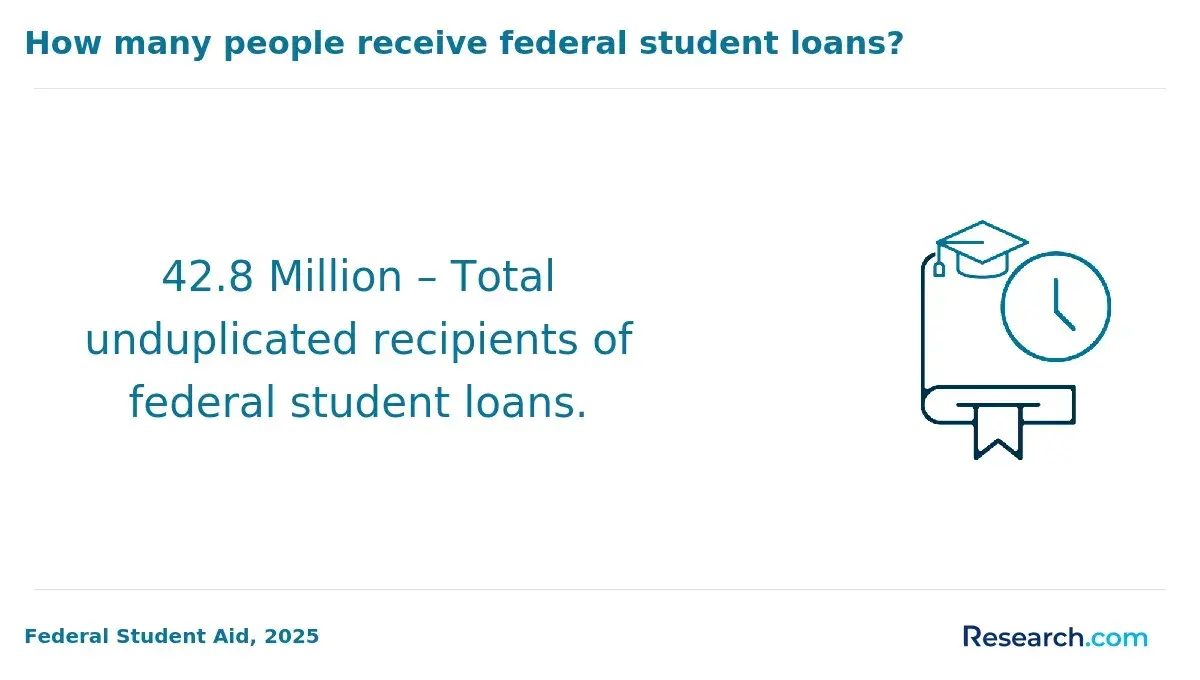
Bankruptcy can significantly reduce your credit score, often by 100 points or more, which affects your student loan refinance eligibility after bankruptcy. A Chapter 7 bankruptcy stays on your credit report for up to 10 years, while Chapter 13 remains for 7 years.
This long-term impact makes refinancing student loans challenging immediately following bankruptcy due to stricter lender requirements.
The 2022 Biden administration policy improved circumstances by increasing successful student loan discharge rates in bankruptcy. Jason Iuliano's 2025 analysis found 87% of borrowers eliminated some or all student loan debt through bankruptcy discharge, up from 61% in 2017.
Although this allows many to refinance with a clean student debt slate, their credit profiles may still be damaged from bankruptcy.
Lenders typically consider several factors when approving refinancing after bankruptcy, including:
- Time passed since bankruptcy discharge, usually 2-4 years to rebuild credit.
- Improved credit scores and payment history on other debts.
- Stable income and a favorable debt-to-income ratio to offset credit challenges.
Borrowers with co-signers, steady employment, or rising income generally have better approval chances. Some lenders specialize in refinancing loans for those with prior bankruptcies but may demand higher rates or extra documentation. It's important to check your credit report for errors and rebuild credit responsibly before applying to refinance student loans.
For those exploring options, reviewing current parent student loan rates can offer insight into competitive refinancing products despite past credit challenges.
Which lenders refinance student loans for borrowers with a past bankruptcy?
Few lenders refinance student loans for borrowers with a past bankruptcy, but some private lenders like SoFi and PenFed offer refinancing options to individuals who have completed bankruptcy, provided they have a clean credit record post-bankruptcy, stable income, and a reasonable debt-to-income ratio.
Other lenders may accept recent Chapter 7 discharges only if the borrower has re-established credit. Federal loans cannot be refinanced during default or bankruptcy, making private refinancing the primary pathway.
Lenders offering student loan refinance for bankruptcy cases often charge higher interest rates to offset risk. A LendingTree analysis of 2024 data revealed that consumers with bankruptcies typically pay about 2.7 percentage points more interest than borrowers with similar credit scores but no bankruptcy history. Shopping around and improving factors such as income and credit rebuilding can help qualify for better rates.
Eligibility varies widely: some lenders refuse applications if bankruptcy was filed within the last 5 to 7 years; others require at least two years free of new derogatory marks post-discharge. Using a cosigner can increase approval chances and reduce interest rates. Credit unions and community banks may provide more flexible refinancing criteria.
Gathering documentation like discharge papers, proof of income, and current debt statements is essential. Borrowers should prioritize transparency about bankruptcy policies and be prepared for slightly higher costs reflecting their credit history. Knowing when to refinance student loans can make a difference in securing favorable terms on student loan refinancing options after bankruptcy.
What documentation and proof do refinancing lenders require after bankruptcy?
Refinancing student loans after bankruptcy involves providing thorough documentation to verify financial stability and creditworthiness. Lenders typically require proof of bankruptcy discharge to confirm the case's closure and reset of financial obligations. This documentation ensures the bankruptcy process is finalized under court terms.
Applicants generally need to submit:
- Recent pay stubs.
- Tax returns from the past two years.
- Employer contact information.
- Credit reports reflecting post-bankruptcy activity.
- Current loan statements for outstanding balances.
- Proof of residency and government-issued identification.
Minimum credit score requirements often start around 660, reflecting lenders' risk management after bankruptcy. According to EducationData.org's refinance survey, private student loan refinance rates vary considerably, from 4.24% to 13.50% fixed, and 5.25% to 12.99% variable among over 35 lenders. These variations highlight how credit recovery impacts refinance offers.
Lenders differ in their focus: some prioritize steady income, while others emphasize credit rebuilding efforts like timely payments on new credit accounts. Borrowers should expect more intense scrutiny compared to those without bankruptcy history, making comprehensive and accurate paperwork essential to improve loan approval chances and obtain better rates.
How do interest rates and terms compare when refinancing after bankruptcy?
Refinancing student loans after bankruptcy often comes with higher interest rates than those available to borrowers without a bankruptcy history. Lenders generally apply risk premiums, resulting in fixed rates from 7% to 12%, compared to typical rates of 4% to 7% for borrowers with good credit.
Variable rates may start lower but carry the risk of future increases. Loan terms usually range from 5 to 15 years, shorter than federal repayment plans, aiming to reduce overall interest costs.
Approval for refinancing after bankruptcy requires strong credit recovery, steady income, and often a co-signer. Without these, borrowers face either denial or unfavorable rates. Unlike income-driven federal repayment plans that adjust payments based on income, refinancing offers fixed monthly payments, increasing predictability but lacking federal borrower protections.
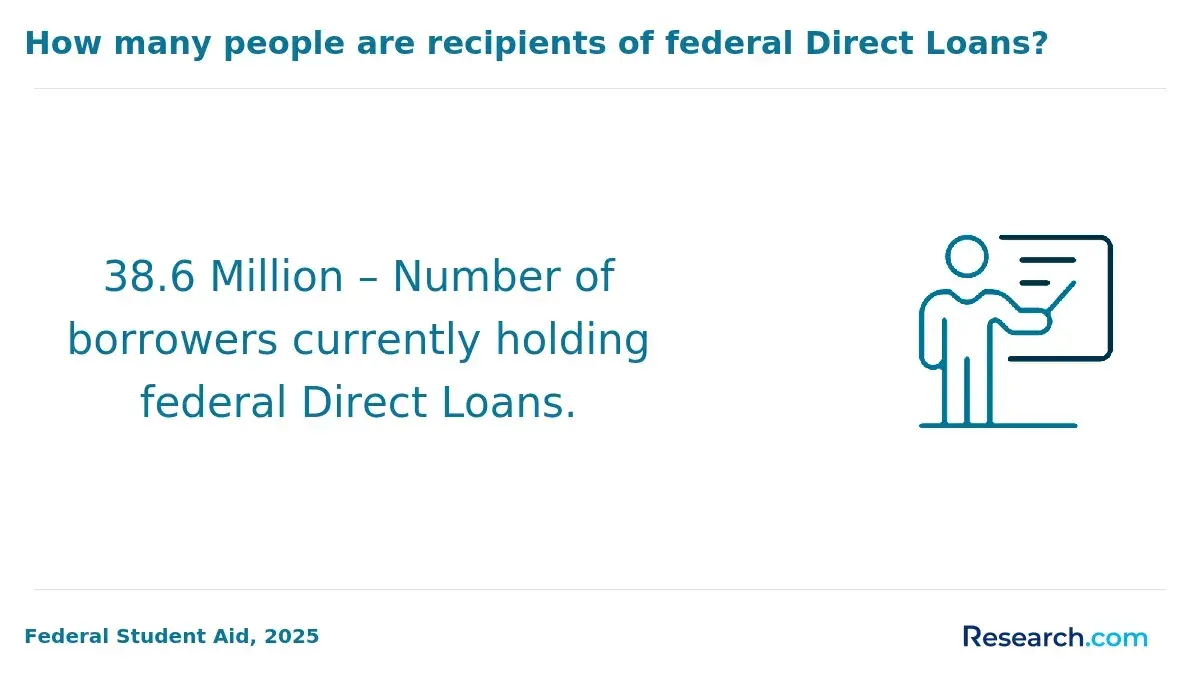
The U.S. Department of Education reports that 10.6 million borrowers hold $468.6 billion in federal loans under income-driven repayment options such as ICR, IBR, PAYE, and SAVE/REPAYE. Many prefer these plans after bankruptcy to avoid high private rates and strict refinance requirements.
Those considering refinancing after bankruptcy should evaluate:
- Whether their credit and income qualify for competitive interest rates.
- The benefits of shorter, fixed loan terms versus flexible income-driven repayment plans.
- The absence of federal protections in private refinancing agreements.
Refinancing may reduce total interest paid if qualifications are met, but many rely on federal income-driven plans for affordability and repayment flexibility.
Can you refinance federal loans after bankruptcy without losing federal protections?
Refinancing federal student loans after bankruptcy causes borrowers to lose federal protections. Once federal loans are refinanced through private lenders, the loans convert to private status, eliminating access to income-driven repayment plans, loan forgiveness programs like Public Service Loan Forgiveness (PSLF), and flexible deferment or forbearance options.
According to the Congressional Research Service's 2024 report "A Snapshot of Federal Student Loan Debt," about 90% of outstanding student loans are federal. Refinancing these compromises critical federal benefits, a significant concern for those recovering from bankruptcy.
Key considerations for borrowers:
- Federal loans provide safeguards that can prevent default if income drops.
- Refinancing private loans removes eligibility for federal forgiveness programs and income-based repayment plans.
- Private lenders typically require strong credit and income, which may be challenging post-bankruptcy.
- Federal student loans are rarely discharged through bankruptcy, so obligations usually remain.
For individuals seeking lower payments or improved rates, retaining federal loan status offers safer options. Income-driven repayment adjusts monthly payments based on earnings, an important factor after bankruptcy. Refinancing incorrectly can raise payments and remove relief choices, increasing financial stress.
Careful evaluation and advice from experts familiar with post-bankruptcy student loan issues are essential before refinancing decisions are made.
What strategies improve your chances of approval to refinance after bankruptcy?
Refinancing student loans after bankruptcy demands thoughtful financial steps and strategic planning. Start by maintaining a stable income and keeping your debt-to-income ratio below 40%, as lenders favor borrowers with manageable debt loads. Having at least six months of steady employment also strengthens your case.
Work on rebuilding your credit, aiming for a score above 640. This can be achieved by using secured credit cards or small installment loans responsibly and paying bills on time. It's important to avoid new credit inquiries before applying to refinance to preserve your credit profile.
Consider enlisting a co-signer with strong credit to offset your bankruptcy history. A co-signer often helps reduce lender risk and secure more favorable interest rates.
Compile all documentation related to your bankruptcy discharge alongside evidence that shows improved financial management. Transparency can help alleviate lender concerns.
Shop around for lenders focusing on post-bankruptcy refinancing, as some offer more flexible underwriting tailored to those recovering from financial hardship.
- Maintain steady income with low debt-to-income ratio.
- Rebuild credit score above 640.
- Use a co-signer if possible.
- Provide thorough bankruptcy and financial improvement documentation.
- Compare lenders with flexible refinancing options.
Research by Earnest's internal analysis found only about 10% of eligible borrowers refinance when financially beneficial, leaving substantial interest savings unclaimed. Improving preparation addresses these opportunities effectively.
How do cosigners and co-borrowers affect refinancing options post-bankruptcy?
Bankruptcy severely lowers credit scores, making student loan refinancing challenging due to higher interest rates. According to the New York Fed Household Debt and Credit report, borrowers with serious delinquency on student loans have credit scores about 150 points lower than those without. Including a cosigner or co-borrower with strong credit can significantly improve refinancing options by reducing lender risk.
A cosigner guarantees the loan if the primary borrower defaults, often resulting in better approval chances and lower rates despite bankruptcy history. For example, a recent graduate with bankruptcy might qualify for more favorable terms when a parent with strong credit cosigns. Similarly, a co-borrower who shares repayment responsibility offers comparable advantages.
Lenders differ in their requirements: some demand cosigners only if minimum credit standards aren't met; others allow refinancing without one but at higher rates. It's important to review lender policies closely.
Potential risks to cosigners include full liability for the loan if payments are missed, though bankruptcy on the borrower usually does not affect the cosigner's credit unless default occurs.
Common questions include:
- Can a cosigner be removed later? Typically only after the borrower shows independent creditworthiness.
- Does borrower bankruptcy impact cosigner credit? Generally no, unless payments are missed.
- Are co-borrowers equally responsible? Yes, both share liability.
Using a cosigner or co-borrower helps overcome post-bankruptcy credit challenges and secure better refinancing terms. Selecting reliable parties and understanding responsibilities is essential for protecting all involved.
What alternatives exist if you can't qualify to refinance student loans after bankruptcy?
If you cannot refinance student loans after bankruptcy, several effective alternatives exist to manage your debt. Federal student loan programs offer income-driven repayment plans that adjust monthly payments according to your earnings, providing relief without refinancing.
For private loans, negotiating with lenders for modified payment schedules or hardship forbearance may help prevent default.
Credit counseling through nonprofit organizations can support you in creating a structured repayment plan tailored to your financial situation post-bankruptcy. Some borrowers may also consider consolidating federal student loans through the Direct Consolidation Loan program, which simplifies payments but does not reduce interest rates.
Improving your credit profile by making consistent payments on current debts, including student loans still owed, can increase your chances of refinancing later.
According to LendingTree's 2025 student loan data, refinancing borrowers often reduce their interest rates by 1-2 percentage points, leading to significant savings over time. Private lenders may request a co-signer to reduce risk after bankruptcy, offering lower rates if you have a reliable co-signer.
- Enroll in income-driven repayment plans if eligible for federal loans.
- Negotiate payment modifications with private lenders.
- Use credit counseling services for tailored repayment strategies.
- Consider federal loan consolidation programs.
- Work on credit improvement to qualify for refinancing later.
- Explore federal and state loan forgiveness or discharge options.
- Leverage a co-signer to enhance refinancing opportunities.
Other Things You Should Know About
Refinancing student loans after a bankruptcy discharge in 2027 can be challenging. Most lenders require that bankruptcy cases be fully resolved and may impose waiting periods to establish reestablished creditworthiness. It is advisable to explore multiple lenders to find those offering terms that accommodate post-bankruptcy refinancing.
Filing for bankruptcy can temporarily halt most debt collection efforts through an automatic stay, but this protection typically does not extend to student loans. Unless the borrower successfully proves undue hardship, student loan collection can continue after the stay is lifted. Therefore, bankruptcy usually does not provide long-term relief from student loan repayment obligations.
Federal student loan forgiveness programs generally remain available to borrowers regardless of bankruptcy status. Programs like Public Service Loan Forgiveness (PSLF) and income-driven repayment forgiveness continue to apply. Bankruptcy does not disqualify borrowers from these federal benefit programs.
Bankruptcy does not directly affect eligibility for federal student loan repayment plans. Borrowers can still apply for income-driven repayment plans or deferments after bankruptcy discharge. These options help manage monthly payments independently of bankruptcy status.