2027 Best Criminal Justice Graduate School Loans

Student Finance & Loan Expert
Many prospective criminal justice graduate students face difficulty securing affordable funding, especially when switching from unrelated undergraduate fields. Rising tuition and living costs often create barriers that discourage enrollment or lead to high debt burdens.
Students may struggle to find loan options tailored to their specific needs, resulting in costly financing or missed opportunities. Navigating the complex loan landscape without clear guidance can cause delays or poor borrowing choices.
This article examines the best graduate school loan options available, highlighting key features and eligibility to help readers make informed financial decisions for their advanced criminal justice studies.
- What types of student loans are available for criminal justice graduate programs? Loan Types
- How do federal and private loans compare for criminal justice graduate school? Federal vs. Private
- How much can you borrow for a criminal justice master's or PhD program? Borrowing Limits
- What are typical interest rates and fees for criminal justice graduate student loans? Rates & Fees
- How do you qualify and apply for graduate student loans for criminal justice programs? Eligibility & Application
- Which repayment plans work best for criminal justice graduates with federal loans? Best Repayment
- What loan forgiveness options exist for criminal justice and public safety careers? Forgiveness Options
- When does repayment start, and how can you manage payments during low-paying roles? Starting Repayment
- Should criminal justice graduates refinance or consolidate their student loans? Refinance vs. Consolidate
- How can you minimize debt while funding a criminal justice graduate degree? Minimize Debt
What types of student loans are available for criminal justice graduate programs?
Students pursuing criminal justice graduate programs have several student loan options, with federal loans being the most accessible. These include Direct Unsubsidized Loans, which do not require proof of financial need and have fixed interest rates, and Graduate PLUS Loans that offer additional funding but require a credit check and have higher rates.
Federal loans come with benefits like income-driven repayment plans, deferment, and forgiveness programs-essential tools for managing debt.
Private student loans through banks or credit unions present another route but typically demand a strong credit history or cosigner and have variable interest rates.
These loans usually lack the flexible repayment or forgiveness options found in federal loans, so borrowers should consider private financing only after maximizing federal aid. For insight into alternative financing, explore dental school loan options to compare structure and terms.
Loan refinancing is available to graduates aiming to lower interest rates or consolidate payments, though this depends on creditworthiness and forfeits federal protections.
The burden of graduate loan debt is significant: the average student finishes with $77,300 in graduate debt, which rises to $88,220 including undergraduate loans. This highlights why evaluating the best financing options for criminal justice graduate school is vital before borrowing.
Those worried about debt should carefully assess borrowing needs, avoid exceeding federal limits, and research programs like Public Service Loan Forgiveness, which can ease long-term repayment challenges for criminal justice professionals.
How do federal and private loans compare for criminal justice graduate school?
Federal and private loans for criminal justice graduate school differ markedly in eligibility, interest rates, repayment options, and borrower protections. Federal loans feature fixed interest rates set by Congress, generally lower than private loan rates. Graduate Direct Unsubsidized Loans have rates around 6-7%, while private loans start higher and fluctuate with credit scores.
A comparison of loan options for criminal justice graduate students shows federal loans offer income-driven repayment plans that adjust monthly payments based on income and family size.
This flexibility benefits graduates with a median debt of $25,527, according to Education Data Initiative. Private loans typically require fixed payments and credit approval, often needing cosigners, and lack these repayment adjustments.
Federal loans include protections such as deferment, forbearance, and Public Service Loan Forgiveness programs. These are especially advantageous for criminal justice professionals in qualifying public service roles. Private lenders do not match these benefits.
Private loans may be used to cover funding gaps after federal limits are exhausted, but their variable interest rates can increase costs unexpectedly. Students should prioritize federal loans and consider private options only when necessary.
For those wondering how to pay for college without parents, understanding the distinctions between loan types is key to minimizing debt and repayment risk.
How much can you borrow for a criminal justice master's or PhD program?
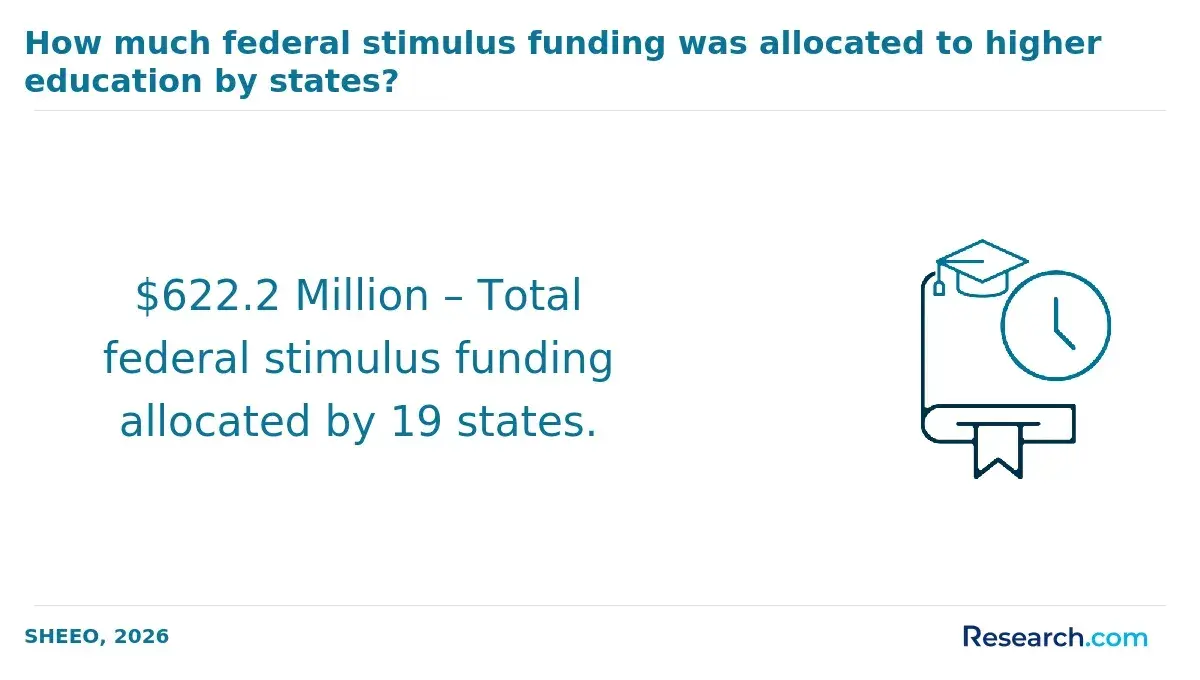
The maximum loan amounts for criminal justice graduate programs depend largely on the loan type and lender. Federal Direct Unsubsidized Loans allow graduate students to borrow up to $20,500 annually, with a total aggregate limit of $138,500, which includes any undergraduate debt.
Private loans can cover additional costs beyond these federal limits and often finance the full cost of attendance, including tuition, fees, and living expenses. However, terms and maximum amounts vary depending on creditworthiness and lender policies.
Typical borrowing limits for criminal justice master's and doctoral degrees reflect program costs, which usually range between $15,000 and $50,000 per year. Doctoral programs, such as PhD tracks, may last five to seven years, increasing overall expenses.
While criminal justice students generally carry less debt than professional doctorate holders-such as medical or law graduates-they should plan for borrowing amounts that can exceed $60,000 across their program.
Students can reduce debt by maximizing federal loans before seeking private financing, exploring scholarships and assistantships, and following debt repayment plans aligned with projected criminal justice salaries.
For those seeking additional financial aid options, there are valuable resources for school grants for adults over 30 that may help offset costs.
What are typical interest rates and fees for criminal justice graduate student loans?
Typical interest rates for criminal justice graduate loans vary by loan type. Federal Direct Unsubsidized Loans carry fixed rates near 7.05%, while Federal Grad PLUS Loans, which require a credit check, have higher fixed rates around 8.05%.
Rates for private loans range broadly from 4% to 14%, influenced by the borrower's credit score, lender, and repayment conditions. When comparing fees associated with criminal justice graduate student loans, federal loans include origination fees usually about 1.057%, deducted upfront for loans disbursed in 2026.
Private lenders may charge application or origination fees that vary widely, so reviewing terms before borrowing is critical.
High interest rates significantly affect total repayment amounts over time. For example, the average law graduate debt has risen 191% since 2000 to $167,399, impacting over 67% of LL.B. or J.D. holders. Even slight differences in rates can increase long-term costs substantially.
Students should weigh federal loan protections like income-driven repayment plans and potential forgiveness against often less flexible private loan options. Credit history strongly impacts private loan offers, making federal loans a safer choice for those with limited credit.
When evaluating options, keep in mind:
- Federal loans have fixed rates and borrower protections that benefit many students.
- Private loans might offer lower initial rates but often lack repayment flexibility.
- Origination fees reduce the loan amount actually received, which affects effective borrowing power.
- Your credit history strongly influences private loan interest rates.
For additional insights, exploring the best banks that refinance student loans can be a valuable step in managing costs and repayment terms effectively.
How do you qualify and apply for graduate student loans for criminal justice programs?
To apply for graduate student loans in criminal justice programs, begin by completing the Free Application for Federal Student Aid (FAFSA). This form evaluates your eligibility for federal loans based on financial need and enrollment status, which must be at least half-time.
Federal Direct Unsubsidized Loans are commonly offered to graduate students with borrowing limits up to $20,500 annually.
Starting July 1, 2026, federal regulations will eliminate Grad PLUS Loans for new borrowers. According to FinAid's 2026 update, these loans will be replaced by stricter borrowing limits: a maximum of $20,500 per year and a lifetime cap of $100,000 for most programs. Planning your funding strategy is crucial due to these changes.
Private loans remain an option if federal aid is insufficient or unavailable. They usually require credit approval and sometimes a co-signer, with typically higher interest rates and less favorable repayment terms. It's important to compare private loan options carefully.
Steps to apply include:
- Submit FAFSA early each academic year to secure the most aid.
- Consult your school's financial aid office for guidance on program-specific loans.
- Carefully review your financial aid award letter to understand loan types, limits, and terms.
- Prioritize federal Direct Unsubsidized Loans over private loans to reduce financial risk.
If federal loans are denied, consider appealing or exploring alternative federal aid like TEACH Grants if eligible. Maintaining good credit and academic progress is essential throughout your studies.
Which repayment plans work best for criminal justice graduates with federal loans?
Criminal justice graduates benefit greatly from federal repayment plans that emphasize affordability and payment flexibility. Income-Driven Repayment (IDR) plans like Income-Based Repayment (IBR), Pay As You Earn (PAYE), and Revised Pay As You Earn (REPAYE) tailor monthly payments to income and family size, which helps reduce financial pressure for those entering public service or lower-paying roles.
IDR plans typically limit payments to 10-15% of discretionary income and forgive any remaining balance after 20-25 years. For instance, a recent graduate earning $45,000 annually could pay approximately $300 to $400 monthly with REPAYE, significantly less than the over $500 monthly under the standard fixed plan.
Those working in government or nonprofit sectors should consider Public Service Loan Forgiveness (PSLF), which cancels remaining debt after 120 qualifying payments made while working full-time in eligible public service positions. Since many criminal justice professionals serve in public agencies, PSLF offers substantial debt relief.
Extended Repayment plans are another option for graduates with federal Direct Loans over $30,000, offering terms up to 25 years with fixed or graduated payments to lower monthly costs.
Due to federal borrowing limits introduced for 2026, nearly one-third of graduate students with federal loans have exceeded these caps. According to the Philadelphia Federal Reserve, about 40% of these borrowers may find it difficult to secure private loans without a cosigner, highlighting the importance of federal repayment options that adjust to income.
What loan forgiveness options exist for criminal justice and public safety careers?
Loan forgiveness programs help reduce student debt for those in criminal justice and public safety careers, primarily through federal initiatives. The Public Service Loan Forgiveness (PSLF) program is a major opportunity, offering full loan forgiveness after 120 qualifying payments while employed by a government or non-profit organization. Eligible roles include law enforcement, corrections, and emergency management.
Income-Driven Repayment (IDR) forgiveness offers another path, forgiving any remaining balance after 20 or 25 years of qualifying payments depending on the plan. Unlike PSLF, forgiven amounts under IDR may be considered taxable income.
Many states and local agencies provide additional forgiveness or repayment assistance for public safety roles such as police officers and firefighters, often tied to years of service commitments.
Graduates should confirm their employer's eligibility under PSLF and keep detailed records of their payments and employment history. Challenges often arise when the employer type or loan plan does not meet program requirements.
Student debt varies widely; according to Education Data Initiative's 2026 report, median PhD debt in fields like Pharmacy can exceed $320,000, while criminal justice debt is generally lower but still significant. Exploring forgiveness options early can ease financial burdens.
Other resources include the Teacher Loan Forgiveness program for criminal justice educators and state-specific first responder repayment initiatives. Applying early and understanding program criteria can maximize benefits and reduce outstanding debt more effectively.
When does repayment start, and how can you manage payments during low-paying roles?
Repayment of federal graduate student loans starts six months after dropping below half-time enrollment. For Grad PLUS Loans, payments must begin within six months of graduation, leaving school, or dropping below half-time status. This timing allows borrowers to plan their finances carefully before repayment begins.
Several federal options can help manage payments during financial challenges:
- Income-Driven Repayment (IDR) plans adjust payments based on income and family size, often significantly lowering monthly amounts. The Revised Pay As You Earn (REPAYE) plan, for example, can reduce payments to 10% of discretionary income.
- Loan Deferment or Forbearance pauses or reduces payments temporarily for those facing unemployment or economic hardship.
Flexible repayment schedules, like Graduated Repayment, start with lower payments that increase every two years, easing early-career financial strain. Enrolling in autopay also offers an interest rate reduction of 0.25%, decreasing overall costs.
The average federal Grad PLUS Loan balance stands at $66,222, according to Education Data Initiative. Staying proactive by consulting your loan servicer and exploring tailored repayment plans can help avoid default, which harms credit and future borrowing.
Graduate students working in criminal justice or other fields can maintain control over loan repayment by staying informed of these options, even during periods of low income or job transitions.
Should criminal justice graduates refinance or consolidate their student loans?
Criminal justice graduates should weigh their student loan options carefully, especially when choosing between refinancing and consolidation. Refinancing replaces existing federal or private loans with a new private loan, often lowering interest rates and monthly payments.
However, refinancing federal loans means losing federal protections such as income-driven repayment plans and Public Service Loan Forgiveness, which are important for those in public or non-profit roles.
Consolidation combines multiple federal loans into a single Direct Consolidation Loan, simplifying repayment without losing federal benefits. Although it doesn't reduce interest rates, consolidation averages the rates of the original loans and can offer extended repayment terms.
With an average master's degree debt of $53,920, criminal justice graduates may face significant repayment challenges. Federal programs targeting public service make consolidation a wiser option for preserving eligibility for forgiveness programs. Consider these factors before deciding:
- Are your loans federal or private? Federal loans offer protections lost by refinancing.
- Do you qualify for income-driven repayment plans or public service loan forgiveness?
- Will refinancing reduce your interest rate and monthly payments substantially?
- Is simplifying your payments more important than interest savings?
Refinancing suits those with strong credit and stable income, while consolidation preserves federal benefits and repayment flexibility. Analyzing your loan types and career goals is vital for an informed choice supported by 2026 NCES data from Credible.
How can you minimize debt while funding a criminal justice graduate degree?
Graduate students in criminal justice often face significant debt, with average borrowings reaching $106,129 according to Education Data Initiative projections. Managing this debt requires a strategic blend of financial planning, aid utilization, and prudent borrowing.
To reduce borrowing, focus on securing all available scholarships and grants. Numerous criminal justice programs, as well as professional associations in law enforcement and criminology, offer merit- and need-based awards that do not require repayment. Federal grants like the TEACH Grant may also be an option for those willing to teach in eligible fields.
Working professionals should explore employer tuition assistance programs, as many public agencies and law enforcement departments provide partial or full reimbursement to support continuing education. This can significantly reduce loans needed.
When borrowing, prioritize federal student loans over private ones due to their lower interest rates and more flexible repayment plans. Borrow only what is essential for tuition and fees, and carefully budget living expenses to minimize debt.
Opting for part-time or online graduate programs allows students to maintain income while studying, which helps offset costs and reduce loan amounts.
Early enrollment in income-driven repayment plans can manage monthly payments based on income, preventing debt from growing during periods of lower earnings common to new criminal justice graduates.
Other Things You Should Know About
Yes, student loans for criminal justice graduate programs can cover more than just tuition fees. They may be used to pay for related expenses such as books, supplies, housing, transportation, and even certain technology needs required for your studies. It is important to budget carefully to ensure that loan funds support all necessary educational costs.
Borrowers repaying student loans for criminal justice graduate education may qualify for a student loan interest deduction on their federal income taxes. This deduction allows you to reduce your taxable income by up to $2,500 annually based on the interest paid, subject to income limits set by the IRS. Always consult a tax professional to understand your eligibility and maximize benefits.
In 2027, financing a criminal justice graduate degree can be managed through several types of loans. Federal options include Direct Unsubsidized Loans and Grad PLUS Loans. Private lenders also offer student loans with varying interest rates and terms, which may require good credit for approval. Always compare rates and benefits before deciding.
Yes, student loans do affect your credit score because they appear on your credit report. Making timely payments helps build a positive credit history, while missed or late payments can harm your credit score. Responsible loan management is important to maintain good credit during and after your studies.