2027 Best Online Master's in Behavioral Health Management With Executive Leadership Focus

Co-Founder and Chief Data Scientist
Choosing an online master's in behavioral health management is a career and ROI decision, not just a school search. Demand is being shaped by provider shortages, integrated care, telehealth, payer scrutiny, and the need for leaders who can run complex behavioral health services. The U.S. Bureau of Labor Statistics reports a 2024 median wage of $117,960 for medical and health services managers, with much faster-than-average projected growth.
This guide helps working clinicians, administrators, and career changers compare formats, costs, curriculum, accreditation, licensure implications, and leadership outcomes before enrolling.
Key Things You Should Know
- An executive-focused behavioral health management master's is usually best for students targeting program director, operations, compliance, population health, or service-line leadership roles rather than entry-level counseling licensure.
- For U.S. medical and health services managers, the 2024 median annual wage was $117,960, while BLS projects 23% employment growth from 2024 to 2034; these figures describe the occupation, not guaranteed graduate outcomes.
- Graduate students can generally borrow up to $20,500 per academic year through the federal Direct Unsubsidized Loan program, so total program cost above that level may require employer aid, savings, payment plans, Grad PLUS loans, or private financing.
What is an online master's in behavioral health management with an executive leadership focus?
An online master's in behavioral health management with an executive leadership focus is a graduate degree designed for people who want to lead mental health, substance use treatment, community behavioral health, psychiatric, integrated care, or human services organizations. It combines healthcare administration, behavioral health systems, finance, compliance, quality improvement, workforce leadership, and strategy.
The phrase behavioral health management usually refers to the business and operational side of behavioral healthcare: staffing programs, improving access, supervising teams, managing budgets, meeting payer and regulatory requirements, and using outcomes data to improve care. The executive leadership focus adds preparation for senior decision-making, organizational change, board-level communication, and cross-functional leadership.
This table clarifies how this degree differs from related graduate options because many programs use overlapping terms such as health administration, counseling, psychology, human services, and public health.
| Graduate option | Primary focus | Best fit | Important limitation |
| Behavioral health management with executive leadership | Operations, strategy, compliance, finance, quality, and leadership in behavioral health organizations | Clinicians or administrators moving into director-level and executive roles | Usually not designed as a standalone path to counseling licensure |
| Master of Health Administration or healthcare management | Broad healthcare leadership across hospitals, clinics, payers, and health systems | Students who want mobility across the healthcare sector | May include limited behavioral health-specific content |
| Master's in counseling, social work, or marriage and family therapy | Clinical assessment, therapy, practicum, supervision, and licensure preparation | Students seeking direct clinical practice credentials | May include less finance, executive strategy, and organizational management |
| Master of Public Health | Population health, epidemiology, policy, prevention, and community health systems | Students targeting public health agencies, policy, prevention, or analytics | May not emphasize healthcare operations or behavioral health program leadership |
The degree can make strong sense if you already understand behavioral healthcare from clinical, case management, public health, nonprofit, payer, or administrative experience and want to move from service delivery into leadership. It may be a weaker fit if your main goal is to become a licensed therapist and the program does not include the supervised clinical requirements your state requires.
How does an online behavioral health management master's compare to traditional campus programs?
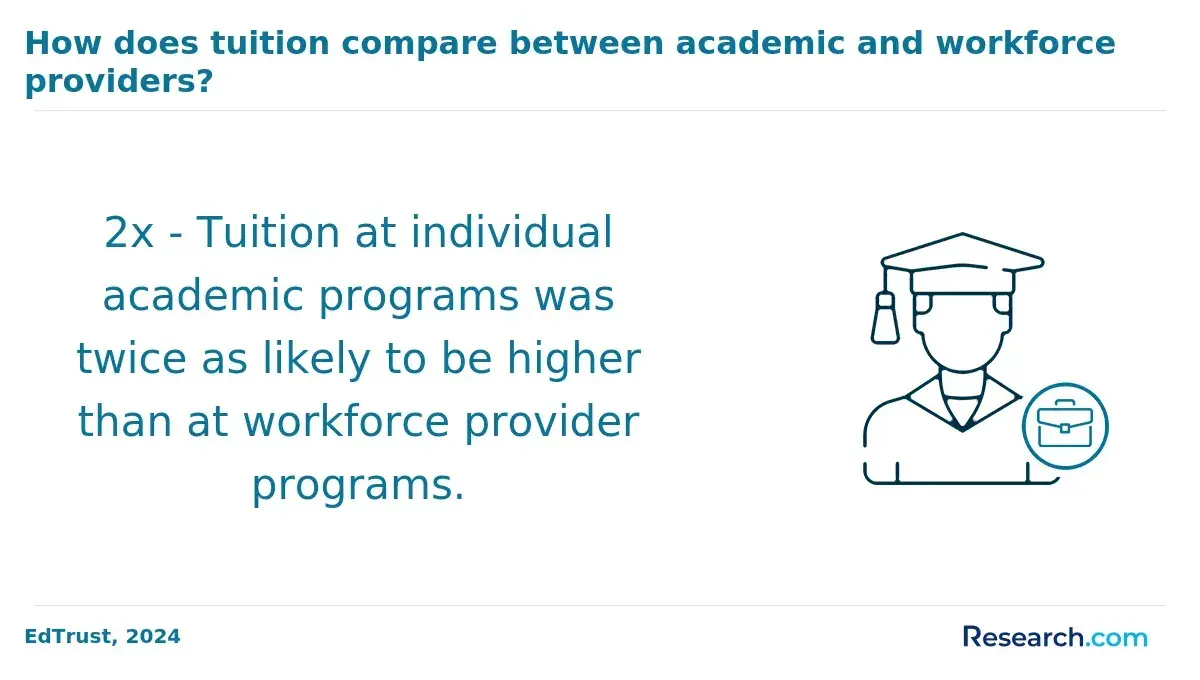
Online and campus-based behavioral health management programs can lead to similar academic outcomes when the institution is accredited, the curriculum is rigorous, and students receive meaningful faculty access. The biggest differences are usually flexibility, networking style, pacing, field-based learning, and how much structure the student needs.
The comparison below helps working adults decide whether online delivery is an advantage or a risk for their learning style and career goals.
| Factor | Online master's | Traditional campus program | Decision point |
| Schedule | Often asynchronous or low-residency, which supports full-time work | More fixed meeting times and commuting requirements | Online is usually better for employed clinicians and administrators with unpredictable schedules |
| Networking | Built through discussion boards, virtual cohorts, residencies, LinkedIn groups, and employer-based projects | Built through campus events, local alumni networks, and in-person faculty contact | Campus may help students who want a highly local network; online may help students seeking national peer exposure |
| Applied learning | Capstones can often be completed through a current employer or local organization | May provide local practicum relationships or health system partnerships | Ask whether leadership projects are tied to real behavioral health operations |
| Technology exposure | Frequently uses virtual collaboration, data dashboards, telehealth policy discussions, and online case analysis | May rely more on in-person simulation or seminars | Online can mirror the digital leadership tools now common in multi-site behavioral health systems |
| Student support | Quality varies by advising, faculty responsiveness, tutoring, library access, and career services | Support may be easier to access face-to-face | Do not assume online means less support; verify response times and services before enrolling |
Students comparing accelerated healthcare leadership pathways may also want to review the fastest online master's in healthcare management guide to understand how compressed schedules work in broader healthcare management programs. The key is to compare acceleration against workload, faculty access, and capstone depth, not just completion speed.
Online study is especially practical for mid-career professionals who can immediately apply assignments to budgeting, compliance, staffing, grant reporting, or quality improvement at work. Campus study may be better for students who need in-person structure, want a local employer pipeline, or are entering healthcare leadership without much professional experience.
What careers and leadership roles can this behavioral health management degree support?
This degree can support leadership roles across community mental health centers, addiction treatment providers, psychiatric hospitals, integrated primary care organizations, managed care companies, state and local agencies, nonprofits, correctional health vendors, and digital behavioral health companies. The degree is most powerful when paired with relevant experience, because employers usually expect behavioral health leaders to understand both operations and the realities of service delivery.
The table below summarizes common career directions and the leadership problems each role typically solves.
| Role or career direction | Typical responsibilities | Who it fits best |
| Behavioral health program director | Oversees clinical programs, staffing, service capacity, performance metrics, budgets, and community partnerships | Experienced clinicians, supervisors, or administrators ready to manage a full service line |
| Director of operations | Improves workflows, scheduling, access, documentation, billing coordination, and multi-site consistency | Students with strengths in systems thinking, analytics, and cross-team coordination |
| Quality improvement or outcomes manager | Tracks clinical and operational indicators, leads improvement projects, prepares audits, and supports value-based care reporting | Professionals interested in data, compliance, and measurable service improvement |
| Compliance or risk manager | Supports HIPAA practices, documentation standards, licensing surveys, payer audits, incident review, and policy updates | Detail-oriented professionals who can interpret rules and train teams without slowing care delivery |
| Integrated care manager | Coordinates behavioral health services within primary care, hospital, community, or payer settings | Students interested in whole-person care, care coordination, and cross-disciplinary leadership |
| Executive director or senior administrator | Leads organizational strategy, finance, fundraising, board reporting, partnerships, workforce planning, and regulatory readiness | Professionals with substantial experience who want top-level responsibility |
The current leadership environment is changing quickly. Behavioral health organizations are using telehealth, remote monitoring, digital intake tools, AI-assisted documentation, predictive analytics, and value-based reimbursement models. That does not mean every manager must become a technologist, but it does mean leaders need to ask better questions about data quality, privacy, equity, staff burden, and whether tools improve access rather than simply adding administrative work.
Students should also think carefully about whether they want to manage people, systems, money, clinical risk, or community partnerships. A person who enjoys direct client care may not enjoy executive work that involves budgets, productivity expectations, policy interpretation, conflict resolution, and board-level reporting.
What core courses and leadership-focused curriculum are included in these programs?
Curriculum varies by school, but strong online behavioral health management master's programs usually combine healthcare administration fundamentals with behavioral health policy and executive leadership. The best programs avoid treating behavioral health as a small elective topic and instead connect leadership decisions to access, quality, reimbursement, workforce shortages, privacy, crisis response, and social determinants of health.
Prospective students should expect a mix of management, behavioral health systems, analytics, and applied leadership work. Common courses and learning areas include the following:
- Behavioral health systems, mental health policy, substance use treatment systems, and integrated care models
- Healthcare finance, budgeting, revenue cycle concepts, grant management, and payer reimbursement
- Organizational leadership, executive communication, conflict management, change leadership, and workforce development
- Healthcare law, ethics, HIPAA, risk management, accreditation readiness, and compliance oversight
- Quality improvement, outcomes measurement, patient safety, performance dashboards, and value-based care
- Strategic planning, community partnerships, population health, crisis systems, and program evaluation
- Capstone, consulting project, practicum, or applied leadership project tied to a real behavioral health problem
Data governance is becoming more important as behavioral health providers rely on electronic health records, outcome measures, telehealth platforms, and payer reporting. Students who want a deeper data and records focus, rather than a broad executive leadership degree, may also compare an online CAHIIM accredited health information management degree as a related but different pathway.
A strong curriculum should help students answer operational questions, not just memorize leadership theory. For example, a capstone might ask how a community provider can reduce intake wait times, build a sustainable telehealth model, improve staff retention, or prepare for a payer audit while protecting client privacy and access.
What admission requirements do online behavioral health management master's programs typically have?
Admission requirements differ by university, but online behavioral health management master's programs usually look for evidence that the applicant can succeed in graduate study and contribute to leadership discussions. Some programs are designed for experienced professionals, while others admit career changers with a relevant academic foundation.
Applicants should review requirements early because missing prerequisites, unclear experience expectations, or licensure assumptions can delay enrollment. Typical requirements include the following:
- A bachelor's degree from an accredited institution, often with a minimum GPA set by the program
- Official transcripts from prior colleges and universities
- Resume or curriculum vitae showing healthcare, behavioral health, nonprofit, public health, human services, management, or related experience
- Statement of purpose explaining leadership goals and fit with behavioral health management
- Letters of recommendation from supervisors, faculty, or professional colleagues
- Possible interview, writing sample, or professional goal statement
- Possible statistics, research methods, psychology, health administration, or human services prerequisites
Many graduate programs have moved away from requiring standardized tests for experienced applicants, but policies vary. A GRE waiver does not automatically mean a program is easier; it may mean the school places more weight on professional experience, writing quality, prior grades, and leadership potential.
Common application mistakes include using a generic personal statement, failing to explain why behavioral health leadership is the goal, assuming clinical experience alone proves management readiness, and not asking whether the program is intended for licensure, non-licensure leadership, or both. Applicants coming from outside healthcare should use the statement of purpose to show they understand the ethical, regulatory, and workforce pressures unique to behavioral health settings.
How long do online behavioral health management master's programs take, and what do they cost?
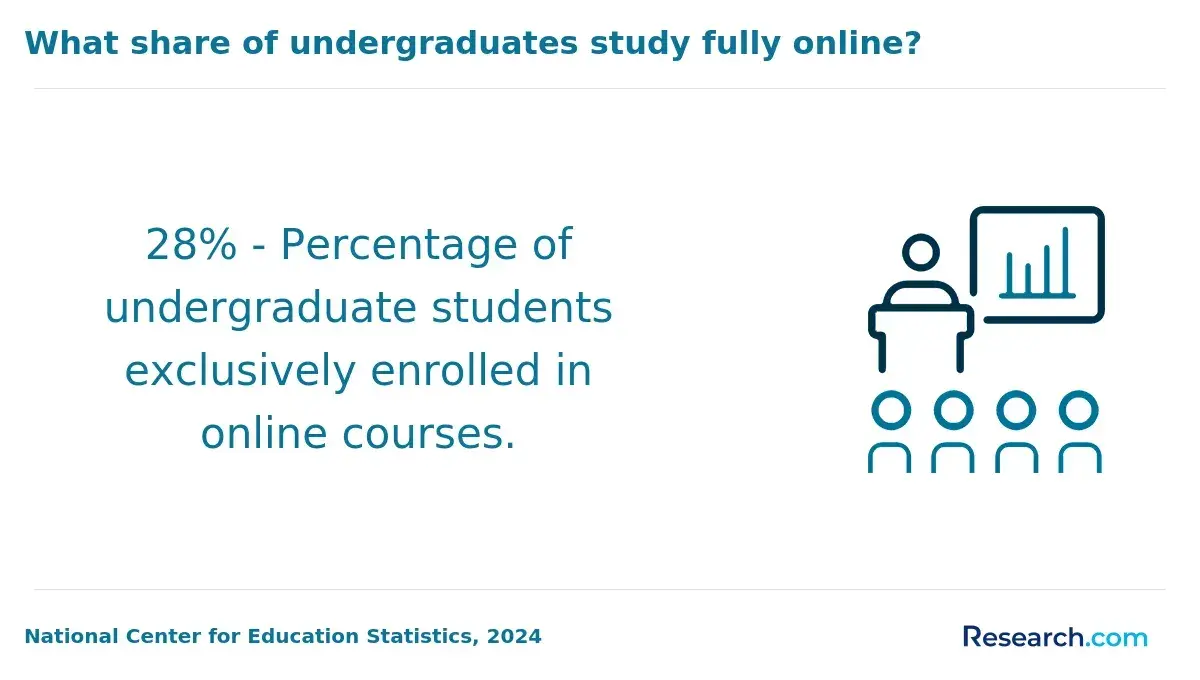
Most online master's programs in behavioral health management or closely related healthcare leadership fields are designed for working adults, so completion time depends heavily on course load. A full-time student may finish faster, but part-time study is often more realistic for professionals balancing clinical schedules, administrative work, family responsibilities, and on-call demands.
The table below summarizes time and cost variables that have the biggest effect on the total investment.
| Factor | How it affects time or cost | What to ask before enrolling |
| Total credits | Programs with more credits generally cost more and take longer, but may include deeper leadership projects or specialization work | How many credits are required, and are any foundation courses added after admission? |
| Per-credit tuition | Total tuition usually equals required credits multiplied by the school's per-credit rate | Is the online tuition rate different for in-state, out-of-state, military, or employer-partner students? |
| Fees | Technology, distance learning, graduation, background check, or course fees can raise the true cost | What is the full cost of attendance, not just tuition? |
| Pace | Accelerated formats can shorten time to completion but may increase weekly workload | How many hours per week do students usually spend per course? |
| Transfer or prior graduate credit | Accepted credits can reduce cost and time, but limits are common | What is the maximum transfer credit allowed, and how recent must it be? |
| Employer tuition assistance | Employer funding can reduce out-of-pocket cost but may require continued employment | Does the employer require repayment if you leave? |
Because schools publish tuition differently, students should calculate the total cost in the same format for every program. These are the key figures to collect and compare:
- Required credits multiplied by the per-credit tuition rate
- Mandatory online, technology, student service, graduation, and course-specific fees
- Books, software, background checks, travel for residencies, and professional membership costs
- Expected financial aid, scholarships, employer reimbursement, military benefits, or payment plan options
- Federal Direct Unsubsidized Loan eligibility, which is generally capped at $20,500 per academic year for graduate students
Accelerated online formats can be attractive, but speed should not be the only goal. Looking at an accelerated construction management degree online can be useful as a reminder that compressed programs vary widely by discipline, course sequencing, and applied project expectations; behavioral health leadership programs should still allow enough time for ethics, compliance, and capstone work.
A practical ROI question is not simply "Which program is cheapest?" It is "Which accredited program gives me the leadership preparation, flexibility, employer recognition, and network I need without taking on debt that is out of proportion to my realistic career path?"
How do accreditation and institutional quality impact behavioral health management degrees?
Accreditation matters because it affects credit transfer, employer confidence, federal financial aid eligibility, and, in some cases, licensure or certification options. For behavioral health management degrees, the first checkpoint is institutional accreditation from an accreditor recognized by the U.S. Department of Education or the Council for Higher Education Accreditation.
Programmatic accreditation is more nuanced. There is not one single programmatic accreditor that covers every behavioral health management master's degree. Depending on the degree title and purpose, relevant accrediting bodies may include healthcare management, public health, counseling, social work, or marriage and family therapy accreditors. The right one depends on whether the program is administrative, public health-oriented, or clinical licensure-oriented.
Use this checklist to evaluate quality before you rely on a school's marketing claims:
- Confirm institutional accreditation through official accreditor or federal databases, not only the school's homepage
- Ask whether the program is designed for licensure, executive leadership, or both
- Review faculty qualifications for behavioral health operations, healthcare administration, finance, law, quality improvement, and executive leadership
- Check whether the curriculum includes behavioral health-specific content rather than only general management courses
- Ask for examples of capstone projects, employer partners, alumni roles, and student support services
- Verify whether credits can transfer into doctoral programs or related graduate certificates if future study is possible
Red flags include unclear accreditation language, pressure to enroll quickly, vague tuition disclosures, no published curriculum, limited faculty information, and promises about salaries or promotions. A reputable program should be willing to explain accreditation, costs, career services, and limitations clearly.
What licensing or certification pathways align with behavioral health management and executive leadership?
Licensing and certification are often misunderstood in this field. A behavioral health management master's can strengthen leadership preparation, but it does not automatically qualify someone to provide therapy, diagnose mental health conditions, or supervise clinical services unless it meets the specific education and supervised experience rules of the relevant state license.
The table below shows common pathways that may align with behavioral health leadership, depending on a student's background and career goal.
| Pathway | What it supports | Key caution |
| Licensed professional counselor, clinical social worker, marriage and family therapist, psychologist, or addiction counselor credentials | Clinical practice, clinical supervision, treatment planning, and some clinical director roles | Requirements vary by state and usually include specific coursework, supervised hours, exams, and approved degree types |
| Healthcare management certifications | Professional recognition for healthcare leadership, administration, and executive competency | Eligibility often depends on education, experience, membership, exams, or continuing education |
| Quality, compliance, privacy, or risk credentials | Leadership roles involving audits, performance improvement, HIPAA, documentation standards, or patient safety | Some credentials require specialized work experience beyond the master's degree |
| Project management credentials | Implementation of EHR changes, service expansion, grant-funded programs, telehealth rollouts, or process improvement | Project credentials help with execution but do not replace healthcare compliance or behavioral health expertise |
| Doctoral study | Advanced executive, academic, consulting, policy, or research pathways | Admission requirements vary, and a management master's may not satisfy clinical doctoral prerequisites |
Students who already hold a clinical license can often use the management degree to move toward director, administrator, compliance, or executive roles while maintaining their license through continuing education. Students without a clinical license should be cautious about job descriptions that require independent clinical practice, clinical supervision, or state-approved credentials.
The safest approach is to start with the desired job title, then work backward. Review job postings in your state, identify required licenses or preferred certifications, and ask the program director whether the curriculum aligns with those requirements. If licensure is a goal, contact the state licensing board before enrolling.
What salary ranges and advancement potential exist for behavioral health management leaders?
Salary potential depends on role, state, employer type, budget size, credentials, experience, and whether the position includes clinical supervision, multi-site responsibility, payer contracting, or executive authority. National wage data is useful for context, but it should not be read as a promise of individual outcomes.
The table below uses U.S. Bureau of Labor Statistics wage and outlook categories that are relevant to behavioral health leadership. These categories are broader than a single degree title, so use them as labor-market reference points rather than graduate salary guarantees.
| Relevant BLS occupation | 2024 median annual wage | 2024-2034 projected employment growth | How it relates to this degree |
| Medical and health services managers | $117,960 | 23% | Closest national category for many healthcare administration, clinic leadership, and service-line management roles |
| Social and community service managers | $78,240 | 8% | Relevant for nonprofit, community behavioral health, human services, and program administration roles |
| Substance abuse, behavioral disorder, and mental health counselors | $59,190 | 17% | Useful baseline for clinical service roles, though management positions may require different responsibilities and experience |
Advancement usually depends less on the degree alone and more on how the degree combines with experience. A licensed clinician may move into clinical director or program administrator roles. A healthcare administrator may move into behavioral health operations, quality, compliance, or integrated care. A nonprofit manager may use the degree to strengthen finance, payer, regulatory, and executive strategy skills.
To evaluate advancement potential realistically, compare three things: the salary range in job postings near you, the credentials listed as required or preferred, and the level of management responsibility you already have. If most target roles require a license you do not plan to earn, a management degree alone may not be enough. If postings emphasize budgets, access metrics, staff supervision, compliance, and program growth, an executive-focused curriculum may be highly relevant.
How can prospective students choose a reputable online behavioral health management program?
Choosing a reputable online behavioral health management program requires more than scanning rankings or finding the lowest tuition. The strongest choice is the program that matches your career target, experience level, schedule, budget, and credential needs.
Use the following process to compare programs in a practical, decision-focused way:
- Define your target role first, such as program director, compliance manager, integrated care leader, nonprofit executive, or operations director.
- Review current job postings in your state or preferred region to identify required degrees, licenses, certifications, and experience levels.
- Confirm institutional accreditation and ask whether any programmatic accreditation is relevant to the degree's purpose.
- Compare the full curriculum and look for behavioral health-specific leadership, finance, compliance, quality, and capstone work.
- Calculate total cost using credits, tuition, fees, books, residency travel, and financing assumptions.
- Ask how online students interact with faculty, receive advising, complete capstones, access career services, and build networks.
- Check whether the program supports working adults through part-time pacing, predictable course rotations, and realistic weekly workload expectations.
- Request outcomes information such as alumni roles, employer partnerships, practicum examples, and career services support, while avoiding schools that promise specific salaries or promotions.
Behavioral health leaders increasingly manage projects such as telehealth expansion, EHR optimization, quality reporting, grant implementation, and cross-agency partnerships. If project execution is central to your goal, comparing a fastest online project management degree can help you decide whether a management-specific pathway or a healthcare-focused leadership degree better matches your career plan.
Common mistakes include assuming every online master's has equal employer recognition, choosing a program without checking state licensure implications, ignoring total cost, overlooking capstone quality, and enrolling in a program that is too broad for behavioral health leadership. A good program should make its purpose clear: whether it prepares students for executive administration, clinical leadership, public health systems, human services management, or another defined outcome.
Other Things You Should Know About Behavioral Health Management
Often, yes. Many online programs are built for working adults, but workload varies. Ask how many hours students typically spend each week per course and whether courses are asynchronous, synchronous, or cohort-based.
In many universities, the diploma does not specify online delivery, but policies vary. Ask the registrar or admissions office directly if this matters to you.
Some require a capstone, applied project, internship, practicum, or short residency; others are fully coursework-based. Leadership-focused projects are often completed through a student's current workplace or a local organization.
Programs integrate skill development through a balanced curriculum that covers leadership, administrative strategies, and evidence-based practices in behavioral health. Courses often include case studies, group projects, and simulations to enhance critical thinking and interpersonal skills crucial for executive management roles.
References
- Educational Leadership Program: Core Courses and Curriculum https://www.educationalleadershipdegree.com/blog/core-courses-and-curriculum-in-an-educational-leadership-program/
- Online Bachelor's Degrees in Human Services: Top Schools https://www.edumed.org/online-schools/human-services-degrees/bachelors/
- Leadership Training Programs https://www.ccl.org/leadership-programs/
- Leadership Development Programs That Transform Leaders | John Mattone https://johnmattone.com/blog/leadership-development-programs/
- What does a Behavioral Health Director do? Career Overview, Roles, Jobs | APOS https://careers.apos-society.org/career/behavioral-health-director
- MCG Certification for Behavioral Health | MCG https://www.mcg.com/blog/mcg-certification-for-behavioral-health/
- Behavioral Health Career Descriptions | SAMHSA https://www.samhsa.gov/about/careers/behavioral-health-workforce/careers-by-state/descriptions
- 3 Degrees of Healthcare Management: MSHCM vs. MBA vs. MHA https://www.michiganstateuniversityonline.com/resources/healthcare-management/degrees-in-healthcare-management-mba-vs-mha-mshcm/
- A Complete Guide to Careers in Behavioral Health Fields https://behavioralhealth.careers/blog/careers-in-behavioral-health-guide/
- Master’s Behavioral Sciences Degrees | University of Phoenix https://www.phoenix.edu/online-behavioral-sciences-degrees/masters.html