2027 Best Dental Hygiene School Loans

Student Finance & Loan Expert
Many prospective dental hygiene students face financial barriers when shifting careers or returning to school. Traditional loans may not accommodate unique financial situations, leading to high interest or repayment challenges. Navigating loan options can overwhelm those unfamiliar with specialized funding for healthcare training. Understanding the nuances of available dental hygiene school loans is essential for minimizing debt burdens and ensuring manageable repayment. This article examines current loan options tailored to dental hygiene students and offers guidance to help borrowers select effective financing solutions for their education and career advancement.
- What are the best student loan options for dental hygiene school right now? Best loans
- How do federal student loans work for dental hygiene programs? Federal loans
- Should dental hygiene students use private loans, and how do they compare to federal? Private vs federal
- How much can you borrow for dental hygiene school, and what interest rates apply? Limits & rates
- What are the eligibility and FAFSA requirements for dental hygiene student loans? Eligibility & FAFSA
- Which repayment plans are best for dental hygiene graduates with high student debt? Best repayment
- Are there loan forgiveness or repayment assistance programs for dental hygienists? Forgiveness options
- How can parents help finance dental hygiene school with parent and PLUS loans? Parent loans
- When does refinancing or consolidation make sense for dental hygiene school loans? Refinance & consolidate
- What strategies help dental hygiene students minimize borrowing and manage debt in school? Reduce debt
What are the best student loan options for dental hygiene school right now?
The best student loans for dental hygiene programs focus on federal options first. Direct Subsidized and Unsubsidized Loans offer fixed interest rates, borrower protections, and flexible repayment plans including income-driven repayment options. These features make federal loans the most affordable dental hygiene school loan options for most students.
Private student loans should be considered only after maximizing federal loans. Lenders like Sallie Mae and Discover provide competitive fixed rates and co-signer release options, but typically private loans carry higher interest rates and fewer repayment benefits. It's important to compare lenders carefully when exploring these alternatives.
Loan forgiveness programs, particularly the Public Service Loan Forgiveness (PSLF) program, are valuable for dental hygiene graduates working in eligible clinics or community health settings. Enrolling in Income-Driven Repayment plans alongside PSLF can help reduce overall repayment burdens.
Additionally, state-specific loan assistance programs may be available to those willing to serve locally after graduation. Financial aid packages including grants and scholarships should also be explored to minimize the total amount borrowed. Prospective students should also consider can financial aid pay for living expenses to better plan their budgets during school.
Careful selection of student loans is critical. A survey found that 52% of dental hygiene graduates delayed major life milestones due to debt. Using affordable dental hygiene school loan options wisely can minimize these long-term financial impacts.
- Prioritize federal Direct Subsidized and Unsubsidized Loans
- Explore PSLF and Income-Driven Repayment plans
- Consider private loans only after exhausting federal options
- Research state-specific loan assistance programs
- Use scholarships and grants to reduce loan amounts
How do federal student loans work for dental hygiene programs?
Federal student loans for dental hygiene programs provide direct financial support through the U.S. Department of Education's Direct Loan Program, which includes subsidized, unsubsidized, and PLUS loans. Subsidized loans, awarded based on financial need, do not accrue interest while students are enrolled at least half-time. Unsubsidized loans, commonly used by dental hygiene students, accrue interest from the time they are disbursed regardless of need. PLUS loans are available to parents or graduate students and require a credit check.
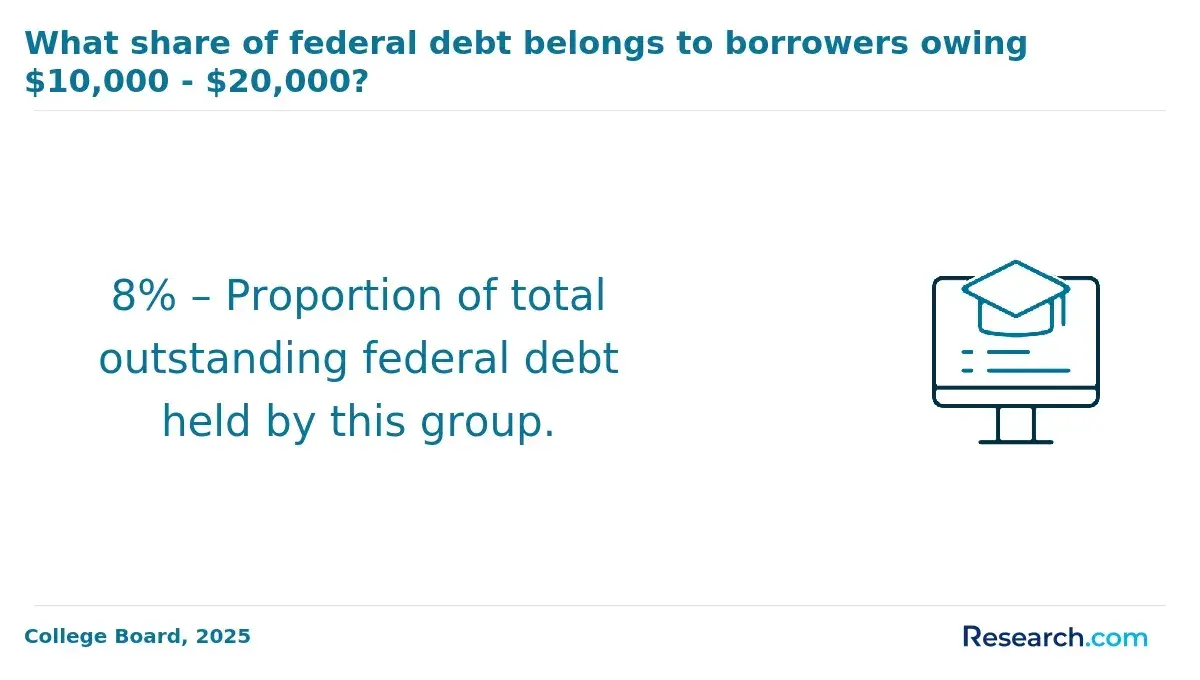
Dental hygiene education often involves moderate-to-high costs, with average student debt ranging from $20,000 to $70,000 for the middle 50% of borrowers, emphasizing the importance of managing loan commitments. Effective loan management is essential due to the substantial financial responsibility this entails.
Repayment begins after a six-month grace period and includes multiple options such as standard, graduated, and income-driven plans. Income-driven repayment adjusts monthly payments based on discretionary income, which can alleviate financial strain. Public Service Loan Forgiveness (PSLF) may be available for dental hygienists working in qualifying nonprofit or government roles, making federal loan options for dental hygiene programs more accessible.
Students should complete the FAFSA annually to maximize loan eligibility and take advantage of protections like deferment, forbearance, and consolidation. Being aware of all loan terms, including interest rates and fees, is crucial before borrowing. For those seeking alternatives, exploring student loans for students with poor credit can provide additional options to support dental hygiene education.
Should dental hygiene students use private loans, and how do they compare to federal?
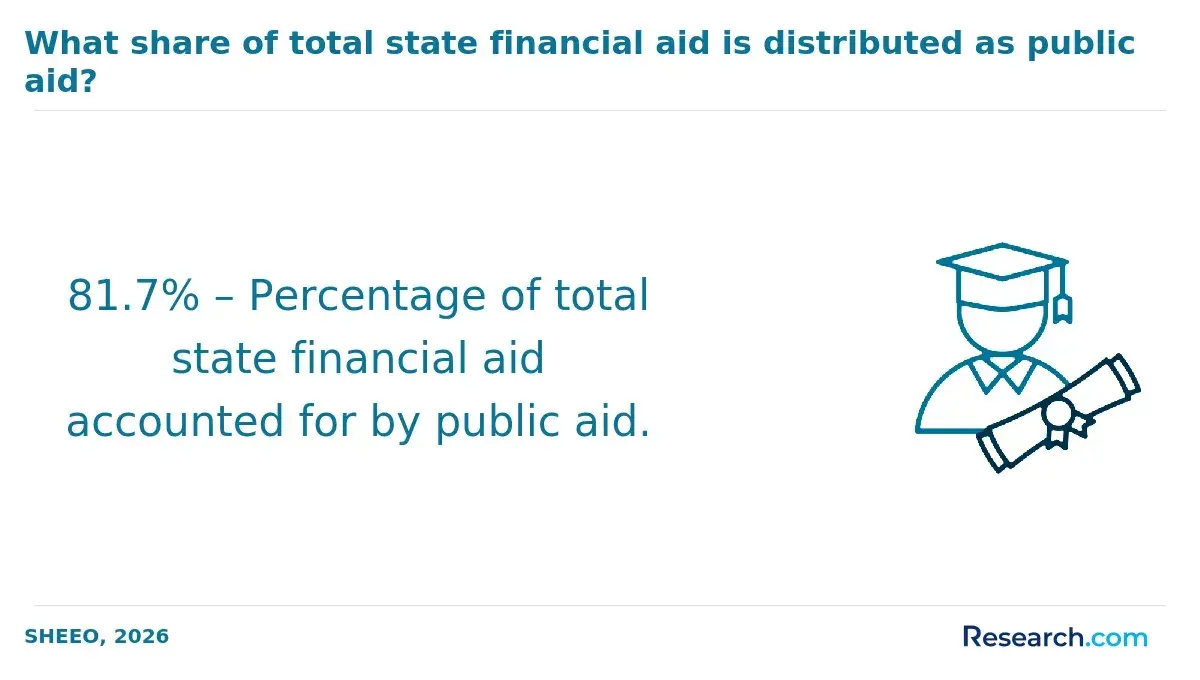
Dental hygiene students should prioritize federal student loans over private loans wherever possible. In 2025, EducationData.org reported that 82% of dental-school graduates with education debt relied on federally backed loans, while only 18% used private loans exclusively. This data highlights the preference for federal funding in health profession education. Comparing federal vs private student loans dental hygiene students find federal loans advantageous due to fixed interest rates typically lower than private loans, flexible repayment plans including income-driven options, and access to deferment or forbearance during financial hardship or continued schooling.
Federal loans also provide eligibility for public service loan forgiveness programs, which benefit graduates entering qualifying jobs. Private loans often fill coverage gaps when federal limits are reached but come with higher and variable rates, require credit checks, and may demand cosigners. They rarely offer borrower protections such as income-based repayment adjustments or forgiveness.
Students with strong credit, steady income, or parental backing might consider private loans to cover remaining costs but only after maximizing federal aid. Those seeking additional financial support might find useful information on school grants for adults over 30. Being well informed about private loans for dental hygiene students helps avoid excessive debt and higher repayment burdens.
Carefully evaluating interest rates, repayment flexibility, and borrower protections is essential. Consulting financial aid offices or reputable counseling services can help students choose the best strategy for their individual circumstances.
How much can you borrow for dental hygiene school, and what interest rates apply?
Students in dental hygiene programs can borrow up to the maximum loan amounts for dental hygiene programs, which generally cover tuition, fees, books, supplies, and living expenses. For graduate students, federal Grad PLUS loans allow borrowing up to $20,500 annually. Private lenders may offer loans that cover 100% of education costs, depending on creditworthiness and lender policies.
Interest rates vary significantly between federal and private options. Federal Grad PLUS loans have fixed APRs ranging from 6.39% to 7.94%, including origination fees and potential co-signer requirements for adverse credit. Meanwhile, top private lenders provide fixed APRs as low as 2.84% to 3.49% for borrowers with excellent credit, based on NerdWallet's latest data.
Key differences include:
- Federal loans provide fixed interest rates and flexible repayment plans, such as income-driven options.
- Private loans typically require credit approval and may feature variable rates or less borrower protection.
- Lower rates from private lenders often depend on strong credit or the presence of a co-signer.
Typical interest rates on dental hygiene school loans highlight the importance of comparing all options. Students should carefully assess their total financing needs, combining federal and private loans when necessary. Early research and credit preparation can help secure the most favorable terms.
For guidance on navigating borrowing options, explore college loans from banks to find competitive offers supporting dental hygiene education funding.
What are the eligibility and FAFSA requirements for dental hygiene student loans?
Enrollment in an accredited dental hygiene program recognized by the U.S. Department of Education is essential for student loan eligibility. To access federal student loans, including specialized health professions loans, students must submit the Free Application for Federal Student Aid (FAFSA) annually. This process evaluates financial need and determines loan limits, interest rates, and repayment terms. Meeting FAFSA deadlines and providing accurate financial and enrollment information is crucial to retain eligibility.
Health Professions Student Loans (HPSL) offer dental hygiene students a favorable fixed interest rate of 5%, with interest subsidized while in school. This is generally more affordable than Grad PLUS loans, which carry an 8.94% fixed rate for 2026. Eligibility for HPSL requires proof of financial need and satisfactory academic progress. Federal loans remain preferable due to borrower protections and more favorable conditions.
Private loans do not require FAFSA but involve credit checks, cosigners, and enrollment verification. Applicants should consult their school's financial aid office to understand specific criteria and submit FAFSA early to maximize aid opportunities. Monitoring aggregate federal loan limits is vital, as exceeding these can affect future borrowing and refinancing options.
Which repayment plans are best for dental hygiene graduates with high student debt?
Dental hygiene graduates facing substantial student debt should focus on income-driven repayment (IDR) plans and carefully consider refinancing options based on their credit profile. IDR plans like Revised Pay As You Earn (REPAYE) and Pay As You Earn (PAYE) base monthly payments on discretionary income, easing financial pressure when salaries typically range between $55,000 and $75,000. These plans offer repayment periods up to 20-25 years, with remaining loan balances potentially forgiven afterward, though loan forgiveness may be taxable.
Refinancing can lower interest rates and total repayment costs, especially for those with excellent credit scores. College Ave, rated 5.0 out of 5 for health-professional borrowers by NerdWallet's 2026 review, offers fixed APRs from 2.84% to 15.99%. This can reduce interest compared to federal loan rates, which often surpass 6%. However, refinancing may remove federal protections, so borrowers with steady income and credit scores above 700 should weigh benefits carefully.
Graduates unsure about income or career stability may find federal IDR plans safer, with REPAYE covering unpaid interest for low-income borrowers. For those in public health, Public Service Loan Forgiveness (PSLF) requires 120 qualifying IDR payments to gain loan forgiveness.
Choosing the best repayment strategy depends on factors such as credit strength, income, job security, and long-term plans. Combining federal IDR plans with refinancing options can offer a balanced approach to managing dental hygiene student debt effectively.
Are there loan forgiveness or repayment assistance programs for dental hygienists?
Loan forgiveness and repayment assistance programs are available to dental hygienists, especially those serving in underserved or rural areas. Federal programs like the Public Service Loan Forgiveness (PSLF) can forgive remaining student loan balances after 10 years of qualifying payments while working in government or nonprofit roles. Many dental hygiene positions qualify for this benefit.
State and local governments often provide additional support. Some offer loan repayment aid when dental hygienists commit to working in shortage areas for two to four years. These programs differ by state but commonly require a service agreement to receive funding.
Private scholarships and institutional grants also play a significant role in reducing debt. For instance, Texas Woman's University awards over $21.6 million annually in scholarships, including merit-based awards for dental hygiene students. These resources help decrease loan amounts or eliminate the need for borrowing altogether.
Employer-sponsored loan repayment assistance is another option. Community health centers and hospitals sometimes include such benefits as part of employment packages, which can ease financial burdens.
To pursue these options, dental hygienists should:
- Check eligibility for federal programs like PSLF and income-driven repayment plans
- Explore state-specific loan repayment offerings
- Apply early for scholarships and grants
- Discuss loan assistance opportunities with employers before accepting a job
Taking these steps can significantly reduce long-term student debt for dental hygiene professionals.
How can parents help finance dental hygiene school with parent and PLUS loans?
Parents financing dental hygiene education can utilize Federal Parent PLUS Loans, which cover the total cost of attendance minus other financial aid. These loans have fixed interest rates set annually by the federal government and require a credit check. They can be used for tuition, fees, room, board, and other education expenses.
Before borrowing, parents should maximize savings and encourage students to seek grants and scholarships. Parent PLUS Loans tend to have higher interest rates and origination fees than other federal loans, so it's important to evaluate repayment ability carefully. Repayment typically starts once the loan is fully disbursed, although deferment is possible while the student is at least half-time.
Families benefit from comparing program costs and choosing affordable schools. According to CollegeFactual's cost analysis, some public universities charge under $10,000 annually in net costs for dental hygiene bachelor's students from families earning between $30,000 and $48,000. This can significantly reduce how much parents need to borrow.
- Communicate clearly with your student about budgeting and loan amounts.
- Consider income-driven repayment plans or post-graduation refinancing options.
- Review and compare dental hygiene programs' total costs carefully.
Parent PLUS Loans remain a flexible financing option but require thoughtful planning to minimize long-term financial impact on families.
When does refinancing or consolidation make sense for dental hygiene school loans?
Refinancing or consolidating dental hygiene school loans can lower interest rates or simplify payments for borrowers with improved credit and steady income. While federal loan interest rates are fixed, private lenders may offer better terms through refinancing. Consolidation combines multiple federal loans into one payment, easing repayment management but removes eligibility for benefits like Public Service Loan Forgiveness (PSLF) and income-driven repayment plans, so comparing options carefully is essential.
Dental hygiene students often consider refinancing after graduation when their credit profile and income improve. This can reduce monthly payments or the total interest cost, but refinancing federal loans with private lenders means losing federal protections such as deferment, forbearance, and fixed rates.
A Dental Tribune report notes a $20,500 annual federal Direct Unsubsidized Loan cap for dental hygiene students, which is half of what dental students may borrow. This gap often leads hygienists to rely more on private loans, making refinancing a useful strategy for managing higher-interest debts.
Loan consolidation is beneficial for those managing several federal loans with varying rates. It can simplify repayments and extend terms to lower monthly costs. However, borrowers who qualify for income-driven plans or loan forgiveness should avoid consolidating to retain these protections.
- Refinance to secure lower rates with stable income and good credit
- Consolidate to simplify multiple federal loans into one payment
- Avoid refinancing federal loans if federal protections like PSLF are needed
- Be aware of loan caps and financing gaps before borrowing more
What strategies help dental hygiene students minimize borrowing and manage debt in school?
Dental hygiene students should carefully budget and maximize financial aid to minimize borrowing. Begin by estimating all education-related costs-including tuition, fees, supplies, and living expenses-and compare these with realistic income and savings. Applying for federal grants like the Pell Grant and institution-specific scholarships can significantly reduce loan needs.
Part-time work in dental or healthcare settings can offset expenses without harming academic performance, potentially adding hundreds of dollars monthly. When borrowing, prioritize federal loans because of their lower interest rates and income-driven repayment options. Avoid private loans unless absolutely necessary due to higher costs and less flexibility.
The financial outlook for dental hygienists is strong, with median annual earnings near $89,000 and employment growth projected at 7% over the next decade, supporting timely student loan repayment.
Additional strategies include:
- Using loan forgiveness programs by working in underserved or public health areas
- Refinancing loans post-graduation only if it reduces interest rates without losing repayment flexibility
- Maintaining communication with loan servicers to adjust repayment plans in case of financial hardship
By managing expenses, utilizing available aid, and aligning repayment with solid salary prospects, students can minimize debt and secure a stable financial future in dental hygiene.
Other Things You Should Know About
Yes, student loans for dental hygiene school can be used to pay for more than just tuition. Eligible expenses include fees, books, supplies, equipment, and even living costs such as housing and transportation, provided these are part of your cost of attendance as determined by your school. Make sure to check with your financial aid office to understand what expenses can be covered under your specific loan program.
If you drop out or temporarily leave dental hygiene school, your loan status may change. Federal loans usually have a grace period before repayment begins, but dropping out can shorten or eliminate this period. You are still responsible for repaying all funds disbursed, so notify your loan servicer promptly and inquire about your repayment options or deferment possibilities.
In 2027, dental hygiene students may deduct up to $2,500 of student loan interest paid during the year on their federal tax return. This deduction can lower taxable income, provided the modified adjusted gross income is below the IRS threshold limits.
Dental hygiene graduates can qualify for income-driven repayment (IDR) plans as soon as they enter repayment, as long as they meet the eligibility criteria. IDR plans adjust your monthly payment based on your income and family size, often lowering payments initially. This can be particularly helpful if you are starting with a lower salary after graduation while you build your dental hygiene career.