2027 Best Student Loans for Career Change Programs

Student Finance & Loan Expert
Changing careers often requires additional education, which can lead to significant financial challenges for many students. Prospective graduate students who already hold undergraduate degrees in unrelated fields may face uncertainty about affordable financing options.
Traditional student loans may not always fit unique needs for career change programs, especially when balancing personal budgets and loan repayment plans. Choosing the right loan impacts long-term financial stability and educational success.
This article examines the best student loans tailored for career transition programs, helping readers identify financing solutions that support their professional goals without undue financial stress.
- What are the best student loan options for career change and reskilling programs? Best loans
- How do federal student loans work for adults returning to school mid-career? Federal loans
- Should career changers choose federal or private student loans, and why? Federal vs private
- What eligibility and FAFSA steps apply to career-change and certificate programs? FAFSA steps
- How do interest rates, fees, and borrowing limits differ for career-change loans? Rates & limits
- Which repayment plans work best for mid-career borrowers with existing student debt? Repayment plans
- Can career-change borrowers qualify for loan forgiveness or repayment assistance programs? Forgiveness options
- How do deferment, forbearance, and grace periods work for working adults in transition? Deferment options
- When should career-changers refinance or consolidate student loans to save money? Refinance & consolidate
- How can parents and graduate students fund career-change programs without overborrowing? Parent & grad funding
What are the best student loan options for career change and reskilling programs?
Federal student loans remain a primary resource for those seeking the best student loan options for career change programs, offering lower interest rates and income-driven repayment plans. Direct Unsubsidized Loans and PLUS Loans can support certificate programs and short-term training, although eligibility rules apply to specific career-related expenses.
Private student loans help bridge funding gaps when federal limits are reached but generally require credit checks and lack income-driven repayment flexibility. Borrowers should carefully weigh fixed versus variable interest rates before deciding.
Loans designed for career changers might also be available through community colleges or workforce development programs, often providing manageable terms and deferment options during enrollment.
Student loans for reskilling and career transition have gained importance as more workers choose shorter certificate or bootcamp-style programs over traditional degrees. According to the Pew Research Center, 53% of U.S. career changers favored short-term training in 2024, up from 38% in 2020, underscoring the need for loan options aligned with these pathways.
When assessing loan choices, consider factors like loan forgiveness eligibility and employer tuition reimbursement to lower debt impact. It is also essential to evaluate total costs, repayment flexibility, and compatibility with your chosen program. For some, student loan money for rent and bills can be critical during training, and options exist that cover these living expenses.
How do federal student loans work for adults returning to school mid-career?
Federal student loans provide crucial financial support for adults returning to school mid-career. These loans, mainly offered through the Direct Loan program, have fixed interest rates typically lower than private alternatives, making them well suited for certificate programs, associate degrees, or bachelor's completion tracks designed specifically for career changers. This system is a key way how federal student loans support adults returning to school.
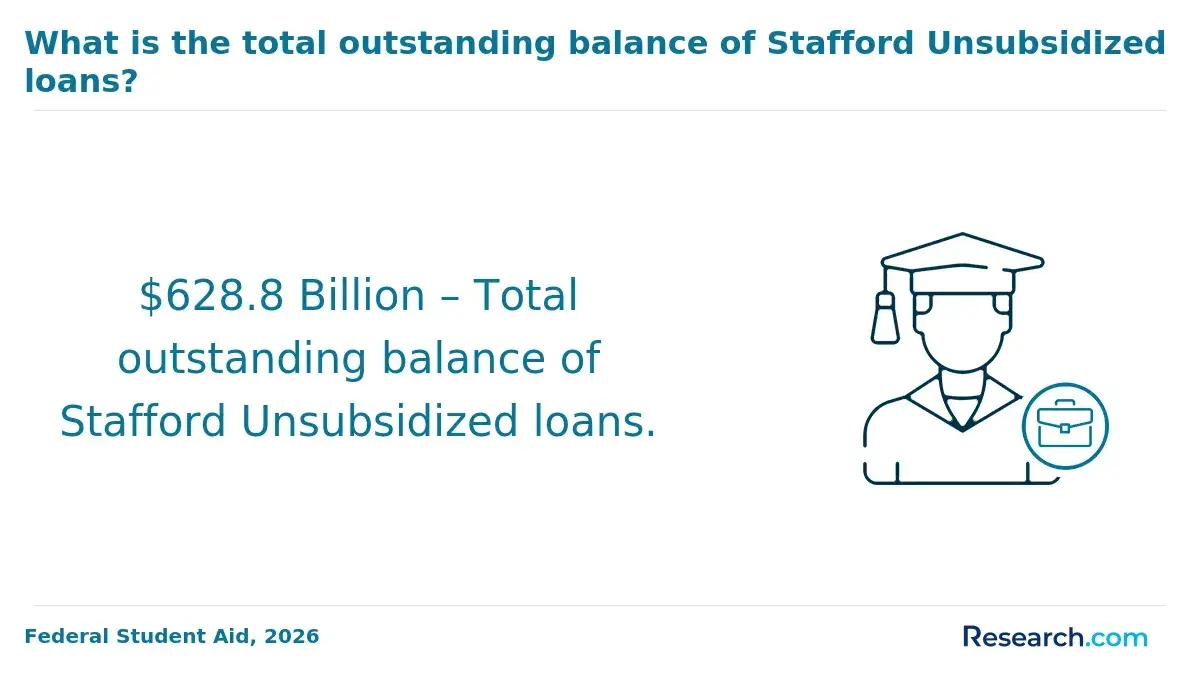
Eligible borrowers can access Direct Subsidized Loans, where the government covers interest during enrollment, or Direct Unsubsidized Loans that start accruing interest immediately. Loan limits depend on dependency status and education level, generally accounting for the rising costs of mid-career education programs.
Between the 2019-20 and 2023-24 academic years, tuition for certificate programs at public two-year colleges rose 22% after inflation, compared to 9% at public four-year schools, highlighting the importance of adequate loan amounts and budgeting.
Borrowers often consolidate multiple federal loans to simplify repayment and qualify for income-driven repayment plans that adjust monthly payments based on income. Loan forgiveness programs may also apply if graduates work in qualifying public service roles.
Unlike private loans, federal loans do not require credit checks or collateral, a distinct benefit for adults with limited recent credit history.
Federal student loan options for mid-career learners include strategies to maximize aid by completing the FAFSA early and carefully choosing programs aligned with expected salary outcomes to ensure manageable repayment.
For those seeking student loans without a cosigner, federal loan programs often provide accessible pathways to funding without requiring parental involvement.
Should career changers choose federal or private student loans, and why?
Career changers often find federal student loans more advantageous than private loans due to their borrower protections and flexible repayment plans. Federal loans include income-driven repayment options, loan forgiveness programs, and provisions for deferment or forbearance during financial hardship.
These features are especially important for adults undergoing career transitions who may have inconsistent incomes or periods of unemployment.
The differences between federal vs private student loans for career changers become apparent when considering eligibility and financial security. Private loans typically require strong credit or a co-signer and lack income-driven repayment options, making them less suitable for many adult borrowers.
The Consumer Financial Protection Bureau found that 42% of federal Direct Loan borrowers were age 25 or older, compared to just 18% for private loans. This highlights the advantages of federal student loans for career change programs that better meet the needs of older students.
Borrowers with low creditworthiness or fluctuating income levels are safer pursuing federal loans first. However, if private loans offer favorable terms-like low fixed interest rates and no origination fees-they can supplement federal borrowing.
Career changers may strategically combine loans, using federal loans for tuition and private loans for living expenses. Additionally, checking eligibility for federal grants or scholarships can reduce borrowing needs and financial risk.
For families exploring funding options, reviewing parent loan options for college can also help plan effective financing strategies without over-relying on private loans.
What eligibility and FAFSA steps apply to career-change and certificate programs?
Eligibility criteria for student loans in career certificate programs depend largely on whether the program is accredited and qualifies for Title IV federal aid. Only programs approved for Title IV funding, typically including certificate and nondegree credential courses at accredited institutions, allow students to access federal student loans.
Students must enroll at least half-time to meet what FAFSA requirements apply to career change programs and receive loan funds. Part-time attendance usually reduces or restricts aid. Programs also need to be longer than brief workshops; for example, a six-month occupational certificate at a community college often qualifies.
The FAFSA process requires annual submission of personal and financial data using tax information from two years prior, helping to calculate the Expected Family Contribution (EFC) that affects loan eligibility. It's important for students pursuing career certificates to verify Title IV eligibility with the financial aid office and clearly present their program details on FAFSA.
According to the Strada Education Foundation's "Talent Disrupted" report, workers completing career-oriented certificate programs and changing fields saw a 22% median earnings increase within three years, compared to just 7% for peers without upskilling.
To navigate federal loan eligibility, students should:
- Confirm program accreditation and Title IV status with their institution.
- Maintain at least half-time enrollment.
- Submit FAFSA annually and report any updates.
- Consult financial aid offices about loan limits for certificate students.
For those comparing options and costs, reviewing bank student loan rates can provide valuable insight into financing choices.
How do interest rates, fees, and borrowing limits differ for career-change loans?
Interest rates, fees, and borrowing limits for career-change student loans vary widely based on the loan type and lender. Federal career and technical education loans often feature fixed interest rates between 4% and 7%, usually with low or no fees.
In contrast, private loans typically have variable rates ranging from 7% to 12%, heavily influenced by credit scores and income verification.
Loan fees can include origination fees, late payment fees, and prepayment penalties. Federal loans generally charge minimal or no origination fees, while private lenders may levy fees up to 5% of the loan principal. It's important to review all fee details carefully, as they increase the overall repayment cost.
Borrowing limits depend on the lender and loan program. Federal career training loans often cap borrowing between $20,000 and $40,000, varying by program duration and cost. Private lenders may offer higher borrowing limits but typically require comprehensive income verification. These caps are vital for career changers financing intensive training.
Older borrowers face a higher risk of default; research from the Brookings Institution indicates those taking their first student loan at age 30 or older have a 34% higher five-year default rate compared to younger borrowers, after adjusting for income and balance. This highlights the importance of evaluating loan terms and repayment plans carefully.
- Federal loans usually provide fixed interest with low or no fees but lower borrowing limits.
- Private loans offer higher borrowing limits but include higher interest and fees.
- Older borrowers should consider the increased default risk and plan accordingly.
Which repayment plans work best for mid-career borrowers with existing student debt?
Income-driven repayment (IDR) plans offer essential flexibility for mid-career borrowers balancing student debt and career changes. These plans base monthly payments on income and family size, often lowering payments to 10% to 20% of discretionary income, which can ease financial pressure during transitional periods.
Key IDR plans include Revised Pay As You Earn (REPAYE), Pay As You Earn (PAYE), and Income-Based Repayment (IBR). For instance, REPAYE caps payments at 10% of discretionary income, benefiting those with fluctuating earnings during job searches or retraining. After 20 to 25 years, remaining loan balances may be forgiven, reducing long-term debt burden.
While deferment and forbearance are available, they are not recommended for long-term use due to accruing interest. Refinancing might be a viable option if the borrower secures stable employment with higher income, enabling lower fixed rates and quicker repayment.
- 79% of career-change learners completing tech bootcamps found new jobs within six months.
- Median salary increase was $22,000, highlighting the potential payoff of career shifts.
Borrowers with high loan amounts and lower initial salaries in new careers should focus on IDR plans and monitor eligibility to maintain manageable payments without risking default or financial hardship.
Can career-change borrowers qualify for loan forgiveness or repayment assistance programs?
Career-change borrowers may qualify for specific loan forgiveness and repayment assistance programs depending on their employment and loan type. One of the most significant options is Public Service Loan Forgiveness (PSLF), which forgives federal Direct Loans after 120 qualifying payments while working full-time in government or qualifying nonprofit jobs. Those switching careers into these sectors can benefit greatly.
Income-Driven Repayment (IDR) plans, such as Pay As You Earn (PAYE) or Revised Pay As You Earn (REPAYE), allow borrowers to lower monthly payments based on income and family size. These plans offer forgiveness after 20-25 years of qualifying payments and are especially useful for career changers entering lower-paying professions.
Several states and professions provide targeted forgiveness or assistance for career changers in high-need areas like teaching, healthcare, or public safety. Eligibility may require commitments to specific roles or geographic locations.
Employer tuition assistance is an often-overlooked resource. Over half of large U.S. employers offer tuition help, but only about 10% of eligible employees use it, leaving billions unused annually. Career changers should explore if their employer provides this benefit to ease loan repayment.
Professional certifications or additional training connected to career change programs can unlock further repayment aid. Consulting loan servicers and program administrators is essential to navigating these options effectively.
How do deferment, forbearance, and grace periods work for working adults in transition?
Deferment, forbearance, and grace periods provide important financial relief options for working adults managing student loans during career changes.
Deferment temporarily pauses payments without interest on federal subsidized loans, benefiting those in qualifying training programs or facing unemployment. For example, returning to school for a certificate program may qualify you for deferment, helping keep education costs lower during your studies.
Forbearance allows payment pauses or reductions but usually accrues interest on all loans. It's suitable when you can't meet deferment criteria but need relief to avoid default. For instance, part-time workers with limited income might use forbearance to maintain good standing, though it increases total repayment due to added interest.
Grace periods typically last six months after completing education, letting you delay payments while searching for a job or adjusting financially. This buffer is crucial for smooth income transitions during career shifts.
Data from the Lumina Foundation-Gallup report show adults borrowing under $15,000 for nondegree or certificate programs report higher satisfaction with career changes, while dissatisfaction rises significantly with debts over $25,000. Managing loans with deferment or forbearance can help keep debt manageable.
Contact your loan servicer early to explore eligibility and weigh long-term costs. Maintaining communication helps avoid default and protects credit quality.
When should career-changers refinance or consolidate student loans to save money?
Refinancing or consolidating student loans can reduce monthly payments and save money if you secure a lower interest rate than your existing loans. Refinancing is especially advantageous if your credit score has improved or if market rates have fallen since you first borrowed.
For instance, lowering an undergraduate loan rate from 7% to 4% could significantly cut your costs. Consolidation simplifies managing multiple federal loans by combining them, but this may lengthen repayment terms and increase total interest paid.
Enrollment in online nondegree programs has surged, with many adults pursuing them to shift careers, resulting in borrowers holding both federal and private loans.
Refinancing both types together can lower payments but removes federal protections such as income-driven repayment plans and forgiveness options. Career-changers should consider their employment status post-graduation to better assess repayment ability and refinancing eligibility.
Keep these points in mind:
- Avoid refinancing federal loans without fully understanding lost benefits.
- Use refinancing calculators to compare potential savings and lender terms.
- Consolidation may ease payments but often increases overall cost.
- Refinance only if your credit profile supports better rates and you don't need federal protections.
How can parents and graduate students fund career-change programs without overborrowing?
Parents and graduate students borrowing for career-change programs should balance loans with other financing options and careful budgeting to avoid excessive debt. Federal student loans often provide lower interest rates and more flexible repayment options than private loans. Graduate students might consider Direct Unsubsidized Loans or Grad PLUS Loans only up to the amount needed.
Employer tuition assistance or reimbursement programs can reduce initial borrowing if the program aligns with career advancement goals. Income-driven repayment plans are valuable for managing monthly payments by adjusting them to actual income after graduation.
Parents should approach Direct PLUS Loans cautiously, borrowing only for essential costs and considering private loans after comparing interest rates and fees carefully. Using personal savings or scholarships targeted for career-change programs can significantly lessen loan dependence.
Careful budgeting of tuition, fees, and living expenses helps avoid borrowing beyond real needs. According to data from the Georgetown University Center on Education and the Workforce (2025), adults with quality nondegree credentials who switched careers earned 29% more after five years and had 19 percentage points higher job satisfaction than those without such credentials, emphasizing the importance of strategic program choices.
Other Things You Should Know About
Yes, certain federal and private student loans can be used to finance non-degree career change programs such as certificate courses or boot camps. However, eligibility depends on whether the program is approved by the Department of Education or recognized by the lender. It is important to verify that the specific program qualifies for loan funding before borrowing.
Many federal student loan programs allow borrowers to use funds not only for tuition but also for reasonable living expenses, including housing, transportation, and supplies. Private loans may have different rules, so verifying with the lender is essential. Proper budgeting ensures loans cover both education costs and day-to-day living during the program.
Leaving a career change program before completion can affect your loan repayment terms. Some federal loans offer grace periods or deferment options immediately after dropping out, but interest may continue to accrue. Private lenders' policies vary, so understanding your loan agreement upfront is critical to managing potential financial impacts if you do not finish the program.
In 2027, federal Direct Loans, such as the Direct Subsidized and Unsubsidized Loans, remain a top choice for career change programs due to their low interest rates, flexible repayment options, and income-driven repayment plans. Private loans can be considered, but it's essential to compare interest rates and terms.