2027 Best Student Loan Refinance Offers

Student Finance & Loan Expert
Many borrowers face rising interest rates and complicated repayment terms after completing their degrees. Managing multiple federal and private student loans can increase financial stress and extend repayment periods unnecessarily.
Refinancing offers a way to consolidate these loans and potentially reduce interest costs, but navigating options requires careful consideration. This article reviews top student loan refinance offers available today. It provides clear, factual comparisons to help borrowers make informed decisions that suit their financial goals and improve repayment flexibility.
- What is student loan refinancing and when does it make financial sense? Refinancing Basics
- How do I compare the best student loan refinance rates and lenders? Compare Lenders
- What credit score, income, and debt-to-income ratio do refinance lenders require? Refinance Requirements
- How does refinancing federal loans affect benefits like forgiveness, IDR plans, and protections? Federal Trade-offs
- Should I choose a fixed or variable interest rate when refinancing student loans? Fixed vs Variable
- How do loan term lengths impact monthly payments, total interest, and long-term savings? Loan Terms
- Can I refinance parent PLUS, graduate, or professional school loans, and how does that work? Parent & Grad Refinancing
- What documents and information do I need to apply for student loan refinancing? Refinancing Documents
- How does refinancing compare with federal consolidation and repayment plan changes? Refinance vs Consolidation
- How can I decide if refinancing now is better than waiting or staying with my current loans? Refinance Timing
What is student loan refinancing and when does it make financial sense?
Student loan refinancing replaces one or multiple existing loans with a new private loan, often offering a lower interest rate or adjusted repayment terms. Refinancing makes financial sense when your new rate is significantly lower than your current one, which reduces total interest or monthly payments.
For instance, a borrower refinancing federal loans from 6% to 4% interest can save hundreds over the life of the loan. This benefit highlights key student loan refinancing benefits in the United States.
Refinancing is best suited for those with a stable income and strong credit scores because private lenders require good credit profiles. However, refinancing federal student loans into private ones causes loss of federal protections, including income-driven repayment plans and loan forgiveness programs. Borrowers dependent on these benefits should avoid refinancing.
Using refinancing to consolidate multiple loans into a single payment can simplify finances. It also offers options to extend or shorten repayment terms, impacting monthly costs or total interest paid. Keep in mind, those nearing the end of repayment may see less benefit, as interest accrues more slowly then.
Only 1.3% of federal borrowers refinance into private loans recently, down from 2.9% years ago, reflecting tighter standards and lower demand. This decline suggests careful assessment is necessary before pursuing refinancing to determine when student loan refinancing makes financial sense.
Borrowers should compare offers, assess the value of lost federal protections, and calculate long-term savings. For those facing urgent payment needs, alternatives like student loans for tuition deadline assistance may also be relevant.
How do I compare the best student loan refinance rates and lenders?
Comparing the best student loan refinance rates requires examining fixed and variable APRs closely. Fixed refinance rates on marketplace platforms can start near 3.95% APR, significantly lower than federal Direct PLUS loan interest rates at 9.08%. This contrast highlights potential savings from refinancing.
When reviewing top student loan refinance lenders, pay attention to loan terms, typically ranging from 5 to 20 years. Shorter terms mean higher monthly payments but less total interest, while longer terms reduce monthly amounts but increase interest over time.
Eligibility criteria are important; some lenders require a minimum credit score, steady income, or a cosigner. Match these against your financial profile to find suitable lenders.
Also consider fees such as origination or prepayment penalties, sometimes a lender with a slightly higher APR but no fees is more cost-effective. Borrower protections like deferment, forbearance, or unemployment assistance offer valuable flexibility during hardship.
Use online comparison tools that pool offers from multiple lenders to get personalized rates. Always request prequalification to see accurate rates without impacting your credit score. Deciding how early to apply for student loans can also influence offers and approval chances.
For example, a borrower with good credit might prefer a lender offering 4.0% fixed APR over 15 years with no origination fee versus another with 3.8% APR but higher fees. This approach ensures a thorough best student loan refinance rates comparison with better-informed choices.
What credit score, income, and debt-to-income ratio do refinance lenders require?
Refinance lenders generally require a credit score between 650 and 700 to qualify for favorable interest rates, with scores above 720 offering better approval odds and access to the lowest rates. These credit score requirements for student loan refinance lenders are key for securing optimal loan terms.
Income expectations vary, but stable monthly income covering the new loan payments is essential. Typically, annual gross income of $30,000 to $50,000 is common among competitive lenders.
The minimum income and debt-to-income ratio for student loan refinancing play critical roles in approval. Most lenders prefer a debt-to-income (DTI) ratio below 40%, though some accept up to 50% if compensating factors like savings or assets are strong. If your debts plus loan payments exceed 40% of your gross income, approval chances decline notably.
Applicants lacking strong credit history or steady income might encounter higher interest rates or require a cosigner. Freelancers and gig workers should provide consistent income documentation. Employment history also factors into lender decisions to ensure repayment ability.
Refinancing is worthwhile when it significantly lowers interest. For example, reducing a $100,000 graduate loan from 8% to 4.5% over 10 years can save about $21,000 in interest and cut monthly payments by $180. This highlights how meeting credit, income, and DTI criteria can lead to meaningful savings.
For additional guidance on financing your education, consider exploring how to pay for college as an adult.
How does refinancing federal loans affect benefits like forgiveness, IDR plans, and protections?
Refinancing federal student loans into private loans eliminates access to federal benefits like Public Service Loan Forgiveness (PSLF), income-driven repayment (IDR) plans, and federal borrower protections. Once federal loans are refinanced, borrowers lose eligibility for programs that forgive remaining balances after qualifying payments or employment conditions.
For example, PSLF requires 120 qualifying monthly payments on federal Direct Loans while working for qualifying employers. Refinancing resets this progress since private loans do not count toward PSLF. This impact on forgiveness benefits is a critical consideration for many borrowers.
IDR plans, such as REPAYE, PAYE, and IBR, offer payment caps based on income and possible forgiveness after 20-25 years. Refinancing removes access to these income-driven repayment plans, eliminating protections like temporary deferment or forbearance during financial hardship. Borrowers relying on these options should carefully assess the effects of refinancing federal loans on income-driven repayment plans before proceeding.
Federal borrower protections include fixed interest rates and options for deferment, forbearance, and forgiveness in cases of disability or death. Private refinancing lenders usually do not provide similar safeguards, increasing financial risk if borrowers face reduced income or unexpected events.
Approval for favorable refinance offers largely depends on high credit scores and low debt-to-income ratios. Approved refinance borrowers often have credit scores near 780 and debt-to-income ratios under 35%. Because many do not meet such criteria, they may not qualify for the best rates and risk losing valuable federal protections by refinancing.
Borrowers should weigh whether the potential interest rate savings justify giving up federal benefits. Those with inconsistent income, plans for forgiveness, or reliance on federal safeguards generally benefit from retaining their federal loans.
For more details on eligibility, see student loan refinance requirements.
Should I choose a fixed or variable interest rate when refinancing student loans?
Choosing between fixed and variable interest rates when refinancing student loans largely depends on your financial stability and tolerance for risk.
Fixed rates provide consistency by locking in a steady interest rate throughout the loan term, which helps with budgeting and shields against future rate increases. This option suits borrowers seeking predictable payments or those planning to keep their loans long-term.
Variable rates often start lower than fixed rates but fluctuate based on market conditions. This can result in savings if rates stay low or decline but carries the risk of increased payments if rates rise. Given recent market volatility, variable rates may climb, making them better for borrowers able to manage payment fluctuations or those likely to repay loans quickly.
Borrowers with high loan balances, especially in medical or dental professions where over 60% pay interest rates above 6.5% (Education Data Initiative), can benefit from refinancing when private rates drop below that level. For instance, a medical resident with $250,000 in loans might opt for a fixed rate near 5% to reduce long-term costs.
In short, fixed rates are ideal for those needing payment certainty, while variable rates appeal to those seeking lower initial costs and willing to accept risk. Evaluating your debt level, career stability, and market expectations guides the best choice.
How do loan term lengths impact monthly payments, total interest, and long-term savings?
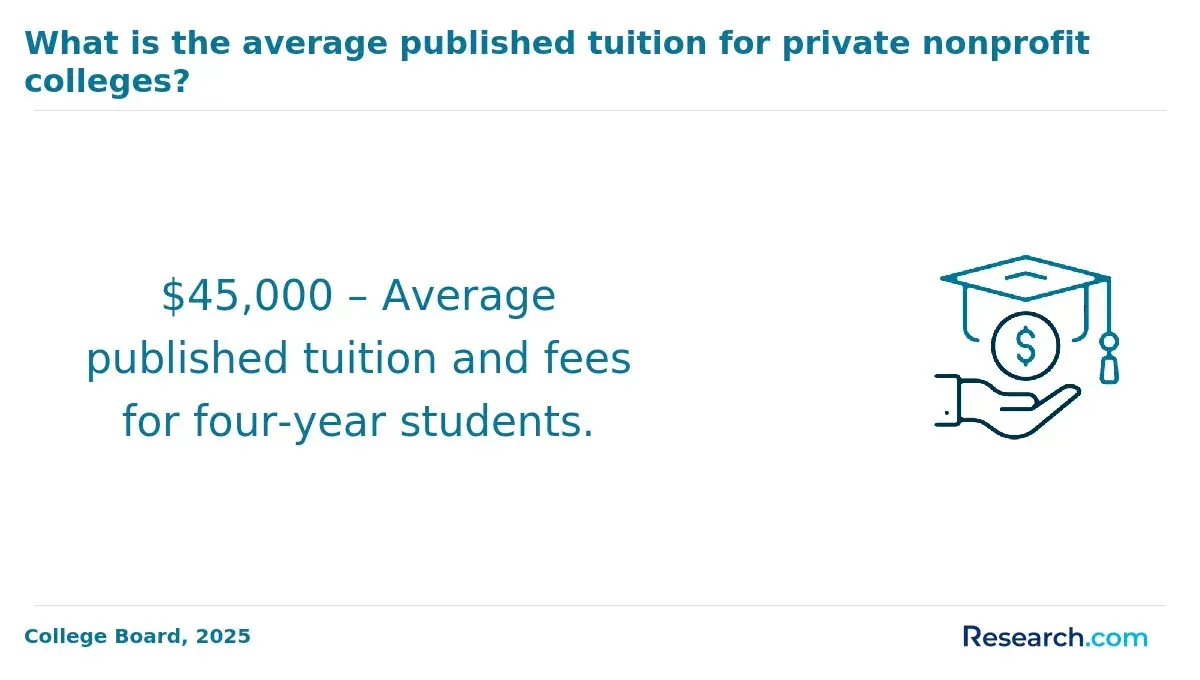
Loan term lengths directly influence monthly payments and total interest on student loans. Shorter terms typically mean higher monthly payments but substantially lower the total interest paid. For instance, refinancing with a 10-year term might increase your monthly payment by $200 compared to a 20-year term but can save thousands over the loan's lifespan.
Longer terms reduce monthly payments, making budgeting easier and improving short-term cash flow. However, this convenience comes with a cost: more interest over the life of the loan. Even small differences in interest rates over 20 to 30 years can lead to paying tens of thousands more.
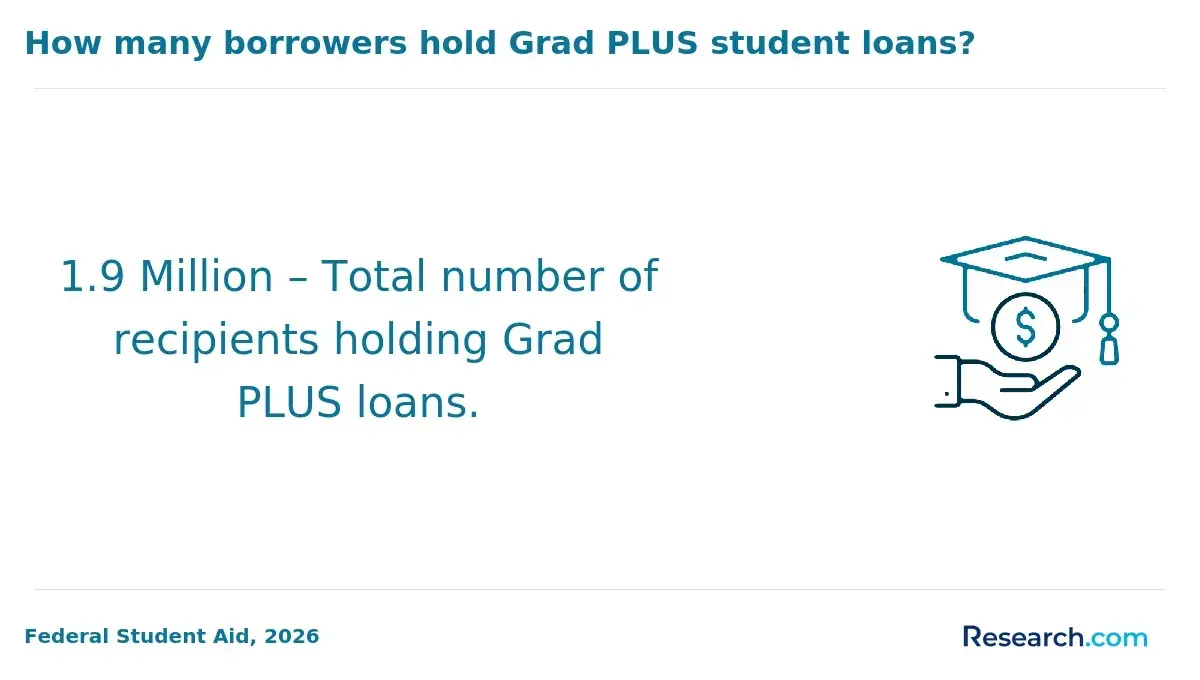
Parent PLUS loan borrowers, representing only 9% of federal borrowers but holding 23% of new loan dollars, often face interest rates above 7%, according to the Brookings Institution. Refinancing these high-interest loans with shorter terms can significantly cut interest expenses.
Your choice of term should consider your income stability and future earning potential. Graduates or professionals with increasing incomes typically benefit from shorter terms to maximize savings, while those in entry-level or variable-income jobs might prefer longer terms for more manageable payments.
Can I refinance parent PLUS, graduate, or professional school loans, and how does that work?
Refinancing parent PLUS loans, as well as graduate and professional school loans, through private lenders is an option for borrowers seeking a lower interest rate or improved repayment terms. This replaces your federal or private loans with a new private loan and generally requires a strong credit profile since private lenders treat these loans as individual debt obligations.
Parent PLUS loans are held by the parent, and when refinanced, the parent usually remains responsible. Some lenders, however, permit students to refinance these loans in their own name if they meet credit and income requirements, potentially easing the parent's financial burden and simplifying repayment.
Graduate and professional school loans can also be consolidated into a single private loan, which may streamline payments and lower rates. Keep in mind refinancing federal loans privately causes loss of federal borrower protections such as income-driven repayment and loan forgiveness options.
With the average 10-year Treasury note yield rising from 1.5% to over 4%, private refinance offers have increased by about 2-3 percentage points, which can reduce potential savings for borrowers without strong credit. Comparing multiple lender offers is critical.
What documents and information do I need to apply for student loan refinancing?
When applying for student loan refinancing, gather personal, financial, and loan-specific documents to streamline the process.
Lenders require government-issued ID or Social Security number for identification, along with proof of income such as recent pay stubs, W-2 forms, and tax returns from the past two years. Self-employed individuals should include 1099 forms or business tax filings to verify earnings.
Documentation from current loan servicers is essential, showing your outstanding balance, current interest rates, and loan types. Many lenders also request permission to pull your credit report to evaluate creditworthiness. Employment details, including your employer's name and contact information, are important since job stability and income influence approval and interest rates.
Federal loan borrowers should consider the impact of refinancing. Over 8 million individuals are enrolled in federal income-driven repayment plans, many paying no monthly amount. Refinancing federal loans into private loans ends eligibility for these plans and other federal protections. Review these implications carefully before opting to refinance.
Providing complete and accurate documentation can speed up processing and improve the likelihood of favorable refinancing terms, helping borrowers manage their student loan repayment effectively.
How does refinancing compare with federal consolidation and repayment plan changes?
Refinancing student loans replaces your current debt with a private loan, often offering a lower interest rate, while federal consolidation combines eligible federal loans into a Direct Consolidation Loan without lowering rates. Changing repayment plans within federal programs adjusts monthly payments based on income but does not affect interest rates.
Federal consolidation sets your new rate as a weighted average of existing loans, rounded up to the nearest 0.125%, which simplifies payments but does not reduce interest. In contrast, refinancing offers a real opportunity to lower rates significantly.
Despite this, 67% of borrowers with rates above 7% haven't seriously considered refinancing, and 42% wrongly believe refinancing won't change federal loan rates, according to Education Data Initiative.
Refinancing also allows you to select loan terms from 5 to 20 years, potentially lowering total interest or monthly payments. However, it requires good credit and steady income, unlike federal consolidation or repayment plans.
Federal consolidation and repayment plans may be better for those valuing federal benefits like income-driven repayment and loan forgiveness, while refinancing suits borrowers focused on reducing interest costs.
How can I decide if refinancing now is better than waiting or staying with my current loans?
Refinancing your student loans can save you money if you secure a lower interest rate than what you currently pay. Focus on rates at least 1% lower than your original loan to see meaningful savings through reduced monthly payments or total interest. Lenders prioritize your credit score and income stability when approving refinancing applications, so these factors are crucial.
If you expect your credit score to improve soon or anticipate interest rates dropping further, waiting to refinance might be smarter. Be cautious when considering refinancing federal loans, transferring them into private loans causes loss of federal protections like income-driven repayment plans and loan forgiveness, which may outweigh any interest savings.
Analyze whether refinancing reduces your total interest cost or simply lowers monthly payments. Generally, shorter loan terms increase monthly payments but reduce overall interest, while longer terms do the opposite. Using loan calculators helps compare different refinancing scenarios effectively.
Digital-first lenders now handle nearly 70% of refinanced student loans, streamlining the process with algorithmic underwriting. This means you can quickly check your eligibility and rates online without impacting your credit score.
Other Things You Should Know About the Best Student Loan Refinance Offers
In 2027, many lenders permit student loan refinancing with a cosigner. Key requirements typically include the cosigner having a good credit score and stable income. The student borrower must also demonstrate a reliable repayment history. It's advisable to compare offers to optimize terms suitable for both parties.
Most student loan refinancing companies do not charge application, origination, or prepayment fees, making refinancing generally cost-effective. However, it's essential to review each lender's terms to confirm there are no hidden or late fees. Avoiding fees helps maximize potential savings from refinancing.
Refinancing involves a hard credit inquiry, which may cause a small, temporary dip in your credit score. Additionally, opening a new loan account impacts your credit mix and average account age. Over time, making on-time payments on the refinanced loan can help improve your credit.
Yes, you can refinance your student loans more than once, provided you continue to meet the lender's eligibility criteria. Repeated refinancing can help you take advantage of lower interest rates or better loan terms as your credit improves. However, each refinance may involve credit checks and administrative processes to consider.