2027 Best Respiratory Therapy School Loans

Student Finance & Loan Expert
Facing the challenge of funding respiratory therapy education can be daunting, especially for graduate students transitioning from unrelated fields. Limited personal savings and evolving financial aid policies often make covering tuition and living expenses difficult. Without clear guidance, aspiring respiratory therapists risk accumulating excessive debt or missing out on optimal loan options.
This article examines the best respiratory therapy school loans available, focusing on terms, eligibility, and benefits to help prospective students make informed borrowing decisions tailored to their educational and financial needs.
- What types of student loans are best for respiratory therapy programs? Best Loans
- How do federal and private loans compare for respiratory therapy students? Federal vs Private
- How much can I borrow for respiratory therapy school, and what will it cost? Loan Limits
- What are the eligibility and FAFSA requirements for respiratory therapy school loans? FAFSA Basics
- Which loan options work best for associate, bachelor's, and master's respiratory therapy degrees? Degree Options
- How do interest rates, fees, and credit checks work on respiratory therapy school loans? Rates & Fees
- What repayment plans can respiratory therapy graduates use to manage monthly payments? Repayment Plans
- Are respiratory therapists eligible for loan forgiveness or repayment assistance programs? RT Forgiveness
- When should respiratory therapy graduates consider refinancing or consolidating their loans? Refinance Timing
- How can respiratory therapy students avoid default and protect their credit health? Avoid Default
What types of student loans are best for respiratory therapy programs?
Federal student loans remain the best federal student loans for respiratory therapy programs due to their competitive interest rates, flexible repayment options, and strong borrower protections. Undergraduates benefit from Direct Subsidized Loans, which are interest-free during school enrollment, helping manage debt effectively. Those needing additional funds can turn to Direct Unsubsidized Loans, though interest accumulates while enrolled.
Graduate students or those pursuing advanced respiratory therapy certifications often find Direct PLUS Loans useful. These loans offer higher borrowing limits and fixed interest rates but require a credit check. Deferment options make them a practical choice during financial difficulties.
Top private loan options for respiratory therapy students may seem appealing for covering costs beyond federal limits but typically feature higher interest rates and lack federal protections like income-driven repayment plans or forgiveness programs. As a result, private loans should be considered only after exhausting federal loan options.
With 72% of respiratory therapists carrying an average of $38,000 in student debt based on the American Association for Respiratory Care's data, selecting the right loan strategy is crucial. Borrowers should also explore federal consolidation and income-driven repayment plans to better manage their balances after graduation. Additionally, students might wonder can you use student loans for living expenses, which federal loans often allow under specific conditions.
How do federal and private loans compare for respiratory therapy students?
Federal loans typically offer lower interest rates and stronger borrower protections compared to private loans for respiratory therapy students. According to the U.S. Department of Education, federal Direct Loans have average interest rates of 6.53% for undergraduates and 8.08% for graduate borrowers. In contrast, private loans have an average fixed interest rate of 9.3%, based on MeasureOne's private loan market report. This difference results in higher total repayment amounts for private loans.
Considering federal vs private loans for respiratory therapy students, federal options include flexible repayment plans such as income-driven payments that adjust to earnings. These plans benefit graduates who may start in lower-paying roles or public health positions. Private lenders seldom provide such flexibility, often requiring fixed payments regardless of financial hardship.
Federal loans also feature benefits like deferment, forbearance, and loan forgiveness programs linked to healthcare careers. Private loans generally lack these features and usually require a creditworthy co-signer, which can be challenging for younger or less established students.
For costs beyond federal loan limits, private loans may be necessary. When exploring the best loan options for respiratory therapy students, look for fixed interest rates near federal levels, low fees, and flexible repayment terms. For students unfamiliar with private borrowing, learning how to take out a student loan without your parents can be crucial.
How much can I borrow for respiratory therapy school, and what will it cost?
Students enrolled in respiratory therapy programs can typically borrow up to the annual cost of attendance, which covers tuition, fees, books, supplies, housing, and other education-related expenses. For those in associate degree programs at public community colleges, the maximum loan amounts for respiratory therapy programs often align with tuition and fees around $5,000 per year. The College Board's data shows an average annual tuition of $4,990 at these colleges, reflecting an 11% increase over the last decade.
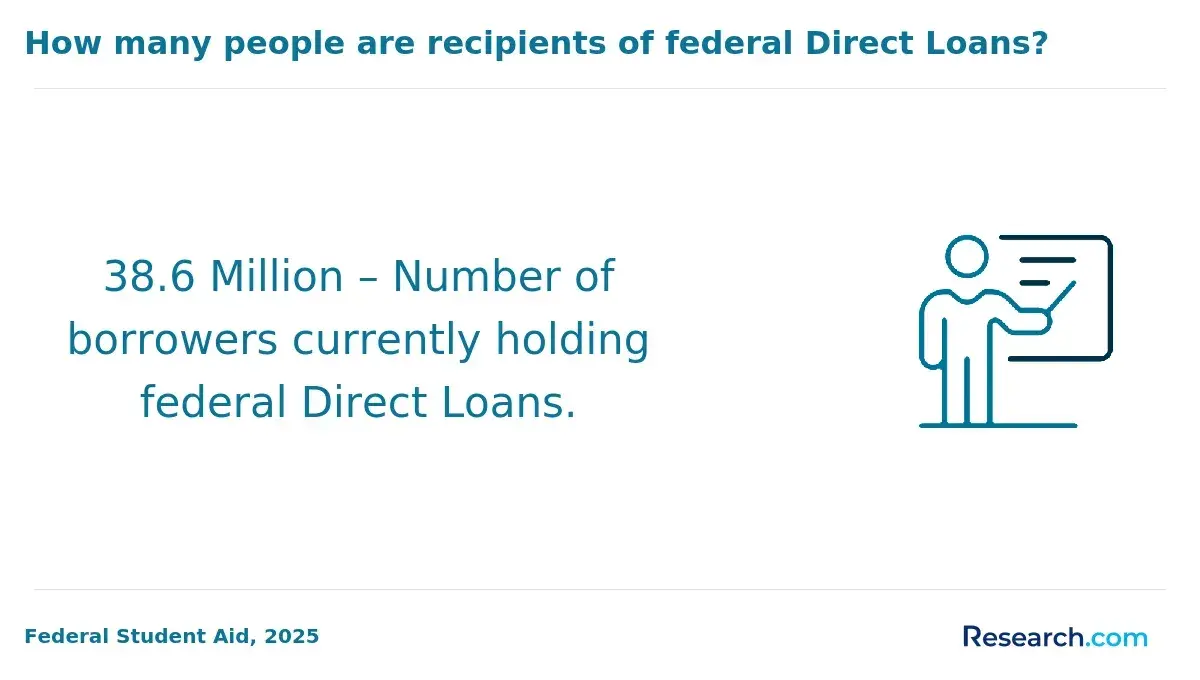
Federal student loans generally provide sufficient borrowing limits to cover these expenses. Dependent undergraduates may borrow up to $5,500 annually through Direct Subsidized and Unsubsidized Loans combined, with at least $3,500 subsidized. Independent students or those with dependents can borrow up to $9,500 per year, offering flexibility to cover living costs and supplies in addition to tuition.
The average cost of respiratory therapy school loans may be higher if students choose private loans, which tend to have elevated interest rates and less flexible repayment. Federal loan interest rates for undergraduates currently range from about 4.99% to 6.54%, with repayment typically deferred until after graduation or dropping below half-time enrollment. It is important to factor in accrued interest, which can increase repayment amounts significantly over time.
Careful budgeting, scholarship opportunities, and selecting schools with reasonable tuition can reduce reliance on loans and limit future debt. For those exploring options, researching the best loans for MBA students may provide useful insights into managing loan choices effectively.
What are the eligibility and FAFSA requirements for respiratory therapy school loans?
Respiratory therapy school loans generally require U.S. citizenship or eligible non-citizen status and enrollment at least half-time in an accredited program. Students must maintain satisfactory academic progress as defined by their institution. Eligibility criteria for respiratory therapy school loans are largely determined through the annual submission of the Free Application for Federal Student Aid (FAFSA), which assesses financial need and assigns loan limits, including for Direct Subsidized and Unsubsidized Loans.
FAFSA is essential for accessing federal loans and many state or institutional loan programs. It evaluates factors such as income and family size to calculate an Expected Family Contribution (EFC). Independent students without parental support may qualify for higher loan limits. Private loans often require a creditworthy cosigner and do not mandate FAFSA completion, though federal loans remain preferable due to lower interest rates and more flexible repayment terms.
Income-driven repayment (IDR) plans offer relief post-graduation. Under the new SAVE plan launched in 2024, borrowers have a median payment of 5.6% of monthly income, down from 9.5% in earlier IDR plans, according to the U.S. Government Accountability Office's 2025 analysis. This adjustment makes federal loans more manageable for respiratory therapy students entering the workforce. Filing FAFSA early maximizes eligibility for federal aid and access to these repayment options.
For students searching for options beyond federal aid, reviewing the best banks that offer student loans can provide alternative funding sources to supplement respiratory therapy school loans.
Which loan options work best for associate, bachelor's, and master's respiratory therapy degrees?
Federal student loans offer favorable terms for respiratory therapy students pursuing associate degrees, including lower interest rates and protections like income-driven repayment plans. Many qualify for Direct Subsidized and Unsubsidized Loans, which provide predictable terms and deferment options during financial hardship.
Bachelor's degree students should also prioritize federal loans but might need private loans to cover higher education costs. According to the College Board's "Trends in Student Aid 2025," only 7.2% of undergraduates took out private loans, averaging $15,910-more than double the average federal loan amount of $6,590. When considering private loans, comparing lenders' interest rates and repayment incentives is essential to avoid excessive debt.
Master's students frequently face higher expenses and federal loan limits. They can use Federal Direct PLUS Loans, which allow borrowing up to the full cost of attendance but carry higher interest rates. Private loans may supplement these funds but often come with variable rates and fewer protections. Exploring employer tuition assistance and fully utilizing federal options before resorting to private loans is recommended.
Key considerations for respiratory therapy students include eligibility for loan forgiveness, managing repayments alongside employment, and avoiding debt exceeding income potential. Choosing federal loans reduces financial risk. When private loans are necessary, students should carefully evaluate rates, fees, repayment flexibility, and cosigner requirements.
How do interest rates, fees, and credit checks work on respiratory therapy school loans?
Interest rates for respiratory therapy school loans vary widely depending on the lender, creditworthiness, and loan terms. Fixed APRs provide stability, while variable APRs can change with market conditions. Sallie Mae offers health-profession loans with fixed APRs starting as low as 5.49% when enrolling in autopay, which is significantly lower than the average 10.13% fixed APR found at many private lenders, according to Savingforcollege.com's "Best Medical School Loans 2026" comparison. Comparing lenders is essential to find the most competitive rates.
Loan fees often include origination fees, late payment penalties, and occasionally prepayment penalties. Origination fees usually range between 0% and 5% of the loan amount, influencing the total cost. Always inquire about these fees upfront to understand the full financial commitment.
Credit checks impact loan approval and interest rates. Most private lenders assess credit scores, income, and debt-to-income ratios. Higher scores lead to better rates and fewer fees. Borrowers with limited credit history may need a cosigner, which can improve terms but places responsibility on the cosigner. Federal student loans usually have no credit checks or origination fees and offer lower fixed interest rates but may require supplementing with private loans due to borrowing limits.
To secure better loan terms, consider the following:
- Check if autopay discounts are available.
- Compare fixed and variable APR options.
- Understand all associated fees before borrowing.
- Evaluate if a cosigner could improve your loan terms.
What repayment plans can respiratory therapy graduates use to manage monthly payments?
Respiratory therapy graduates have multiple repayment options for managing student loans, each suited to different financial situations. Federal Income-Driven Repayment (IDR) plans like Pay As You Earn (PAYE) and Revised Pay As You Earn (REPAYE) cap monthly payments at 10-15% of discretionary income and forgive remaining balances after 20-25 years of qualifying payments.
Other federal plans include a standard 10-year repayment schedule, which fully pays off loans within a decade but may carry higher monthly payments, and graduated repayment plans that start with lower payments increasing every two years-ideal for those expecting rising incomes. Employer-based assistance programs can significantly reduce debt. For example, Clasp's 2025 respiratory therapy loan-repayment program offers up to $37,500 applied directly to loans plus $50,000 in bonuses for qualifying students, accelerating payoff timelines.
Public Service Loan Forgiveness (PSLF) is an important option for respiratory therapists working full-time in government or nonprofit roles. It allows remaining balances to be forgiven tax-free after 10 years of qualifying payments. Refinancing through private lenders is available but may eliminate federal protections and benefits, so comparing rates and terms is essential before deciding.
Are respiratory therapists eligible for loan forgiveness or repayment assistance programs?
Respiratory therapists have access to multiple loan forgiveness and repayment programs aimed at easing their educational debt. The National Health Service Corps (NHSC) Students to Service (S2S) program offers up to $120,000 in loan repayment for a three-year full-time commitment at approved locations, as outlined by the Health Resources and Services Administration's guidance.
Public Service Loan Forgiveness (PSLF) is another federal option applicable to respiratory therapists employed full-time by eligible public or nonprofit organizations. After 120 qualifying payments, remaining loan balances can be forgiven, helping reduce overall education costs for those working in hospitals, government, or nonprofit health sectors.
State-level programs also provide loan repayment assistance to therapists serving in rural or underserved communities. Eligibility typically requires:
- Employment in qualifying clinical settings.
- Full-time work status (usually 30+ hours per week).
- A service commitment of two to three years.
Several lenders and employers offer additional repayment options, often coordinated through state health departments. Proactively researching these programs can help graduates mitigate debt and support career progression in critical healthcare areas.
When should respiratory therapy graduates consider refinancing or consolidating their loans?
Respiratory therapy graduates should review their loan options when their financial situation improves or interest rates become more favorable. For instance, those earning near or above the median annual wage of $76,000 can benefit from refinancing to lower monthly payments and reduce overall interest costs.
Consolidating multiple federal or private loans simplifies repayment by combining them into one monthly bill, which helps avoid missed payments and protects credit scores. However, consolidation may lengthen the loan term, potentially increasing total interest paid.
Graduates expecting significant income growth, such as reaching the top 10% earning over $104,000, might choose refinancing with a shorter term to save on interest, even if monthly payments rise. Conversely, borrowers facing financial challenges may consolidate to access income-driven repayment plans available for federal loans.
Refinancing is not advisable for those relying on federal protections like Public Service Loan Forgiveness or income-based forgiveness, as refinancing with a private lender removes these benefits.
Comparing current interest rates with original loan rates is essential before refinancing or consolidating. Decisions should align with clear financial goals and consider long-term impacts. Consulting a financial advisor can provide personalized guidance tailored to individual circumstances.
How can respiratory therapy students avoid default and protect their credit health?
Respiratory therapy students can protect their credit by borrowing only what is necessary for tuition and essential living costs, avoiding excessive debt. The Urban Institute's 2025 report shows that average student loan debt for allied health associate-degree holders, including respiratory therapy, has risen 38% in inflation-adjusted terms since 2010, highlighting the need for careful borrowing.
Federal student loans should be the first option, as they typically offer lower interest rates and flexible repayment plans. Income-driven repayment (IDR) plans help keep monthly payments affordable and reduce default risk. During financial hardship, deferment or forbearance can prevent missed payments.
Maintaining timely payments is crucial. Setting up automatic payments lowers the chance of missing due dates, protecting credit scores. Regular credit report monitoring helps detect errors or missed payments early.
Graduates working in healthcare can access loan forgiveness programs for public service or underserved areas, which significantly reduce loan balances and support financial stability. Building an emergency fund early provides financial flexibility for unexpected costs, further reducing loan delinquency risk and credit harm.
Other Things You Should Know About
Yes, most federal and private student loans for respiratory therapy programs allow extra payments without penalties. Making extra payments can help reduce the principal balance faster, lowering the total interest paid over the life of the loan. However, it's important to confirm with your loan servicer that extra payments are applied directly to the principal.
If respiratory therapy students are unable to make timely student loan payments in 2027, they can explore options like deferment, forbearance, or enrolling in an income-driven repayment plan. Additionally, contacting their loan servicer early to discuss these alternatives can help avoid default and protect credit scores.
Yes, you may be eligible to deduct up to $2,500 in student loan interest paid during the tax year, which can reduce your taxable income. This benefit applies to federal and many private loans used for your respiratory therapy education, subject to income limits. Keep track of your interest payments and consult IRS guidelines or a tax professional for eligibility details.
During a deferment, you are allowed to temporarily pause payments on your respiratory therapy student loans without being considered in default. Interest may continue to accrue depending on the loan type-subsidized federal loans typically do not accrue interest, while unsubsidized and most private loans do. Understanding these differences can help you minimize additional costs during deferment periods.