2027 Online Clinical Psychology Degrees With Practice-Ready Mental Health Curricula

Co-Founder and Chief Data Scientist
Choosing an online clinical psychology degree is a licensure decision as much as an academic one. Demand is strong: the U.S. Bureau of Labor Statistics projects psychologist employment to grow 6% from 2024 to 2034, faster than the average for all occupations.
This guide is for students comparing online, hybrid, and campus programs for mental health practice. You will learn how degrees differ, what accreditation means, how supervised clinical training works, what programs cost, and how to choose a path that fits your state, budget, schedule, and career goal.
Key Things You Should Know
- Clinical psychologist licensure usually requires a doctoral degree, supervised experience, and state exams; a master's degree may support counseling or therapy licensure only if it matches your state board's rules.
- The BLS reports a 2024 median annual wage of $94,310 for psychologists, but earnings vary by license type, setting, region, experience, and whether you work in schools, healthcare, government, or private practice.
- Online programs can be legitimate, but "fully online" does not mean fully remote: practice-ready curricula typically require local practicum, internship, in-person skills assessment, and board-approved supervision.
What is an online clinical psychology degree and how does it prepare you for mental health practice?
An online clinical psychology degree is a psychology-focused program delivered partly or mostly through distance learning, with required clinical training completed through approved sites, residencies, simulations, or in-person intensives. The goal is to build competence in assessment, diagnosis, intervention, ethics, research interpretation, cultural responsiveness, and supervised client care.
The phrase can describe several degree levels, and they do not lead to the same outcomes. A bachelor's degree introduces psychology but does not qualify you to practice independently. A master's degree may prepare students for supervised counseling-related roles if the curriculum aligns with a state license such as LPC, LMHC, or MFT, but many states do not license "clinical psychologists" at the master's level. A doctoral degree, usually a PhD or PsyD, is the standard route for psychologist licensure.
The table below shows how common online clinical psychology-related options differ. Use it to avoid the frequent mistake of choosing a program because the title sounds clinical, without confirming the license it can actually support.
| Degree level | Typical purpose | Clinical practice fit | Best for |
| Bachelor's in psychology | Foundational study of human behavior, research, and abnormal psychology | Does not qualify for independent therapy or psychologist licensure | Students preparing for graduate study or entry-level behavioral health support roles |
| Master's in clinical psychology | Advanced study in assessment, psychopathology, intervention, and research | Licensure fit varies widely by state and curriculum; may not meet counseling-license requirements | Students targeting doctoral study, research support, or state-approved master's-level practice routes |
| Master's in counseling or clinical mental health counseling | Counseling theory, diagnosis, treatment planning, group work, ethics, and supervised fieldwork | Often designed for LPC or LMHC licensure when state and accreditation requirements are met | Students who want a direct master's-level path to therapy practice |
| PsyD in clinical psychology | Doctoral clinical training with strong emphasis on assessment, therapy, supervision, and applied practice | Common route to licensed psychologist status when accredited and state-approved | Students focused on practice, assessment, and clinical leadership |
| PhD in clinical psychology | Doctoral training combining research, assessment, teaching, and clinical practice | Common route to psychologist licensure when accredited and state-approved | Students interested in research-intensive clinical practice, academia, or funded doctoral training |
A practice-ready curriculum is not only a list of therapy courses. It should include sequenced skills training, supervised client contact, feedback on recorded or observed sessions, crisis and risk assessment preparation, diversity and ethics training, and documentation practice using current clinical standards. Online delivery can support this through live class meetings, telehealth simulations, learning management systems, video supervision, and local placement coordination.
This degree path is a strong fit if you want structured preparation for mental health assessment or therapy and are willing to meet state-specific requirements. It may be a poor fit if you need a quick credential, cannot complete in-person clinical hours, or want guaranteed licensure across all states without reviewing board rules.
Are online clinical psychology programs accredited and do they meet licensure requirements?
Some online and hybrid clinical psychology programs are accredited, but accreditation must be checked at three levels: institutional accreditation, programmatic accreditation, and state licensing-board acceptance. Institutional accreditation confirms that the college or university meets broad academic quality standards. Programmatic accreditation is more specific and often more important for clinical training.
For doctoral psychology, the American Psychological Association Commission on Accreditation is the key programmatic accreditor recognized by many licensing boards, employers, internships, and postdoctoral sites. Students comparing doctoral options should verify program status directly and understand that online APA-accredited PsyD programs are usually hybrid or low-residency rather than entirely remote, because clinical competence must be observed and evaluated.
Licensure is controlled by state boards, not by the school alone. A program can be academically legitimate and still fail to meet the coursework, practicum, internship, or residency rules in the state where you plan to practice. This is especially important if you live in one state, enroll in a program based in another, and complete supervised hours at a local site.
Before enrolling, confirm the following items in writing because they directly affect whether the degree can move you toward practice:
- Whether the institution is regionally or nationally accredited by an accreditor recognized by the U.S. Department of Education.
- Whether the specific psychology, counseling, or doctoral program has the programmatic accreditation expected for your intended license.
- Whether the curriculum meets educational requirements in your state, not only in the school's home state.
- Whether practicum, internship, and residency hours meet your licensing board's definitions for direct contact, supervision, assessment, and documentation.
- Whether the program publishes state authorization and professional licensure disclosures for online students.
A common mistake is assuming that "clinical" in the degree title equals psychologist licensure eligibility. A safer approach is to identify your target license first, then work backward to the degree, accreditation, and supervised-experience requirements your state board recognizes.
How do online clinical psychology degrees compare to campus-based programs for training quality?
Online clinical psychology programs can offer strong academic training when they use live instruction, small supervision groups, structured skills assessment, and carefully vetted field placements. However, the quality gap between programs is significant. The best comparison is not "online versus campus" in general; it is whether a specific program can verify clinical competence, provide meaningful supervision, and place students in approved settings.
The table below compares the main training-quality factors that matter when choosing between online, hybrid, and campus-based formats. These differences affect not only convenience but also your readiness for practicum, internship, licensure exams, and early-career work.
| Training factor | Online or hybrid programs | Campus-based programs | Decision point |
| Course access | Often more flexible for working adults and students outside major metro areas | Fixed campus schedule with in-person attendance | Online may fit better if you need schedule flexibility, but confirm synchronous class requirements |
| Skills practice | Uses live video role-play, recorded sessions, telehealth simulations, and residencies | Uses in-person labs, clinics, peer practice, and faculty observation | Choose the format with stronger direct feedback, not simply the most convenient format |
| Clinical placement | May require students to help identify local sites, depending on the school | May have established local partnerships near campus | Ask exactly who secures placements and what happens if a site falls through |
| Faculty access | Can be strong when programs require live meetings and advising | Often easier to access informal mentoring and research labs | Research-focused students may benefit from campus-based faculty labs |
| Professional networking | Often more geographically dispersed and telehealth-oriented | Often stronger local networks around campus clinics and hospitals | Pick based on where you plan to complete hours and build your career |
Online education has also changed because telehealth is now a normal part of behavioral healthcare delivery. That makes online training more relevant than it was in the past, especially when programs teach telepsychology ethics, emergency protocols, privacy, interstate practice limits, and documentation standards. Still, students should not choose a program that replaces supervised client contact with simulations alone if their license requires real practicum or internship hours.
Campus programs may be better for students who want daily lab involvement, highly structured clinic access, or research-intensive mentorship. Online and hybrid programs may be better for working professionals, caregivers, military spouses, rural students, and students who already have strong local placement options. The right format is the one that meets licensure requirements while giving you enough supervised practice to become safe and effective with clients.
What core clinical psychology courses and practicum experiences are included in online curricula?
A practice-ready online clinical psychology curriculum should move from theory to skills to supervised application. Strong programs do not wait until the end of the degree to introduce clinical thinking; they integrate ethics, cultural context, case formulation, risk assessment, and evidence-based intervention throughout the program.
The table below summarizes common curriculum components and why each matters for mental health practice. Exact course titles vary, but the competency areas should be visible in the catalog and degree plan.
| Curriculum area | What students learn | Why it matters in practice |
| Psychopathology and diagnosis | Major mental health conditions, differential diagnosis, diagnostic interviewing, and case conceptualization | Supports accurate assessment, treatment planning, and appropriate referral |
| Assessment and testing | Cognitive, personality, behavioral, and symptom assessment methods | Especially important for psychologist roles that include evaluation and formal testing |
| Evidence-based interventions | Cognitive behavioral, behavioral, psychodynamic, family systems, trauma-informed, and integrative approaches | Helps students connect theory to treatment decisions rather than relying on intuition alone |
| Ethics and law | Confidentiality, mandated reporting, informed consent, boundaries, documentation, and scope of practice | Reduces legal and clinical risk for clients and practitioners |
| Research and statistics | Study design, outcome measurement, program evaluation, and interpretation of evidence | Prepares clinicians to use research without overstating what a study proves |
| Diversity and social determinants | Culturally responsive assessment, bias, access barriers, identity, and community context | Improves clinical judgment with clients from varied backgrounds |
| Practicum and internship | Supervised client contact, documentation, consultation, assessment, and treatment planning | Connects classroom learning with actual mental health service delivery |
Clinical experiences usually progress in stages. A student may begin with observation and role-play, move into practicum with closely supervised client contact, and later complete internship or advanced placement with broader responsibilities. Doctoral psychology programs also typically require internship training that meets detailed standards for hours, supervision, and competencies.
When reviewing curricula, look for evidence that the program evaluates real performance. Strong programs use multiple methods to check competence before students work more independently:
- Recorded or live-observed counseling and assessment practice with faculty feedback.
- Rubrics for interviewing, diagnosis, treatment planning, cultural responsiveness, and ethical decision-making.
- Supervision by licensed professionals who meet state and program requirements.
- Clear minimums for direct client contact, indirect clinical work, and supervision hours.
- Remediation policies for students who need additional skills development before advancing.
One emerging trend is the use of AI-assisted documentation and clinical decision-support tools. These tools can help with organization, but they also raise privacy, bias, accuracy, and professional-responsibility concerns. A strong curriculum should teach students how to evaluate technology critically rather than treating AI-generated notes or risk suggestions as clinical judgment.
What admission requirements and prior education are needed for online clinical psychology programs?
Admission requirements depend heavily on degree level. Bachelor's programs typically require a high school diploma or transfer credits. Master's programs usually require a bachelor's degree, prerequisite psychology coursework, references, a statement of purpose, and sometimes field or volunteer experience. Doctoral programs are more selective and often expect research preparation, clinical exposure, strong academic writing, and a clear professional goal.
The table below compares common requirements so you can identify gaps before applying. Requirements vary by institution, but these are the items most often used to judge readiness for clinical training.
| Program level | Common prior education | Common application materials | Preparation that strengthens an application |
| Bachelor's | High school diploma, GED, or transfer credits | Transcripts, application form, possible placement information | Strong writing skills and interest in statistics, human behavior, and helping professions |
| Master's | Bachelor's degree, often with psychology or social science coursework | Transcripts, recommendations, personal statement, resume, possible interview | Human services experience, crisis-line volunteering, research methods coursework, and clear licensure awareness |
| Doctoral | Bachelor's or master's degree, depending on the program | Transcripts, recommendations, writing sample, CV, interview, research or clinical statement | Research experience, supervised helping experience, strong statistics background, and faculty fit |
Many programs have reduced or eliminated GRE requirements, especially for professional master's and some PsyD programs. That can improve access, but it does not make clinical programs easy. Admissions committees still look for maturity, ethical judgment, communication skills, academic readiness, and realistic understanding of the profession.
If you are not sure whether you are ready, take these steps before applying. They can help you avoid spending application fees on programs that do not fit your background or goals:
- Identify the exact license or role you want, such as licensed psychologist, LPC, LMHC, school psychologist, or behavioral health case manager.
- Review your state board's education requirements and compare them to each program's published curriculum.
- Ask admissions staff whether students in your state are eligible for required field placements and professional licensure preparation.
- Strengthen weak areas with undergraduate psychology, statistics, research methods, or abnormal psychology coursework before applying.
- Prepare a statement of purpose that connects your experience, target population, and preferred training model.
A common red flag is a program that admits students quickly but gives vague answers about licensure, placement support, or supervised hours. Clinical training requires careful screening because students will eventually work with vulnerable clients.
How long do online clinical psychology degrees take, and what do they cost to complete?
Completion time depends on degree level, enrollment pace, transfer credits, clinical-hour requirements, dissertation or doctoral project timelines, and placement availability. Online delivery may make scheduling easier, but it does not remove required supervision, practica, internships, or state-mandated post-degree experience.
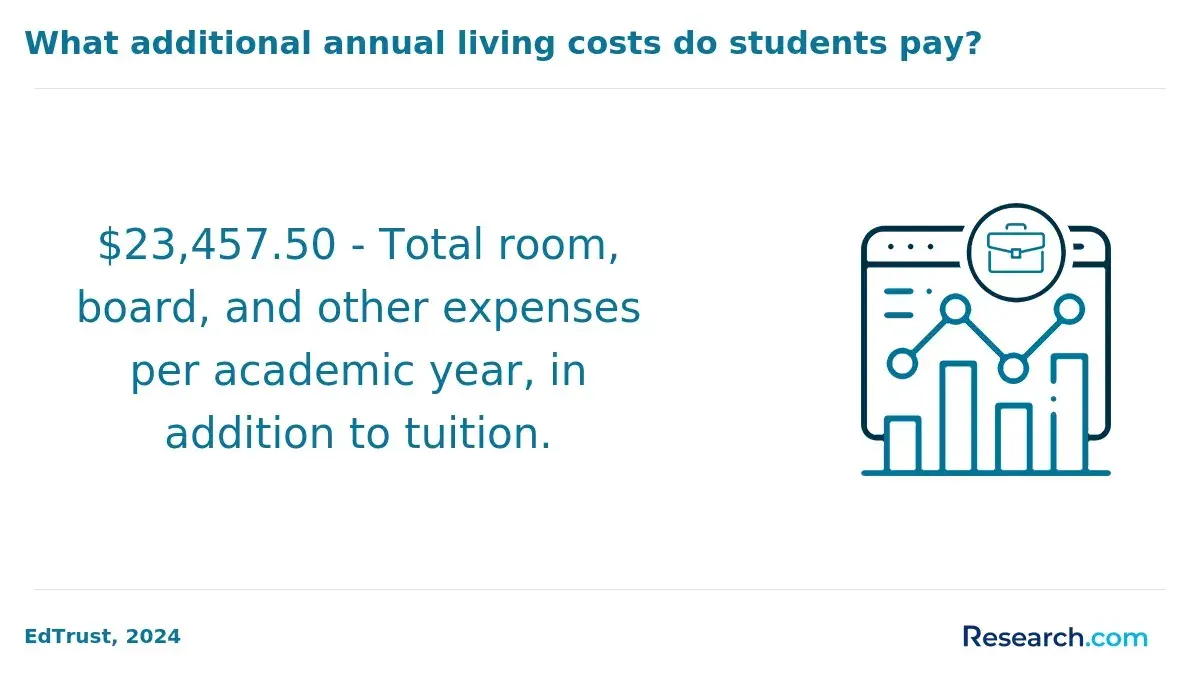
The table below gives a practical planning view of timeline and cost drivers. Instead of focusing only on advertised tuition, compare the total cost of attendance and the opportunity cost of reducing work hours during clinical placements.
| Program type | Typical completion time | Major cost drivers | Planning note |
| Online bachelor's in psychology | About 4 years for first-time students; shorter with transfer credits | Tuition, fees, textbooks, technology, and transfer-credit policy | Best viewed as preparation for graduate study, not a direct therapy credential |
| Online master's in clinical psychology or counseling-related field | About 2 to 3 years, depending on pace and practicum sequencing | Credit cost, supervised fieldwork, residency travel, background checks, liability insurance, and exam prep | Check whether the program supports the license you actually want |
| Hybrid PsyD or PhD in clinical psychology | Often 4 to 7 years, plus postdoctoral or supervised experience if required by the state | Tuition, fees, internship travel, dissertation or project costs, assessment materials, and reduced work capacity | Doctoral training is a long-term investment and should be evaluated against licensure portability and placement outcomes |
For financing, graduate students should understand federal loan limits before committing. Federal Student Aid lists the Direct Unsubsidized Loan annual limit for most graduate and professional students at $20,500 for the 2025-26 award year; costs beyond that may require savings, employer support, scholarships, assistantships, payment plans, or Graduate PLUS loans. This matters because a doctoral program can extend across many years, and borrowing decisions compound over time.
Students seeking a lower-cost route should compare public universities, transfer-credit policies, employer tuition benefits, and cohort pace. If your goal is a master's-level psychology pathway rather than doctoral licensure, reviewing affordable online psychology master's can help you understand how program price, flexibility, and curriculum focus differ.
To estimate your real cost, request more than tuition per credit. Ask each school for a written estimate that includes fees, residency travel, clinical-placement costs, malpractice insurance, background checks, technology, textbooks, exam preparation, and the number of credits required to graduate. Also ask whether tuition is locked for the cohort or may rise each year.
The fastest program is not always the best value. Accelerated programs can reduce time away from full-time income, but they may be difficult if you are working, parenting, or completing demanding clinical hours. Part-time programs may cost more over time if fees repeat, but they can reduce burnout and make field placement more manageable.
What clinical roles and career paths can you pursue with an online clinical psychology degree?
Career paths depend on your degree level and license, not just the words on the diploma. A bachelor's degree can support entry-level behavioral health roles. A master's degree may support counseling, case management, assessment support, or supervised therapy roles if it meets state rules. A doctoral degree can prepare graduates for psychologist licensure, psychological assessment, supervision, private practice, health system roles, and academic or research work.
The table below connects common roles to education and scope. Use it to decide whether you need a psychology doctorate or whether a counseling, social work, or marriage and family therapy pathway would get you to your goal more directly.
| Career path | Common education route | Typical responsibilities | Important limitation |
| Behavioral health technician or case manager | Bachelor's degree plus employer training | Client support, care coordination, documentation, crisis-response support, and referrals | Usually not independent therapy or diagnosis |
| Licensed professional counselor or mental health counselor | Master's in counseling or closely aligned field plus supervised hours | Therapy, treatment planning, intake assessment, group counseling, and referral | License title and requirements vary by state |
| Psychological associate or supervised psychology practitioner | Master's or doctoral training, depending on state rules | Assessment support, therapy under supervision, testing, and treatment documentation | Independent scope may be limited or unavailable in some states |
| Licensed clinical psychologist | APA-aligned or state-accepted doctoral degree, internship, supervised experience, and exams | Diagnosis, psychotherapy, psychological testing, consultation, supervision, and program leadership | Requires doctoral-level licensure and state board approval |
| Clinical director or behavioral health program leader | Advanced degree, license, and management experience | Supervision, compliance, quality improvement, staff development, and service design | Employers may require a specific license type and years of post-licensure experience |
If your main goal is to become a therapist at the master's level, a counseling degree may be more direct than a clinical psychology master's that is designed mainly for doctoral preparation. Students comparing routes should look at mental health counseling online master's options alongside psychology programs, then check which curriculum meets their state's licensure rules.
Clinical psychology graduates may work in hospitals, community mental health centers, schools, universities, correctional settings, integrated primary care, veterans services, substance use treatment, employee assistance programs, telehealth companies, assessment practices, and private practice. The best setting depends on your tolerance for crisis work, documentation load, assessment responsibility, schedule demands, and desire for autonomy.
Students should also consider alternative paths. Social work may be a better fit if you want therapy plus systems-level advocacy, case coordination, and broader human-services flexibility. Counseling may be a better fit if you want a master's-level therapy route. School psychology may fit students focused on children, learning, assessment, and school-based services. Clinical psychology is strongest for students who want deep training in assessment, diagnosis, research-informed practice, and complex mental health care.
What salary ranges and earning potential do clinical psychology graduates typically see?
Salary depends on license level, setting, region, specialization, years of experience, and whether the role includes testing, leadership, private practice, or hospital-based work. The most useful salary benchmark is not a single expected income but the wage range for the role your credential can actually qualify you to pursue.
The BLS reported a 2024 median annual wage of $94,310 for psychologists. This figure is helpful because it reflects the national labor market, but it includes multiple psychologist categories and does not mean every clinical psychology graduate will earn that amount. Master's-level counseling roles, bachelor's-level behavioral health jobs, and doctoral psychologist roles can differ substantially.
The table below shows how earning potential usually changes by pathway. Treat the salary context as a planning benchmark, not a guarantee.
| Credential or role level | Typical earning factors | Why pay varies |
| Bachelor's-level behavioral health roles | Employer type, shift schedule, crisis duties, and location | These roles often support care teams but usually do not include independent clinical practice |
| Master's-level licensed counselor or therapist roles | License status, supervised versus independent practice, setting, payer mix, and caseload | Pre-licensure roles often pay less than independently licensed roles |
| Doctoral-level clinical psychologist roles | Testing skills, specialty area, hospital privileges, private practice model, and leadership responsibility | Doctoral training can open assessment, supervision, and specialized practice opportunities |
| Clinical leadership or private practice | Business model, referrals, insurance contracts, specialization, supervision services, and overhead | Income can rise with autonomy, but administrative and business risk also increase |
To evaluate return on investment, compare expected debt to the role you want, not to the highest-paid outcome you can find online. A lower-cost master's pathway may make sense for students who want therapy practice and do not need psychological testing authority. A doctoral pathway may make sense for students who want psychologist licensure, assessment-heavy practice, teaching, supervision, or complex clinical leadership.
Common salary mistakes include using private-practice anecdotes as typical outcomes, ignoring unpaid or low-paid supervised experience after graduation, and assuming that online graduates earn less simply because of the delivery format. Employers and boards usually care more about accreditation, license eligibility, supervised training quality, competence, and reputation than whether lectures were delivered online.
What is the job outlook for clinical psychologists and mental health practitioners in the U.S.?
The U.S. outlook for mental health practitioners remains favorable because demand is shaped by rising recognition of behavioral health needs, integrated care models, telehealth access, workforce shortages in many communities, and employer attention to mental wellness. Still, the outlook varies by license type and region, so students should read national growth numbers as broad signals rather than local promises.
The BLS projects employment for substance abuse, behavioral disorder, and mental health counselors to grow 17% from 2024 to 2034, much faster than the average for all occupations. That is important for students comparing master's-level counseling routes with doctoral psychology routes because it suggests strong demand for therapy and behavioral health services across many settings, even when psychologist licensure is not required.
Several current trends affect program choice and early-career strategy. Telehealth has expanded access but has also increased the need to understand interstate practice rules, emergency planning, privacy, and documentation. The Psychology Interjurisdictional Compact, known as PSYPACT, has also made license portability a larger consideration for psychologists in participating states. AI tools are entering scheduling, screening, note drafting, and outcome tracking, which means new clinicians need both digital fluency and ethical caution.
Students can improve employability by building skills that employers consistently need. These areas are especially valuable across community, healthcare, school, and private-practice settings:
- Risk assessment, safety planning, and crisis documentation.
- Evidence-based treatment for anxiety, depression, trauma, substance use, and serious mental illness.
- Psychological assessment and testing competence for doctoral-level roles.
- Telehealth etiquette, privacy practices, and emergency procedures.
- Culturally responsive care with clients from varied identities and communities.
- Interprofessional collaboration with physicians, social workers, schools, courts, and community agencies.
Location matters. Rural communities, correctional settings, community mental health centers, and integrated primary care clinics may have high need but different pay, supervision, and workload conditions than private practice or hospital systems. Before enrolling, search job postings in your target state and note the license titles, degree levels, and specialties employers request.
How can you evaluate and choose a reputable online clinical psychology program?
The best online clinical psychology program is the one that matches your target license, state, budget, learning style, and clinical placement needs. Reputation matters, but rankings alone are not enough. A reputable program should be transparent about accreditation, licensure disclosures, faculty qualifications, field placement support, student outcomes, costs, and complaint procedures.
Use a structured review process before enrolling. These steps can help you separate strong practice-ready programs from programs that are convenient but risky:
- Choose your target role first, then identify the license required for that role in your state.
- Check institutional accreditation and the programmatic accreditation expected for your field.
- Read the school's professional licensure disclosure for your state and save a copy.
- Compare the curriculum against your state board's required coursework, practicum, internship, and supervision rules.
- Ask who is responsible for finding clinical placements and whether the school has approved sites near you.
- Request data on internship match, licensure exam preparation, graduation, retention, and post-graduation outcomes when available.
- Calculate the total cost of attendance, including travel, fees, insurance, background checks, and possible lost work hours.
- Speak with current students or recent alumni about faculty responsiveness, placement support, workload, and clinical supervision quality.
Students pursuing counseling licensure should also compare psychology programs with CACREP-accredited programs, because CACREP accreditation is commonly referenced in counseling licensure, portability, and employer screening. It is not the same as APA accreditation for psychology, so match the accreditor to the profession you plan to enter.
The table below summarizes common red flags and better alternatives. Use it during admissions calls so you can ask precise questions instead of relying on marketing language.
| Red flag | Why it is risky | Better alternative |
| The program says it "may" lead to licensure but cannot explain your state's requirements | You may graduate without meeting board rules | Choose a program with clear state-by-state licensure disclosures |
| Clinical placement support is vague | Delayed placements can extend your time to graduation | Ask for written placement responsibilities, site standards, and contingency plans |
| Accreditation claims are broad or confusing | Institutional accreditation may not satisfy programmatic expectations | Verify both institutional and programmatic accreditation directly |
| The program advertises speed more than supervised competence | Clinical training cannot be rushed without risking readiness | Prioritize sequenced skills assessment, supervision, and outcome transparency |
| Total cost is difficult to estimate | Fees, travel, and clinical expenses can change affordability | Request a full written cost estimate for the entire program |
A final decision should come down to fit. Choose an online or hybrid program if it meets licensure standards, supports high-quality local clinical training, and lets you complete the degree without unsustainable debt or burnout. Choose a campus program if you need in-person research mentorship, a university clinic, or stronger local placement networks. Consider a different mental health degree if your career goal can be reached faster, more affordably, and with less licensure uncertainty through counseling, social work, or school psychology.
Other Things You Should Know About Clinical Psychology
In 2027, diplomas for online clinical psychology degrees typically do not mention the mode of study. The diploma will generally state the degree earned and the institution's name, focusing on the academic achievement rather than the delivery method.
Not necessarily. GRE-optional admissions are common, but the program should still evaluate academic readiness, writing ability, ethics, clinical fit, and preparation for supervised practice.
Sometimes, but credits do not always transfer cleanly across psychology, counseling, social work, and marriage and family therapy programs. If you are uncertain, compare licensure requirements before committing to a degree plan.
References
- How To Become A Clinical Psychologist (2025 Guide) https://www.psychology.org/careers/clinical-psychologist/
- Mental health jobs to grow 3 times the rate of all US jobs over next decade | CNN https://www.cnn.com/2024/09/07/health/mental-health-jobs-projections-dg
- Admission Requirements https://www.torontomu.ca/psychology/programs/graduate/admission-requirements/
- What Do Psychologists Earn? Highest Paying Psychology Jobs | Walbrook https://www.walbrook.ac.uk/subjects/psychology/psychologist-salaries-highest-paying-jobs/
- Psychology Master’s Programs Online: Compare Top Schools https://www.onlinemastersdegrees.org/best-programs/psychology/
- How Employers View Online Degrees in Counseling & Psychology https://www.counselingpsychology.org/articles/how-employers-view-online-degrees-in-counseling-and-psychology/
- Clinical Psychology https://chp.mercer.edu/admissions/admissions-requirements/clinical-psychology/
- Clinical Psychology - SWPS University https://english.swps.pl/academics/warsaw/ma-programs/psychology/clinical-psychology
- Online Psychology Degrees | Accredited Programs - Start Your Career https://www.psychologist-license.com/online-degrees/
- What can you do with an online master's in clinical psychology? | edX https://www.edx.org/resources/what-can-you-do-with-a-masters-in-clinical-psychology