2027 Can Parents Transfer Student Loans to Their Child?

Student Finance & Loan Expert
Parents burdened with large student loan balances often wonder if transferring their debt to their child is an option. This question arises especially when parents wish to simplify repayment or alleviate their own financial strain. However, student loan agreements typically bind the original borrower, complicating any attempt at transfer. Children, on their part, may be reluctant to assume such debt without direct benefit or conscionable terms. This article examines the legal and financial realities surrounding the possibility of moving parent-held student loans to children, offering clear guidance to navigate this complex issue and plan accordingly.
- Can parents legally transfer Parent PLUS or private student loans to their child? Transfer rules
- What are the main ways to shift parent student loan responsibility to a child? Transfer options
- How does refinancing parent student loans into the child's name work? Refinance to child
- When can a child assume responsibility through a private lender's cosigner release? Cosigner release
- Are there federal programs that effectively shift Parent PLUS loan costs to the student? Federal workarounds
- How do credit, income, and debt-to-income ratios affect transferring loans to a child? Approval factors
- What are the financial pros and cons of transferring student debt from parent to child? Pros and cons
- How does transferring or refinancing parent loans affect taxes, credit, and homebuying? Long-term impact
- What alternatives exist if a parent cannot transfer student loans to their child? Alternatives
- How should families decide who should keep, refinance, or repay student loan debt? Family decisions
Can parents legally transfer Parent PLUS or private student loans to their child?
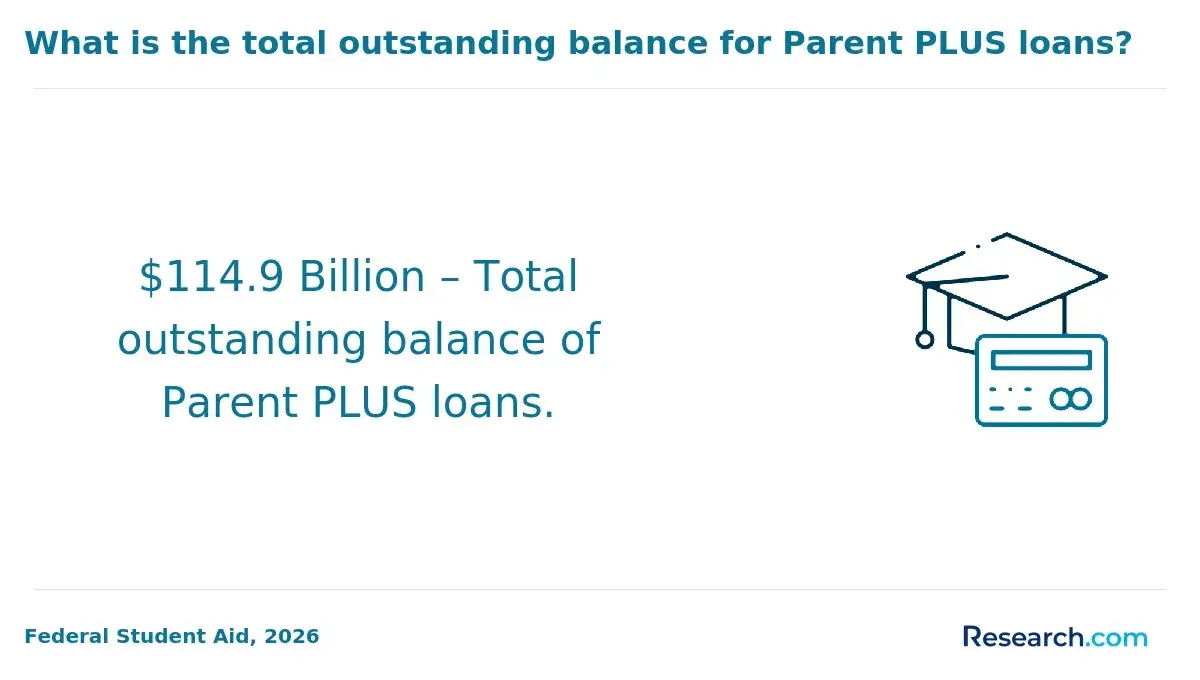
Parents cannot legally transfer Parent PLUS loans or private parent student loans to their child. Federal regulations for Parent PLUS loans, which account for a significant portion of student debt with about 3.8 million borrowers owing $112.2 billion as of Q4 2023, hold the parent borrower responsible for repayment. The loan contract is between the parent and the Department of Education, prohibiting any direct transfer or assumption of the loan by the student.
Private student loans offered to parents have similar restrictions. Typically, loan agreements bind the original borrower, and lenders rarely permit a transfer or cosigner release to the child borrower. Even when lenders allow refinancing, this is not a loan transfer but rather a new loan under the child's name, usually requiring proof of creditworthiness and income. This refinancing option can reduce interest rates or alter repayment terms but depends entirely on the child's financial profile and lender approval.
Parents exploring parent plus loan transfer options for parents and private student loan transfer processes to children have limited alternatives:
- Request income-driven repayment plans or forbearance if eligible, though responsibility remains with the parent.
- Encourage the child to apply for Direct or private student loans themselves for future expenses, rather than transferring existing debt.
- Consider refinancing to combine loans under the child's name after paying off the original loan, knowing this does not transfer the original debt.
Families should be aware of these constraints to avoid misconceptions about loan responsibilities and plan accordingly. For those interested in student loans for off-campus rent, additional resources can help clarify options and eligibility.
What are the main ways to shift parent student loan responsibility to a child?
Parents have limited options to transfer parent student loans to child options because federal Parent PLUS loans remain solely the parent's legal responsibility. The most common way to shift parent loan responsibility to child is for the child to obtain their own student loans and use those funds to pay off the Parent PLUS loan, effectively refinancing the debt in the child's name. This requires the child to qualify for new federal or private loans, typically based on creditworthiness and income.
Another approach involves loan consolidation or refinancing through private lenders who may allow combining parent and student loans into a single account. In some cases, the child can assume the loan if they co-sign, but this depends heavily on lender policies and the child's financial profile.
It's important to note that Parent PLUS loans cannot be directly transferred or assumed by the student through federal loan programs. Parents still have access to income-driven repayment (IDR) plans or deferred repayment, but these options do not shift loan responsibility to the child.
More than 10% of Parent PLUS borrowers entered default within four years after graduation, according to federal data cited by BestColleges, which motivates families to consider refinancing or repayment strategies that involve their child. Parents should weigh the child's ability to manage additional debt and potential credit impact.
Professional loan counseling and consulting financial advisors can provide clarity on refinancing options and eligibility for private consolidation. For those seeking independent student loans, helpful information is available at independent student loans.
How does refinancing parent student loans into the child's name work?
Refinancing parent student loans to a child's name process involves the child applying for a new private loan to pay off the original Parent PLUS loan. Since federal Parent PLUS loans are legally non-transferable, representing 6.7% of all outstanding federal student loan debt, the debt cannot be directly shifted from parent to child. Instead, the child must qualify independently with sufficient credit history, income, and debt-to-income ratio to secure refinancing.
This refinancing replaces the federal loan with a private loan under the student's name, transferring repayment responsibility. The parent loses control over the loan, and important federal benefits-such as income-driven repayment plans and deferment options-are lost. Families considering this option should weigh these trade-offs carefully.
- The child's financial stability is crucial for eligibility when refinancing parent loans to child's name.
- Only private lenders offer refinancing since federal programs prohibit borrower substitution.
- Private refinancing interest rates may be lower, but the loss of federal protections is significant.
- Parent co-signing can improve loan terms but keeps parents liable for repayment.
For those exploring options to ease Parent PLUS loan burdens, refinancing to the child's name offers potential benefits but requires thorough financial assessment. Choosing private parent loans for college may also be considered as an alternative option in managing federal Parent PLUS debt. Proper understanding of the transfer of parent student loan debt to child's name is essential before proceeding.
When can a child assume responsibility through a private lender's cosigner release?
Private lenders usually permit a child to take on responsibility for a student loan through a cosigner release process after meeting certain criteria. Typically, the student must show reliable on-time payments, often requiring 12 to 36 consecutive months without delinquency. Additionally, the borrower must demonstrate sufficient independent income and creditworthiness to refinance the loan without parental support. This is a crucial factor in cosigner release eligibility for private student loans.
Requirements vary by lender but commonly include these factors:
- A minimum number of on-time payments, usually between 12 and 36 months.
- Proof of steady income sufficient to cover loan payments.
- A satisfactory credit score, generally above 650.
Some lenders, such as Sallie Mae and Discover, require that the student refinance application reflect the ability to repay based solely on their credit and income. Others may still require parent involvement or co-borrower status until certain payment milestones are met.
Given the notable rise of over 72% in Parent PLUS loan balances since 2014, while borrower numbers have grown only 19%, many parents look for ways a child can assume private loan responsibility by seeking cosigner release. Parent loans are usually non-transferable, so this cosigner release or student-led refinancing is often the only way to shift debt obligations. Students should carefully maintain payment histories and improve credit scores to strengthen their chances.
For those exploring options, the best way to refinance student loans can also offer valuable strategies beyond cosigner release.
Are there federal programs that effectively shift Parent PLUS loan costs to the student?
Parent PLUS loan debt remains the responsibility of the parent borrower; no federal program allows the debt to be formally transferred to the student. While the federal government does not permit reassigning this loan, parents and students may consider private refinancing or cosigning as alternatives, though these are not federal solutions and carry risks.
Through private refinancing, a student may take over the loan by refinancing it in their name with a private lender, provided they qualify based on creditworthiness. This approach can offer benefits such as lower interest rates or longer repayment terms, but creates shared legal responsibility-meaning both parties assume credit risk. This financial entanglement reflects trends highlighted in a Pew Research Center survey showing 59% of parents provided financial support to young adult children recently.
Federal Income-Contingent Repayment (ICR) plans are exclusively available to Parent PLUS loan borrowers themselves. Parents can convert their loan to an ICR plan by consolidating it into a Direct Consolidation Loan, which adjusts payments based on income. However, this option still does not transfer debt to the student. Students with federal Direct Loans have their own repayment options separate from Parent PLUS loans.
In summary, only private refinancing offers a potential method to shift repayment to the student, but it hinges on credit eligibility and involves increased financial complexity. Federal programs maintain clear parental responsibility for Parent PLUS loans throughout their term.
How do credit, income, and debt-to-income ratios affect transferring loans to a child?
Transferring student loans from parents to their child depends heavily on the child's credit score, income, and debt-to-income (DTI) ratio. Lenders focus on these factors to evaluate the child's ability to repay the loan. A strong credit history combined with steady income significantly increases the chance of loan transfer or refinancing approval.
Income stability is crucial. For instance, a child earning about $50,000 annually with consistent employment stands a better chance than one with irregular earnings under $20,000. Insufficient income often means a co-signer-commonly the parent-is required, maintaining the parent's financial responsibility.
The debt-to-income ratio, which measures monthly debts against gross income, is another key metric. Lenders typically prefer a DTI under 36%. A higher DTI due to existing debts reduces the likelihood of a successful loan transfer.
Parents should also consider their retirement plans and financial security before transferring loans. Roughly $400 billion in education debt is held by midlife and older adults, with about a quarter of that linked to their children's education. Loan transfers can ease parental debt burdens but depend on the child's capacity to carry this responsibility.
- Loan transfer approval depends on the child's credit score, income, and debt-to-income ratio.
- A low credit score or excessive debt can prevent refinancing.
- Stable income and a manageable DTI are critical.
- Parents must evaluate their long-term financial impact before transferring loans.
What are the financial pros and cons of transferring student debt from parent to child?
Transferring student loan debt from a parent to their child is often complicated and usually not possible with federal Parent PLUS loans, which remain the legal responsibility of the parent. Families exploring private refinancing or other options must carefully weigh the benefits and drawbacks.
Pros:
- If a child has stronger credit, refinancing the loan may lower interest rates and monthly payments, reducing financial strain.
- Parents may protect their credit scores and debt-to-income ratios by shifting repayment responsibility to the child.
- Children gain direct control over the loan and may become eligible for income-driven repayment plans or forgiveness programs not available to parents.
Cons:
- The child assumes full legal responsibility, which can impact their credit and financial health early on.
- Refinancing depends on the child's creditworthiness and income, which many students or recent graduates lack.
- Federal Parent PLUS loans rarely allow transfers, limiting options to private refinancing that may forfeit federal protections.
- Parent PLUS loans disproportionately affect Black families (25.9% of Black bachelor's students versus 7% for Asians), highlighting systemic borrowing disparities and complicating transfer decisions.
Parents and children should evaluate their credit profiles, financial situations, and loan types before pursuing loan transfers or refinancing. Consulting a financial advisor can help clarify options tailored to individual needs. For more insights, BestColleges offers detailed information on Parent PLUS loan dynamics and reforms.
How does transferring or refinancing parent loans affect taxes, credit, and homebuying?
Transferring or refinancing Parent PLUS loans to a child changes who is legally responsible for repayment and impacts credit reports for both parties. When refinancing, the child's credit score is checked, and missed payments can harm their credit history. Parents benefit by removing large loans from their credit reports, potentially improving their debt-to-income ratio.
Tax benefits on Parent PLUS loans are limited. Interest paid is generally deductible while under the federal loan, but refinancing into a private loan under the child's name may eliminate those federal benefits. Transfers do not generate taxable income, but the child assumes full liability for repayment.
Outstanding student debt affects homebuying. By transferring parent loans, parents might better qualify for mortgages due to reduced monthly debt, while the child's increased debt load may restrict their borrowing power. Lenders closely evaluate debt-to-income ratios, so the added loan responsibility can influence mortgage approval.
About one in seven undergraduates receive Parent PLUS loans, which come with higher interest rates and fewer repayment options than other federal loans. Refinancing or consolidation can enable income-driven repayment plans, offering important relief but also shifting financial responsibility and credit impact, which can influence future decisions such as homebuying.
What alternatives exist if a parent cannot transfer student loans to their child?
Federal and private student loans are tied to the original borrower, so parents cannot directly transfer their student loans to their children. However, families seeking ways to ease parental loan burdens can consider refinancing both parent and student loans together through a private lender. This may lower interest rates or simplify payments, but the child must qualify based on their credit and income.
Another option is for the child to take out their own student loans to cover remaining balances, separating responsibility but increasing their own debt. Families sometimes use informal arrangements such as family loan agreements, where parents lend money privately, or income-sharing agreements to provide flexible repayment without formal refinancing.
It is important to note that student loan debt has risen significantly. The median balance for U.S. borrowers grew from $6,000-$7,000 (adjusted for inflation) in 1992 to $16,000-$20,000 by 2022, according to the Pew Research Center. This indicates children may face considerable baseline debt before refinancing parent loans, emphasizing the need for careful financial planning.
Prospective borrowers should also consider federal income-driven repayment plans and forgiveness programs, which are available only to original loan holders. Consulting a financial professional is advisable to understand tax impacts, credit effects, and long-term consequences when managing or restructuring educational debt.
How should families decide who should keep, refinance, or repay student loan debt?
Families should carefully evaluate financial capacity, creditworthiness, and long-term goals when deciding whether to keep, refinance, or repay student loan debt. Parents with steady income but limited credit history often benefit from retaining federal Parent PLUS loans, preserving access to borrower protections like income-driven repayment plans and loan forgiveness programs.
Refinancing through a private lender may be advantageous if the child has a stronger credit profile and higher earning potential, as it can secure lower interest rates and reduce total repayment costs. However, moving federal loans to a private lender eliminates federal protections, increasing financial risk during hardship.
- Parent PLUS loans made up about 11% of federal student loan debt disbursed in 2022, emphasizing their role in family finances (Debt+, Wisconsin Center for Education Research).
- Assess income stability and credit scores of both parties; refinancing suits children with rising income prospects better.
- Parents retain responsibility for loans in their name, impacting credit scores and debt-to-income ratios.
Practical strategies include parents keeping federal loans during undergraduate years while children refinance graduate school debt. Alternatively, children may gradually assume payment responsibility through refinancing or reimbursement agreements. Open communication about financial abilities and risks is essential to balance repayment affordability and credit impact.
Other Things You Should Know About
Yes, a child can choose to repay a parent's student loan voluntarily without any formal transfer of responsibility. However, this does not remove the parent's legal obligation to the lender. The parent remains responsible for the debt unless the loan is refinanced or otherwise reassigned through a lender-approved process.
Most federal and private student loan servicers do not permit direct transfers of loan ownership between family members. Loans typically remain in the original borrower's name unless refinanced or consolidated under specific programs. Transfers require lender approval and often involve new credit checks and application procedures.
In 2027, if a parent with a federal student loan for their child dies or becomes totally and permanently disabled, the loan may be discharged. Private loans, however, vary in their policies and may not offer the same protections, so it's essential to check specific terms with the lender.
Making payments on a parent's student loan does not directly impact the child's credit score unless the child is a co-signer or has the loan in their name. Without formal responsibility, these payments are considered gifts or personal transactions and are not reported to credit bureaus under the child's credit profile.