2027 Best Student Loan Refinance for Nurses

Student Finance & Loan Expert
Nurses often face the challenge of managing high-interest student loans accumulated during their education or career changes.
These debts can delay financial goals such as buying a home or saving for retirement. Refinancing offers a solution to reduce monthly payments and interest rates but navigating the options can be complex.
This article examines key factors influencing refinancing choices and highlights options tailored to healthcare professionals. It aims to equip nurses with clear, actionable information to make informed decisions that can improve their financial wellbeing and ease loan repayment burdens efficiently.
- What makes a student loan refinance best for nurses compared with general borrowers? Student Loan Refinance Overview
- How can nurses qualify for the lowest refinance rates on their student loans? Nurse Qualification
- When does refinancing make sense for nurses with federal vs. private student loans? Refinancing Federal vs. Private Loans
- Which lenders offer the most nurse-friendly student loan refinance programs? Lenders Offering Refinancing
- How does refinancing affect nurses' eligibility for Public Service Loan Forgiveness? Refinancing Affecting PSLF
- What refinance terms, rates, and features should nurses compare before choosing a lender? Choosing a Lender
- How do nurse income, shift differentials, and side gigs affect refinance approval? Approval Factors
- Should travel nurses, per-diem nurses, or nurse practitioners refinance differently? Other Nurses Refinancing
- How can nurses improve their credit and debt profile before refinancing student loans? Improving Credit
- What risks, trade-offs, and protections should nurses understand before refinancing? Risks and Trade-Offs
What makes a student loan refinance best for nurses compared with general borrowers?
Student loan refinancing options tailored specifically for nurses recognize the unique financial challenges and career paths in the nursing profession.
With 69% of newly licensed RNs carrying debt and a median balance of $28,000, nurse-specific student loan refinancing benefits focus on offering lower fixed and variable interest rates than typical lenders. These plans also provide flexible repayment terms suited to the fluctuating incomes and schedules common in nursing careers.
Such refinancing plans often come with perks like deferment options for nurses pursuing advanced degrees or working part-time, along with loan forgiveness assistance for those serving in underserved areas. Nurses also benefit from lenders offering:
- Interest rate discounts tailored for healthcare professionals
- Little to no fees associated with refinancing
- Flexible repayment plans with adjustable terms
- Prequalification tools that do not impact credit scores
These features help mitigate the burden of nursing school debt while supporting career advancement through salary increases after certifications or specializations. Moreover, prospective nurse borrowers considering refinancing may also want to review can financial aid pay for living expenses for additional guidance.
Choosing the best student loan refinance options for nurses ensures repayment remains manageable and aligned with career growth, unlike general borrower options that may not account for the nursing profession's specific financial landscape.
How can nurses qualify for the lowest refinance rates on their student loans?
Nurses seeking the lowest interest rates for nurse loan refinancing must meet lender requirements that focus on credit, income, and employment stability. A credit score above 700 is often necessary to qualify for competitive rates.
Lenders also look for a steady income, typically requiring proof of full-time nursing employment. This stability can be critical to accessing nurse student loan refinancing requirements designed specifically for healthcare professionals.
Income and debt levels play a major role. Many lenders assess the debt-to-income (DTI) ratio, favoring borrowers with a DTI under 40%. For instance, nurses earning around $70,000 annually with student loan balances near $47,000 align well with typical qualifying criteria.
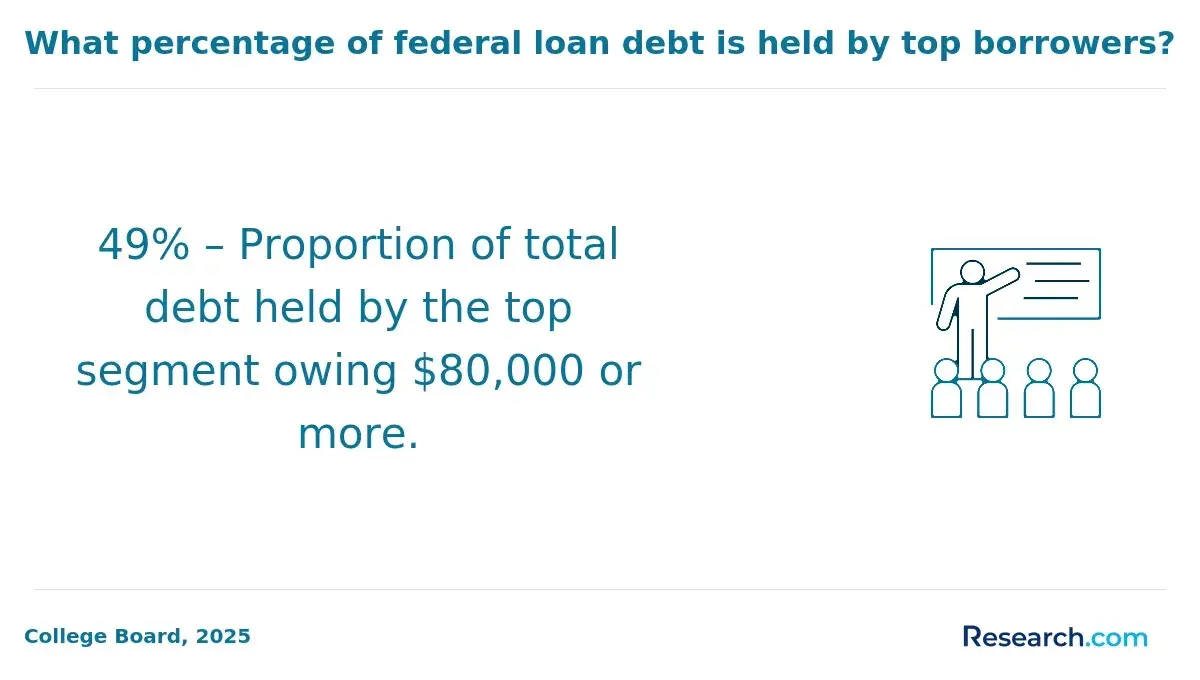
Advanced degrees, such as master's or doctoral levels, usually come with higher loan balances above $80,000, making higher or additional income sources essential to secure better refinancing terms.
Consistent employment in nursing for at least six months often improves eligibility. Some lenders even offer special refinancing programs or rate discounts tailored to nurses. Practical steps to qualify for lower rates include:
- Maintaining or improving a credit score above 700
- Ensuring stable and sufficient income to cover loan payments
- Keeping debt-to-income ratio below 40%
- Providing verification of continuous nursing employment
- Exploring lenders offering nurse-specific refinance benefits
For nurses with challenges such as lower credit scores, considering options like bad credit college loans may be a helpful step toward better financial footing. Addressing these factors lets nurses optimize loan terms and reduce borrowing costs effectively.
When does refinancing make sense for nurses with federal vs. private student loans?
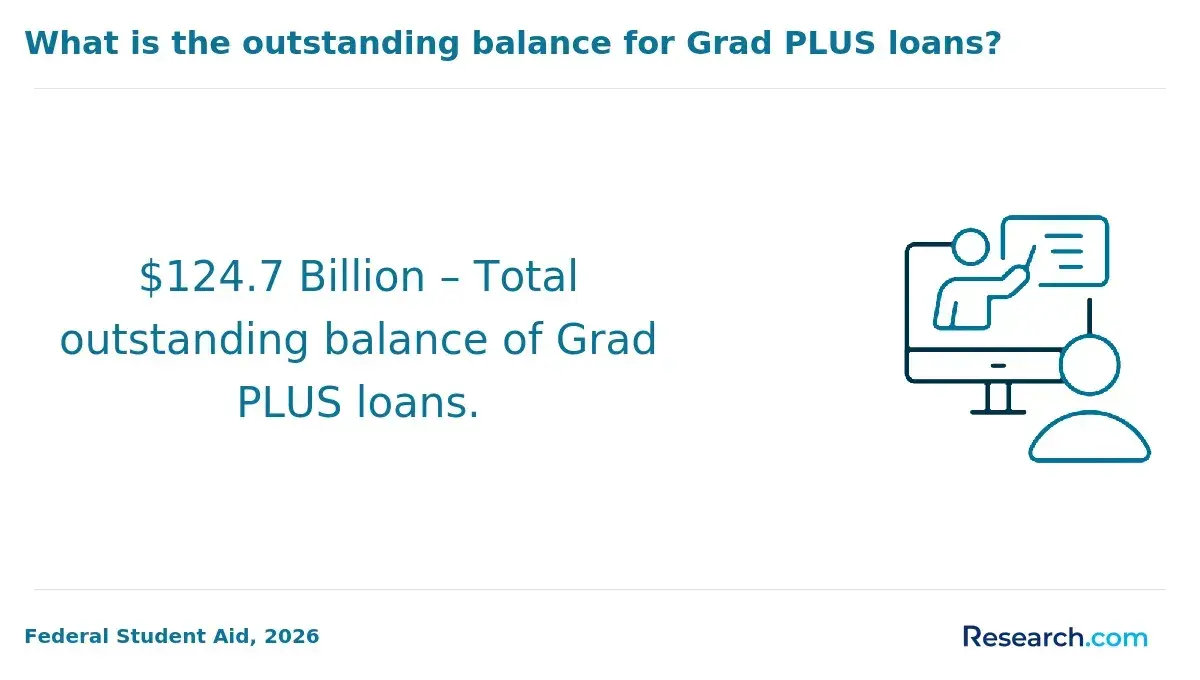
Refinancing student loans for nurses can be beneficial when lower interest rates from private lenders outweigh losing federal loan protections. Nurses holding federal student loans, especially Direct PLUS Loans with a fixed rate of 8.05%, may consider refinancing if they qualify for significantly better private rates.
However, refinanced federal loans forgo important benefits like income-driven repayment, public service loan forgiveness (PSLF), and deferment options, which are valuable for nurses working in public or nonprofit sectors.
Private student loans, by contrast, typically lack such protections, so refinancing to secure lower rates or improved terms often makes immediate financial sense. The best timing to refinance nursing student loans in the US includes:
- After graduation or initial training, when credit scores and income improve.
- When private loan interest rates fall below federal rates, especially below 8.05% for Direct PLUS Loans.
- When the nurse does not expect to use federal benefits or qualify for PSLF.
Making a decision about student loan refinance options for nurses with federal and private loans requires weighing the benefits of reduced rates against the loss of federal programs. Nurses should carefully evaluate employment plans, financial stability, and available offers before refinancing.
For those interested in broader loan options, comparing with business school student loans may provide useful insights.
Which lenders offer the most nurse-friendly student loan refinance programs?
The most nurse-friendly student loan refinance options for nurses come from lenders that recognize the financial challenges unique to healthcare professionals. Leading lenders include SoFi, Laurel Road, CommonBond, and PenFed Credit Union. These companies offer low fixed and variable interest rates, flexible repayment terms, and forbearance options tailored for nurses.
SoFi features competitive rates often starting as low as 2.25% APR variable, with no fees and unemployment protection, ideal for nurses seeking stability and flexibility. Laurel Road focuses on healthcare employees, providing rate discounts for autopay and employer benefits that reduce payments significantly for nurses working at partner hospitals.
CommonBond implements a Social Promise program, which rescues one borrower from debt for every new loan funded. It also offers customizable loan terms between 5 and 20 years and a 0.25% interest rate reduction for healthcare professionals. Meanwhile, PenFed Credit Union is known for strong rate reductions and a straightforward application process, though membership is required.
According to a 2025 Credible analysis, refinancing high-rate graduate loans into private loans saves borrowers an average of $213 monthly and more than $11,000 in total interest. This highlights the advantages of choosing the best lenders for nurse student loan refinancing.
When considering student loan refinance options for nurses, keep these factors in mind:
- Interest rates and rate discount availability
- Flexibility in repayment terms
- Customer service focused on healthcare professionals
- Financial hardship accommodations
Nursing school loans should ensure refinancing won't forfeit eligibility for public service loan forgiveness unless those options are no longer available.
How does refinancing affect nurses' eligibility for Public Service Loan Forgiveness?
Refinancing federal student loans removes nurses from eligibility for Public Service Loan Forgiveness (PSLF) because PSLF requires loans to remain within the federal Direct Loan program. When a nurse refinances, their federal loan is replaced with a private loan, eliminating any prior progress toward PSLF forgiveness.
Nurses working or planning to work in qualifying public service roles, such as in government hospitals or nonprofit healthcare organizations, should keep their loans federal to maintain PSLF benefits. Although refinancing may offer lower interest rates or more manageable monthly payments, it permanently ends PSLF eligibility regardless of future employment.
Before refinancing, consider these points:
- Only refinance if you have no intention of pursuing PSLF in the future.
- Savings depend on your creditworthiness; a strong credit profile is essential.
- A typical approved refinancer has a FICO score near 780 and a debt-to-income ratio under 40%, according to a 2024 Bankrate report.
- Compare potential interest savings with the long-term value of PSLF loan forgiveness, which could outweigh refinancing benefits.
Nurses uncertain about their career paths should evaluate federal income-driven repayment plans, which preserve PSLF eligibility while offering affordable monthly payments. Once federal loans convert to private through refinancing, returning to PSLF is not possible.
What refinance terms, rates, and features should nurses compare before choosing a lender?
Nurses refinancing their loans should carefully evaluate terms, interest rates, and lender features before committing. Choosing between fixed and variable interest rates is crucial: fixed rates offer predictable monthly payments, while variable rates may start lower but can rise over time. Comparing the Annual Percentage Rate (APR) helps reveal the loan's total cost, including fees.
The length of the loan term directly affects monthly payments and overall interest. Shorter terms increase monthly payments but reduce total interest paid, which may suit nurses with steady income. Longer terms lower monthly costs but increase the total interest expense, benefiting those needing more manageable payments.
Additional fees such as origination charges, prepayment penalties, or late fees should be factored into the cost. Borrower protections, including forbearance and payment deferral options, can be vital during income disruptions or unexpected life events.
It's important to note that refinancing privately usually means losing eligibility for Public Service Loan Forgiveness (PSLF). Healthcare professionals represent 25% of PSLF approvals, with an average discharged debt near $72,000, according to U.S. Department of Education data. Nurses should carefully weigh the benefits of lower rates against losing this opportunity.
Other features to consider include:
- Interest rate discounts for autopay enrollment
- Customer service responsiveness
- Loan origination speed and online account management
- Eligibility to refinance both federal and private loans together
How do nurse income, shift differentials, and side gigs affect refinance approval?
Nurse income plays a crucial role in refinance approval, as lenders seek stable and verifiable earnings to evaluate repayment ability.
While base salaries provide a foundation, many nurses earn additional pay through shift differentials for nights, weekends, or holidays. Lenders typically count these differentials if consistently documented for six months to a year, enhancing the borrower's income profile.
Secondary jobs or side gigs, such as freelance nursing or telehealth work, also affect refinance prospects. Supplemental income helps improve debt-to-income ratios when steady earnings can be verified over at least six months. However, irregular or unstable side income may reduce approval chances or require higher credit scores.
Fluctuations in income from shifts or side gigs complicate underwriting. Nurses should gather comprehensive documentation like pay stubs, tax returns, and employment verification letters to ensure smoother processing. Some healthcare refinance programs have specific criteria designed to accommodate typical nurse income patterns.
Data from EducationData.org's lender comparison shows healthcare-only refinance programs start with fixed rates around 5.74% for qualified clinicians. This is notably lower than average federal graduate loan rates above 7%, offering a strong incentive for nurses with well-documented, steady income to refinance and secure better terms.
Should travel nurses, per-diem nurses, or nurse practitioners refinance differently?
Travel nurses often face income variability due to short-term contracts and frequent relocations.
Refinancing to extend repayment terms can reduce monthly payments by 20%-40%, according to the Consumer Financial Protection Bureau, easing cash flow during unpredictable periods. Because their earnings may increase later, travel nurses should avoid refinancing options with prepayment penalties.
Per-diem nurses work flexible, variable hours that cause fluctuating income. They benefit from refinancing plans offering payment flexibility, like options to pause or reduce payments temporarily.
While extending loan terms lowers monthly payments, it also increases the total interest paid, so per-diem nurses must decide if this trade-off suits their irregular schedules.
Nurse practitioners usually have higher, more stable salaries. Their refinancing strategy should focus on reducing total interest by choosing shorter repayment terms or lower interest rates.
With the ability to afford higher monthly payments, nurse practitioners can significantly decrease overall loan costs. They may also consider income-driven repayment plans for federal loans before refinancing.
These strategies align refinancing choices with each nurse's financial situation and career plans.
How can nurses improve their credit and debt profile before refinancing student loans?
Nurses aiming to refinance student loans should first review credit reports from the three major bureaus to identify and dispute any inaccuracies. Correcting errors can lead to quick improvements in credit scores.
Managing credit utilization is crucial: keeping credit card balances below 30%, ideally under 10%, positively reflects responsible credit use. Avoid opening new credit accounts before refinancing to prevent temporary score drops due to inquiries.
Timely payments on all debts, including rent, utilities, and existing loans, are essential. Prioritize debts with the highest interest rates or those in delinquency to reduce the overall burden. Setting up automatic payments or reminders can help maintain consistent payment history.
Debt consolidation into lower-interest options outside of student loans can lower monthly expenses and improve debt-to-income ratios. The U.S. Bureau of Labor Statistics forecasts employment growth of 6% for registered nurses and 38% for nurse practitioners with median incomes near $86,000 and $134,000 respectively, offering strong income potential that benefits refinancing prospects.
Maintaining steady employment and providing current income documentation during refinancing applications further demonstrate financial stability. Lenders favor applicants who show the ability to repay loans through well-managed credit profiles and manageable debt levels relative to income.
What risks, trade-offs, and protections should nurses understand before refinancing?
Refinancing nurse student loans offers lower interest rates and monthly payments but carries significant risks.
A major concern is losing federal loan benefits such as income-driven repayment plans, deferment, forbearance, and Public Service Loan Forgiveness eligibility. Refinancing federal loans into private ones generally removes these protections, potentially leading to higher costs if financial difficulties occur.
Targeted forgiveness programs designed for nurses can sometimes provide better relief than refinancing. For example, the Nurse Corps Loan Repayment Program can erase up to 85% of nursing education debt after three years of service.
This level of forgiveness often outweighs the interest savings from refinancing, especially for those with large balances. Nurses should evaluate if such programs are more beneficial compared to just lower interest rates.
Other concerns include variable interest rates, which can cause payments to rise over time, and possible prepayment penalties. It is essential to review lender terms carefully. Key questions to consider include:
- Will refinancing eliminate eligibility for federal repayment plans or loan forgiveness?
- Are interest rates fixed or variable, and how might payments change?
- Do repayment terms fit long-term career and public service plans?
Weighing these risks alongside your financial goals helps make a well-informed decision between refinancing and pursuing nurse-focused repayment options.
Other Things You Should Know About Best Student Loan Refinance for Nurses
Most student loan refinancing lenders do not charge prepayment penalties, meaning nurses can pay off their refinanced loans early without extra fees. Paying off loans early can reduce total interest costs, but it does not affect other loan benefits like forbearance or deferment options that may have applied to the original loans.
Yes, lenders typically require proof of employment to verify income stability when refinancing student loans. Nurses may need to submit recent pay stubs, employer verification letters, or tax documents to demonstrate their ability to repay the loan. This step helps lenders assess eligibility and determine appropriate loan terms.
Refinancing federal student loans with a private lender replaces the federal loan with a private loan, causing the borrower to lose federal protections like income-driven repayment plans and federal loan forgiveness programs. Nurses should carefully consider whether losing these benefits outweighs the potential savings before refinancing.