2027 Best Medical Billing and Coding Student Loans

Student Finance & Loan Expert
Many aspiring medical billing and coding students face financial barriers when transitioning from unrelated fields. Navigating student loan options can be overwhelming, especially without clear guidance on specialized loans for this niche. The complexity of federal and private loan programs often leaves applicants uncertain about eligibility, repayment plans, and interest rates. This uncertainty may delay enrollment or increase debt burdens unnecessarily. Understanding how to secure affordable financing tailored to medical billing and coding can streamline the path to certification and employment. This article examines key student loan choices, eligibility criteria, and strategic tips to help prospective students manage educational expenses effectively.
- What student loans are best for medical billing and coding programs? Best loans
- How do federal and private student loans compare for medical billing and coding students? Federal vs private
- How much should you borrow for a medical billing and coding certificate or degree? How much
- What are the eligibility and FAFSA requirements for medical billing and coding student loans? Eligibility & FAFSA
- What interest rates, fees, and borrowing limits apply to these student loans? Rates & limits
- Which repayment plans work best for medical billing and coding graduates' salaries? Repayment plans
- Are medical billing and coding graduates eligible for loan forgiveness or repayment assistance? Forgiveness options
- How can you refinance or consolidate medical billing and coding student loans? Refi & consolidation
- What options exist if you can't afford payments, like deferment or forbearance? Hardship options
- How do parent and credit-based loans fit into financing medical billing and coding programs? Parent loans
What student loans are best for medical billing and coding programs?
Federal student loans remain a preferred choice for medical billing and coding student loan options because of their low interest rates and flexible repayment plans. Subsidized Direct Loans are especially valuable as they offer interest-free periods during study, which suits certificate programs typically costing between $1,000 and $5,000. Meanwhile, Unsubsidized Direct Loans provide additional funds but begin accruing interest immediately. Pell Grants and state financial aid programs may further reduce borrowing needs.
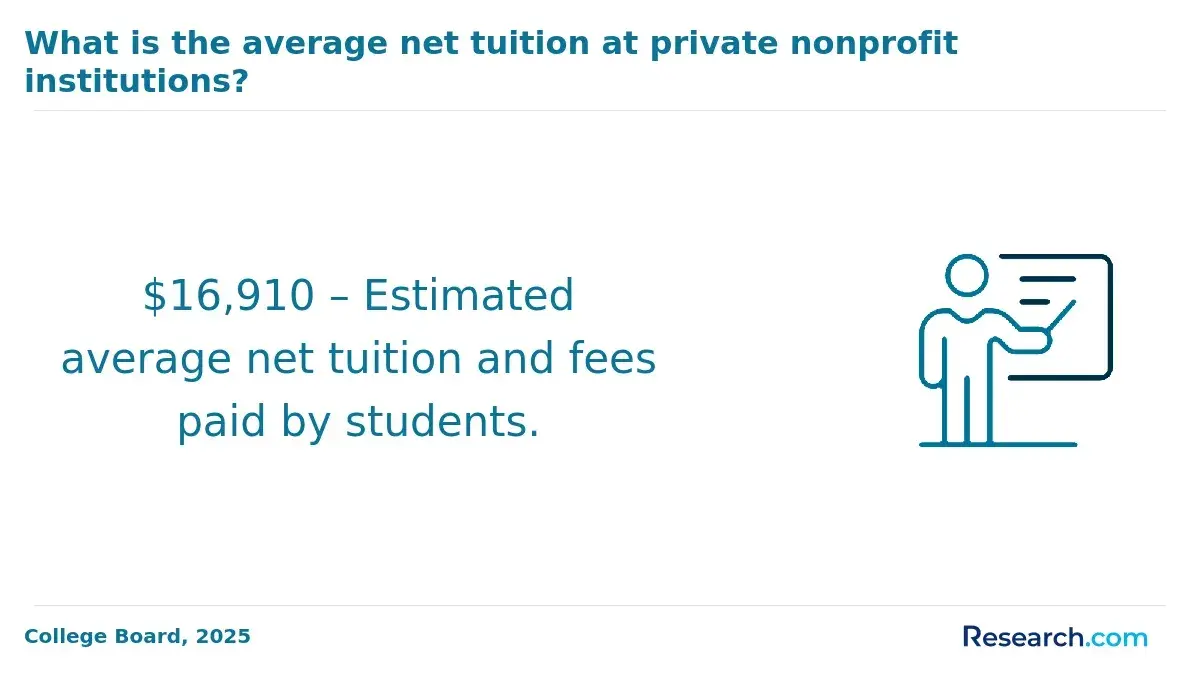
For degree programs, which often range from $4,200 to $19,500 according to the American Academy of Professional Coders (AAPC) and cited by Credible, private loans can supplement federal funding when costs exceed federal loan limits. However, these loans usually have higher interest rates and fewer borrower protections, so thorough comparison is necessary before choosing a private lender.
When selecting the best student loans for medical billing and coding programs, consider program length and credential level. Short-term online certificates benefit from smaller loan amounts and faster payoffs, reducing debt. Larger loans with extended repayment terms may be needed for associate or bachelor's degree programs. Also, factor in additional expenses such as textbooks, software, and exam fees.
Additional resources like work-study and employer tuition assistance can lessen loan reliance. Many healthcare employers offer tuition reimbursement or loan forgiveness for employees who obtain certified billing and coding credentials. For urgent financial needs, exploring emergency student loans can be helpful.
- Federal Direct Loans (subsidized and unsubsidized) offer flexible, low-cost borrowing
- Private loans provide funding beyond federal limits but with higher costs
- Employer and state-sponsored programs help minimize overall debt
How do federal and private student loans compare for medical billing and coding students?
Federal and private student loans differ significantly in eligibility, costs, and repayment options for medical billing and coding students. Federal loans, backed by the U.S. government, usually offer lower interest rates starting around 5% for Direct Unsubsidized Loans and maintain fixed rates throughout the loan term. They come with benefits like income-driven repayment plans, deferment options, and possible loan forgiveness programs, which help those facing financial uncertainty or irregular income.
Private student loans, often provided by banks or credit unions, require credit checks and may need a co-signer. Interest rates range from about 4% to over 14%, with fixed or variable terms. These lenders typically offer fewer repayment protections, and missed payments can quickly damage credit scores. Medical billing and coding student loan options and benefits should be carefully evaluated considering these differences.
Students with strong credit or reliable co-signers and stable income prospects might use private loans to supplement federal aid if federal limits-currently $31,000 for undergraduates-are insufficient. Employment in medical records and billing fields is expected to grow at a 7% rate from 2024 to 2034, indicating steady job prospects to support loan repayment.
It is advisable to exhaust federal loans before turning to private options to leverage consumer protections designed for educational debt. For important timing details, consult the federal student loan deadline.
How much should you borrow for a medical billing and coding certificate or degree?
Borrow only what covers the direct costs of your medical billing and coding education plus necessary living expenses during your study period. Certificate programs usually cost between $3,000 and $10,000, while associate degrees range from $15,000 to $30,000, depending on the institution and location. Accurately calculating tuition, fees, textbooks, and supplies helps avoid borrowing excess funds, reflecting the average cost to borrow for medical billing certification.
Include reasonable living expenses like rent, food, transportation, and healthcare if you cannot work while studying. Avoid discretionary spending in your loan amount to prevent unnecessary debt. Budgeting a cushion of 10% to 15% over education and living costs can cover unforeseen expenses but should not be excessive.
The median annual wage for medical records specialists was $50,250 as of May, with the top 10% earning over $80,950, according to the U.S. Bureau of Labor Statistics. Consider this earning potential when deciding how much to borrow. A loan amount that results in monthly payments exceeding 10% to 15% of your expected post-graduation income may be financially risky in managing medical billing and coding student loan amounts.
Evaluate your loan repayment options, expected salary, and job market before borrowing more than necessary. For example:
- If pursuing a short certificate costing $5,000 with minimal living expenses, borrowing $6,000 to $7,000 may suffice.
- For associate degrees with higher costs and living expenses, borrowing up to $30,000 might be necessary but should be balanced against future earnings.
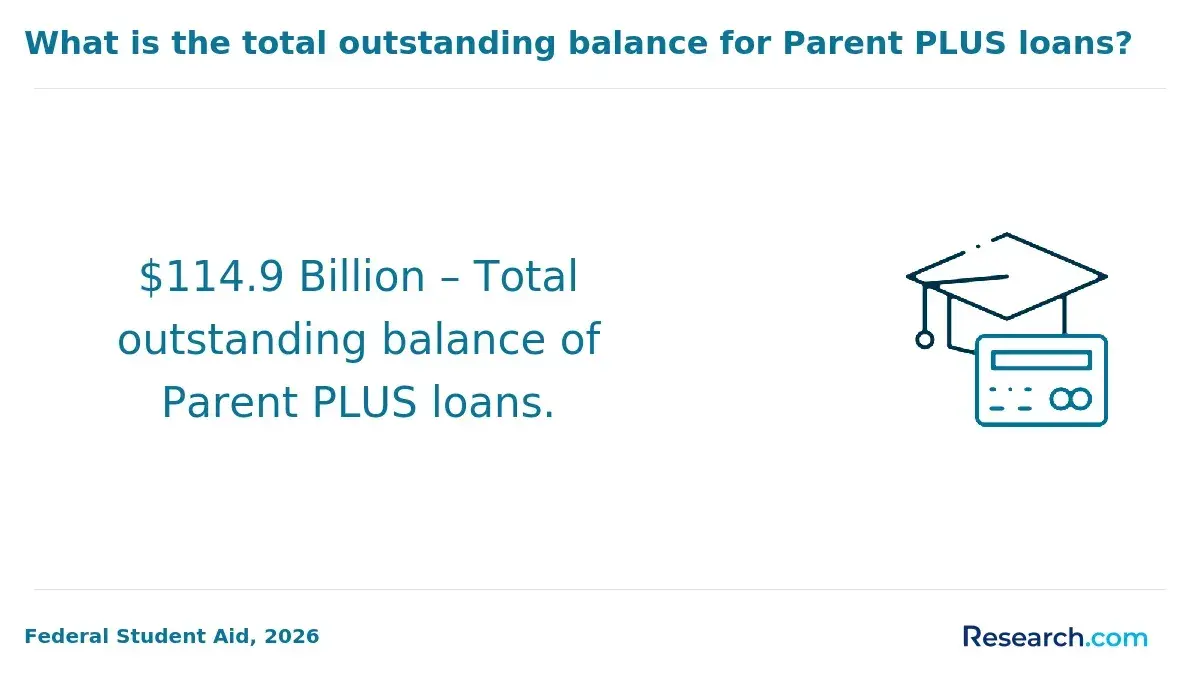
Seek financial aid or scholarships to reduce reliance on loans, and consider options like parent loans for college to supplement funding responsibly.
What are the eligibility and FAFSA requirements for medical billing and coding student loans?
Eligibility for medical billing and coding student loans depends on enrollment status, degree program, and citizenship. Students must be enrolled at least half-time in an accredited institution offering medical billing and coding programs. Both undergraduate and graduate students may qualify, though most loans focus on undergraduates. Applicants are required to be U.S. citizens or eligible non-citizens with a valid Social Security number. Males aged 18-25 must be registered with Selective Service.
The Free Application for Federal Student Aid (FAFSA) is essential for accessing federal loans. It evaluates financial need, academic standing, and personal data to determine eligibility for Direct Subsidized and Unsubsidized Loans. Subsidized loans are need-based, while unsubsidized loans do not consider financial status. Maintaining satisfactory academic progress, as required by the school, is necessary to keep loan eligibility. Understanding the fafsa requirements for medical billing and coding programs ensures timely and accurate application submission.
Federal loans offer notable advantages compared to private options. For example, undergraduate Direct Subsidized and Unsubsidized loans have fixed interest rates of 6.53%, whereas private student loan interest rates can exceed 15% for some borrowers, according to Federal Student Aid and market data compiled by Credible. This contrast significantly impacts total repayment costs.
Students unable to obtain federal aid due to citizenship or enrollment restrictions might consider private student loans from banks. However, it's important to carefully review terms and rates before committing. Some states or programs also require maintaining specific GPA levels or offer loan forgiveness tied to healthcare employment. Prospective borrowers should review all medical billing and coding student loan eligibility criteria carefully.
What interest rates, fees, and borrowing limits apply to these student loans?
Interest rates for medical billing and coding student loans differ based on loan type. Federal Direct Subsidized and Unsubsidized Loans feature fixed interest rates set annually by the U.S. Department of Education, usually ranging from 5.5% to 6.0%. Private student loans often have variable or fixed rates between 7% and 14%, depending on creditworthiness and lender policies.
Loan fees affect the total cost. Federal loans typically include an origination fee of about 1% to 1.057% of the loan amount, deducted upfront. Private loans may charge application fees or late payment penalties, varying by lender, so it's important to check terms carefully before borrowing.
Federal loan limits for undergraduates usually range from $5,500 to $12,500 annually, influenced by year in school and dependency status, while private loans can cover the full cost of attendance. This wider borrowing option helps students who have reached federal loan caps.
The Federal Pell Grant, with a maximum award of $7,395 for the 2024-25 cycle, significantly lowers the amount students need to borrow, reducing both debt and interest accumulation.
Comparing federal loans' benefits-such as fixed rates and deferment options-to private loans, which might offer larger limits but fewer protections, is essential for effective debt management.
Which repayment plans work best for medical billing and coding graduates' salaries?
Medical billing and coding graduates generally earn entry-level salaries between $40,000 and $50,000 annually, making income-driven repayment (IDR) plans the most practical option for managing student loans. Options like Income-Based Repayment (IBR), Pay As You Earn (PAYE), and Revised Pay As You Earn (REPAYE) tailor monthly payments based on income and family size, often requiring 10% to 15% of discretionary income. This approach lowers monthly loan costs significantly, especially for those earning around $45,000 per year.
IDR plans also include loan forgiveness after 20 to 25 years of qualifying payments, providing relief for borrowers balancing limited wages and living expenses. Graduates should typically avoid standard 10-year repayment plans at first, as higher fixed payments can increase financial strain and default risk.
Federal consolidation loans can combine multiple debts, but may lengthen repayment periods and increase total interest paid. For-profit school graduates face a higher default risk, with a three-year cohort default rate of 11.5% compared to 2.3% for public institution graduates, emphasizing the need for manageable repayment strategies tailored to expected income.
Refinancing federal loans into private ones can lower interest rates once stable employment is secured; however, it eliminates government protections like IDR and forgiveness benefits, requiring cautious consideration.
Are medical billing and coding graduates eligible for loan forgiveness or repayment assistance?
Medical billing and coding graduates may qualify for various loan forgiveness and repayment assistance programs, depending on the loan type and employment sector. Federal student loans offer several forgiveness opportunities, including Public Service Loan Forgiveness (PSLF). This program cancels remaining debt after 120 qualifying payments for those working full-time in government or nonprofit healthcare organizations, such as public hospitals or nonprofit medical coding firms.
Another option is Income-Driven Repayment (IDR) forgiveness, which cancels loans after 20 or 25 years of qualifying payments. IDR adjusts monthly payments based on income, making it easier for graduates in lower-paying entry-level roles to manage their debt.
State programs also offer targeted loan repayment grants for healthcare workers in underserved or rural areas. Since eligibility and benefits vary widely, it's important to research local programs.
Certification level impacts earning potential, affecting repayment ability. Professionals with multiple AAPC coding certifications average $84,414, while those with a single certification average $66,186 according to AAPC's salary survey. Higher credentials can improve loan refinancing options and overall financial outcomes.
Private loans typically have fewer forgiveness opportunities and lack federal protections. Graduates are advised to confirm their loan types before enrolling and prioritize federal loans to maximize forgiveness options.
How can you refinance or consolidate medical billing and coding student loans?
Refinancing or consolidating medical billing and coding student loans can help lower monthly payments and simplify debt management. Refinancing replaces one or more existing loans with a new loan from a private lender, potentially lowering interest rates if you have a strong credit score and steady income. Common private lenders include banks, credit unions, and student loan companies.
Consolidation, on the other hand, combines multiple federal loans into a single Direct Consolidation Loan. This may extend your repayment period but could increase total interest paid. It can also restore eligibility for certain federal repayment plans and forgiveness programs, which is important for many borrowers.
- Consider whether your loans are federal or private, as refinancing federal loans with private lenders causes loss of federal protections and benefits.
- Your credit score and income, which affect refinancing eligibility and rates.
- The total loan amount and repayment timeline to fit your financial goals.
For example, Cambridge College of Healthcare & Technology's online Medical Billing and Coding certificate costs $16,200 and qualifies for federal and state aid, often making consolidation a preferable choice. Before deciding, request personalized loan estimates from multiple lenders and compare interest rates, fees, and potential benefit losses.
Consulting with a student loan advisor can help create a repayment plan tailored to your specific loan types and financial situation.
What options exist if you can't afford payments, like deferment or forbearance?
If you are struggling to make payments on your medical billing and coding student loans, deferment and forbearance are important options to consider. Deferment allows you to pause payments temporarily without accruing interest on federal subsidized loans, commonly for reasons like being enrolled at least half-time, unemployment, or economic hardship. Forbearance also pauses or reduces payments but interest continues to accumulate on all loan types.
Qualifying for deferment requires submitting documentation such as proof of enrollment or unemployment to your loan servicer. Forbearance is often easier to obtain by request if you face financial difficulty but do not meet deferment criteria. Keep in mind, forbearance can be more expensive because unpaid interest increases your loan balance.
Private loans often offer limited hardship or forbearance options and rarely have formal deferment programs. Some lenders allow temporary reduced payments or graduated plans, so reviewing your loan terms carefully is essential.
Many medical billing professionals benefit from employer tuition assistance or reimbursement. According to AAPC, 33% of medical coding professionals received partial or full tuition help for continuing education. Such programs can reduce overall education expenses and ease loan burdens.
Contact your loan servicer as soon as payment problems arise to explore all available options. Late payments without arrangements can cause fees, credit damage, and loan default. Typically, deferment lasts up to three years, while forbearance terms range from six months to a year and may be renewable.
How do parent and credit-based loans fit into financing medical billing and coding programs?
Parent PLUS loans offer parents the ability to borrow up to the full cost of attendance minus other aid for medical billing and coding programs. These loans often provide larger borrowing limits than federal direct loans, covering tuition, books, and living expenses. However, they come with higher interest rates and fees, and require parental credit approval.
Credit-based private student loans rely on the borrower's creditworthiness and frequently need a co-signer. They can fill gaps left by federal aid or finance programs not eligible for Title IV assistance. Interest rates vary and are typically higher than federal loans, making it important to compare terms carefully.
Changes in federal "gainful employment" and Title IV regulations risk the eligibility of up to 20% of short-term, non-degree programs, including some medical coding certificates, if they fail to meet debt-to-earnings standards. These shifts increase the reliance on parent and private loans for many students.
Students should consider:
- Parent loans for stable, larger funding but higher costs and credit checks
- Private credit-based loans when federal aid isn't available, with close attention to interest rates
- Alternatives such as payment plans or employer tuition assistance to reduce loan dependence
Staying informed on the interaction between loans and federal policies is vital when financing medical coding education from an external perspective.
Other Things You Should Know About
Yes, student loans can typically be used to cover a range of education-related expenses beyond tuition. This includes costs such as textbooks, supplies, equipment, housing, transportation, and sometimes even internet fees if required for your medical billing and coding coursework.
If you drop out or fail your program, you remain responsible for repaying your student loans. Federal loans may have more flexible repayment options and protections, but missing payments or dropping out does not eliminate your debt. It's important to contact your loan servicer immediately to understand your options.
In 2027, interest paid on student loans for medical billing and coding programs is often tax-deductible. Borrowers may deduct up to $2,500 on their federal tax returns, potentially reducing their taxable income. However, eligibility may depend on specific income thresholds and filing statuses.
Loan disbursements usually occur at the start of each enrollment period, but the exact timing can vary by lender and school. It's important to ensure your loan is approved and funds are scheduled to be released before tuition deadlines, as late disbursements can impact your enrollment status or access to class materials.