2027 Best Student Loans for Returning Students

Student Finance & Loan Expert
Returning students often face unique financial challenges when seeking to fund further education. Limited access to traditional loans, increased tuition costs, and unclear options for refinancing can create barriers. Navigating these obstacles without clear guidance can lead to missed opportunities or excessive debt. This article evaluates top student loan choices tailored specifically for returning students. It aims to help readers identify suitable financing options by comparing terms, eligibility, and repayment strategies, ensuring they make informed decisions for sustainable educational investment.
- What are the best student loan options available for returning college students today? Best Loan Options
- How do federal and private student loans compare for returning students? Federal vs Private
- What eligibility requirements do returning students need to meet for student loans? Eligibility Rules
- How should returning students complete the FAFSA and other loan applications step by step? Application Steps
- What interest rates, fees, and borrowing limits apply specifically to returning student borrowers? Rates & Limits
- Which repayment plans work best for returning students resuming or increasing their loan debt? Repayment Plans
- How can returning students qualify for loan forgiveness or cancellation on new and existing debt? Forgiveness Options
- What deferment and forbearance options can help returning students manage payments while enrolled? Payment Relief
- When does refinancing or consolidating make sense for borrowers going back to school? Refinance or Consolidate
- How can parents and graduate returning students choose between PLUS loans and private loans? PLUS vs Private
What are the best student loan options available for returning college students today?
Returning college students often qualify as independent borrowers, which provides access to federal loans with borrower protections that are vital for many. The best student loan options for returning college students emphasize federal programs such as Direct Unsubsidized Loans and Direct PLUS Loans, which offer fixed interest rates typically around 6-7% and include income-driven repayment plans. These plans adjust monthly payments based on income and family size, supporting students juggling education, work, or family obligations.
Federal loans remain the lowest interest student loans for returning students compared to private alternatives, which generally have higher rates and fewer protections. Private loans may serve as a backup option, especially if creditworthiness is strong, but terms vary widely and can increase financial risk.
- Direct Unsubsidized Loans: No financial need requirement and fixed interest rates.
- Direct PLUS Loans: Cover the remaining cost of attendance after other aid, with a credit check.
- Income-Driven Repayment Plans: Tailor payments to the borrower's income and family size.
Many returning students should also seek scholarships and institutional aid to reduce borrowing needs. The reliance on federal aid is reflected in statistics, showing 47% of independent returning students borrowing federal loans versus 28% of dependent students. Additionally, it's useful to explore if can financial aid pay for rent, which may affect budgeting decisions.
Choosing federal loans first ensures access to programs with flexible repayment options and better financial security for those considering the lowest interest student loans for returning students.
How do federal and private student loans compare for returning students?
Federal student loans provide fixed interest rates, offering returning students predictable monthly payments and stability for consistent budgeting. For example, federal Direct Loans have fixed rates of 6.53% for undergraduates and 8.08% for graduate students. This is an important factor when comparing federal student loans versus private loans for returning students, as private loans typically feature variable interest rates starting around 1.99%, though most approved borrowers see averages between 7% and 9%.
Private loans might appear attractive initially due to lower starting rates, but their variable nature means repayment costs can rise unexpectedly. Key differences between private and federal loans include borrower protections: federal loans support income-driven repayment plans, deferment, and forbearance options that private loans usually lack. This flexibility often benefits returning students balancing work and study schedules.
Private student loans may be suitable for those who have reached federal loan limits or possess strong credit profiles qualifying them for competitive terms. However, these loans require credit checks, often a co-signer, and generally do not qualify for forgiveness programs. When considering a comparison of federal and private loan options for returning students, financial stability, credit status, and future income prospects should be carefully evaluated.
For students exploring alternatives and Ascent student loans eligibility, understanding these factors helps select a loan that best matches their repayment capacity and risk tolerance while continuing their education.
What eligibility requirements do returning students need to meet for student loans?
Returning students applying for federal student loans must meet specific eligibility criteria for returning student loans, including being U.S. citizens or eligible noncitizens with a valid Social Security number. Enrollment at least half-time in an eligible degree or certificate program is required, along with maintaining satisfactory academic progress. Students must not be in default on prior federal loans or owe refunds on federal grants.
Income-driven repayment plans offer significant benefits. Borrowers on these plans saw a 42% average reduction in monthly federal student loan payments after enrollment, according to the U.S. Department of Education's 2024 IDR program data. This makes income-based repayment crucial for returning students managing financial challenges.
Direct PLUS Loans require a credit check, but students with adverse credit can still qualify by obtaining an endorser or documenting special circumstances. Private loans often require a creditworthy cosigner, which can be difficult for non-traditional students. Additional requirements for student loan approval for returning students include verifying aggregate loan limits: undergraduates have a $57,500 cap, with no more than $23,000 in subsidized loans, while graduate students have higher limits.
Students must submit FAFSA annually and possibly updated financial documents to maintain eligibility. Additionally, those interested in borrowing may consider parent loan options for college as alternative funding sources.
Meeting these conditions helps secure necessary funding without delays or denials.
How should returning students complete the FAFSA and other loan applications step by step?
Returning students should follow a clear process when completing the FAFSA and related loan applications to maximize funding opportunities. Begin by collecting financial documents such as tax returns, W-2 forms, and bank statements. Keep in mind that requirements differ for independent versus dependent students. This step is critical in a step by step guide to student loan applications for returning students.
Next, create or log in with your FSA ID on the official FAFSA website. This credential is required to electronically sign and submit the FAFSA form for the academic year you plan to attend. Accurately enter your financial details and schools you will attend, noting any questions about your returning student status, previous credits, or enrollment gaps, as these affect your Expected Family Contribution (EFC).
After submitting FAFSA, carefully review the Student Aid Report (SAR) for errors or additional requirements. Eligible students should then apply for federal loans like Direct Subsidized or Unsubsidized Loans through their school's financial aid office. Typically, federal aid should be maximized before considering other options.
Private student loans should be considered only after exhausting federal aid. About 8% of undergraduates and 11% of graduate students used private loans recently. Private loans represent 13% of new education borrowing, according to the College Board's Trends in Student Aid. When exploring private options, compare rates, repayment terms, and borrower protections. Applications must be submitted directly to lenders, often requiring credit checks and proof of enrollment. For reliable choices, explore private banks for student loan refinance.
Finally, complete any required entrance counseling and sign loan agreements before aid disbursement. Keep track of deadlines to avoid delays. This method supports a how to complete fafsa for returning students step by step approach that facilitates timely and accurate funding.
What interest rates, fees, and borrowing limits apply specifically to returning student borrowers?
Returning student borrowers encounter varying interest rates, fees, and borrowing limits depending on the loan type and lender. Federal Direct Unsubsidized Loans for graduate students have a fixed interest rate of 7.05% in 2026. Graduate PLUS Loans carry a higher fixed rate of 8.05%, with a 4.228% origination fee deducted upfront.
Private loans typically feature variable or fixed rates between 6% and 14%, influenced by creditworthiness and co-signer status. These rates can fluctuate, posing risks if market rates rise during repayment. Private lenders may also charge application fees, late fees, and prepayment penalties, so reviewing loan terms carefully is essential.
Borrowing limits differ significantly:
- Federal unsubsidized loans cap at $20,500 annually with a lifetime maximum of $138,500 for combined undergraduate and graduate debt
- PLUS loans allow borrowing up to the full cost of attendance minus other aid
- Private loans base limits on tuition, fees, and credit evaluation
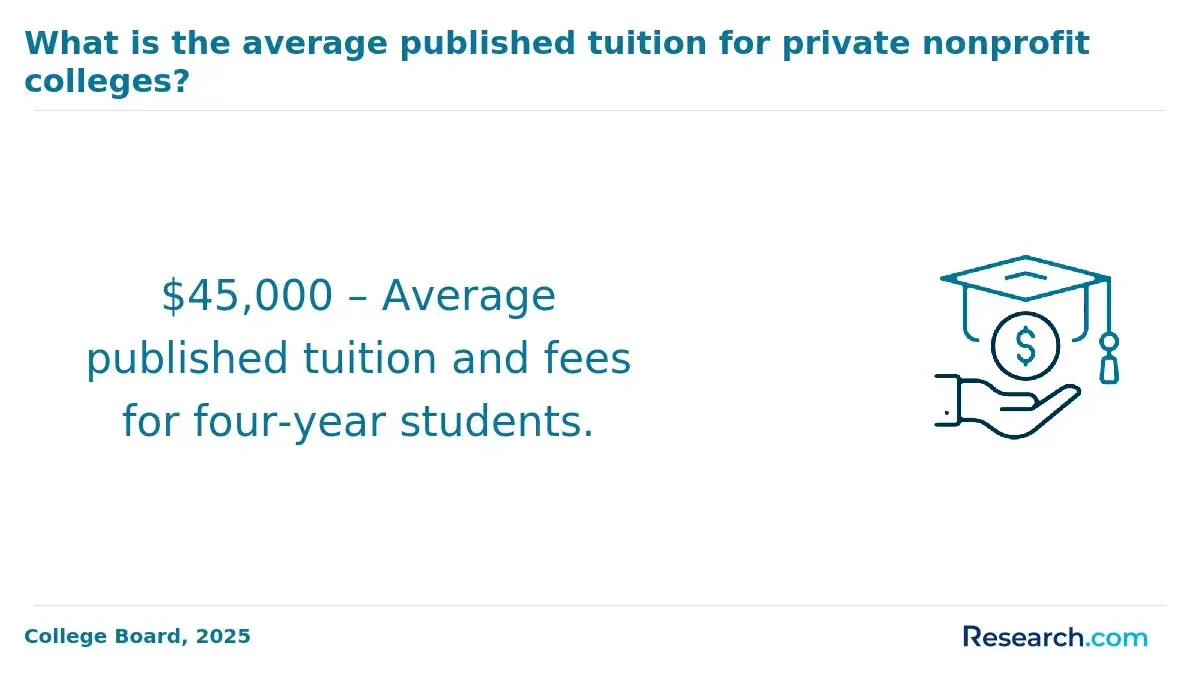
Graduate program tuition averages $20,370 at public institutions and $30,380 at private nonprofits, which has driven a 9% increase in private loan volumes, according to the College Board's Trends in Graduate Education Financing 2024. Borrowers should focus on selecting loans that balance immediate financial needs with minimizing long-term debt burdens.
Which repayment plans work best for returning students resuming or increasing their loan debt?
Income-Driven Repayment (IDR) plans adjust monthly payments based on income and family size, often lowering payments significantly during periods of reduced earnings. Common options include Revised Pay As You Earn (REPAYE), Pay As You Earn (PAYE), and Income-Based Repayment (IBR). These plans also offer loan forgiveness after 20 or 25 years of qualifying payments, providing a safety net for borrowers facing financial challenges.
Graduated Repayment plans start with lower payments that increase every two years, ideal for borrowers expecting steady income growth. This structure helps manage repayments early on while allowing payments to rise as finances improve.
Standard Repayment plans feature fixed payments over 10 years and suit individuals who can afford consistent monthly payments without deferral. Increasing payments under this plan reduces total interest and shortens debt duration but requires stable income.
Parent PLUS and Co-Signed loans carry higher risks for adult learners. About 22% of Parent PLUS borrowers entering repayment had balances over $80,000, with a 9.7% rate of three-year default or serious delinquency, according to a U.S. Government Accountability Office report. Switching to IDR plans or refinancing can be critical to avoid default.
Borrowers should carefully evaluate their current earnings, total debt, and career prospects before choosing a repayment plan. While IDR offers flexibility and default protection, Graduated and Standard plans require stable or improving income. Refinancing might lower interest rates but usually demands strong credit and steady employment.
How can returning students qualify for loan forgiveness or cancellation on new and existing debt?
Several federal programs offer loan forgiveness or cancellation options for borrowers based on their careers and repayment plans. The Public Service Loan Forgiveness (PSLF) program provides full forgiveness after 120 qualifying payments while working in government or nonprofit sectors. Loans must be Direct Loans, with annual employer certification to maintain eligibility.
Income-Driven Repayment (IDR) plans-including Revised Pay As You Earn (REPAYE), Pay As You Earn (PAYE), and Income-Based Repayment (IBR)-forgive remaining balances after 20 to 25 years of qualifying payments but treat the forgiven amount as taxable income.
Teacher Loan Forgiveness awards $5,000 to $17,500 after five years of teaching in low-income schools, depending on service and subject. Military members and Perkins loan holders may qualify for additional cancellation options.
Refinancing can lower interest rates and payments for borrowers managing existing loans. According to ELFI's customer outcomes report, refinancing reduced average interest rates from 7.3% to 4.9%, saving about $220 monthly on a $60,000 balance. This makes loan refinancing a practical alternative when forgiveness programs are not an option.
Before pursuing forgiveness or refinancing, borrowers should carefully verify loan types and repayment history. Consulting with loan servicers and trusted sources helps maximize available options based on individual profiles.
What deferment and forbearance options can help returning students manage payments while enrolled?
Deferment and forbearance are essential tools for managing student loan payments during enrollment or financial hardship. Deferment pauses payments for those enrolled at least half-time, unemployed, or facing economic challenges. On federal subsidized loans, interest does not accrue during deferment, providing genuine financial relief. Forbearance also suspends or reduces payments but usually allows interest to accumulate, making it suitable for temporary difficulties or after deferment eligibility ends.
Students should check specific loan servicer policies, as deferment types include in-school and hardship deferments, while forbearance may be discretionary-requiring borrower approval-or mandatory under certain conditions like medical hospitalization. Borrowers with fluctuating income or part-time status might prefer shorter forbearance periods to limit interest growth.
Early communication with lenders is crucial to avoid default. Income-driven repayment plans, which adjust payments according to income and family size, can complement deferment and forbearance for better payment management.
With Pell Grants now covering about 26% of full-time undergraduate costs, down from over 50% decades ago, using deferment, forbearance, scholarships, grants, or work-study effectively helps maintain financial stability during school.
When does refinancing or consolidating make sense for borrowers going back to school?
Refinancing student loans benefits returning students primarily when it reduces interest rates or monthly payments without losing important benefits. Borrowers should aim to refinance if they can secure a substantially lower rate, such as dropping from 6% to 4%, which can save thousands over the life of the loan. Refinancing is also useful for consolidating multiple private loans into a single payment, simplifying management and reducing administrative tasks.
Federal loan consolidation combines loans into one payment but usually does not lower interest rates since it uses a weighted average of existing rates. However, it can unlock access to income-driven repayment plans or federal forgiveness programs, which may be vital for students whose incomes fluctuate due to part-time enrollment.
Career outcomes play a key role when balancing new debt. Data from the U.S. Bureau of Labor Statistics shows workers aged 25-34 with a bachelor's degree earn a median annual income of $61,600, compared to $39,900 for high school graduates, a 54% premium. This income advantage supports careful refinancing or consolidation to manage debt as educational qualifications grow.
Before refinancing or consolidating, consider:
- Will my interest rate drop significantly?
- Will I lose federal protections like deferment or forgiveness?
- Can payments better fit my income?
- Does simplifying loans outweigh potential drawbacks?
Refinancing is ideal for those with stable credit and steady incomes. Consolidation suits borrowers needing federal repayment options for variable incomes during part-time study. Making informed decisions helps optimize debt and career progress.
How can parents and graduate returning students choose between PLUS loans and private loans?
Parents of dependent undergraduates and graduate students should carefully compare PLUS loans and private loans by assessing eligibility, interest rates, repayment options, and borrower protections. PLUS loans are federal, with fixed interest rates set by the government and generally no credit check required, though credit issues can disqualify applicants. Private loans depend on creditworthiness and may have variable or fixed rates, often higher for borrowers with weaker credit.
Repayment flexibility is a key factor. PLUS loans offer income-driven repayment plans and deferment during school or financial hardship, protections rarely matched by private lenders. Graduate students wanting manageable monthly payments benefit from these options. Conversely, private loans may offer competitive rates for borrowers with strong credit and sometimes allow co-signers to boost borrowing capacity.
When comparing costs, consider both interest rates and origination fees. PLUS loans charge roughly a 4.2% origination fee, while private loan fees vary widely. Those seeking predictable repayment schedules and federal borrower benefits typically choose PLUS loans, whereas borrowers willing to meet credit criteria may find private loans more affordable.
Avoiding delinquency matters significantly. Nearly 20% of borrowers were over 30 days late on payments recently, with those lacking degrees facing the highest rates, according to the Federal Reserve Bank of New York. Selecting loans aligned with your financial stability and likely degree completion can reduce default risks.
Other Things You Should Know About
Yes, student loans can generally be used for more than just tuition fees. Returning students may use loan funds to cover room and board, textbooks, supplies, and other necessary educational expenses. However, it is important to budget carefully since loan amounts are based on the overall cost of attendance set by the school.
Returning students in 2027 should be aware of the wide range of federal and private loan options available. Federal options like the Direct Loan program often offer better terms. Familiarizing themselves with interest rates, repayment plans, and eligibility criteria is essential for making informed decisions.
Changing programs or transferring schools can affect student loan eligibility, as aid is based on the new program's cost and enrollment status. Returning students must notify their loan servicer and complete any necessary paperwork with their new institution to ensure continued loan disbursement. It is important to confirm that the new program qualifies for federal or private loan options.
Student loans typically cannot be used retroactively to pay off unpaid balances from prior semesters. Loans must usually be applied to current or upcoming education costs. Returning students should work directly with their school's financial aid office to address outstanding debts and understand their repayment options.