2027 How to Avoid Running Out of Student Loan Money

Student Finance & Loan Expert
Many graduate students face the challenge of unexpectedly running out of student loan funds before completing their programs. This shortfall can result from miscalculations, changes in tuition, or underestimating living expenses. Without sufficient funding, students may need to take breaks, delay graduation, or accumulate high-interest debt from other sources. Proper planning and understanding loan options are essential to avoid financial disruptions during advanced study. This article outlines practical strategies for managing student loan money effectively, ensuring borrowers can cover their educational costs through graduation without facing avoidable financial gaps or setbacks.
- How can you calculate how much student loan money you actually need for school? Calculate Need
- What strategies help you avoid over-borrowing and stretching loans for all semesters? Avoid Over-Borrowing
- How do federal student loan limits work and what happens if you hit the cap? Federal Limits
- When should you use private student loans and how can you prevent running short? Private Loans
- How can budgeting and cost-cutting keep you from exhausting your loan funds? Budgeting
- What role do scholarships, grants, and work-study play in preserving loan money? Free Aid
- How can you plan ahead for variable costs like books, housing, and transportation? Plan Costs
- What should you do if your student loan refund isn't enough mid-year or mid-term? Short Refund
- How can summer classes, study abroad, or extra credits drain your loan eligibility? Extra Credits
- What are your options if you run out of student loan eligibility before graduating? Out of Eligibility
How can you calculate how much student loan money you actually need for school?
Start by determining your Total Cost of Attendance (COA), which includes tuition, fees, housing, food, books, supplies, transportation, and personal expenses. Schools provide a COA estimate tailored to their institution, which is key when you calculate how much student loan money is needed for school.
Subtract financial aid such as scholarships, grants, and savings from the COA to identify the funding gap that loans must cover. For example, if your COA is $30,000 and you receive $10,000 in aid, you'll need to borrow loans or find other funding for $20,000.
Include realistic living expenses-rent, utilities, groceries, and transportation-especially if you plan to live off-campus. You can learn more about using student loans for off-campus rent. Also, remember to anticipate additional costs like course materials and technology fees when estimating total student loan costs for education.
Federal unsubsidized loans account for a significant portion of borrowing and are a primary resource, but consider borrowing limits, interest rates, and loan origination fees. Private loans cover a smaller share but often come with higher rates and less flexible repayment options, so use them only if necessary.
- List your COA broken down by category
- Deduct grants and scholarships
- Calculate loan amount needed to cover the shortfall
- Factor in additional expenses beyond tuition
- Consider loan types, terms, and fees carefully
What strategies help you avoid over-borrowing and stretching loans for all semesters?
To avoid over-borrowing student loans in the US, it is essential to plan carefully and budget accurately. Begin by estimating all educational expenses, including tuition, fees, books, housing, and personal costs. Overestimating adds unnecessary debt, while underestimating may cause financial gaps. Utilizing financial aid calculators can help gauge realistic expenses before borrowing. Choose schools and programs that fit your financial ability; for example, public colleges typically result in less debt than private nonprofits, where bachelor's graduates average $34,420 in debt compared to $27,420 for public institutions.
Effective strategies to avoid over-borrowing student loans in the US include limiting loans to direct educational costs rather than lifestyle spending, tracking expenses monthly, and including emergency funds from savings or part-time work. Establishing a semester-by-semester loan plan helps stretch student loan money across all semesters by dividing loan eligibility evenly or proportionally, borrowing only for current terms, and reapplying each semester to reflect changing needs.
Additional methods to stretch student loan money across all semesters involve seeking scholarships, grants, and work-study opportunities to minimize loan reliance. Accelerated degree paths or credit-by-exam options can also reduce borrowing time. Regularly consulting financial aid offices and using budgeting tools supports disciplined borrowing.
For students concerned about credit challenges, exploring student loans for bad credit borrowers can provide tailored options to manage borrowing responsibly and effectively.
How do federal student loan limits work and what happens if you hit the cap?
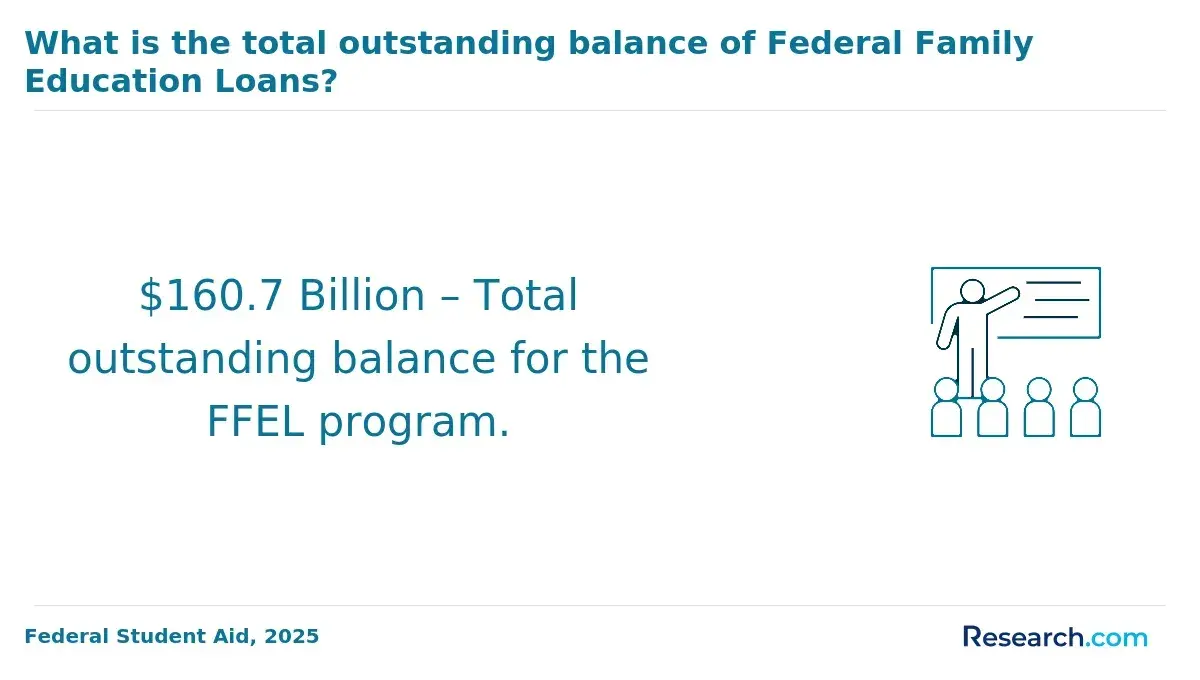
Federal student loan limits in the United States cap the total amount a borrower can receive through Direct Subsidized and Unsubsidized Loans. These limits vary based on factors such as the student's year in school, dependency status, and program length. Dependent undergraduates may borrow up to $5,500 per year initially, with combined total limits reaching $31,000. Independent students often have higher aggregate limits, sometimes up to $57,500, while graduate students face even larger caps that apply across their entire borrowing history. Knowing how federal student loan borrowing limits work United States-wide helps students plan their education financing carefully.
Reaching the federal loan cap means no additional federal loans can be issued until some existing balance is repaid. When you reach federal student loan cap, funding options may become limited, forcing students to consider private loans or alternative financing sources, though these often come with higher interest rates and fewer borrower protections. Other options include scholarships and work-study programs to help cover shortfalls.
Only about 28.6% of undergraduates borrow federal loans annually, indicating many minimize debt through savings or grants. It's essential for students to monitor their cumulative borrowing via the National Student Loan Data System (NSLDS) and review their financial plans regularly to avoid unexpected shortfalls that could impact long-term financial health.
For those considering additional financing options, exploring specialized paths like MBA loan options may offer tailored solutions depending on educational and career goals.
When should you use private student loans and how can you prevent running short?
Use private student loans for unexpected expenses only after maximizing federal loan options, grants, scholarships, and work-study. Federal loans typically offer lower interest rates, flexible repayment plans, and borrower protections that private loans don't provide. Private loans can help bridge funding gaps when federal limits are reached or to cover additional education costs like housing or supplies.
To avoid running out of student loan money, carefully calculate all education expenses-including tuition, fees, living costs, and emergencies. Plan borrowing to meet these needs without surpassing federal loan maximums. The average federal student loan balance per borrower is $39,547, but combined with private loans, it can reach $43,333 (Education Data Initiative). Creating a strict budget and regularly reassessing costs helps prevent overborrowing.
Consider these strategies to manage borrowing effectively:
- Complete the Free Application for Federal Student Aid (FAFSA) early to access federal funds.
- Choose private loans with fixed interest rates and cosigners for better terms.
- Limit private borrowing to expenses federal loans don't cover.
- Compare lenders to find the lowest rates and fees, including reputable banks that offer student loans.
- Create a repayment plan tailored to your post-graduation income to avoid default risks.
Maintaining a borrowing plan reduces reliance on high-cost debt and prevents unexpected shortfalls. Always exhaust federal aid before turning to private student loans for unexpected expenses, and document how each loan fits your overall funding strategy.
How can budgeting and cost-cutting keep you from exhausting your loan funds?
Budgeting and cost-cutting are essential strategies to stretch student loan funds effectively. Creating a detailed budget that tracks all income and expenses helps ensure that loan money covers essentials such as tuition, housing, and books.
Students can reduce expenses in several practical ways:
- Opting for more affordable housing options
- Preparing meals at home rather than eating out
- Using public transportation instead of driving
Regularly reviewing and adjusting spending against the budget helps prevent overspending. Using budgeting apps or spreadsheets can improve accuracy and accountability.
Textbooks and materials are another significant cost area. Buying used books, renting, or utilizing digital versions can cut these costs by up to 50%. Additionally, taking advantage of student discounts on software, supplies, and entertainment preserves loan money for crucial needs.
Recent trends show that fewer first-time, full-time undergraduates receive loan aid, with the average loan amount decreasing from $8,400 in 2010-11 to $7,700 in 2020-21 (NCES). This decline makes maximizing borrowed funds through careful budgeting and cost-saving strategies even more important.
What role do scholarships, grants, and work-study play in preserving loan money?
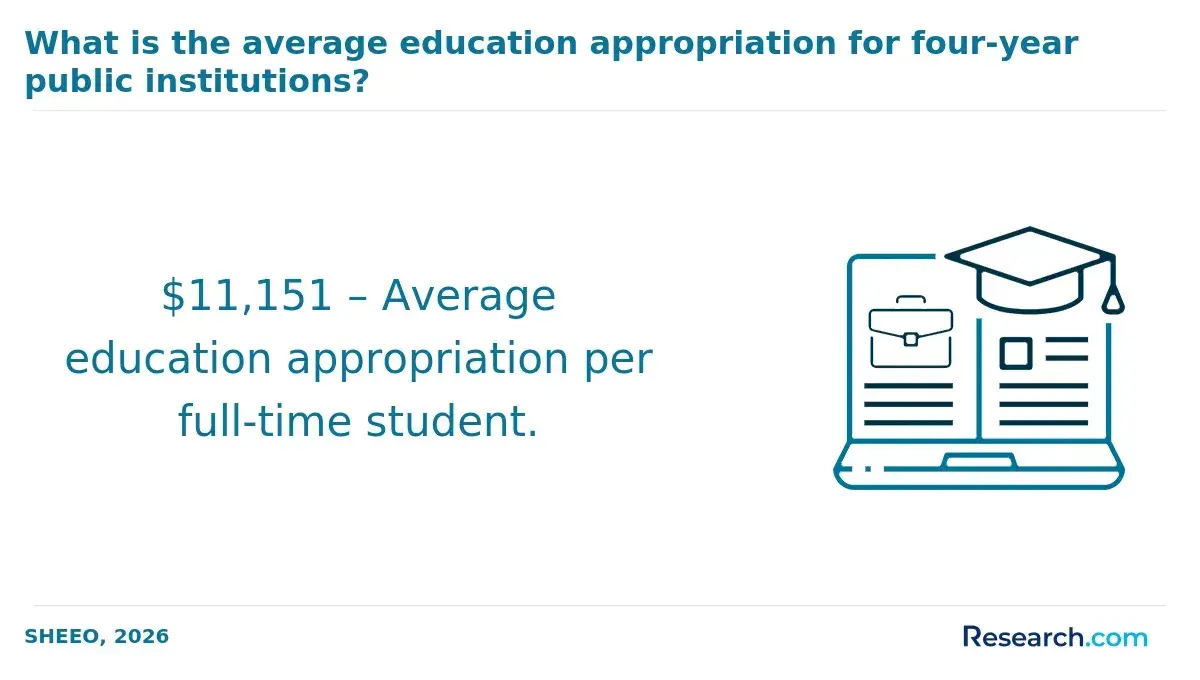
Scholarships, grants, and work-study programs are essential for maximizing the value of student loans by reducing the amount students need to borrow. Scholarships and grants offer direct financial aid that does not require repayment, allowing students to reserve loan money for other costs such as housing, textbooks, or emergencies. Merit-based scholarships reward academic or extracurricular achievements, while need-based grants consider a student's financial background. Both types of aid ease overall debt burdens and decrease dependence on loans.
Work-study programs provide part-time jobs on or near campus that help students earn money while gaining valuable work experience. Unlike loans, income from work-study does not add to a student's debt and can help cover everyday expenses. However, the Federal Reserve's 2025 report on the Economic Well-Being of U.S. Households highlights that 54% of college students worked, and those working more than 20 hours weekly often experienced negative effects on their academic performance.
Students should balance the benefits of working with possible academic strain. Combining scholarships, grants, and moderate work-study hours can efficiently stretch loan funds. Additional opportunities like internships and cooperative education (co-op) programs offer paid work experience that offsets costs and improves future job prospects. By actively utilizing multiple funding sources, students can minimize reliance on loans and better manage limited financial resources.
How can you plan ahead for variable costs like books, housing, and transportation?
Budgeting for variable costs like books, housing, and transportation demands careful planning and ongoing financial management. Start by estimating expenses using current local cost data. For books, check course syllabi early and seek used or electronic editions to lower costs, which often average around $1,200 annually. Compare on-campus and off-campus housing options, factoring in rent, utilities, and meal plans to project monthly expenses. Transportation costs-such as public transit passes, fuel, or parking fees-can differ greatly depending on the campus location.
To lessen reliance on loans, pursue multiple funding sources. Institutional grants at four-year private nonprofit colleges averaged $11,800 per full-time undergraduate in 2023-24, covering roughly half of tuition and fees. Apply diligently for federal, state, institutional, and private grants, many of which also support living expenses. Employer tuition assistance programs and income share agreements can further ease variable living cost burdens.
Maintain a contingency fund for unforeseen costs to avoid emergency borrowing. Monitor monthly spending early and adjust budgets as needed using detailed spreadsheets or budgeting apps. Stay in regular contact with financial aid offices to ensure aid packages account for living expense allowances.
Consider part-time jobs offering flexible hours that do not interfere with academic performance, providing additional financial support throughout the term.
What should you do if your student loan refund isn't enough mid-year or mid-term?
When a student loan refund falls short during the school year, promptly revising your budget is essential. Focus on covering tuition, rent, and food before cutting nonessential expenses. You can also pursue emergency grants, scholarships, or work-study opportunities offered by your institution, which provide financial help without increasing debt.
Part-time or gig work can be a helpful income supplement if it doesn't disrupt academics. Many students find tutoring or freelance work flexible and manageable. Avoid high-interest credit cards and payday loans, as these often lead to deeper financial trouble.
If you rely on federal loans, check your annual borrowing limits. Your financial aid office may allow you to increase your loan amount, but be sure you understand the terms to avoid accumulating unmanageable debt.
The income-driven repayment (IDR) plans can ease repayment after school or even while enrolled. Over 8 million borrowers participate in the SAVE IDR plan, some with $0 monthly payments depending on their income. This aligns loan payments with your ability to pay and reduces future financial stress.
Stay in contact with your loan servicers and financial aid office. Early communication can open options such as deferments, forbearance, or modified repayment plans, helping protect your credit and manage debt responsibly.
How can summer classes, study abroad, or extra credits drain your loan eligibility?
Summer classes, study abroad programs, and taking extra credits can reduce the total time your student loans will cover by speeding up your enrollment status and increasing your overall costs. Both federal and private loans often limit coverage based on the number of semesters or credit hours. By adding courses during summer or surpassing a full-time credit load, you shorten how long your loan funds will last.
For instance, using loans for summer courses means you begin drawing on your maximum loan amount earlier in the academic cycle, leaving fewer funds for later terms. Study abroad programs frequently come with additional expenses for travel, housing, and program fees. These costs also count against your loan eligibility and can reduce funds remaining for your degree.
Graduating faster by taking more credits might seem beneficial, but increased credits mean higher tuition and fees that loans must cover. Since loan limits are set yearly or for the loan's lifetime, this approach may exhaust your eligibility sooner than expected.
Careful planning of course loads and study abroad options is crucial to avoid running out of loan funds prematurely. Keep track of annual and aggregate loan caps to manage finances wisely. According to LendingTree, 9.57% of student loan balances were 90 days or more delinquent by late 2025, a significant rise from 0.53% the previous year, highlighting the need to monitor your borrowing and spending.
What are your options if you run out of student loan eligibility before graduating?
If you run out of federal student loan eligibility before graduating, several alternatives can help you bridge the gap. Consider private student loans from banks or credit unions, but note they often come with higher interest rates and fewer borrower protections. Scholarships and grants, offered by your school, local groups, or professional associations, are valuable because they don't require repayment and can reduce the need for additional borrowing.
Part-time work, including campus jobs, internships, and off-campus employment, can help cover living costs. Some institutions provide emergency funds or payment plans to manage financial shortfalls. Adjusting enrollment status, such as dropping to part-time or taking a leave of absence, might extend eligibility or requalify you for aid in certain cases.
Always consult your financial aid office to understand your options based on state and institutional rules. Refinancing or consolidating loans can improve your financial outlook after graduation but won't increase funds available while studying.
Graduate and professional students often carry larger loan loads. According to Education Data Initiative, they represent 37% of loan holders but owe about 65% of federal student debt. Planning your educational timeline carefully to avoid maxing out federal loan limits prematurely is crucial.
- Explore private loans cautiously due to higher costs
- Seek scholarships and grants that don't require repayment
- Utilize part-time work and campus support programs
- Consult financial aid offices for personalized guidance
Other Things You Should Know About
Yes, you can request to adjust your student loan amounts, but this usually requires contacting your school's financial aid office. Changes typically involve increasing or decreasing your loan disbursement, and approval depends on your remaining eligibility and the school's policies. Make sure to request adjustments before funds are disbursed or within the timeframe allowed by your institution.
To avoid running out of student loan money in 2027, establish a detailed budget tracking all expenses. Prioritize necessary costs like tuition, rent, and books. Regularly review your financial plan, adjust spending habits, and consider part-time work or scholarships to supplement your funds.
Student loans are usually disbursed in installments that align with the academic terms, such as semesters or quarters. This installment schedule helps prevent students from receiving the full amount upfront and encourages responsible use over time. Knowing the disbursement dates helps with planning your budget and expenses throughout the school year.
Yes, student loans can cover other education-related expenses such as housing, books, transportation, and personal necessities. The total loan amount you qualify for often includes these additional cost allowances known as the cost of attendance (COA). Be cautious with loan spending to avoid depleting funds needed for essential expenses later in your academic program.