2027 States Where Paralegal Careers Have the Strongest Growth

Co-Founder and Chief Data Scientist
Choosing where to start a paralegal career can change your job options, salary range, and education return on investment. The U.S. Bureau of Labor Statistics projects about 37,300 paralegal and legal assistant openings each year from 2023 to 2033, largely because firms must replace workers and manage ongoing legal demand.
This guide is for students, career changers, and working legal staff comparing states, programs, and credentials. You will learn where demand is strongest, what employers expect, and how to choose training that fits your goals.
Key Things You Should Know
- States with the strongest paralegal career growth tend to combine population growth, expanding business activity, active real estate markets, healthcare systems, and large court or government sectors.
- Nationally, the median annual wage for paralegals and legal assistants was $61,010 in May 2024, according to BLS wage data, but high-cost legal markets can pay substantially more.
- Texas, Florida, Arizona, Colorado, Utah, North Carolina, Georgia, Washington, California, and New York often stand out for different combinations of openings, growth, salaries, and legal-market depth.
What states have the strongest paralegal job growth?
The states with the strongest paralegal job growth are not always the same states with the highest salaries. For career planning, it is useful to separate percentage growth, which favors fast-expanding smaller markets, from total openings, which favors large legal economies with more employers.
The table below summarizes states that are especially relevant for paralegal job seekers based on state labor-market projections, BLS employment patterns, and the size of local legal, business, government, and litigation markets. Use it as a decision tool rather than a guaranteed ranking, because state projections are updated on different schedules and local hiring can change quickly.
| State | Why it stands out for paralegal growth | Best fit for students or career changers |
| Texas | Large corporate, energy, healthcare, immigration, real estate, and litigation markets create broad paralegal demand across major metros. | Students who want many employer types and are open to large-city legal markets such as Dallas, Houston, Austin, or San Antonio. |
| Florida | Population growth, real estate activity, elder law, insurance disputes, family law, and immigration practices support steady hiring. | Career changers interested in client-facing legal work and high-volume practice areas. |
| Arizona | Business expansion, population growth, construction, healthcare, and immigration-related legal services make it a strong growth market. | Students who want a growing legal market without choosing the largest coastal states. |
| Colorado | Corporate growth, technology employers, real estate, natural resources, and government work support demand for skilled legal support. | Paralegals interested in business law, compliance, environmental issues, or litigation support. |
| Utah | Rapid business formation and population growth have expanded demand for legal services in corporate, real estate, and family law. | Students looking for a fast-growing regional market with opportunities in smaller and mid-sized firms. |
| North Carolina | Banking, healthcare, research, technology, and real estate markets support legal hiring in cities such as Charlotte and Raleigh. | Paralegals who want a mix of corporate, healthcare, and litigation opportunities. |
| Georgia | Atlanta's corporate, logistics, entertainment, government, and litigation markets create diverse paralegal roles. | Students who want access to a major regional legal hub in the Southeast. |
| Washington | Technology, intellectual property, employment law, government, and regulatory work create demand for specialized legal support. | Paralegals interested in tech companies, compliance, IP support, or public-sector work. |
| California | One of the nation's largest legal markets, with strong demand across litigation, corporate law, employment law, immigration, and entertainment. | Students who can manage higher living costs and want access to a deep, competitive legal market. |
| New York | Finance, corporate law, litigation, real estate, media, and government create a high-volume legal employment base. | Paralegals seeking large-firm, corporate, finance, or complex litigation environments. |
For most readers, the best growth state is not simply the state with the fastest projected percentage increase. A better approach is to compare three things together: the number of legal employers, the practice areas you want to enter, and whether local salaries make sense after housing, commuting, tuition, and student loan costs.
Why are paralegal jobs growing fastest in certain states?
Paralegal jobs grow fastest where legal work grows faster than the supply of trained legal support staff.
A paralegal, sometimes called a legal assistant, helps attorneys prepare cases, organize evidence, draft legal documents, manage deadlines, conduct research, and communicate with clients under attorney supervision. Because law firms and legal departments need efficiency, paralegals are often hired to handle work that does not require a licensed attorney.
Several forces explain why growth is stronger in some states than others. These factors matter because they can help you choose a location and a specialization before you enroll in a program:
- Population growth: More residents usually mean more demand for family law, estate planning, housing disputes, personal injury, immigration, and consumer legal services.
- Business formation: States with expanding corporate, technology, healthcare, finance, logistics, or energy sectors often need paralegals for contracts, compliance, employment matters, mergers, and litigation.
- Real estate and construction activity: Strong property markets can increase demand for title work, closings, land-use support, zoning matters, and construction litigation.
- Government and court activity: State capitals, federal courts, county legal departments, prosecutors, public defenders, and regulatory agencies can create stable public-sector paralegal roles.
- Cost pressure on legal services: Firms may delegate more research, document review, e-discovery, and case management tasks to trained paralegals to control client costs.
Technology is also reshaping the field. AI-assisted research, document review platforms, e-discovery software, and case management systems do not remove the need for paralegals, but they do change what employers value. Candidates who can verify AI-generated research, manage digital evidence, protect confidentiality, and use legal technology carefully may be better positioned than candidates with only basic office skills.
Growth can also come from adjacent legal-support fields. If you are drawn to evidence, investigations, and court-related work beyond traditional law offices, it may be worth comparing paralegal studies with broader careers in forensics before committing to one path.
How do paralegal salaries compare by state?
Paralegal salaries vary widely by state because legal markets differ in employer size, practice area, cost of living, and competition. The national median annual wage for paralegals and legal assistants was $61,010 in May 2024, according to the BLS. That figure is useful as a baseline, but it should not be treated as a personal salary forecast.
The table below shows how pay can differ across higher-paying legal markets. BLS state wage figures are typically reported as annual mean wages, so they are best used for broad comparison rather than exact entry-level expectations.
| State or district | Salary context | What it means for decision-making |
| District of Columbia | Often one of the highest-paying legal markets because of federal agencies, policy organizations, litigation, and large firms. | Strong for government, regulatory, and complex litigation work, but housing and commuting costs can be high. |
| California | High wages are supported by large corporate, litigation, entertainment, immigration, technology, and employment-law markets. | Good salary potential, but compare pay against tuition, rent, taxes, and commuting costs. |
| Washington | Technology, government, business, and intellectual property work can support strong compensation. | May suit candidates with legal technology, compliance, or IP interests. |
| Massachusetts | Healthcare, education, biotech, finance, and litigation support a competitive legal market. | Can be attractive for specialized paralegals, especially those with research and compliance skills. |
| New York | Large law firms, finance, media, real estate, and corporate work support higher salary ranges. | Strong for ambitious candidates, but competition and living costs are significant. |
| Texas | Large and diverse legal markets support many openings, though pay varies by metro and practice area. | Often a strong balance of opportunity, employer variety, and cost considerations. |
| Florida | Demand is broad, especially in real estate, family law, insurance, immigration, and elder law. | May offer many entry points, but salaries can vary sharply by city and employer. |
The highest salary state is not automatically the best state for you. A $70,000 role in a high-cost city may feel less flexible than a lower-paying role in a lower-cost metro, especially if you are paying for school. When comparing locations, look at total compensation, commute, benefits, overtime expectations, tuition cost, and whether the local market has the practice area you want.
If you are comparing legal support with investigative criminal justice careers, salary structures can be very different. For example, readers interested in federal investigative work may want to review how FBI criminal profiler salary expectations differ from paralegal compensation and hiring requirements.
What education do employers expect for paralegals?
Most paralegal employers expect postsecondary training, but the preferred credential depends on the role. Some entry-level jobs accept an associate degree or paralegal certificate, while corporate legal departments and larger law firms may prefer a bachelor's degree plus paralegal coursework, legal experience, or specialized skills.
The table below compares common education paths. This matters because choosing the wrong credential can cost extra time and money without improving your target job options.
| Education path | Typical fit | Best when | Potential limitation |
| Paralegal certificate | Students who already have a degree or legal office experience. | You want focused legal training and a faster transition into paralegal work. | Some employers may still prefer an associate or bachelor's degree. |
| Associate degree in paralegal studies | First-time college students or career changers seeking an entry-level credential. | You want a structured program that combines general education and legal coursework. | May be less competitive for some large-firm or corporate roles than a bachelor's degree. |
| Bachelor's degree with paralegal coursework | Students targeting competitive law firms, corporate legal departments, or future graduate study. | You want broader writing, research, business, or policy preparation. | Usually takes longer and costs more than a certificate or associate degree. |
| Post-baccalaureate paralegal certificate | Graduates with a non-legal bachelor's degree who want career-specific preparation. | You already have a degree and need practical legal training. | Not all programs include internships or strong local employer connections. |
Admissions requirements vary, but schools commonly ask for a high school diploma or equivalent for associate programs and a completed bachelor's degree for post-baccalaureate certificates. Some programs may request transcripts, placement testing, writing samples, or proof of college-level English readiness.
Students who are more interested in behavior, criminal evidence, or expert-witness contexts than law-office support may find that forensic psychology master's programs online align better with their long-term goals, especially if they already hold a bachelor's degree.
Are online paralegal programs respected by employers?
Online paralegal programs can be respected by employers when they are offered by accredited institutions, teach practical legal skills, and provide access to faculty, research tools, writing feedback, and career support. Employers generally care less about whether coursework was online and more about whether you can write clearly, meet deadlines, use legal technology, understand ethics, and perform supervised legal work responsibly.
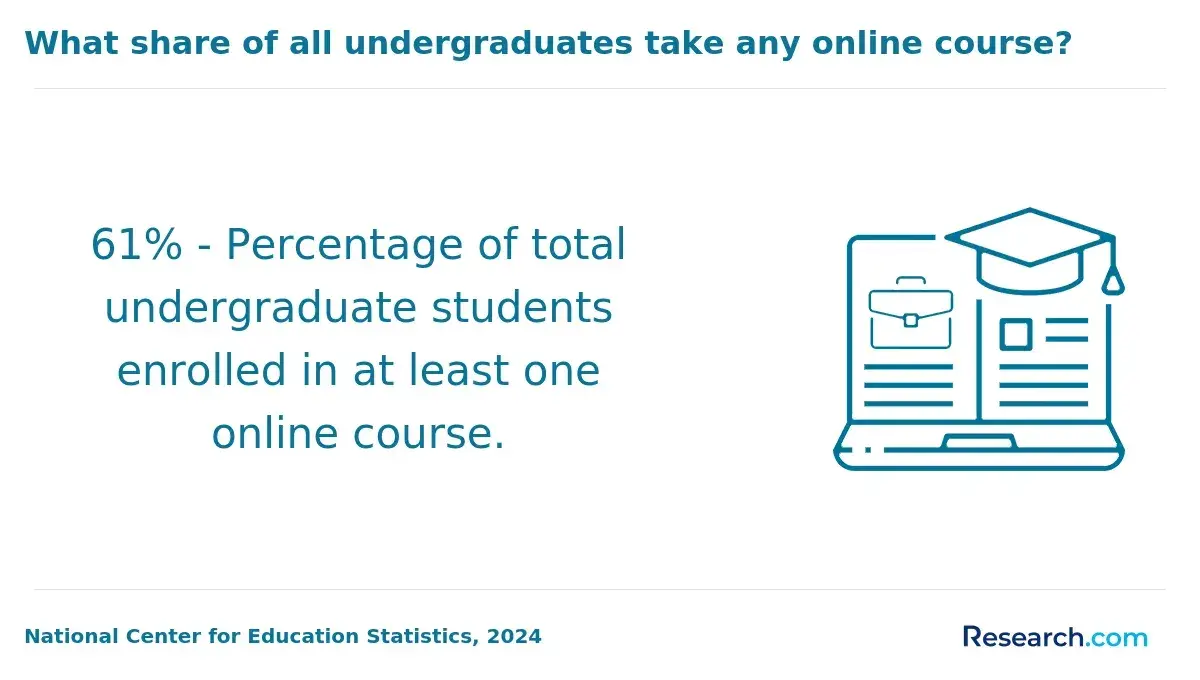
Online study can be a strong choice for working adults, parents, military students, and people who do not live near a campus with a paralegal program. However, convenience should not be the only factor. A weak online program with little writing practice, no legal research training, and no local employer connections may leave you underprepared.
Use the following checklist before choosing an online option, especially if you plan to work in a competitive market:
- Confirm that the institution is accredited by an accreditor recognized by the U.S. Department of Education or the Council for Higher Education Accreditation.
- Ask whether the paralegal program has approval or recognition from a reputable legal education body, where applicable.
- Review whether courses require legal writing, legal research, civil litigation, ethics, and technology-based assignments.
- Ask how students access legal databases, library support, tutoring, internship placements, and career services.
- Check whether online students receive the same transcript and credential wording as campus students.
- Speak with admissions or career services about local employer relationships in the state where you want to work.
The biggest mistake is assuming "online" automatically means easier or less valuable. A strong online program should be rigorous, writing-heavy, and connected to real legal practice. A weak program may be inexpensive upfront but costly if employers do not recognize it or if credits do not transfer.
What should a paralegal studies curriculum include?
A strong paralegal studies curriculum should prepare students for the actual work of supporting attorneys, not just introduce legal vocabulary. The best programs combine legal theory, procedure, writing, research, ethics, technology, and hands-on assignments that resemble law-office tasks.
Look for a curriculum that covers both core legal skills and practice-area exposure. The following subjects are especially important because they map directly to common entry-level responsibilities:
- Legal research and writing: Students should learn how to find primary and secondary legal authority, summarize cases, draft memoranda, and cite sources correctly.
- Civil litigation: This should include pleadings, discovery, motions, deadlines, trial preparation, and case management.
- Legal ethics: Programs should clearly teach unauthorized practice of law, confidentiality, conflicts of interest, attorney supervision, and client communication boundaries.
- Contracts and business organizations: These courses help students prepare for corporate, transactional, compliance, and small-business legal work.
- Family law, probate, real estate, or criminal law electives: Practice-area electives help students match coursework to local hiring demand.
- Legal technology: Students should use case management systems, e-filing concepts, spreadsheet tools, document management platforms, and e-discovery basics.
- Internship or capstone: Practical experience can help students build references, writing samples, and confidence before applying for full-time roles.
AI is becoming a curriculum issue as well. Paralegal programs should not simply teach students to generate text with AI tools. They should teach verification, citation checking, data privacy, privilege, bias awareness, and the ethical limits of using automated tools in legal work.
How do you choose an accredited paralegal program?
Accreditation is one of the most important safeguards when choosing a paralegal program. It affects transfer credit, financial aid eligibility, employer confidence, and whether the credential will be recognized if you move to another state. For most students, the first step is verifying institutional accreditation, then reviewing paralegal-specific quality indicators.
Follow these steps before enrolling:
- Verify institutional accreditation using official accreditation databases rather than relying only on the school's website.
- Ask whether the paralegal program has American Bar Association approval or another recognized legal education quality marker, if that matters in your target market.
- Compare total cost, including tuition, fees, books, legal database access, technology charges, commuting, and internship-related expenses.
- Ask how many credits transfer into and out of the program, especially if you may later complete a bachelor's degree.
- Review the faculty's legal experience and whether instructors include practicing attorneys or experienced paralegals.
- Request information about internships, job placement support, employer partnerships, and alumni outcomes.
- Check whether the program teaches the laws and court procedures relevant to the state where you want to work.
Cost deserves careful attention. College Board's 2024 pricing data shows that published tuition and fees can differ sharply by institution type, with public two-year colleges usually costing far less than four-year private nonprofit institutions.
For paralegal students, that means a community college associate program or certificate may offer a strong value if it has respected legal coursework, transfer options, and employer connections.
Common red flags include vague accreditation language, pressure to enroll immediately, unclear transfer policies, limited writing assignments, no legal research training, no career support, and programs that imply a credential guarantees employment. A good program should be transparent about requirements, costs, outcomes, and the limits of what paralegals are legally allowed to do.
What certifications help paralegals stand out?
Paralegal certification is usually voluntary, but it can help candidates stand out in competitive markets. Certification is different from a school certificate: a certificate is an academic credential, while certification is typically earned through a professional organization after meeting education, experience, or exam requirements.
The table below summarizes common certification options. Requirements can change, so students should verify current eligibility rules with the certifying organization before planning an exam timeline.
| Certification | Organization | Who it may help |
| Certified Paralegal or Certified Legal Assistant | NALA | Students and working paralegals who want a widely recognized general credential. |
| Professional Paralegal | NALS | Legal support professionals who want to demonstrate broad legal office knowledge. |
| Core Registered Paralegal or Registered Paralegal | NFPA | Paralegals seeking a credential tied to professional standards and exam-based validation. |
| State or local paralegal credentials | State bar associations or paralegal associations where available | Candidates who plan to work in a specific state or metro legal community. |
Certification can be most useful after you have completed a solid paralegal program or gained some legal office experience. It may be less useful if you have not yet built the practical skills employers screen for first, such as writing, research, organization, confidentiality, and deadline management.
Before paying for certification preparation, ask employers in your target state which credentials they recognize. In some markets, certification may improve credibility; in others, a strong internship, local references, bilingual ability, litigation software experience, or a bachelor's degree may matter more.
What jobs can paralegal graduates pursue?
Paralegal graduates can pursue roles in law firms, corporate legal departments, government agencies, courts, insurance companies, banks, healthcare systems, real estate offices, nonprofit legal services, and compliance departments. The title "paralegal" can cover many practice areas, so the best job target depends on your coursework, internship experience, writing ability, and local market.
The table below connects common paralegal job paths with the type of work they usually involve. This can help you choose electives, internships, and software skills that fit your goal.
| Job path | Typical responsibilities | Good fit for |
| Litigation paralegal | Drafting pleadings, organizing discovery, preparing exhibits, tracking deadlines, and supporting trial preparation. | Students who are detail-oriented, deadline-driven, and comfortable with high-volume documents. |
| Corporate paralegal | Maintaining business records, supporting filings, reviewing contracts, assisting with transactions, and managing compliance documents. | Students interested in business, finance, contracts, or in-house legal departments. |
| Real estate paralegal | Preparing closing documents, reviewing title materials, coordinating transactions, and tracking property records. | Students in states with strong real estate, construction, or development markets. |
| Family law paralegal | Preparing court forms, managing client documents, supporting custody, divorce, and support matters. | Students with strong communication skills and patience for emotionally sensitive cases. |
| Immigration paralegal | Preparing petitions, gathering client evidence, tracking deadlines, and communicating with clients and agencies. | Bilingual candidates and students interested in federal administrative processes. |
| Compliance or regulatory assistant | Maintaining policies, tracking filings, supporting audits, and helping organizations follow legal requirements. | Students interested in healthcare, finance, technology, insurance, or government-regulated industries. |
| E-discovery or litigation support specialist | Managing electronic documents, databases, review platforms, and production workflows. | Students with strong technology skills and comfort working with large data sets. |
Entry-level candidates often start as legal assistants, document specialists, intake coordinators, records clerks, or junior paralegals before moving into specialized paralegal work. Advancement may lead to senior paralegal, litigation support manager, compliance analyst, contract specialist, or legal operations roles.
If your interest is courtroom evidence but you prefer hands-on medical or laboratory-adjacent work, compare paralegal roles with related forensic support careers. For example, reviewing how much do autopsy techs make can help you decide whether legal support or forensic technical work better fits your goals.
How long does paralegal training usually take?
Paralegal training can take a few months to several years depending on the credential. The right timeline depends on your previous education, whether you need a degree, how quickly you want to work, and how competitive your target market is.
The table below compares common timelines. Use it to match your education plan with your budget, work schedule, and career goals.
| Path | Typical time to complete | Who it usually fits |
| Short paralegal certificate | Several months to about 1 year | Students with prior college experience or workers seeking a faster career transition. |
| Associate degree | About 2 years full time | First-time college students who want both general education and legal coursework. |
| Bachelor's degree | About 4 years full time | Students targeting competitive legal markets, corporate roles, or future graduate study. |
| Post-baccalaureate certificate | About 6 months to 18 months | Students who already hold a bachelor's degree and need legal-specific preparation. |
| Part-time or online program | Varies, often longer than full-time study | Working adults who need schedule flexibility and can manage independent learning. |
A faster program can make sense if you already have a degree, strong writing skills, and a clear job target. A longer degree path may make more sense if you need college credits, want broader academic preparation, or plan to compete for larger-firm, corporate, or government roles.
Before choosing the shortest route, ask whether the program includes enough legal research, writing, ethics, technology, and practical assignments. The common mistake is picking speed over substance, then discovering that entry-level job postings expect skills the program barely covered.
Other Things You Should Know About Paralegal Studies
In 2027, most states with strong paralegal career growth do not require paralegals to have a state license. However, they often encourage professional certification, which can enhance job prospects and provide validation of a paralegal’s skills and knowledge.
Most states do not require paralegals to hold a license, but rules and employer expectations vary. Some states have specific definitions, voluntary credentials, or rules about what paralegals may do under attorney supervision, so check local requirements before choosing a program.
Employers usually prioritize legal writing, research accuracy, organization, confidentiality, deadline management, client communication, attention to detail, and comfort with legal technology. Bilingual skills can also be valuable in immigration, family law, public interest, and client-facing practices.
Yes, paralegal work can help prospective law students understand legal practice, build professional references, and test whether they enjoy legal research, writing, and client-service work. It does not replace law school requirements, but it can clarify whether becoming an attorney is the right long-term goal.
References
- What's A Paralegal And How To Become One: Career Guide https://www.criminaljusticedegreeschools.com/careers/paralegal/
- Earn an Online Paralegal Degree | OEDb.org https://www.oedb.org/rankings/online-paralegal-programs/
- How to Choose the Best Online Paralegal Programs for Your Career https://lakewood.edu/best-online-paralegal-programs/
- Best Online Paralegal Associate Degrees https://www.onlineu.com/degrees/associate-paralegal
- Paralegal Schools: Types of Studies and Paralegal Degrees https://www.allcriminaljusticeschools.com/legal-and-paralegal/paralegal-programs/
- Is the Paralegal Field Booming? Your Job Outlook Guide https://www.paralegalinst.com/paralegal-job-prospects
- The Best Alternative Career for Paralegals (+Other Roles to Consider) | Brightflag https://brightflag.com/resources/paralegal-career-change/
- Career Opportunities to Explore After Your Paralegal Training https://algonquinacademy.com/news
- Paralegal Certification - What certifications are available? https://www.lawyeredu.org/paralegal-certification/