2027 Can You Refinance Student Loans More Than Once?

Student Finance & Loan Expert
Imagine having a high-interest student loan and wondering if refinancing multiple times could reduce your monthly payments or overall debt. Many borrowers face uncertainty about whether refinancing again after an initial attempt is possible or beneficial.
Lenders may have different policies, and financial circumstances frequently change, making it crucial to understand the rules and implications. This article explores whether refinancing student loans more than once is allowed, the potential advantages, and the risks involved, helping readers make informed decisions to manage their debt effectively.
- Can you refinance student loans more than once? Refinance Multiple Times
- What are the pros and cons of refinancing student loans again? Refinance Pros and Cons
- How does refinancing affect your interest rate and monthly payment? Interest Rate Impact
- Can you refinance both federal and private student loans? Federal vs Private Refi
- When should you consider refinancing your student loans again? When to Refinance
- What are the eligibility requirements for refinancing student loans? Refinance Eligibility
- How does refinancing impact income-driven repayment and forgiveness options? Forgiveness Impact
- What are the best private lenders to refinance student loans? Best Refinance Lenders
- How does refinancing student loans affect your credit score? Credit Score Effect
- What are the alternatives to refinancing student loans? Refinance Alternatives
Can you refinance student loans more than once?
Yes, you can refinance student loans multiple times, which allows borrowers to adjust terms as their financial situation changes or better offers become available. For example, if your credit score improves or income rises, refinancing again can result in a lower interest rate or reduced monthly payments.
Many wonder how often can I refinance federal student loans, and the main consideration is weighing the benefits against losing federal protections like income-driven repayment plans and loan forgiveness eligibility.
Refinancing repeatedly can also consolidate various loans into a single payment, simplifying management. Some borrowers refinance federal loans first and later refinance again when rates drop or credit improves. However, each refinance often requires a credit check, which may temporarily impact your score.
Key factors to consider when deciding if you can refinance student loans multiple times include:
- Interest rates: Seek a lower rate than your current loan to save money.
- Loan term adjustments: Changing repayment terms affects total interest paid.
- Fees and penalties: Look out for origination fees or prepayment penalties on each refinance.
- Credit score impact: Multiple credit checks may lower your credit score temporarily.
Increased refinancing activity has been reflected in the growing loan origination numbers, indicating more opportunities to find competitive terms.
For those curious about timing or usage, understanding what can student loans be used for can also help manage finances effectively during this journey.
What are the pros and cons of refinancing student loans again?
Refinancing student loans multiple times can offer notable benefits but also involves certain drawbacks. One major advantage is the potential to secure a lower interest rate.
Fixed refinance rates from leading lenders currently start near 3.7%, significantly below federal loan rates ranging from 6.39% to 8.94% for the 2025-2026 academic year. Refinancing again may allow borrowers to take advantage of improved credit scores or favorable market conditions to reduce monthly payments and total interest costs.
Adjusting loan terms is another benefit. If the first refinance lengthened the repayment period, a subsequent one might shorten it, enabling faster debt payoff and interest savings.
Alternatively, extending terms again could temporarily ease monthly cash flow. Borrowers considering benefits and drawbacks of refinancing student loans again should weigh these options carefully.
However, multiple refinances have downsides. Each can involve fees and may require a hard credit inquiry, potentially lowering credit scores.
Repeatedly refinancing federal loans into private ones also reduces access to federal protections like income-driven repayment plans and loan forgiveness programs. Eligibility criteria can tighten with each refinance, as some lenders limit multiple refinances or demand higher credit or income qualifications.
In practice, refinancing student loans multiple times makes sense when interest rate reductions outweigh costs and loss of federal benefits is acceptable.
Those with high-interest private loans can realize real savings, while borrowers reliant on federal protections may find risks outweigh advantages. For more in-depth details, see Ascent student loan pros and cons.
How does refinancing affect your interest rate and monthly payment?
Refinancing student loans can lower your interest rate and reduce monthly payments, offering immediate financial relief. Borrowers replace existing loans with a new loan, typically at a lower interest rate depending on creditworthiness and market conditions.
This reduction in interest paid over the life of the loan directly lowers monthly installments. Understanding the refinancing student loans impact on interest rates is crucial for making informed decisions about loan management. For instance, reducing an interest rate from 7% to 4% through refinancing can significantly decrease monthly payments and the total loan cost.
Extending the loan term by refinancing usually lowers monthly payments but may increase total interest, while shortening the term raises monthly payments but reduces overall interest paid. How refinancing changes monthly student loan payments varies depending on the loan amount and repayment plan.
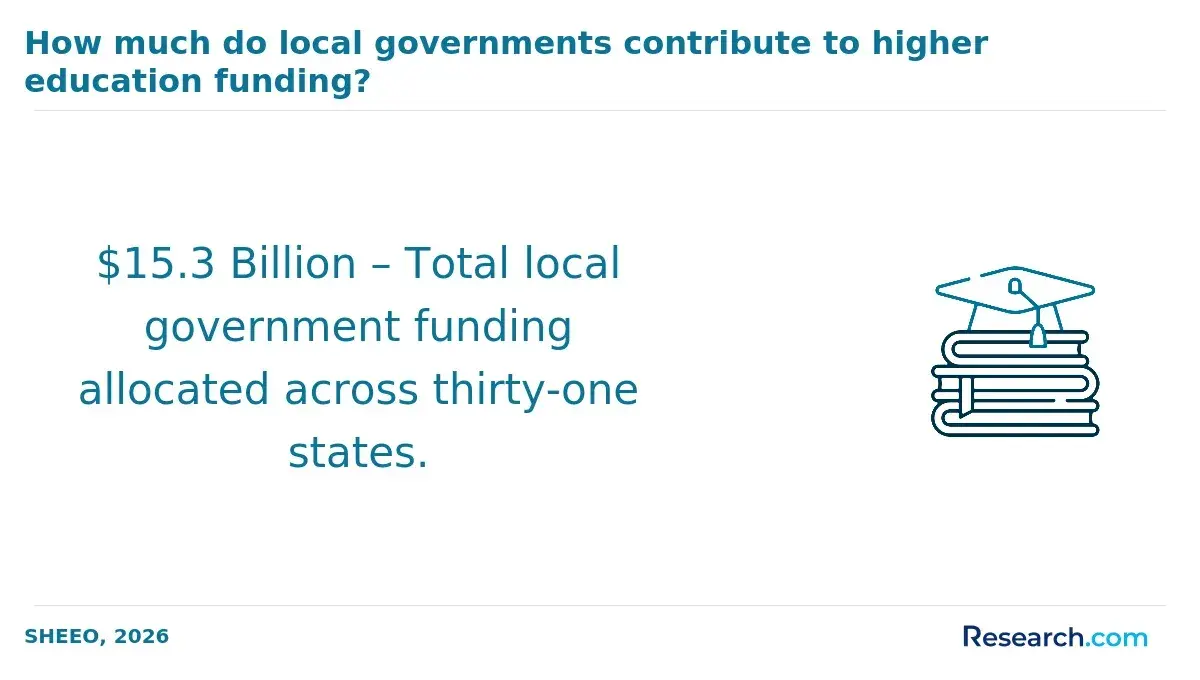
Repeated refinancing may help borrowers optimize interest rates as credit profiles and market rates improve. Private student loan debt reached $167.378 billion in Q3 2025, with about $29.690 billion being refinanced, reflecting the growing reliance on refinancing to manage costs.
Borrowers should evaluate changes in monthly obligations and long-term expenses carefully. Each refinancing involves a credit check and can affect eligibility for federal loan benefits, such as income-driven repayment plans or loan forgiveness. Comparing current loan terms with new offers and calculating total interest over the loan's life are important steps.
Practical strategies include setting clear repayment goals to reduce interest burdens or monthly payments without losing federal protections. Some borrowers may benefit from programs offering a cash bonus for refinancing student loans.
Can you refinance both federal and private student loans?
You can refinance both federal and private student loans, but the processes differ. When refinancing federal loans with a private lender, you lose federal benefits like income-driven repayment plans, deferment, forbearance options, and loan forgiveness programs.
For instance, refinancing a federal Direct Loan into a private one ends eligibility for Public Service Loan Forgiveness. Understanding how to refinance federal and private student loans together means recognizing that combining these loans into a single private loan removes federal protections.
Refinancing private student loans is generally less restrictive since these loans lack federal safeguards. Borrowers often refinance to consolidate multiple private loans or both federal and private loans into one loan with a lower interest rate or more manageable payments.
Typical refinancing strategies include:
- Refinancing only private loans to reduce multiple balances into a single loan with a better rate.
- Combining federal and private loans into one new private loan, which sacrifices federal borrower protections.
With student loan delinquencies rising, over 10% of balances delinquent and about 6 million borrowers past due or in default, careful evaluation is essential. Refinancing federal loans removes key safety nets that might be crucial if financial difficulties arise.
Prospective borrowers should consult with a financial advisor or use online tools to compare current loan terms with refinancing offers. For current bank student loan rates, researching reputable lenders can help identify better refinance options aligned with your financial goals.
When should you consider refinancing your student loans again?
Refinancing student loans can be beneficial whenever you secure a significantly lower interest rate, reducing your monthly payments or total repayment amount.
Changes in market conditions and credit profile often influence rates, so refinancing multiple times might save thousands over time. For example, an improved credit score or better offers from lenders can justify refinancing again.
Income fluctuations are important to consider. A higher income could qualify you for better rates or shorter loan terms, speeding up repayment and lowering interest costs. If finances worsen, extending the loan term through refinancing can help reduce monthly payments temporarily.
Consolidating multiple loans into one with improved terms simplifies payments and may lower overall costs. However, avoid refinancing federal loans into private loans if you rely on federal protections like income-driven repayment or loan forgiveness programs.
Economic trends matter, too. Data from educationdata.org shows federal student loan debt increased by $54.0 billion in 2025, with quarterly growth at 2.94%. Such shifts might lead to new refinancing opportunities as market rates and lender policies adjust.
Regularly review your loan terms, ideally annually or after a credit score improvement of 20+ points. Before refinancing again, compare offers from multiple lenders.
Life changes, including job transitions, marriage, or unexpected expenses, also justify reassessing your loan structure to maintain manageable payments and avoid excessive interest.
What are the eligibility requirements for refinancing student loans?
Refinancing student loans requires meeting specific criteria, mainly focusing on creditworthiness, income stability, and the status of existing loans. Most lenders expect a credit score of at least 650, with more attractive rates usually offered to borrowers scoring 700 or higher.
According to legalclarity.org, fixed refinance rates from major lenders start around 3.7%, which is notably lower than federal loan rates that range from 6.39% to 8.94% for the academic cycle.
Applicants must provide proof of steady income, typically through pay stubs or tax returns. Self-employed individuals may need to submit additional documents like profit and loss statements. A debt-to-income ratio below 40% is often required, indicating manageable financial obligations relative to income.
Loans eligible for refinancing generally need to be in good standing, meaning they are not in default. Both federal and private student loans can be refinanced.
However, switching to a private lender may eliminate federal benefits such as income-driven repayment plans and forgiveness programs.
Refinancing multiple times is allowed but may impact credit scores due to multiple credit inquiries. Maintaining or improving credit and income status increases chances for better rates.
How does refinancing impact income-driven repayment and forgiveness options?
Refinancing federal student loans into private loans resets eligibility for income-driven repayment (IDR) plans and federal forgiveness programs.
IDR plans base monthly payments on income and family size, but once a loan is refinanced privately, access to these plans ends. Additionally, federal forgiveness options such as Public Service Loan Forgiveness (PSLF) and Teacher Loan Forgiveness no longer apply.
Borrowers considering multiple refinances should note that each refinance can disrupt payment counts necessary for forgiveness. For example, if you refinance to lower your interest rate but later want to return to an IDR plan, you must switch back to federal loans to regain eligibility.
This process often involves new credit checks and shifting between private and federal loans, which can be complicated. Private refinancing may benefit those with stable, high incomes who prioritize lower interest rates over federal protections.
However, it is important to understand that payments made before refinancing usually do not count toward forgiveness or IDR payment requirements. Recent consumer finance data shows more than 800,000 student loans originated recently, totaling $13.3 billion, a 4.2% increase year-over-year.
This rise highlights growing borrower interest but also emphasizes the importance of weighing the loss of federal benefits before refinancing.
What are the best private lenders to refinance student loans?
Top private lenders for refinancing student loans often blend competitive rates, flexible repayment options, and strong customer support. Notable lenders include SoFi, Earnest, and CommonBond, each serving distinct borrower needs.
SoFi features both fixed and variable rates typically under 5%, with terms ranging from 5 to 20 years. It also offers benefits like unemployment protection and career coaching, ideal for those concerned about job security.
Earnest provides highly customizable repayment plans but generally requires a solid credit score, rewarding responsible borrowers with fee waivers and discounts. CommonBond focuses on recent graduates and professionals, refinancing both student and parent loans while supporting global education through a social impact program.
Borrowers with lower credit scores might consider LendingClub or PenFed, though rates may be higher. Generally, lenders expect a debt-to-income ratio below 40% and a credit score above 650 for the best terms.
Refinancing federal loans through private lenders means losing federal protections like income-driven repayment plans and forgiveness programs. However, it can reduce monthly payments and overall interest costs.
With student loan delinquencies above 10% impacting millions, careful comparison of rates, fees, and borrower safeguards is essential.
How does refinancing student loans affect your credit score?
Refinancing student loans affects your credit score mainly through hard credit inquiries and changes to your debt profile.
When you apply, lenders perform a hard inquiry that can temporarily lower your score by a few points, usually lasting about a year depending on your credit history. Opening a new loan account after approval can improve your credit mix, which accounts for 10% of your FICO score.
Consolidating multiple loans into one may enhance your credit utilization ratio, potentially boosting your score. However, closing old student loan accounts can reduce the average age of your credit history, which contributes about 15% to your score, possibly causing a slight initial dip.
Repeated refinancing increases the number of hard inquiries and resets the age of your loan accounts, impacting your credit negatively. It's wise to space out refinancing applications by six to twelve months to minimize damage.
Private student loan debt reached $167.378 billion in Q3 2025, with refinance loans comprising roughly $29.690 billion (17.7%), highlighting the significance of managing credit effects carefully, according to educationdata.org.
Before refinancing, borrowers should review loan terms closely to avoid losing borrower protections or tax deductions, as these can indirectly affect overall financial health and credit management strategies.
What are the alternatives to refinancing student loans?
Income-driven repayment plans adjust monthly student loan payments based on income and family size, often lowering costs compared to standard plans. These programs also provide loan forgiveness after 20 to 25 years of qualifying payments.
Federal loan consolidation merges multiple federal loans into one, simplifying repayment and potentially reducing monthly payments by extending the loan term. Consolidation can also make borrowers eligible for alternative repayment options or forgiveness programs not available with the original loans.
Deferment and forbearance offer temporary payment relief during financial hardship, unemployment, or continued education. Although these options prevent default, interest may continue to accrue, increasing total loan costs.
Some employers provide student loan repayment assistance programs, contributing funds toward employee loans and accelerating debt payoff without the need to refinance.
Refinancing student loans is not the only means to improve loan terms. Borrowers concerned about rising debt should consider these alternatives, which can protect credit and loan benefits from repeated refinancing impacts.
According to educationdata.org, federal student loan debt grew by $54.0 billion with a quarterly average increase of 2.94%, highlighting the importance of strategic repayment choices.
Other Things You Should Know About Can You Refinance Student Loans More Than Once
You can refinance student loans multiple times even if you have a cosigner, but each refinancing application is subject to credit approval. Refinancing again may require the cosigner to qualify once more, and it could affect their credit as well. Some borrowers choose to refinance again to release a cosigner or obtain better loan terms.
When you refinance federal student loans into private loans, you lose access to benefits like income-driven repayment plans, federal forgiveness programs, and deferment or forbearance options. These federal benefits are not available with private lenders after refinancing.
Most private lenders do not charge fees for refinancing student loans, even if you refinance multiple times. However, some lenders may have application or origination fees depending on the lender's policies. It's important to review the terms before applying to understand any potential costs involved.
Each refinancing attempt usually involves a hard credit inquiry, which can temporarily lower your credit score. Multiple applications in a short period may have a more noticeable impact, so it's wise to space out refinancing requests. However, if you secure a better loan with each refinancing, the long-term financial benefits may outweigh the temporary credit score changes.