2027 Can Student Loans Pay for Utilities?

Student Finance & Loan Expert
Imagine juggling monthly expenses with the weight of student loans. When utility bills pile up, many wonder if their student loan funds can cover these essential costs. This question is common among those balancing education and living expenses, especially during financial strain. Understanding what student loans can legally and practically pay for helps avoid misuse and potential penalties. This article examines the guidelines surrounding the use of student loans for utilities and guides readers through responsible budgeting while managing loan funds to meet essential living needs.
- Can student loans legally be used to pay for utilities and household bills? Loans & Utilities
- What counts as "cost of attendance," and do utilities ever qualify under that definition? Cost of Attendance
- How do schools disburse refunds, and how can those funds cover living expenses? Refund Disbursement
- Are federal and private student loan rules different for using funds on utilities? Federal vs Private
- What housing and living expenses can student loans typically be used to pay? Eligible Living Costs
- What are the risks of using student loan refunds for non-educational household expenses? Refund Risks
- How can students budget loan money responsibly while paying rent, utilities, and groceries? Budgeting Loans
- What alternatives to student loans can help cover utilities and basic living costs? Alternatives
- How does borrowing extra for utilities affect total debt, interest costs, and repayment? Borrowing Impact
- What steps should borrowers take if utility bills threaten their ability to repay loans? Utilities vs Repayment
Can student loans legally be used to pay for utilities and household bills?
Student loans can legally be used to pay for utilities and household bills if those expenses are essential to maintaining your enrollment and attendance. Federal student loan funds are intended to cover a "cost of attendance," which includes tuition, fees, and reasonable living costs. Utilities like electricity, water, and internet may qualify as necessary living expenses, especially when you live off-campus or in an apartment crucial for your education.
Using student loan funds for household expenses law allows these payments as long as they fit within your school-approved budgeted living expenses. For instance, if your financial aid package includes room and board or living expenses, utility payments are typically part of that allowance. All costs should be reasonable and correspond with your overall cost of attendance.
Improper uses include paying personal debts unrelated to education or nonessential expenses. Misusing loan funds can lead to repayment issues or penalties. For many students living independently, loan funds become vital for day-to-day costs. According to the College Board's Trends in Student Aid 2025, 59% of undergraduate student aid dollars were disbursed as loans rather than grants or work-study, showing how essential loans are for covering educational living costs.
Students should always consult their financial aid office to confirm allowed expenses in their aid package. Proper documentation and understanding of your school's policies ensure legitimate use of student loan money for rent or utilities. For more information on housing-related uses of loans, see student loan money for rent.
What counts as "cost of attendance," and do utilities ever qualify under that definition?
"Cost of attendance" (COA) represents the total budget colleges set to cover education and living expenses, including tuition, fees, books, supplies, transportation, and housing costs. Utilities such as electricity, water, gas, and internet may count toward your COA if they are part of your documented housing expenses or included in off-campus housing estimates. Student loans can cover these utility bills only up to the allowance assigned within the COA.
Federal student loans are capped by the COA calculated individually by each institution based on your living situation. For example, if your COA designates $1,200 per semester for combined housing and utilities, then loan funds can be used only up to that amount for utilities. If utility costs exceed that allowance, loans typically cannot cover the difference. This limit ensures loan funds align with documented living expenses rather than arbitrary spending.
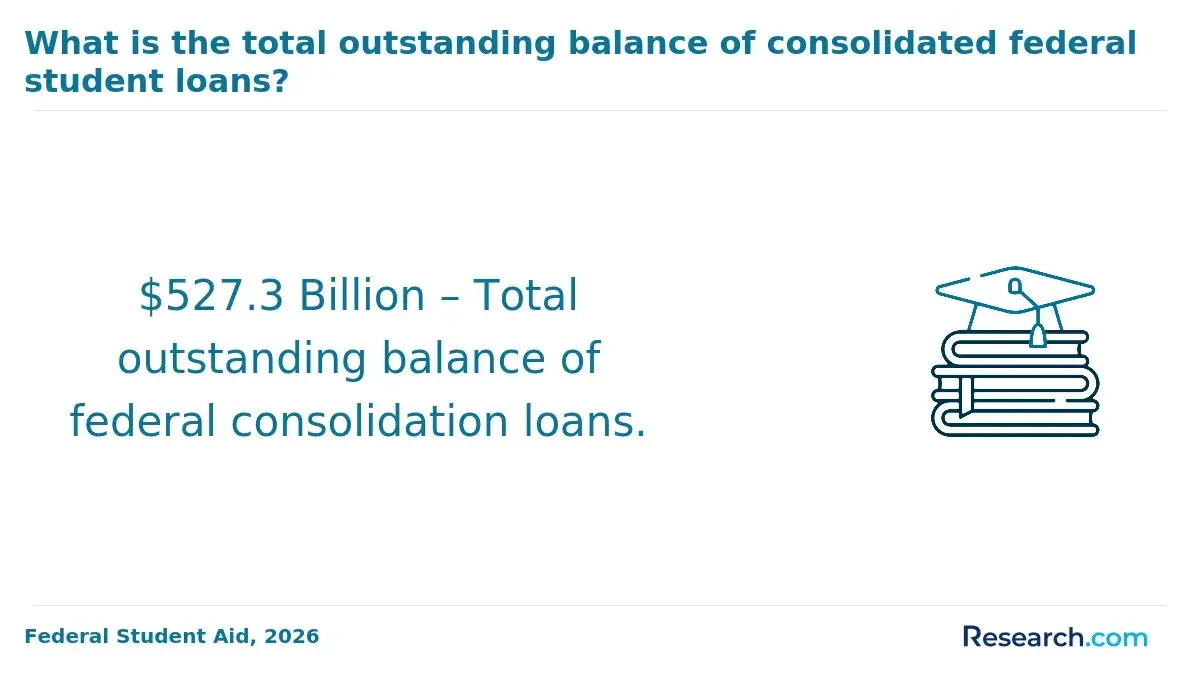
About 90.9% of U.S. student loan debt is federal, totaling $1.693 trillion out of $1.833 trillion, meaning most borrowers must follow these federal COA rules. Private loans might offer more flexibility but usually come with higher credit requirements and interest rates. Students exploring options like an ascent student loans cosigner should keep these COA limits in mind.
To manage your budget effectively, consult your school's financial aid office for a detailed COA worksheet. This helps clarify whether utilities are included in your living expenses allowance, preventing misuse of student loan funds.
How do schools disburse refunds, and how can those funds cover living expenses?
Schools typically disburse refunds when financial aid, including student loans, exceeds billed charges such as tuition, fees, and on-campus housing. These excess funds are returned directly to students, often through direct deposit or check. For example, if a student's loan covers $15,000 for tuition and fees but the loan amount is $20,000, the $5,000 surplus is refunded to them. This student loan refund disbursement process varies; some schools release aid at the semester's start, while others do so monthly, meaning students must carefully monitor their account statements.
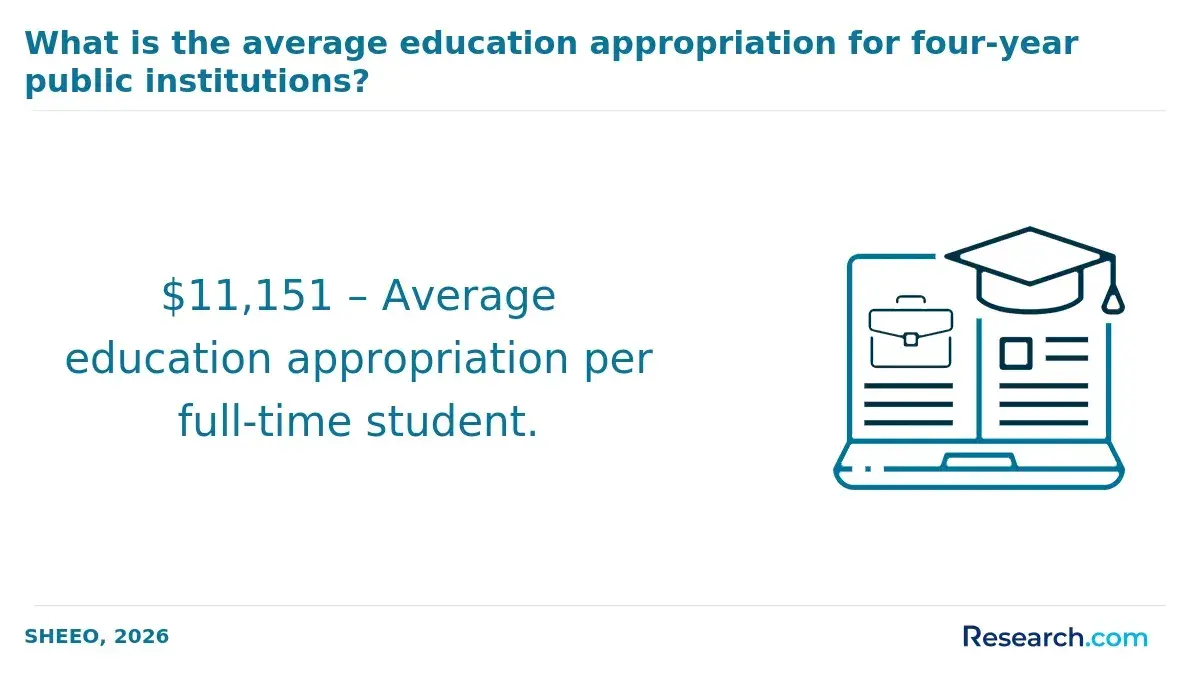
Many students use these loan refunds to cover living expenses such as rent, electricity, water, and internet. Public four-year in-state undergraduates spent an average of $17,660 on housing and food, more than double the $10,530 average for tuition and fees, according to the College Board. This emphasizes the impact of using student loan refunds to pay living expenses beyond tuition alone.
Borrowers should budget refund money responsibly to avoid quickly depleting funds and increasing debt, which must be repaid with interest after graduation. Consulting a financial aid advisor or leveraging budgeting tools can help allocate refunds effectively for rent, utilities, and groceries. For parents and students exploring borrowing options, parent loans for college may be worth considering as part of overall financial planning.
Are federal and private student loan rules different for using funds on utilities?
Federal and private student loan rules differ notably when it comes to utility payments. Federal loans generally permit borrowers to use funds for a variety of educational and living expenses, including essential utilities like electricity, water, and internet. These are considered necessary living costs, especially for students living off campus. In contrast, private student loans often impose stricter restrictions based on the lender's policies, commonly limiting funds to direct educational expenses such as tuition and fees, and sometimes excluding utilities altogether. This distinction highlights the student loan restrictions on utility payments that borrowers should be aware of.
Approximately 46% of full-time undergraduates lived off campus without family during the 2022-23 academic year. These students dedicated about 75% of their college budgets to housing, food, transportation, and other living expenses-including utilities-rather than tuition, underscoring the critical nature of these costs.
Examples illustrate these differences:
- Federal loan funds typically cover rent and utility bills as part of living costs.
- Private loans from some lenders may not allow using funds for utilities, requiring borrowers to manage payments separately.
- If private loans permit utility payments, borrowers must get explicit confirmation from their lender.
Borrowers relying on private loans need to carefully examine their loan terms and consult servicers. Federal loan recipients have more flexibility but should prioritize expenses that support their education. Proper budgeting, particularly for the 75% of living costs, helps ensure loan refunds are well allocated. For detailed guidance on financing nursing education, see how to get student loans for nursing school.
What housing and living expenses can student loans typically be used to pay?
Student loans commonly cover housing and living expenses directly tied to educational attendance. Eligible costs include rent or mortgage payments for on-campus housing, off-campus apartments, or shared living arrangements. Utility bills such as electricity, water, gas, internet, and phone services are also typically covered. Additionally, student loans can be used for essential household needs like groceries and transportation required for attending classes.
Loan funds aim to address reasonable living costs during the academic year, which may vary depending on location and housing type. For instance, dorm residents often have housing and utilities bundled within their school bills, whereas off-campus renters pay for rent and utilities separately. Both cases are included in the Cost of Attendance (COA) calculated by each institution.
Graduate and professional students tend to rely more heavily on federal loans for these expenses. According to the Federal Reserve's 2024 report, 56% of graduate students borrowed federal loans with a median annual amount of $24,000, contrasting with 33% of undergraduates borrowing a median $7,000. This highlights the significant role of loans in covering tuition alongside living costs for advanced students.
Students should carefully budget for variable utility expenses, especially seasonal heating or cooling costs, to prevent loan shortfalls. Careful planning ensures loan funds adequately support housing and essential living needs throughout their studies.
What are the risks of using student loan refunds for non-educational household expenses?
Many students use loan refunds to cover essential household expenses like rent and utilities, but this approach carries significant financial risks. Over half of borrowers rely on loans for housing costs, with 24% calling loan money "very important" and 29% "somewhat important" for these expenses, according to the Federal Reserve. However, using loans for non-educational expenses increases debt without supporting academic or career advancement.
Key risks include:
- Accumulating debt without boosting skills or future earnings, since paying bills doesn't improve academic results.
- Challenges repaying loans if post-graduation income is limited.
- Reduced access to future financial aid due to borrowing limits.
- Potential credit score damage, which can affect eligibility for mortgages or car loans.
For instance, using a $2,000 refund for utilities means paying interest on money not invested in education. Students should prioritize essential education costs like tuition, books, and mandatory fees. When housing or utility expenses become overwhelming, safer alternatives include community assistance programs or emergency grants. Consulting a financial aid office can also offer strategies to manage costs without deepening loan dependency.
How can students budget loan money responsibly while paying rent, utilities, and groceries?
Students managing loan money should first identify fixed costs such as rent and average utilities to ensure essential expenses are covered. For instance, with monthly rent around $800 and utilities near $150, setting aside $950 helps prevent spending loan funds elsewhere.
Groceries require a flexible but realistic budget, typically $50 to $70 per week depending on location and needs. Tracking expenses weekly against this budget encourages discipline and timely adjustments.
Borrowing beyond tuition and necessary costs increases financial risk. Data from the Education Data Initiative and LendingTree shows that by Q4 2025, 10.0% of federal student loan dollars and 9.57% of all student loans were 90+ days delinquent-up sharply from 0.53% a year earlier. This highlights the dangers of using loans for daily living expenses, including utilities.
To improve budgeting discipline, students can:
- Create a monthly spending plan allocating loan funds by category such as rent, utilities, and groceries.
- Use banking apps or budgeting tools to monitor transactions in real time.
- Set alerts for bill due dates to avoid late fees and delinquencies.
- Seek campus or community programs offering food assistance or discounted utilities.
- Consider part-time work to supplement loans and reduce borrowing for living costs.
Combining fixed expense prioritization, ongoing tracking, and limiting borrowing reduces long-term debt risks while efficiently covering essential costs.
What alternatives to student loans can help cover utilities and basic living costs?
Student loans typically do not cover recurring expenses such as utility bills. For context, the average renter in multifamily housing pays around $184 monthly for electricity and natural gas, totaling over $1,600 for a nine-month academic year. Managing these costs requires exploring alternatives beyond loans.
Several options can help cover utility expenses effectively:
- Emergency grants and utility assistance programs offered by colleges, nonprofits, and government agencies often provide financial support for students facing hardship.
- Part-time employment, campus jobs, and work-study opportunities generate income while accommodating students' schedules, reducing the need for additional debt.
- Energy-saving practices like using efficient appliances, conserving electricity, and taking advantage of off-peak utility rates can significantly lower bills.
- Sharing housing costs with roommates or receiving family support can also relieve financial burdens.
- Personal savings or student-tailored crowdfunding platforms offer short-term financial relief without increasing debt.
Using these resources strategically helps maintain financial stability while avoiding the pitfalls of increasing loan balances. Students should explore available assistance programs and consider income-generating options to cover utilities responsibly, encouraging a balanced approach to managing living expenses during their education.
How does borrowing extra for utilities affect total debt, interest costs, and repayment?
Borrowing additional student loan funds to cover utilities increases your total debt by adding to the principal, which also raises interest costs over time. This added borrowing results in higher monthly payments and can extend the repayment period depending on the increased loan balance. Interest starts accruing on any borrowed amount immediately after disbursement, so the longer you take to repay, the more expensive the loan becomes. For example, borrowing an extra $1,000 at a 5% interest rate could increase overall repayment by several hundred dollars.
Higher debt burdens can reduce financial flexibility after graduation by increasing monthly expenses. This may strain budgets, delay key goals like homeownership, or create repayment challenges.
Consider alternatives to borrowing for utilities:
- Utilize grants such as Pell Grants, which many undergraduates receive averaging over $4,000 annually.
- Work part-time to offset living expenses without taking on additional debt.
Using non-loan resources for utilities helps avoid unnecessary interest and enables more sustainable money management. Students who do borrow for recurring costs should carefully assess how it affects loan balances, interest accrual, and monthly payments before increasing their loan amounts.
What steps should borrowers take if utility bills threaten their ability to repay loans?
Borrowers struggling to repay student loans due to utility bills should first reassess their budgets and manage debts carefully. Creating a detailed budget helps identify essential monthly expenses such as rent, utilities, food, and loan payments, allowing borrowers to find areas where cutbacks are possible.
If utility costs are overwhelming, contact utility providers immediately to discuss payment plans or emergency assistance programs. Many companies offer income-based options or emergency relief to prevent service interruptions. Additionally, state or local utility assistance programs can provide support without adding to debt.
Before taking on additional loans, consider alternatives like using personal savings, seeking community aid, or accessing non-loan emergency funds. Borrowing more with student loans for short-term needs increases both principal and compound interest, which can significantly inflate repayment burdens. The average federal student loan balance was $39,547, with total debt rising 1.66% annually, illustrating how adding living expenses through loans can escalate long-term costs.
Those facing income loss or financial hardship should explore federal loan relief options including income-driven repayment plans, deferment, or forbearance to lower or delay payments temporarily. Consulting a financial counselor or student loan advisor can offer personalized strategies such as optimizing repayments, loan consolidation, or finding financial assistance tailored to specific needs.
Other Things You Should Know About
Student loans can only be used to pay for utilities if the payments are part of the student's overall cost of attendance and the funds are disbursed to the student as a refund. If living off campus, students may receive additional financial aid or loan refunds that they can use to pay utilities directly. However, the loans themselves are not specifically designated for utility payments, so responsible budgeting is essential.
Loan refunds are intended to cover additional education-related costs, including living expenses such as utilities. Although there are no strict federal restrictions on how refunds are spent, misuse of funds to cover expenses unrelated to education could create financial difficulties. It is important for students to understand their loan agreements and prioritize essential costs to avoid problems with repayment.
Borrowing extra funds for living expenses like utilities increases the total loan balance, which can lead to higher monthly payments and more interest paid over time. This extended debt burden could affect eligibility for certain repayment plans or forgiveness programs that are based on income or loan thresholds. Students should carefully weigh the need for additional funds against potential long-term repayment challenges.
Yes, student loans can cover utility bills if you receive a loan refund after tuition and fees are paid. These refunds are intended for living expenses, which include utilities. However, effective budgeting is important to ensure that these funds last throughout the term.