2027 Parent PLUS Loan Denied: What Are Your Options?

Student Finance & Loan Expert
When a Parent PLUS Loan application is denied, many families face an unexpected financial barrier to funding a graduate or professional education. This setback can disrupt carefully laid plans, leaving borrowers uncertain about how to secure the necessary funds. Denials often result from credit issues or eligibility requirements that applicants may not fully understand beforehand. Without this loan, covering tuition and related expenses becomes challenging, forcing families to explore alternative financing options quickly. This article examines the reasons behind Parent PLUS Loan denials and outlines practical strategies to help families navigate funding challenges effectively and continue pursuing their educational goals.
- What does Parent PLUS loan denial mean? Parent PLUS Denial
- Why are Parent PLUS loans denied? Denial Reasons
- What options exist after a Parent PLUS denial? Next Steps
- Can a student borrow more federal aid instead? Extra Federal Aid
- How do private student loans compare after denial? Private Loan Options
- What are the eligibility rules for Parent PLUS loans? Eligibility Rules
- How do Parent PLUS interest rates and fees work? Rates and Fees
- What repayment plans are available for Parent PLUS borrowers? Repayment Plans
- Can Parent PLUS loans be deferred or forgiven? Deferment and Forgiveness
- How does a denied Parent PLUS loan affect financial aid? Aid Impact
What does Parent PLUS loan denial mean?
Parent PLUS loan denial occurs when the borrower fails to meet the credit requirements set by the U.S. Department of Education, usually due to adverse credit history such as recent delinquencies or defaults. About 12% of Parent PLUS loan applications were initially denied in 2024-25, a drop from rates near 22% during stricter evaluations in 2011-12. Loan denial affects only the availability of the Parent PLUS loan, which parents use to cover education costs beyond other aid; the student remains eligible for federal aid.
Options after Parent PLUS loan rejection include appealing the decision by providing evidence of extenuating circumstances or adding an endorser with a good credit record willing to repay if the parent defaults. Without these steps, families lose access to this federal loan option.
Alternatives involve students increasing unsubsidized Direct Loans, seeking other scholarships or grants, or exploring private financing. Lenders recommend reviewing credit reports carefully before applying to avoid denial caused by correctable errors or manageable debts. Knowing the specific reason for a Parent PLUS loan denied reasons helps families select the best path forward.
For those needing guidance, consider learning how to get student loans quickly in certain situations, ensuring timely access to funds when Parent PLUS loans are not available.
Why are Parent PLUS loans denied?
Parent PLUS loans are often denied due to adverse credit history, which the U.S. Department of Education defines as having one or more significant derogatory events. These include recent bankruptcy discharged within five years, foreclosure, repossession, tax liens, or accounts delinquent over 90 days. Parents with these issues usually fail the credit check required for loan approval, a key barrier within the Parent PLUS loan credit requirements.
Other common reasons Parent PLUS loan applications get denied include incomplete or inaccurate applications, such as errors in personal information or missing documentation. Parents who don't respond promptly to requests for additional paperwork may face delays or rejection. Careful review of all application details is essential before submission.
When credit history causes denial, parents can appeal by documenting extenuating circumstances like identity theft or medical emergencies. Adding an endorser with a strong credit profile often helps secure loan approval. About a quarter of initially denied applicants succeed by using these methods, based on U.S. Department of Education PLUS credit decision data.
Additional denial reasons include unpaid federal student loans, failure to meet eligibility criteria, or default on federal aid. These require direct resolution through FAFSA or aid offices. Parents should monitor their credit reports, correct any errors, and prepare to appeal if necessary. Adding a creditworthy endorser remains the most effective way to overcome adverse credit denial.
For those exploring alternative options, consider researching bad credit college loans that may better suit your financial situation.
What options exist after a Parent PLUS denial?
After a Parent PLUS loan denial, parents can appeal the credit decision by submitting documentation addressing adverse credit history, such as proof of extenuating circumstances. If the appeal fails, students may turn to additional federal loans like the unsubsidized Direct Loan, which allows dependent undergraduates to borrow up to $7,500 annually. Exploring alternatives is essential when considering Parent PLUS loan alternatives for denied applicants.
Private student loans are another option but usually require a creditworthy cosigner if the parent borrower has been denied. Terms and interest rates vary greatly, so carefully comparing offers is crucial to find the best fit. Families can also participate in federal work-study programs, allowing students to earn money to help cover costs without taking on more debt.
Starting July 1, 2026, Parent PLUS loans will have annual and lifetime borrowing caps of $20,000 and $65,000 per student, respectively, replacing the prior "cost of attendance minus aid" formula. This change highlights the importance of supplementing funding through scholarships, grants, and institutional aid that do not require repayment. Parents might also consider involving relatives or adjusting repayment plans to free up cash flow.
Appealing a Parent PLUS loan denial in the United States involves understanding federal loan eligibility and exploring all potential sources. For detailed options on funding, see the best parent student loans available.
Can a student borrow more federal aid instead?
If a Parent PLUS Loan is denied, students can generally borrow more federal aid by increasing their Direct Unsubsidized Loan amounts. Dependent undergraduates may borrow up to $7,500 annually, which is $4,000 above the standard subsidized loan limits. Graduate students can borrow up to $20,500 annually in unsubsidized loans without needing a PLUS loan. This is a common strategy among federal student aid alternatives for parents seeking to support their college expenses.
Additional federal aid options include:
- Participating in Federal Work-Study to earn money through part-time campus jobs.
- Requesting extra funds through the school's financial aid office via professional judgments when family financial situations change.
- Exploring state-based grants and scholarships that typically have no credit requirements.
Private loans are another route but must be approached with caution due to differences in terms and protections compared to federal loans. For those exploring options for additional federal aid borrowing or private alternatives, reviewing loan terms carefully is vital. Students interested in nursing or similar fields can also research private nursing school loans as a possible supplement.
Federal data analyzed by the Brookings Institution reveals Parent PLUS borrowers often carry nearly half of their original principal balances even a decade after repayment begins, demonstrating long-term financial strain. Families denied Parent PLUS loans may also consider reapplying later or seeking a co-signer to enhance loan approval odds. Prompt consultation with financial aid offices helps uncover tailored solutions within federal rules.
How do private student loans compare after denial?
Private student loans often become an option when a Parent PLUS loan is denied, but they differ significantly in eligibility, costs, and repayment terms. Private loans generally require a creditworthy co-signer, such as a parent or guardian, or strong credit from the student. This requirement can be a challenge for families with limited credit history.
Interest rates on private loans tend to be higher and vary based on the borrower's credit profile and market conditions. Borrowers can choose fixed or variable rates, though variable rates may increase over time, resulting in unpredictable payments. In contrast, Parent PLUS loans have fixed rates determined annually by the federal government.
Repayment options for private loans are typically less flexible. Federal Parent PLUS loans offer benefits like income-contingent repayment plans and deferment options during school enrollment. Private lenders rarely provide such accommodations and often have stricter terms with limited forgiveness or forbearance possibilities.
Loan limits also differ. According to Trends in Student Aid 2025 by the College Board, Parent PLUS borrowers at public four-year colleges average close to $15,000 annually, which is more than double the $6,000 average Direct Stafford loan. Private loans may help cover the gap but often have lower caps or require collateral.
When considering private loans, it's important to compare offers carefully, evaluate credit eligibility, and explore all federal loan options before making a decision.
What are the eligibility rules for Parent PLUS loans?
Parent PLUS loans are available to parents who are the biological, adoptive, or sometimes stepparent of a dependent undergraduate student enrolled at least half-time in an eligible school. The borrower must be a U.S. citizen or eligible noncitizen with a valid Social Security number and have no adverse credit history, which generally means no recent delinquent federal loans or debts.
If a parent has adverse credit, they may still qualify by securing an endorser without adverse credit or by documenting extenuating circumstances such as medical hardship or involuntary unemployment. Such exceptions require approval from the school or the Department of Education.
There is no specific income cap, but borrowers cannot exceed the total outstanding federally held Parent PLUS loan debt limits or the student's cost of attendance. Parents may borrow up to the full cost of attendance minus other financial aid like scholarships, grants, and work-study. According to the College Board's "Trends in College Pricing and Student Aid 2025," institutional grants covered 54% of tuition and fees at private nonprofit four-year colleges, reducing loan needs for many families.
Only students enrolled at least half-time qualify for Parent PLUS loans. The borrower must complete the FAFSA, and schools verify eligibility before issuing the loan.
These rules help parents navigate borrowing options and seek alternatives if their loan application is denied.
How do Parent PLUS interest rates and fees work?
Parent PLUS loans have a fixed interest rate of 8.05% for the 2025-2026 academic year, set annually by the federal government. This rate remains constant throughout the loan's term, making it easier for parents to plan their budgets. Interest starts accumulating from the day the loan is disbursed, which means parents owe interest even while the student is attending school unless they choose to make payments earlier.
One important cost factor is the 4.228% loan origination fee, which is deducted from each disbursement before parents receive the funds. For instance, borrowing $10,000 results in roughly $9,577 in actual funds, although interest is charged on the full amount. This upfront fee increases the overall loan expense and should be carefully considered when planning repayment.
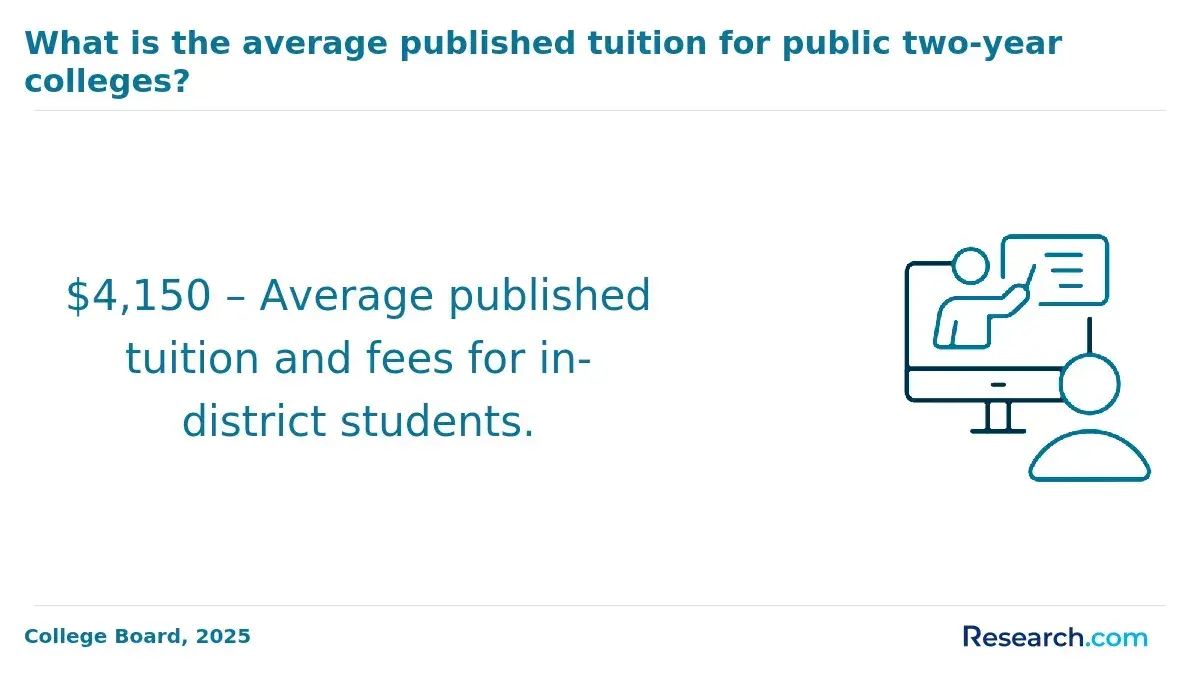
College costs vary significantly, affecting borrowing needs. Average published tuition at public two-year colleges was $3,990 for 2024-25, less than a third of the $11,760 average at four-year public universities, according to the College Board's Trends in College Pricing and Student Aid 2025. These differences influence loan amounts and long-term debt burdens.
Parents denied a PLUS loan may need to seek other funding sources. Private loan options usually carry higher interest rates and fees than federal PLUS loans. Clear knowledge of federal loan interest and fees is essential for effective repayment planning.
What repayment plans are available for Parent PLUS borrowers?
Parent PLUS borrowers can manage their federal loan balances through specific repayment options. The primary choice is the Standard Repayment Plan, which features fixed payments over 10 years. However, this plan may be less flexible due to typically higher loan amounts associated with PLUS loans.
An alternative is the Income-Contingent Repayment (ICR) Plan, the only income-driven option available for Parent PLUS loans after consolidating them into a Direct Consolidation Loan. ICR bases payments on income, family size, and loan balance, often lowering monthly costs for families under financial stress.
Key points to consider:
- The fixed interest rate for Parent PLUS loans for 2026-27 is 9.07%, which is higher than many private undergraduate loans ranging between 4.75% and 15.99%.
- Loan consolidation can unlock income-based repayment but usually extends the repayment period.
- Payments under ICR may exceed those of other income-driven plans like Income-Based Repayment (IBR) or Pay As You Earn (PAYE).
For example, a parent with a $60,000 annual income and a large loan balance might see reduced monthly payments under ICR compared to the Standard Plan, though total interest costs would likely rise over a longer repayment term. Borrowers should weigh these factors carefully and explore all options before considering costly private loans.
Can Parent PLUS loans be deferred or forgiven?
Parent PLUS loans offer deferment options only in limited scenarios like economic hardship, half-time school enrollment, or active military duty. While deferment pauses payments, interest still accumulates, increasing the loan's overall cost.
Forgiveness options are rare and primarily granted to parents working full-time in public service through the Public Service Loan Forgiveness (PSLF) program. Unlike Direct Subsidized or Unsubsidized Loans, Parent PLUS loans generally don't qualify for income-driven repayment forgiveness unless consolidated into a Direct Consolidation Loan first.
Loan consolidation can make borrowers eligible for income-driven plans, but monthly payments usually remain high because of large principal amounts. For example, borrowers identified in New America's 2025 "Subprime PLUS Loan Crisis" report had median Parent PLUS balances near $30,000-often close to or exceeding their annual income. This situation significantly complicates repayment and limits the benefit of deferment or forgiveness programs.
Parents facing repayment difficulties should consider alternatives such as:
- Requesting forbearance
- Contacting loan servicers for repayment help
- Seeking employment in qualifying public service roles to qualify for PSLF
Due to the limited forgiveness options, careful financial planning before borrowing is essential to manage Parent PLUS loans effectively.
How does a denied Parent PLUS loan affect financial aid?
A denied Parent PLUS loan reduces the total federal aid available by removing a significant borrowing option for parents, which increases financial strain on students and families. This loss may limit access to federal unsubsidized loans typically available to parents, decreasing the overall aid package and necessitating alternative funding methods such as private loans, institutional aid, or increased student borrowing.
The impact on eligibility for other federal aid is indirect but important. Without the PLUS loan, families often turn to higher student loan limits, which alters the loan mix and repayment conditions. This shift can affect financial planning since student loans generally have different interest rates and repayment terms compared to PLUS loans.
New federal rules after 2026 will change repayment options for Parent PLUS loans. According to data from the U.S. Department of Education and Experian related to the One Big Beautiful Bill Act, borrowers consolidating Parent PLUS loans into Direct Consolidation Loans and entering income-driven repayment (IDR) before July 1, 2026, must make a qualifying payment before July 1, 2028, to keep IDR eligibility and possible loan forgiveness. However, PLUS loans first disbursed on or after July 1, 2026, will no longer qualify for IDR, reducing repayment flexibility for new borrowers and increasing financial risk.
Students and families should consider these steps to mitigate impacts:
- Consult financial aid offices regarding non-loan aid options or appeals.
- Carefully compare private loan terms before borrowing.
- Maximize federal unsubsidized student loan limits when possible.
- Look into scholarships and work-study programs to reduce reliance on loans.
Other Things You Should Know About
No, Parent PLUS loans do not allow for co-signers. The loan is solely based on the parent's creditworthiness, and adding a co-signer is not an option to bypass a credit denial. However, parents can appeal the credit decision by documenting extenuating circumstances or seek alternative financing options.
If denied a Parent PLUS loan for 2027, parents can explore options like seeking a credit-worthy endorser, demonstrating extenuating circumstances for reconsideration, or the student can increase their federal Direct Unsubsidized Loan. These steps may help secure necessary funding for education expenses.
Currently, Parent PLUS is the primary federal loan available expressly for parents to help pay for their child's education costs. There are no other federal loan programs specifically designed for parents. Parents interested in borrowing may consider private loans, but these do not carry federal protections like income-driven repayment plans.
The Parent PLUS loan application requires parents to complete a separate application from the student's FAFSA. This process includes a credit check and may require a separate Master Promissory Note. Unlike most student loans, the borrower is the parent, not the student, which affects eligibility and repayment terms.