2027 What to Do If Financial Aid Is Not Enough

Student Finance & Loan Expert
When financial aid falls short of covering graduate school costs, many prospective students face difficult decisions about managing expenses. The gap between available aid and total tuition can create significant stress, especially for working professionals balancing other financial responsibilities. Loans, part-time work, and savings often become necessary to bridge this divide. However, understanding the most affordable and sustainable strategies is crucial to avoid long-term debt burdens. This article explores practical options for supplementing financial aid, offering guidance on securing student loans, budgeting effectively, and identifying alternative funding sources to help students make informed choices and reduce financial strain.
- What immediate steps should you take when your financial aid package isn't enough to cover costs? First steps
- How can you accurately calculate your college funding gap and true cost of attendance? Funding gap
- In what order should you use savings, work, federal loans, and private loans to fill the gap? Funding order
- How can you appeal a financial aid award or request a professional judgment review? Aid appeal
- What federal student loan options are available when grants and scholarships fall short? Federal loans
- When should you consider private student loans, and how do you compare lenders? Private loans
- What campus payment plans, work-study, and employer tuition benefits can reduce borrowing? Work and plans
- How do income-driven repayment plans work for borrowers who had to borrow more than expected? IDR plans
- What are your options if you still can't afford payments, including deferment and forbearance? Payment relief
- How can you lower long-term costs through refinancing, consolidation, and loan forgiveness programs? Lowering costs
What immediate steps should you take when your financial aid package isn't enough to cover costs?
Contact your school's financial aid office immediately to discuss your situation if your financial aid does not cover expenses. They can review your application for additional grants, scholarships, or emergency aid programs. Many institutions reserve discretionary funds for students facing unexpected financial shortfalls.
Consider applying for private scholarships outside the institution. Websites like Fastweb and College Board list thousands of awards to supplement your aid. Prioritize those based on eligibility and deadlines to improve your chances.
Explore work-study opportunities or part-time jobs on or near campus to supplement your income. These roles often offer flexible hours aligned with academic schedules.
Evaluate federal and private student loan options carefully. Federal loans offer fixed interest rates and income-driven repayment plans to ease long-term repayment. Be cautious with private loans due to varied terms and generally higher rates. In urgent cases, you might explore emergency student loans as a short-term solution.
Develop a detailed budget including all educational and living expenses. An accurate budget identifies the exact shortfall and supports informed decisions like cutting non-essential costs or choosing affordable housing and meal plans. These steps are crucial when facing financial aid shortfall solutions in the United States.
Seek advice from financial aid counselors or nonprofit credit advisors specialized in student finance. They can provide personalized strategies for your financial and academic situation. According to the Institute for Higher Education Policy's analysis of NPSAS:20 data, about 90% of Pell Grant recipients still experience unmet financial need, often requiring nearly $9,791 more per year. This highlights the importance of proactive steps to address gaps in funding and the careful planning needed to manage student finances effectively.
How can you accurately calculate your college funding gap and true cost of attendance?
To estimate your college funding gap accurately, start by totaling all direct and indirect expenses. Direct costs include tuition, fees, room, and board, while indirect costs cover books, transportation, personal expenses, and technology needs. Then subtract all financial aid sources such as grants, scholarships, and expected family contributions. This process helps you calculate your true cost of attendance and understand your net price.
For instance, if tuition and fees total $15,000, room and board $10,000, and other expenses $5,000, your total costs reach $30,000. If grants and scholarships provide $18,000 and family contributions cover $6,000, your funding gap is $6,000. This matches findings from Georgetown University's Center on Education and the Workforce, reporting an average unmet need near $6,000 annually for public four-year college students.
Use these steps to improve your estimates:
- Request a detailed cost breakdown from your school's financial aid office, including less obvious expenses.
- Account for annual cost increases like tuition inflation or housing price changes.
- Include potential emergency expenses not covered by aid, such as medical or travel costs.
- Adjust for changes in your family's financial situation affecting expected contributions.
Tracking these variables yearly ensures your funding gap calculation is current. Recognizing this gap early allows strategic planning, including applying for more scholarships, considering work-study, or exploring federal and private student loan options suited to your situation. Knowing when to apply for student loans is crucial in managing your financing timeline effectively.
By accurately calculating your true cost of attendance for college funding gap, you can better prepare financially and reduce surprises.
In what order should you use savings, work, federal loans, and private loans to fill the gap?
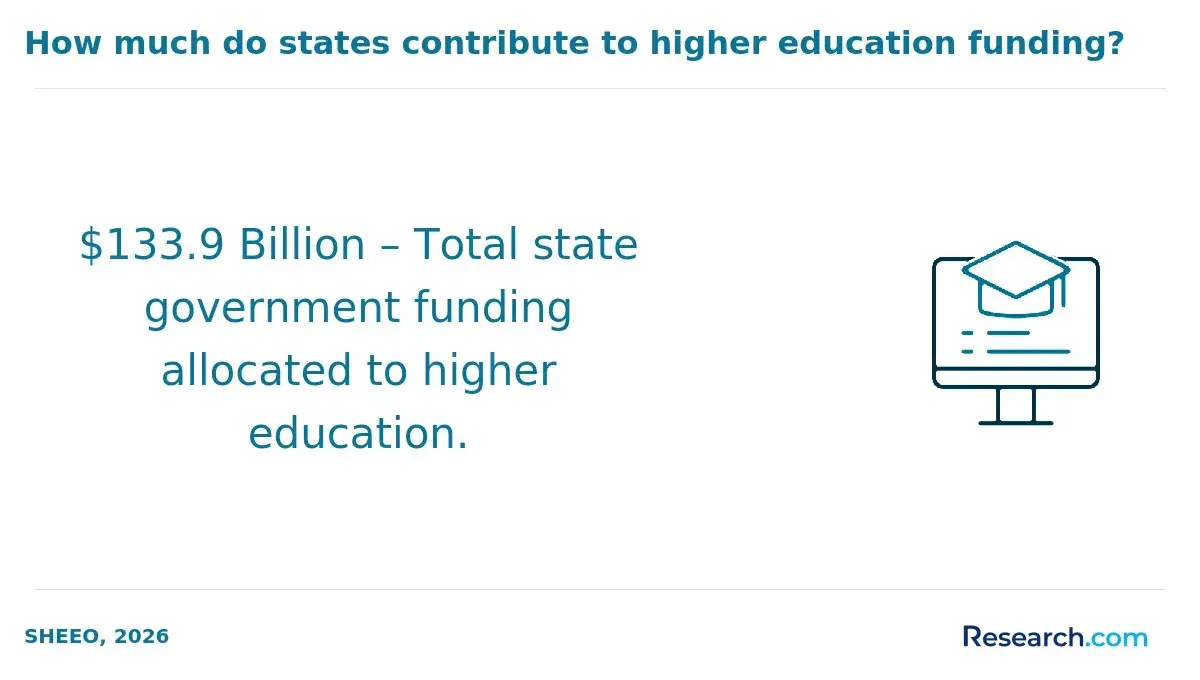
The best sequence for using savings, work, and loans to fill financial aid gaps starts by prioritizing savings. Savings do not accrue interest or require repayment, helping students avoid debt and reduce financial stress after graduation. Next, income from part-time jobs or work-study programs provides steady cash flow and builds important financial skills without increasing debt.
Federal loans are considered after exhausting savings and work income because they typically have fixed interest rates, borrower protections, and flexible repayment options. Common federal loans include Perkins, Direct Subsidized, and Unsubsidized Loans, with Direct Subsidized Loans being preferable since they do not accrue interest while the student is in school.
Private loans should be the last resort due to generally higher and variable interest rates and fewer protections for borrowers. They can help cover remaining costs but carry greater financial risk. For those researching options, consulting resources on MBA private student loans can provide valuable insights.
The College Board reports that institutional grant aid has increased significantly, giving students leverage to seek more grants and reduce borrowing. Students should reassess their aid packages yearly, explore additional grants, and carefully manage borrowing to avoid overreliance on loans. This approach follows the optimal order to use savings work federal loans and private loans effectively toward covering education expenses.
How can you appeal a financial aid award or request a professional judgment review?
To appeal a financial aid award in the United States, start by contacting your school's financial aid office and submitting a written appeal. Clearly explain changes in your financial situation, such as loss of income, unexpected medical bills, or family changes, and include supporting documents like pay stubs or medical bills. Specify the additional aid you need and how it will help you afford college. This process often requires patience and persistent, polite communication with the financial aid office.
Requesting a professional judgment review for financial aid involves asking administrators to adjust your FAFSA data due to special circumstances like job loss, divorce, or high uninsured medical expenses. Provide a detailed explanation and relevant documents to support your case. This review can lower your Expected Family Contribution (EFC), possibly increasing your aid offer.
Many students miss out on aid by not completing the FAFSA, leading to billions in unclaimed Pell Grant dollars. Staying proactive during appeals and reviews can make a significant difference in your access to aid.
For those managing loans, understanding when to refinance student loans can also help optimize financial planning after aid decisions are finalized.
What federal student loan options are available when grants and scholarships fall short?
Federal student loans offer essential support when scholarships and grants do not fully cover college costs. There are two primary types: Direct Subsidized Loans and Direct Unsubsidized Loans. Subsidized loans do not accrue interest while students are enrolled at least half-time, and they are need-based, available only to undergraduates with annual limits between $3,500 and $5,500. Unsubsidized loans, available to both undergraduates and graduate students, begin accruing interest immediately with limits from $2,000 up to $20,500 depending on student status.
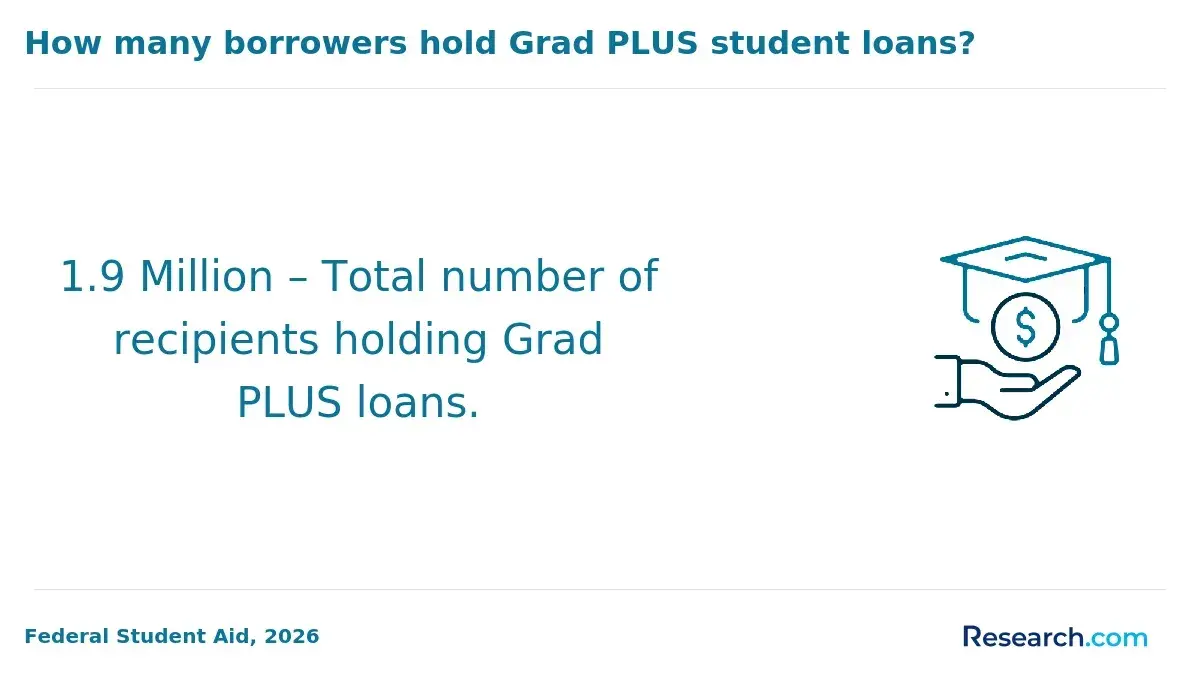
Graduate and professional students can apply for Direct PLUS Loans, which require a credit check and may cover total attendance costs minus other aid. PLUS Loans carry higher interest rates and accumulate interest while in school.
Repayment options vary, including standard fixed plans and income-driven plans that tailor monthly payments according to income and family size, offering flexibility after graduation.
According to College Board data, private and employer scholarships totaled $17.4 billion in 2024-25, with average scholarship aid rising by 24% since 2013-14. However, many students still rely on federal loans to fill funding gaps.
Students should prioritize scholarships and grants, exhaust Direct Subsidized Loans first, then consider Unsubsidized and PLUS options. Careful planning helps manage debt effectively and supports long-term financial stability.
When should you consider private student loans, and how do you compare lenders?
Maximize federal aid, scholarships, grants, and work-study programs before considering private student loans. Federal data shows students may earn around $1.248 billion in work-study wages, helping reduce borrowing needs through campus-based jobs. Using this income can lower the amount borrowed from private lenders.
Key factors to compare when choosing private student loans include:
- Interest rates: Fixed rates offer stability, while variable rates can start lower but may rise.
- Loan fees: Watch for origination or late fees that increase loan costs.
- Repayment terms: Look for flexibility, including deferment and forbearance options.
- Cosigner requirements: Some lenders need creditworthy cosigners, influencing approval and terms.
- Customer service and reputation: Research reviews to avoid predatory practices and ensure good communication.
Comparison tools can help analyze loans side-by-side. If you have strong credit, lenders offering competitive fixed rates and flexible repayment are ideal. Graduates with steady incomes should seek lenders allowing immediate repayment without penalties, while students from lower-income backgrounds might prioritize cosigner-friendly or income-based repayment options.
Consult your school's financial aid office to verify federal aid availability and understand private loan consequences. Avoid borrowing beyond total attendance costs, including tuition and living expenses, to prevent excessive debt.
What campus payment plans, work-study, and employer tuition benefits can reduce borrowing?
Campus payment plans let students spread tuition costs over several months without relying on credit cards or loans. Universities often provide interest-free or low-fee installments, making it easier to manage bills. For example, a $12,000 semester fee can be split into four payments of $3,000 every six weeks, reducing immediate financial strain. These plans avoid the high interest rates charged by credit cards, which average over 20% on education expenses according to a NASFAA analysis.
Federal work-study programs offer part-time jobs for students with financial need, both on and off campus. Earnings go directly toward tuition, housing, or books, lowering the amount students need to borrow. Common roles include library assistants, lab technicians, or community outreach positions. Work-study jobs pay at least the federal minimum wage and are designed to fit students' class schedules.
Many employers provide tuition benefits for employees pursuing related degrees. These benefits may reimburse up to $5,250 annually tax-free or cover full tuition for approved programs. Employer tuition assistance significantly reduces reliance on loans and credit cards, promoting better credit health and financial security.
Using payment plans, work-study, and employer tuition benefits can minimize borrowing costs. Since credit card debt often costs three times more than federal student loans, these options are smart, cost-effective strategies for managing education expenses.
How do income-driven repayment plans work for borrowers who had to borrow more than expected?
Income-driven repayment (IDR) plans adjust federal student loan payments based on your income and family size, providing relief for borrowers with higher debt than expected. Plans like REPAYE, PAYE, and IBR limit payments to about 10% to 20% of discretionary income, which can significantly reduce monthly bills, sometimes to zero when income is low.
Borrowers must submit income documentation yearly to recalculate payments. If income increases, so do payments; if income decreases, payments go down accordingly. For example, someone with $50,000 in federal loans earning $30,000 annually might pay roughly $100 monthly instead of a fixed $500.
After 20 to 25 years of qualifying payments, any remaining balance may be forgiven, though that amount could be taxed as income. This system helps avoid financial hardship and default when borrowing was higher than anticipated.
Key points include:
- IDR plans only apply to federal loans, which make up over 90% of student debt according to Federal Student Aid's data.
- Private loans usually lack flexible options and often carry higher, variable interest rates without protections.
- Borrowers with a mix of federal and private loans should enroll federal loans in IDR and consult loan servicers about private loan strategies.
- Delaying action may cause balances to grow and damage credit.
What are your options if you still can't afford payments, including deferment and forbearance?
If you struggle with student loan payments, options like deferment and forbearance can provide temporary relief by pausing or reducing payments. Deferment stops payments without interest on subsidized loans during qualifying situations like half-time enrollment, military service, or economic hardship. However, unsubsidized loans will still accumulate interest, increasing your balance.
Forbearance allows payment pauses or reductions when you don't qualify for deferment. Interest accrues on all loan types during this period, potentially raising the total debt. It is best used for short-term hardships such as illness or temporary unemployment.
Both deferment and forbearance can increase debt if used long-term. Contact your loan servicer to discuss eligibility, apply, and provide necessary documentation.
Alternatives include income-driven repayment plans, which adjust monthly payments based on income, sometimes as low as $0. You might also consider refinancing or consolidating loans to achieve lower interest rates, though refinancing federal loans with private lenders means losing federal protections.
The College Board's 2024 Trends in College Pricing notes that average in-district tuition and fees at public two-year colleges remain under $4,000, less than one-third of four-year public schools. Choosing community colleges or more affordable institutions can reduce future debt and dependence on financial aid.
Other helpful strategies include part-time jobs, scholarships, and emergency grants. Exploring all resources promptly is crucial to avoid loan default and protect your credit history.
How can you lower long-term costs through refinancing, consolidation, and loan forgiveness programs?
Refinancing, consolidation, and loan forgiveness programs help reduce long-term student loan costs by offering tailored repayment options. Refinancing combines multiple loans into one with a potentially lower interest rate, lowering monthly payments and total interest. Borrowers with strong credit and steady income often qualify for better rates through private lenders. However, refinancing federal loans into private ones means losing federal protections such as income-driven repayment plans and forgiveness options, so eligibility should be carefully assessed.
Loan consolidation merges several federal loans into a single Direct Consolidation Loan, simplifying payments and extending loan terms. This can reduce monthly payments but may increase total interest paid. Consolidation also enables borrowers to become eligible for certain forgiveness programs like Public Service Loan Forgiveness (PSLF) if they meet employment and payment qualifications.
Loan forgiveness programs eliminate remaining loan balances after specific criteria are met, lowering overall debt. PSLF forgives loans after 120 qualifying payments for eligible public service workers. Income-driven repayment forgiveness cancels debt after 20 to 25 years of qualifying payments. Other sector-specific programs assist educators, nurses, and military personnel with debt relief.
The Education Data Initiative reports an annual 1.05% increase in student financial aid acceptance rates, meaning more students receive aid but still need strategies to manage loan costs. Combining refinancing to reduce rates, consolidation to simplify repayment, and pursuing forgiveness programs suits many borrowers looking to control escalating debt. Before committing, consider how each option affects payment size, loan terms, and federal protections.
Other Things You Should Know About
Yes, student loans do affect your credit score. Timely payments can help build a positive credit history, while missed or late payments may lower your score. Your loan balance and repayment status are reported to credit bureaus, influencing your overall credit profile.
Borrowers may be eligible for the student loan interest deduction, which allows you to deduct up to $2,500 of interest paid on qualified student loans annually. This deduction can reduce your taxable income, potentially lowering your overall tax bill if you meet income eligibility requirements.
If you're unable to make payments, you should contact your loan servicer immediately to explore options. These may include income-driven repayment plans, deferment, forbearance, or other temporary relief programs designed to prevent default while managing your financial hardship.
In 2027, if financial aid isn't enough, consider options such as applying for scholarships, working part-time, negotiating payment plans with your school, or exploring income-share agreements. Each option provides different benefits, so evaluate what's best for your financial situation.