2027 Best Student Loan Refinance for Pharmacists

Student Finance & Loan Expert
Pharmacists often accumulate significant student loan debt from graduate and professional studies, which can hinder financial stability and long-term goals. High-interest rates and complex repayment options may cause unnecessary financial strain. Refinancing can reduce monthly payments and total interest, but choosing the right lender and terms is essential to avoid pitfalls. This article evaluates top student loan refinancing options specifically tailored for pharmacists. It aims to help readers identify solutions that optimize loan terms and enhance financial flexibility, ultimately supporting better debt management and career progression.
- What makes a student loan refinance specifically good for pharmacists with high debt loads? Best options
- How do current refinance rates for pharmacists compare to standard federal loan rates? Rate comparison
- Which lenders offer the best refinance programs tailored to pharmacists and healthcare professionals? Top lenders
- When should pharmacists refinance federal loans instead of using income-driven repayment or PSLF? Refinance vs PSLF
- What credit score, income, and debt-to-income ratio do pharmacists need to qualify for top rates? Refi requirements
- How should pharmacists choose between fixed and variable rates when refinancing student loans? Fixed vs variable
- What borrower protections and benefits do pharmacists give up when refinancing federal loans? Lost protections
- How can pharmacists decide whether to refinance, consolidate, or keep existing loan servicers? Refi vs consolidate
- What refinancing strategies work best for pharmacists in residency, fellowships, or early career? Early-career strategy
- How can pharmacists estimate savings and compare refinance offers using calculators and tools? Estimate savings
What makes a student loan refinance specifically good for pharmacists with high debt loads?
Good student loan refinance options for pharmacists with high debt focus on reducing total interest costs while keeping monthly payments manageable. Pharmacists often graduate with an average debt near $170,000, so refinancing choices should address large principal balances and extended repayment terms. The best refinancing programs for pharmacists managing large student loans offer low fixed or variable interest rates, which can save thousands over the life of the loan.
Flexible repayment terms, typically ranging from 5 to 20 years, help balance faster debt payoff against affordable monthly payments. Products that include deferment, forbearance, or payment holidays are beneficial for pharmacists undergoing residency or fellowship when income might be lower. No prepayment penalties are important for those who wish to pay their loans off early.
Lenders that provide pharmacist-specific benefits, such as interest rate discounts for autopay or direct deposit, and customer service tailored to healthcare professionals improve the refinancing experience. It is crucial to review the difference between federal and private loan refinancing since switching federal loans to private lenders may forfeit federal protections like income-driven repayment plans and Public Service Loan Forgiveness eligibility.
Pharmacists looking for assistance with large loan amounts can also explore guidance on how to pay for dental school as part of broader financial planning.
How do current refinance rates for pharmacists compare to standard federal loan rates?
Refinance rates for pharmacists are generally lower than standard federal student loan rates, often resulting in significant savings. Federal student loan rates typically range from about 6.5% to 7% fixed for graduate borrowers, while pharmacists with good credit and steady income can secure private refinance rates between 4% and 6%. This difference leads to notable monthly and total interest savings. For pharmacists considering federal student loan rates versus refinance for pharmacists, private refinancing can reduce costs but usually means losing federal protections like income-driven repayment and loan forgiveness.
For instance, refinancing $170,956 of pharmacy school loans from an 8% federal rate to 6% APR over 10 years lowers monthly payments by roughly $176 and saves over $21,000 in interest-a strong financial incentive. When evaluating refinance options, key factors include credit score, employment stability, and debt-to-income ratio. Refinance is especially beneficial for pharmacists confident in a steady income and who can forgo federal repayment benefits without issue.
- Federal loans offer fixed rates with borrower protections but often come with higher interest.
- Private refinance loans provide lower rates but eliminate federal safeguards, increasing financial risk if hardship occurs.
- Careful consideration is needed for those with variable income who might require federal repayment flexibility.
Pharmacists interested in refinancing should also review credible resources such as the ascent student loan pros and cons for detailed insights. Those with federal loans above 7% should thoroughly assess refinancing as reducing interest by 1-2% can lead to substantial annual savings.
Which lenders offer the best refinance programs tailored to pharmacists and healthcare professionals?
Lenders targeting healthcare professionals, including pharmacists, offer refinance options with competitive interest rates and tailored benefits. Top healthcare professional loan refinance lenders such as SoFi, Laurel Road, and CommonBond provide tailored programs for the unique financial profiles of pharmacists and similar professionals.
SoFi offers refinance rates as low as 5.99% APR, featuring perks like unemployment protection and career coaching. Laurel Road targets healthcare workers explicitly, with rates starting near 5.49% APR, plus interest rate discounts for autopay and flexible repayment plans useful for pharmacists early in their careers. CommonBond features rates close to 5.74% APR and emphasizes social impact by funding education for children in need, with a streamlined online application process.
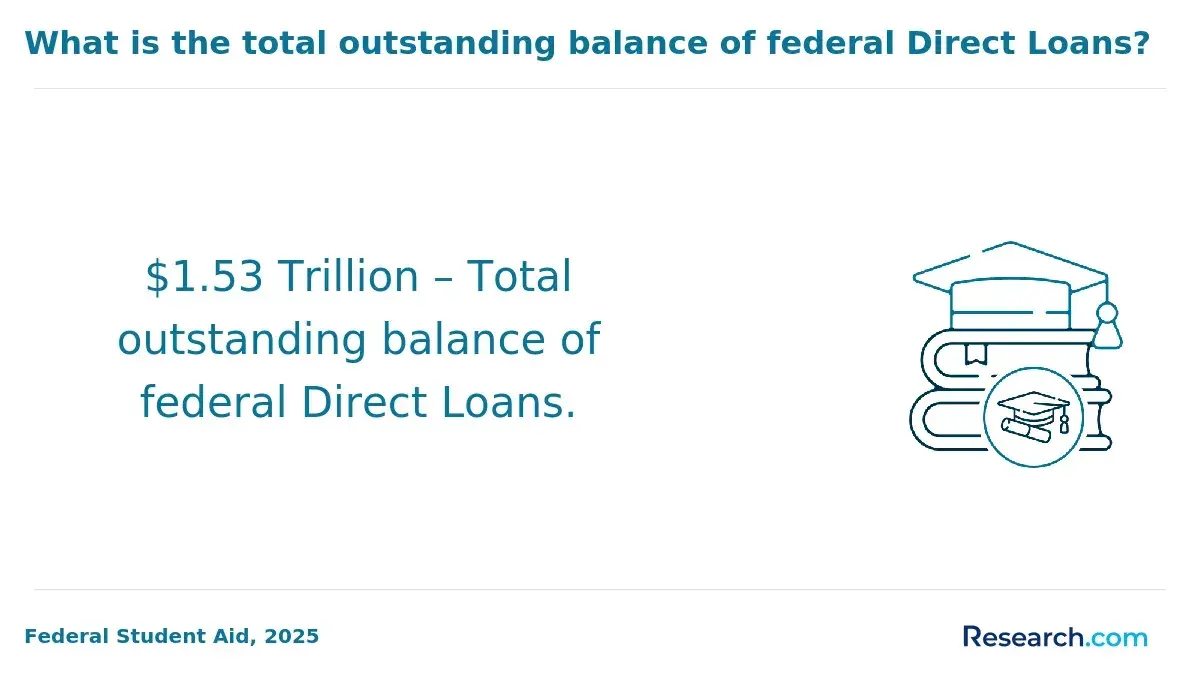
Pharmacists considering the best student loan refinance options for pharmacists need to weigh federal benefits against private refinancing. Since about 92% of U.S. student debt is federal, borrowers should assess eligibility for federal forgiveness programs like Public Service Loan Forgiveness before refinancing, as private loans eliminate protections such as income-driven repayment plans.
For those with high-interest private loans or strong credit profiles, refinancing to lower rates can result in significant savings. Comparing lender offerings on interest rates, borrower benefits, and personal financial circumstances ensures optimal decisions.
Discover current student loan refinance deals to find competitive refinance options tailored to your situation.
When should pharmacists refinance federal loans instead of using income-driven repayment or PSLF?
Pharmacists considering the best student loan refinance options for pharmacists should evaluate whether refinancing federal student loans can lower their interest rates significantly compared to income-driven repayment (IDR) or Public Service Loan Forgiveness (PSLF). Fixed refinance APRs for advanced-degree borrowers typically range from 3.99% to 10.35%, depending on credit profile and lender. Refinancing may be beneficial if current federal loan rates exceed 6% and a refinance offer is near the lower end of this range, potentially reducing total interest and shortening repayment time.
Refinancing is often recommended when:
- The pharmacist has stable, sufficient income to commit to fixed monthly payments without needing IDR's flexibility.
- They don't qualify for PSLF or do not work in a qualifying public service role.
- They want to consolidate multiple loans into one with a simpler payment schedule.
- They prefer to avoid the administrative burden of annual IDR recertification.
However, federal loan refinance alternatives to income-driven repayment for pharmacists should be chosen carefully since refinancing converts federal loans into private loans, eliminating access to federal protections like IDR forgiveness and PSLF. Pharmacists with variable income or planning public service careers might find federal programs more advantageous despite higher rates.
For guidance on managing student debt, including options related to healthcare careers, prospective borrowers can explore resources such as student loans for nursing school. Pharmacists need to weigh current interest rate environments and job plans to decide whether refinancing aligns with their financial goals.
What credit score, income, and debt-to-income ratio do pharmacists need to qualify for top rates?
Pharmacists aiming for the best student loan refinance rates generally need a credit score of at least 700. This benchmark, highlighted by the Education Data Initiative's January 2026 comparison of over 35 health-professional-focused refinance lenders, is essential to securing competitive rates. Scores below 700 often lead to higher interest rates or possible application denials.
Income is also a key factor, with most lenders requiring reliable annual earnings around $50,000 or more. This reflects typical entry-level or mid-career pharmacist salaries. Self-employed pharmacists should provide detailed tax returns or other documentation to verify variable income.
Maintaining a debt-to-income (DTI) ratio below 43% is critical. This ratio compares monthly debt payments to gross monthly income. For example, with $2,000 in monthly debt, a pharmacist should earn at least $4,650 monthly to qualify for top refinance options. Most lenders also set a minimum loan balance of $15,000 for refinancing, as smaller balances may face less favorable terms.
Pharmacists with credit scores under 700 or higher DTIs are advised to improve their financial metrics by reducing debt, increasing income stability, and checking credit reports for errors. Combining strong credit, sufficient income, and a healthy DTI forms the foundation to qualify for the best refinance rates.
How should pharmacists choose between fixed and variable rates when refinancing student loans?
Pharmacists deciding between fixed and variable refinance rates should assess their financial stability, risk tolerance, and long-term plans. Fixed rates offer consistent monthly payments and protect against rising interest costs, ideal for those seeking budget certainty.
Variable rates usually start lower and can save money if interest rates stay steady or drop, but they risk higher payments if rates rise. For example, refinancing $163,000 of pharmacy school debt from 9.08% to 6% on a 10-year term can reduce total repayment by around $31,469, according to ELFI's pharmacist refinancing guide. Locking in a fixed 6% rate secures those savings and avoids market fluctuations.
Pharmacists early in their careers or with variable income may consider variable rates if they can handle potential increases and expect to repay quickly. Conversely, stable-income pharmacists or those planning long-term repayment should prioritize fixed rates to maintain consistency.
Considerations include:
- Loan term length: Variable rates involve more risk over longer terms.
- Refinance goals: Variable rates can boost short-term cash flow.
- Opportunity to refinance again: Variable rates benefit those open to future refinancing.
Anticipating rising rates favors fixed rates to prevent payment shock, while stable rate expectations might justify variable options. Balancing short-term affordability with long-term cost certainty is key when selecting a refinance path.
What borrower protections and benefits do pharmacists give up when refinancing federal loans?
Refinancing federal student loans removes several borrower protections and federal benefits crucial for pharmacists. These include income-driven repayment plans that limit monthly payments based on income and family size, and programs like Public Service Loan Forgiveness (PSLF), which forgives debt after 10 years of qualifying public-service work. Private refinancing eliminates eligibility for these federal options.
Federal loans also provide deferment and forbearance options for financial hardship, unemployment, or medical issues, offering temporary relief. Private refinance loans generally lack such flexibility, posing risks during career changes or delayed job starts.
Specialized loan forgiveness programs for healthcare professionals working in underserved areas are only available through federal loans. Refinancing disqualifies borrowers from these targeted benefits.
The median pharmacist salary of $136,030, with top earners above $164,000 (U.S. Bureau of Labor Statistics), means many pharmacists can benefit from federal repayment plans that adapt to income changes rather than losing these protections prematurely.
Pharmacists considering refinancing should weigh the loss of federal protections against potential lower interest rates. Key considerations include:
- Loss of income-driven repayment that safeguards cash flow during low-income periods.
- Forfeiture of PSLF eligibility, critical for public or nonprofit pharmacists.
- Absence of federally backed deferment and forbearance during emergencies.
- Ineligibility for healthcare-related loan forgiveness linked to federal loans.
Balancing these trade-offs helps avoid losing valuable financial safeguards that federal student loans provide.
How can pharmacists decide whether to refinance, consolidate, or keep existing loan servicers?
Pharmacists weighing the options to refinance, consolidate, or stay with current loan servicers should first confirm their eligibility for federal benefits. Refinancing with a private lender replaces federal loans and causes borrowers to lose protections like income-driven repayment plans and Public Service Loan Forgiveness (PSLF). Approximately 1.6 million borrowers had federal student loan balances forgiven via PSLF or its improvements, according to the U.S. Department of Education, underscoring the importance of maintaining federal loans when forgiveness programs apply.
Consider refinancing only if you have a stable income, excellent credit, and can secure a lower interest rate. For instance, a private lender offering 4% compared to a federal loan rate of 6% may reduce monthly payments and total interest. Yet, the loss of federal benefits could outweigh these savings.
Consolidation helps simplify multiple federal loans into one payment without sacrificing eligibility for federal programs. It can enable switching repayment plans or extending loan terms to lower monthly payments. However, consolidation usually resets the PSLF qualifying payments clock.
Keep existing federal loan servicers if you rely on flexible repayment options linked to employment or income changes. Federal servicers also provide dependable support for federal programs.
Pharmacists should use tools from the U.S. Department of Education to calculate total costs, evaluate forgiveness eligibility, and weigh refinancing or consolidating risks versus the value of federal loan benefits.
What refinancing strategies work best for pharmacists in residency, fellowships, or early career?
Pharmacists in residency, fellowships, or early career stages often face fluctuating income, making refinancing strategies that offer flexibility and manageable payments essential. Specialized healthcare professional refinance programs, such as those reported by Bankrate for Citizens Bank's 2026 refinance product, allow borrowers to refinance up to $750,000 with terms from 5 to 20 years.
Longer repayment terms help reduce monthly payments, which is particularly important during lower-salary training periods. Early-career pharmacists with steady but limited income should consider extended-term refinancing to improve cash flow without losing out on loan benefits.
Graduates expecting salary growth after residency might choose shorter-term loans or refinance again later to save on interest. Selecting lenders without prepayment penalties supports faster payoff when possible.
Careful evaluation of eligibility for healthcare-specific refinance programs is vital. These programs often accommodate high loan balances and offer competitive rates while considering income-based repayment compatibility and deferment options, crucial for managing variable earnings.
Maintaining strong credit health increases access to premium offers and consolidating loans can simplify payments, though it may mean losing federal protections.
- Leverage healthcare professional refinance plans with high loan limits and flexible terms
- Choose longer terms during training to lower payments
- Refinance again after income increases for better rates
- Prioritize lenders without prepayment penalties
- Maintain credit health to access top refinancing options
How can pharmacists estimate savings and compare refinance offers using calculators and tools?
Pharmacists looking to refinance student loans can benefit greatly from specialized loan calculators and online tools tailored for borrowers. By entering details such as loan balances, interest rates, repayment terms, and credit scores, these calculators provide valuable forecasts of savings and costs.
Essential features often include:
- Comparison of monthly payments before and after refinancing for better cash flow insight.
- Calculation of total interest saved by lowering rates or shortening terms.
- Evaluation of how different repayment terms influence overall expenses.
- Side-by-side comparison of multiple refinance offers by adjusting rates and terms.
Since 83% of PharmD graduates financed their education with a median debt of $170,000, even a 0.5% drop in interest rate can save thousands. For example, reducing a $170,000 loan from 7% to 6.5% interest over 10 years can cut interest payments by about $9,000.
Consider additional factors such as refinancing fees, lender reputation, and eligibility to ensure accurate projections. Many lenders provide proprietary calculators designed for pharmacist loans, reflecting typical salaries and loan amounts.
Testing scenarios-like aggressive repayment or longer terms-helps align choices with financial goals and reduces the risk of unfavorable refinancing terms. Using trusted tools facilitates informed decisions about loan refinancing.
Other Things You Should Know About
Yes, pharmacists can refinance federal student loans with private lenders to potentially secure lower interest rates or better repayment terms. However, refinancing federal loans with a private lender means losing federal benefits such as income-driven repayment plans and Public Service Loan Forgiveness (PSLF). It is important to weigh these trade-offs before deciding to refinance.
Refinancing student loans typically involves a hard credit inquiry, which may cause a small, temporary dip in a pharmacist's credit score. Successfully refinancing and making on-time payments can improve credit over time. It is advisable for pharmacists to check their credit reports and improve credit factors before applying to get the best rates.
When pharmacists refinance their loans, the new private lender becomes the loan servicer, handling billing and customer service. This may mean different payment platforms and communication methods. Pharmacists should ensure they fully understand the new servicer's policies and customer support availability to avoid missed payments.