2027 Can You Keep Leftover Student Loan Money?

Student Finance & Loan Expert
Imagine receiving more student loan funds than needed for tuition and living expenses during a semester. Many borrowers wonder if they can keep the leftover money or if they must return it. Mismanaging excess loan disbursements can affect financial aid eligibility and future borrowing capacity. Understanding the rules around unused loan funds is essential to avoid unintended financial consequences. This article explains how leftover student loan money is handled, the responsibilities borrowers have, and how to manage surplus funds responsibly to protect financial aid standing and credit health.
- Can you legally keep leftover federal or private student loan money? Leftover funds
- How are student loan refunds from your school supposed to be used? Loan refunds
- What happens if you spend leftover student loan money on non-educational expenses? Non-education use
- How do schools calculate your loan amount and determine if there's "extra" money? Loan calculation
- Should you return unused student loan funds to your servicer, and how? Returning funds
- How do leftover student loan amounts affect interest charges and total repayment cost? Cost impact
- Are there different rules for leftover money from federal vs private student loans? Federal vs private
- What are best practices for budgeting so you don't over-borrow student loan money? Budgeting practices
- How do leftover student loan funds work for graduate, professional, and parent borrowers? Grad and parent loans
- Can leftover student loan money impact financial aid eligibility or future borrowing limits? Future eligibility
Can you legally keep leftover federal or private student loan money?
You can legally keep leftover federal or private student loan money only if you use it for authorized educational expenses. Leftover funds happen when your loan amount exceeds billed tuition, fees, and other direct costs. This excess is disbursed to cover additional education-related expenses like housing, books, and transportation.
Federal loan regulations require returning any unused loan funds that are not spent on qualifying costs. Still, many students use leftover federal student loan money rules to manage broader education expenses beyond tuition. In contrast, private loans depend on the lender's terms. Most lenders allow borrowers to keep extra private student loan funds for educational purposes but prohibit personal use, as misuse may lead to loan defaults or legal problems.
Students and parents borrowed $102.6 billion in federal and nonfederal loans in 2024-25, with nearly 29% from Grad PLUS and Parent PLUS loans, which often generate leftover funds beyond tuition and fees (College Board, Trends in Student Aid 2025). Managing these funds carefully is crucial.
Key points to consider include:
- Use leftover funds only for legitimate educational expenses.
- Keep documentation to comply with loan rules and avoid repayment issues.
- Consult your financial aid office if unsure about how to use leftover federal loan money.
For students needing additional support, it's helpful to explore options like student loans after semester starts.
How are student loan refunds from your school supposed to be used?
Student loan refunds from your school are strictly for education-related expenses. When your loan disbursement exceeds tuition, fees, and authorized charges, the extra funds are refunded to you. This refund is intended to cover costs such as housing, textbooks, supplies, transportation, and personal expenses related to attending school.
Loan refund money should not be used for unrelated purposes like non-educational travel or discretionary spending. Misusing these funds can cause issues with your loan servicer and impact your eligibility for future aid. For example, if you receive a $7,700 loan and your direct institutional charges are $6,000, the $1,700 refund must be applied toward remaining education costs.
Managing student loan refunds from your school involves budgeting carefully to avoid financial hardships. Spending these funds wisely can cover essential expenses such as rent, utilities, or coursework materials, while improper use may leave you short later in the term. According to the National Center for Education Statistics, 38% of first-time, full-time undergraduates received loans averaging $7,700 in 2020-21, often resulting in refunds. Schools usually send refunds via direct deposit or paper check shortly after billing tuition, so verify your institution's refund process to plan accordingly.
Careful use of student loan refunds is key to preventing unnecessary debt. Keep detailed records of expenses paid with loan refunds to ensure compliance and assist with tax or loan audits. For students seeking additional financial support, independent student loans may be an option worth exploring.
How to use leftover student loan money correctly is an important skill that helps protect your financial future and academic progress.
What happens if you spend leftover student loan money on non-educational expenses?
Spending leftover student loan money on non-educational expenses is strictly prohibited under federal guidelines. Federal student loans are designed to cover qualified costs such as tuition, fees, books, supplies, and living expenses directly tied to attending school. Using these funds for unrelated purposes like vacations, luxury items, or personal debts breaches the loan terms and can have serious repercussions.
The consequences of misusing student loan funds in the United States can be severe. The Department of Education may demand immediate repayment of the misused funds, which can lead to loan default, negatively affecting credit scores and restricting future borrowing ability. Additional penalties include wage garnishment or tax refund offsets to recover funds.
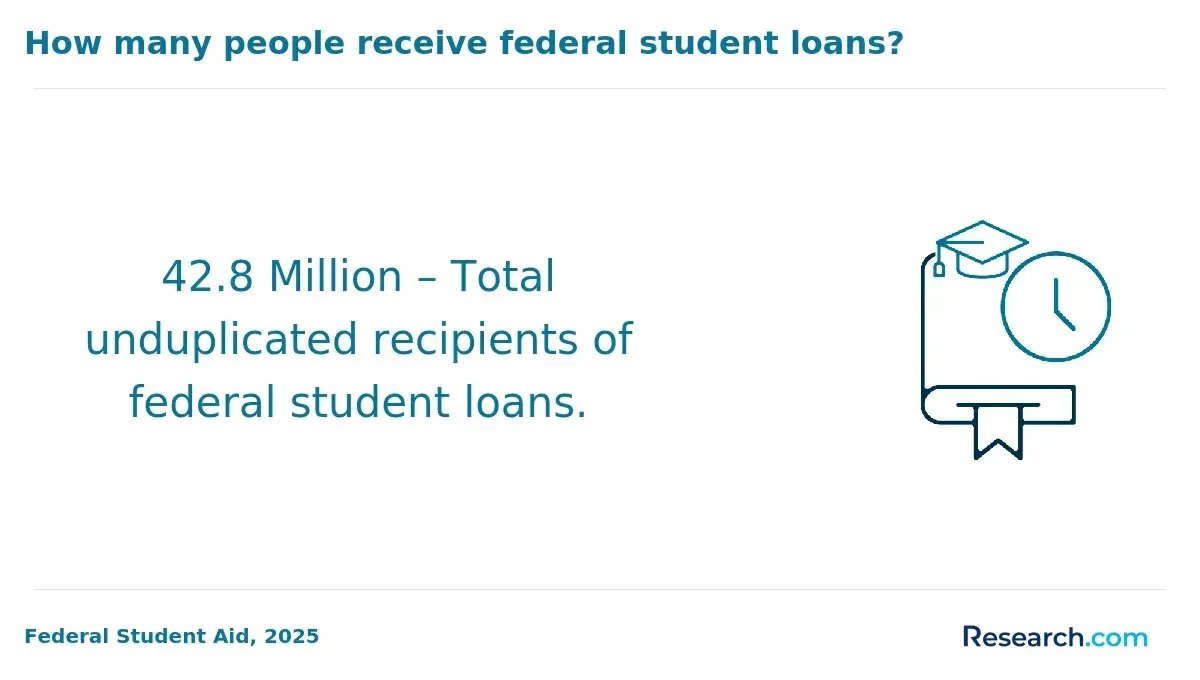
Allowable expenses typically include rent, transportation to and from campus, and certain required health insurance costs. However, purchases such as electronics unrelated to coursework or paying off unrelated bills are not permitted. To avoid issues, students should budget carefully and return any excess money to their loan servicer promptly. Federal student loans account for about 90.9% of all student debt, highlighting the broad importance of adhering to these rules.
Those interested in specialized funding options might explore federal loans for MBA students, which follow similar regulations. Tracking expenses and understanding appropriate uses can help borrowers manage their finances responsibly and avoid penalties.
How do schools calculate your loan amount and determine if there's "extra" money?
Schools determine your student loan amount based on your cost of attendance (COA), which includes tuition, fees, housing, books, and other education expenses. From this, they subtract any financial aid such as grants, scholarships, and expected family contributions. The remaining sum is your maximum loan eligibility for the academic year. This process explains how US schools calculate student loan amount eligibility.
When the loans you accept are less than your total eligibility, the difference is called leftover loan money. This can happen if you decline part of the loans offered or if your actual expenses are lower than the COA estimate. For example, if your COA is $20,000 and grants plus family support cover $15,000, you may be offered loans up to $5,000. Accepting only $4,000 leaves $1,000 in leftover funds, which might be available to borrow later depending on your school's policies and federal loan limits.
Schools may adjust loan amounts mid-year if your enrollment changes or if your costs fluctuate, potentially increasing leftover student loan funds in the United States. Managing these leftover amounts wisely is crucial since the average federal student loan balance is $39,547, and combined federal and private loans average $43,333, according to Education Data Initiative.
Using leftover funds strategically, for essential expenses rather than discretionary ones, can reduce future borrowing needs. For graduates seeking better loan terms, consider exploring private banks for student loan refinance.
Should you return unused student loan funds to your servicer, and how?
Returning any unused student loan funds to your servicer promptly is essential. Keeping leftover funds may cause unnecessary interest to accrue from the moment of disbursement, increasing your total repayment costs without benefit. By returning excess loan money, you reduce your principal balance and overall debt.
To repay unused federal student loan funds, contact your lender or loan servicer directly and provide the exact amount you wish to return. The payment should be identified as a "loan refund" or "excess funds repayment" explicitly to ensure it reduces your principal and not your monthly installment. Private loans differ by lender, so review your loan agreement or speak with customer service to understand their specific return policies.
Returning unused funds can positively affect your repayment timeline by:
- Reducing principal and interest accrued over the loan term.
- Lowering monthly payment amounts through a decreased balance.
- Helping you exit forbearance or deferment conditions sooner.
Data from LendingTree's analysis of the Federal Student Aid Portfolio shows that as of Q4 2025, federal loans in repayment totaled $606.0 billion, whereas loans in forbearance and deferment combined reached $677.5 billion. This underscores how unreturned borrowed funds may extend your debt burden and complicate repayment strategies.
How do leftover student loan amounts affect interest charges and total repayment cost?
Borrowing more student loan money than needed-for example, by accepting refund checks for living expenses-can sharply increase total debt due to added interest on leftover amounts. Even small extra sums added annually build up quickly, as interest begins accruing immediately and compounds over time.
For instance, an additional $1,000 borrowed each year over four years could increase the principal by about $4,000. At a 4.5% interest rate, this leftover balance may add hundreds of dollars in interest every year, resulting in thousands more owed by the time the loan is fully repaid. This effect is more pronounced with federal loans that capitalize interest during deferment or forbearance periods.
Recent data from Education Data Initiative shows student loan debt at graduation is climbing, with the class of 2025 averaging $39,550 compared to $37,090 for 2023 graduates. This rise partially reflects how small increases in borrowing, often from leftover refund money, significantly inflate loan balances and repayment costs over time.
To minimize unnecessary borrowing and reduce long-term costs, students should:
- Compare actual education expenses to financial aid and refund estimates
- Avoid accepting loan amounts beyond essential costs
- Manage leftover funds responsibly to prevent excess debt accumulation
Careful planning helps control principal growth and interest fees, ensuring more manageable loan repayment and financial stability after graduation.
Are there different rules for leftover money from federal vs private student loans?
Leftover funds from federal student loans are common because these loans often disburse amounts exceeding tuition and fees to cover additional educational expenses like housing and books. When funds remain after tuition and direct educational costs are paid, borrowers usually receive a refund by check or direct deposit. This money must be managed carefully, as spending beyond necessary college-related expenses can lead to unnecessary borrowing, increasing overall debt and interest payments.
Private student loans operate differently. Lenders typically release only the amount required for tuition and approved expenses, making leftover funds less frequent. When surplus funds do occur, policies vary: some lenders refund the difference directly to borrowers, while others adjust the loan disbursement to prevent leftover money. Prospective borrowers should review their loan agreements or consult lender customer service to understand how leftover funds are handled.
Effective management of leftover loan money is crucial, especially for those enrolled in income-driven repayment plans like the SAVE plan. Currently, 7.43 million borrowers carry $410.0 billion in federal student debt, highlighting the burden of repayment and interest costs.
Key points to consider:
- Federal loans may refund leftover funds for education-related expenses beyond tuition.
- Private loan leftover funds are less common and subject to lender policies.
- Careful budgeting with leftover loan money can prevent excess borrowing and reduce long-term debt.
What are best practices for budgeting so you don't over-borrow student loan money?
Borrow only what you need for tuition, fees, and verified living expenses to avoid excess debt and inefficient fund use. Create a detailed budget covering rent, food, transportation, books, and personal costs. Accurate budgeting helps prevent surplus loan disbursements, which can lead to overspending.
Track monthly expenses and adjust loan amounts before each semester. Living with family? Reduce housing cost estimates to lower borrowing needs. Apply first for scholarships, grants, and work-study opportunities to reduce loan reliance.
Don't automatically borrow the maximum loan limit offered. Instead, request amounts that match your budget. Schools allow loan adjustments before disbursement, letting you reduce loan sums and avoid leftover funds. For example, if your budget is $15,000 but loans total $18,000, request $3,000 less to prevent excess funds.
Data from the College Board shows student loan borrowing dropped from $163.9 billion in 2010-11 to $101.4 billion in 2023-24, a 38% decline due to tighter budgeting and reduced borrowing. A slight increase to $102.6 billion is projected in 2024-25, reflecting some easing of these trends.
Regularly review your budget and loan needs each term. Underestimating expenses risks shortfalls; overestimating leads to unnecessary debt. Balanced budgeting protects your financial future by reducing loan costs and limiting unused loan money.
How do leftover student loan funds work for graduate, professional, and parent borrowers?
Graduate, professional, and parent borrowers have distinct rules regarding leftover student loan funds compared to undergraduates. For graduate and professional students, leftover loan money occurs when the disbursed loan amount exceeds tuition and fees. These funds can be used for education-related expenses such as housing, books, supplies, and living costs. This flexibility is crucial due to the higher expenses associated with advanced programs. Generally, schools pay tuition first, then disburse any remaining funds directly to the borrower.
Parents borrowing through Parent PLUS loans follow a similar path. After tuition and fees are covered, leftover funds can be used for any education-related expenses during the student's academic year. Parents receive these funds directly, which often help cover living costs or other educational needs. It's important for parents to budget carefully, as PLUS loans usually carry higher interest rates than federal loans for undergraduates.
Some key points to consider:
- Graduate students typically borrow amounts close to expected expenses to avoid excess funds.
- Parents should coordinate with students' financial aid to prevent overlapping loans or unnecessary borrowing.
- About 55% of students at public four-year colleges and 57% at private nonprofit four-year colleges use student loans, meaning nearly half depend mainly on work, scholarships, and family support rather than leftover loan money.
Loan disbursement timing and institutional policies vary, so managing excess loan funds wisely helps prevent unnecessary debt accumulation.
Can leftover student loan money impact financial aid eligibility or future borrowing limits?
Borrowing more student loan money than necessary can indirectly affect your future financial aid eligibility and borrowing limits. Carrying higher debt levels increases your repayment obligations, which lenders and loan servicers consider when approving new loans. This may limit your ability to borrow later for graduate studies or other educational needs.
Federal aid eligibility is typically based on your cost of attendance, so leftover loan funds do not directly reduce future federal aid amounts. However, sustained high loan balances may impact private loan approvals or terms, as credit checks often flag significant outstanding debt.
Key points to consider include:
- Outstanding debt can lead to higher overall debt burdens, affecting your creditworthiness.
- Federal aggregate loan limits might be reached sooner if you carry large leftover balances.
- Delinquency risks increase with overborrowing, negatively affecting credit reports and future loan eligibility.
U.S. student loan balances reached approximately $1.66 trillion by early 2026, with a 10.3% delinquency rate over 90 days, highlighting the challenges borrowers face when managing excessive debt. It is advisable to consult your financial aid office or loan servicers to manage leftover funds effectively, adjust aid packages, or explore repayment options that safeguard your future borrowing capacity.
Other Things You Should Know About
Yes, leftover student loan money can generally be used for living expenses such as rent, food, and transportation, as long as these costs are reasonable and related to your attendance at school. However, you should ensure your spending aligns with your overall budget and loan repayment plan since loans must ultimately be repaid with interest.
Many schools allow students to reduce their future loan amounts if they repeatedly have leftover funds. Contact your financial aid office to discuss your situation and request a loan adjustment to avoid borrowing more than necessary.
In 2027, leftover student loan funds do not impact your taxes directly because they are not considered taxable income. However, any interest paid on your student loans may be deductible, depending on your income and tax filing status.
Leftover loan money does not directly affect eligibility for other types of financial aid such as grants or scholarships. However, borrowing more than your cost of attendance might reduce your need-based aid eligibility in future aid years, depending on your school's policies.