2027 Can You Apply for Student Loans Every Semester?

Student Finance & Loan Expert
Many prospective graduate students face uncertainty about whether they must reapply for student loans every semester. This confusion can delay funding approval and disrupt academic planning. Understanding the application process is essential for managing finances and ensuring continuous loan support. The rules around semester-by-semester applications vary depending on loan type and institutional policies, which can complicate decision-making. This article clarifies whether students need to apply each semester, explains relevant timelines, and offers practical guidance to help borrowers navigate the loan process effectively and avoid unnecessary delays or complications.
- Can you apply for new student loans every semester, and how does it work? Loans each semester
- Do you need to submit the FAFSA every year to get semester-based loans? FAFSA yearly
- How do schools decide how much you can borrow each semester? Semester limits
- What are the differences between federal and private loans when borrowing each term? Federal vs private
- How do annual and lifetime loan limits affect borrowing every semester? Loan caps
- Can part-time or returning students still get loans on a semester basis? Part-time eligibility
- How does applying for loans each semester impact interest, fees, and total cost? Cost impact
- What happens to your loans if you change enrollment, transfer, or withdraw mid-year? Enrollment changes
- How do semester-by-semester loans affect repayment plans and monthly payments? Repayment impact
- Can you adjust, refinance, or consolidate loans you took out each semester? Refinance & consolidate
Can you apply for new student loans every semester, and how does it work?
You can apply for new student loans every semester if you are enrolled at least half-time and meet your lender's criteria. Federal student loans require completing the Free Application for Federal Student Aid (FAFSA) annually, which typically covers two semesters or three quarters. Based on that application, you receive a loan offer that can be accepted semester by semester or for the entire academic year. Some private lenders and schools allow loan disbursements each semester, but the total borrowed must stay within annual limits.
Private loans often involve reapplying each semester or academic term, especially if your enrollment status or financial need changes. For example, summer classes usually require a separate application. Monitoring your loan balance and eligibility each term is important to avoid exceeding borrowing limits, highlighting how student loans renewal works each semester.
Loan eligibility depends on the cost of attendance, other financial aid, and federal annual limits ($5,500 to $12,500 for undergraduate loans). Adjustments to your loan amount occur if your financial situation changes. In recent years, students and parents borrowed $102.6 billion in federal and nonfederal education loans, showing ongoing reliance on student loans despite shifts in borrowing trends.
Before each semester, confirm your financial aid package with your school's office and submit required documents promptly to avoid delays. Those interested in specific programs should explore dental school financial aid options through dental school financial aid programs for targeted support.
Do you need to submit the FAFSA every year to get semester-based loans?
You must submit FAFSA annually for semester loan eligibility because federal student loans are awarded by academic year, not by semester. This means one FAFSA application filed early in the aid year (typically July 1 to June 30) covers all semesters in that period. However, if you want to borrow in a new aid year or for a subsequent semester beyond that, you need to renew FAFSA for each semester to maintain eligibility and prevent loan disruptions.
For example, a FAFSA filed for the 2025-26 aid year covers fall 2025 and spring 2026 semesters. But for fall 2026, a new FAFSA for 2026-27 must be submitted. Missing any yearly FAFSA submission means you cannot receive loan funds for that aid year.
Many students mistakenly believe that one FAFSA application covers their entire academic program. Filing FAFSA yearly allows the federal government to reassess your financial need, enrollment status, and adjust loan limits accordingly. To qualify for loan disbursement, you must meet school deadlines and maintain at least half-time enrollment within the aid year.
Only a portion of undergraduates actually accept federal loans annually, often due to shifting financial needs or alternative funding choices. If you face credit challenges, it's helpful to explore options such as student loans for bad credit borrowers.
How do schools decide how much you can borrow each semester?
Schools determine your borrowing limit each semester by evaluating several key factors. One major consideration is your enrollment status, usually measured in credit hours. Full-time students typically qualify for higher loan amounts than part-time students, as the borrowing limits align with the cost of attendance for that semester. For instance, a full-time undergraduate might be eligible for up to $5,500 annually in federal loans, split across semesters, while part-time students receive proportionally less.
Your year in school also influences loan eligibility. Freshmen, sophomores, juniors, and seniors have varying limits that reflect their educational progression and costs. Graduate and professional students generally have higher borrowing caps. Additionally, schools ensure students meet Satisfactory Academic Progress (SAP) standards-minimum grade and course completion thresholds-before approving loans. Failure to meet these standards can reduce or block eligibility.
Cost of attendance (COA) limits the total amount you can borrow, accounting for tuition, fees, room and board, and other expenses. Your loans cannot exceed COA minus any other financial aid received, such as grants or scholarships. These funds reduce your loan needs and may be critical for managing debt.
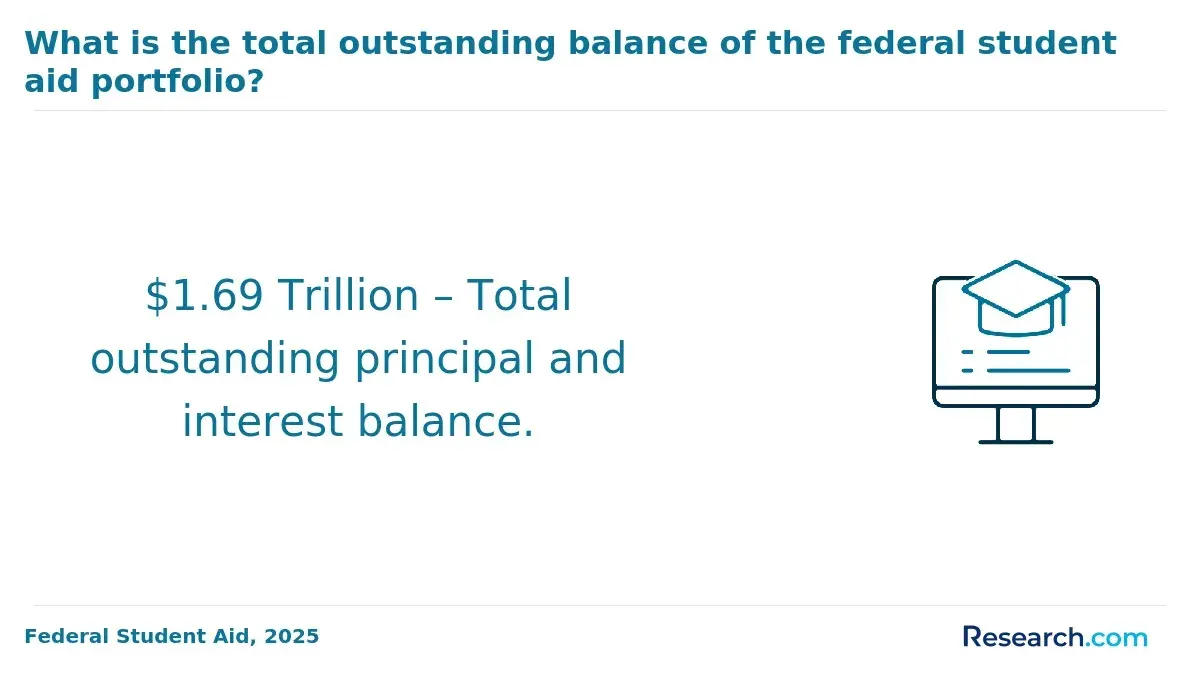
Federal aggregate loan limits cap total borrowing across all semesters. The Department of Education sets these limits to prevent excessive debt. Understanding how federal student loan borrowing limits are determined each semester helps you avoid surpassing these thresholds. As the average federal student loan balance nears $40,000 per borrower, awareness remains essential.
Schools apply strict criteria for student loan eligibility per semester, blending enrollment status, academic standing, year in school, cost of attendance, and federal limits to match loans with your educational expenses.
For students seeking additional aid, exploring scholarships for adults going back to school can provide valuable financial support.
What are the differences between federal and private loans when borrowing each term?
Federal student loans can be borrowed each semester with consistent eligibility, offering fixed interest rates and protections like income-driven repayment plans and deferment options. Borrowing limits apply annually and over a lifetime; for example, dependent undergraduates can borrow up to $5,500 yearly through Direct Subsidized and Unsubsidized Loans combined. Renewing these federal loans each term requires completing the FAFSA, which affects eligibility based on income and enrollment status.
By contrast, private loans vary by lender, usually requiring credit approval and sometimes a co-signer. Interest rates on private loans may be fixed or variable and tend to be higher and less predictable than federal loans. Private repayment terms are less flexible and rarely offer income-driven repayment or forgiveness. Borrowing private loans each semester may also involve reapplying or reaffirming creditworthiness, depending on the lender's policies.
The decline in undergraduates receiving loans-from 50% in 2010-11 to 38% in 2020-21-and the drop in average loan amounts underscore the need to carefully assess how to borrow student loans each semester, balancing costs and benefits.
Key points comparing federal vs private student loan terms include:
- Federal loans require annual FAFSA submission but provide stable, regulated terms.
- Private loans depend on credit status and have less predictable costs.
- Borrowing limits and eligibility differ significantly between federal and private loans.
- Federal loans offer protections that reduce financial risk over time, unlike most private loans.
For those considering refinancing options down the line, it's helpful to review how to refinance student loans to optimize repayment strategies.
How do annual and lifetime loan limits affect borrowing every semester?
Federal student loan borrowing is limited by annual and lifetime caps that guide how much aid students can receive each semester and throughout their education. Dependent undergraduates can borrow up to $7,500 annually in Direct Subsidized and Unsubsidized Loans combined, while independent undergraduates have a higher limit of $12,500. Graduate students typically access even larger annual amounts, often up to $20,500. These yearly limits are divided across terms, meaning funds are disbursed in portions depending on the number of semesters attended.
Lifetime or aggregate loan limits, such as the $31,000 cap for dependent undergraduates, restrict the total federal loan amount a student can borrow during their academic career. Exceeding these limits blocks further borrowing, requiring careful financial planning, especially for students pursuing extended or multiple degree programs.
Loan disbursement depends on timely application submissions for each semester. Missing deadlines can reduce funds available for that term but do not reset yearly or lifetime borrowing limits. The American Association of Community Colleges reports that a large majority of U.S. postsecondary institutions rely on federal student loans, with 88.5% nationwide and 86.7% of public community colleges having students who borrow federally.
- Dependent undergraduate annual cap: $7,500
- Independent undergraduate annual cap: $12,500
- Graduate student annual cap: $20,500
- Dependent undergraduate lifetime limit: $31,000
Can part-time or returning students still get loans on a semester basis?
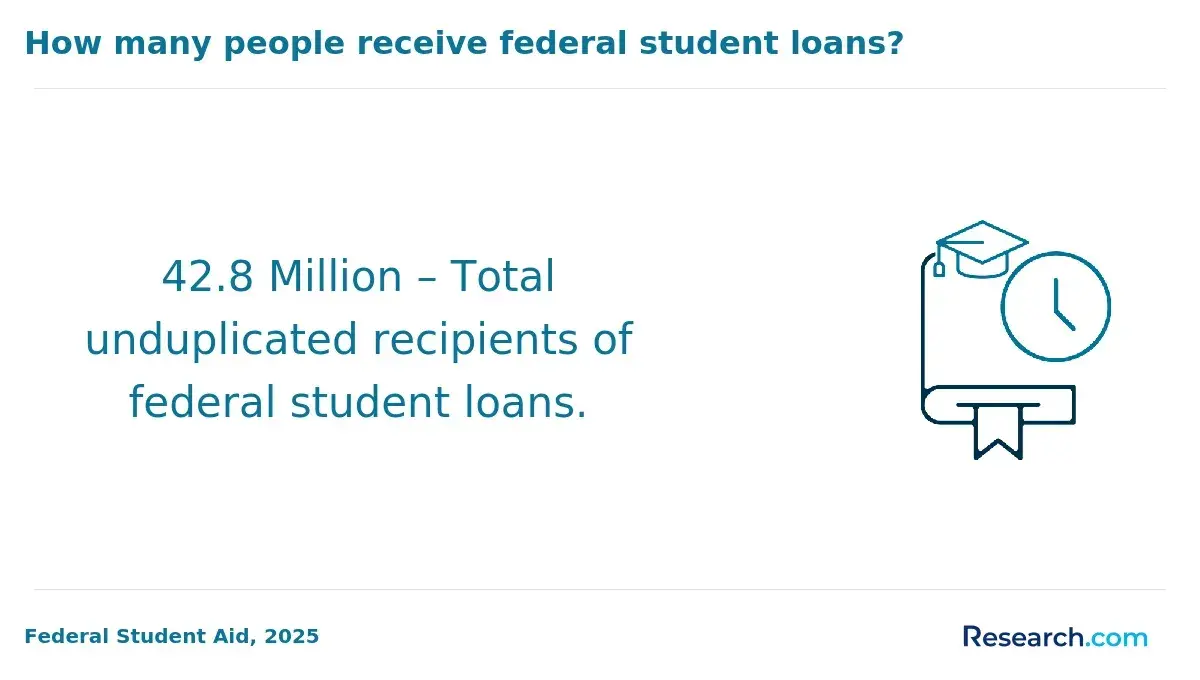
Federal student loans are available each semester to part-time and returning students who maintain at least half-time enrollment. The U.S. Department of Education disburses loans per enrollment period, allowing eligibility to reset every semester or quarter. This system helps students balancing work and study or enrolling irregularly.
To qualify, students must complete the Free Application for Federal Student Aid (FAFSA) annually and update their enrollment status before each semester. Loan amounts vary depending on academic level and previous borrowing, with part-time undergraduates generally receiving lower limits than full-time students.
Private loans and some state aid programs may require continuous or full-time enrollment, so it's important to check specific rules with lenders or financial aid offices.
Consistently borrowing each term without managing repayment can increase overall debt. According to the Education Data Initiative, the average student loan debt for the class of 2025 is $39,550, up from $33,550 in 2018 after adjusting for inflation.
Helpful strategies include:
- Confirming half-time enrollment each semester to keep loan eligibility
- Planning loan amounts carefully to avoid excess debt
- Looking into grants as alternatives to borrowing
- Consulting financial aid advisors for personalized support
How does applying for loans each semester impact interest, fees, and total cost?
Borrowing student loans every semester increases the total amount you owe because each loan disbursement starts accumulating interest independently from when it is issued. This means semester-by-semester borrowing results in compounded interest more rapidly than borrowing a lump sum for multiple semesters upfront.
Federal student loan interest rates are fixed for each disbursement but differ by loan type and disbursement date. Managing multiple loans with varying interest rates adds complexity to repayment. Origination fees, generally between 1% and 4% for federal loans, also apply to each disbursement, increasing overall costs over time.
Repeated borrowing increases your total balance and can extend your repayment period. For example, borrowing $5,000 each semester over four semesters results in paying interest on several smaller amounts rather than one single $20,000 loan.
According to the Education Data Initiative, 10.0% of federal student loan dollars are delinquent, compared to 1.62% of private loans in default, emphasizing the risks of accumulating debt across multiple semesters.
To reduce costs, consider these approaches:
- Borrow only what you need each semester to limit principal growth.
- Review loan terms carefully for fees and interest rates before applying.
- Seek alternative funding, such as scholarships, to minimize loan dependency.
What happens to your loans if you change enrollment, transfer, or withdraw mid-year?
Changing your enrollment status, transferring schools, or withdrawing mid-year affects student loans under federal rules and lender policies.
Falling below half-time enrollment may pause federal loan disbursements and end eligibility for new loans that semester. For example, dropping from full-time to part-time can end in-school deferment and start repayment sooner.
If you transfer to a new eligible institution, notify both schools promptly. Federal loans are generally transferable, but disbursement timing could shift. Timely updates prevent repayment demands or loss of deferment benefits.
Withdrawing triggers mandatory federal exit counseling and a repayment grace period, usually six months. Missing loan requirements after withdrawal can lead to immediate repayment demands and default risk.
Private loans often impose stricter rules, such as requiring repayment immediately if enrollment drops below a threshold or you transfer. Contact your private lenders quickly to clarify impacts and avoid credit issues.
- Maintain communication with loan servicers and financial aid offices to manage changes effectively.
- Private loans increase average student debt to $42,673 per borrower, compared to $39,075 for federal loans alone, according to SoFi's 2026 report.
This highlights the importance of understanding loan terms and consequences for both federal and private loans when enrollment changes occur.
How do semester-by-semester loans affect repayment plans and monthly payments?
Taking out student loans each semester instead of once annually adds complexity to managing debt. Multiple loans result in several repayment start dates, making it harder to keep track of payments and schedules. For example, borrowing separately for fall and spring semesters can cause overlapping repayment periods if a student interrupts enrollment or uses deferment options.
This borrowing pattern often leads to higher total debt earlier, increasing monthly payments after graduation. Income-driven repayment plans adjust payments based on total debt and income, so having multiple loans from different semesters can raise payments faster. Additional borrowing during summer sessions, part-time studies, or study abroad periods extends repayment timelines and may increase interest costs.
The Federal Reserve reports that nearly 29% of adults with outstanding student loans find their monthly payments somewhat difficult to manage alongside other expenses. This highlights the financial strain caused by borrowing year-round.
Borrowers should:
- Consolidate loans when possible to streamline repayment.
- Track total loan amounts closely each semester.
- Consider deferment, forbearance, or alternative repayment plans if payments become challenging.
Careful loan management and awareness of repayment timing help prevent unexpected increases and reduce financial stress associated with semester-by-semester borrowing.
Can you adjust, refinance, or consolidate loans you took out each semester?
Federal student loans are typically disbursed each semester and cannot be refinanced until after graduation or leaving school. However, graduates may consolidate multiple federal loans into one through a Direct Consolidation Loan, which simplifies repayment and can lower monthly payments.
Private student loans, often used to fill funding gaps during school, can be refinanced at any time if you qualify. Refinancing replaces existing loans with one offering better terms, such as a lower interest rate, potentially saving money on interest but usually requiring strong credit or a cosigner.
Adjusting loan amounts after disbursement is generally not possible mid-semester. You can apply for additional loans in later semesters or request increases if your school permits it. Monitoring total borrowing is important: students at public universities average $33,910 in debt for a bachelor's degree, whereas private school students borrow about $40,970, reflecting a 21% difference (SoFi, "Student Loan Debt Statistics in 2026").
Practical advice includes:
- Reviewing loan terms before each semester to avoid excess borrowing.
- Planning federal loan consolidation after finishing school.
- Exploring private loan refinancing to reduce interest costs post-graduation.
- Talking with your financial aid office if your financial situation changes.
Other Things You Should Know About
Yes, you can apply for student loans multiple times in the same academic year, particularly if your enrollment spans multiple semesters or quarters. However, each loan application will be evaluated based on your remaining eligibility and borrowing limits for that year. It's important to keep track of cumulative amounts to avoid exceeding federal or institutional caps.
Yes, most schools set specific deadlines for submitting loan applications each semester to ensure funds are processed on time. Missing these deadlines may delay disbursement or result in reduced loan amounts for that term. It's essential to check your institution's timeline and submit required paperwork promptly each semester.
Federal student loans generally do not impact your credit score during the application process, as they don't require a credit check for most borrowers. On the other hand, private loans may involve a credit inquiry, which can temporarily affect your credit score. Applying every semester could lead to multiple inquiries if you choose private lenders repeatedly.