2027 Best ABSN Program Student Loans

Student Finance & Loan Expert
Many individuals changing careers face the challenge of funding accelerated nursing programs without clear guidance on loan options. The high cost and swift pace of ABSN programs often limit time available to secure affordable financing. Navigating various federal and private student loans, along with potential repayment plans, can be overwhelming and affect educational decisions.
This article evaluates the best student loans tailored for ABSN program students, highlighting key features, benefits, and considerations to empower readers with practical financial strategies for successful loan management.
- What are the main student loan options for ABSN students and how do they work? ABSN loan options
- How do federal and private student loans compare for funding an ABSN program? Federal vs private
- How much can you borrow for an ABSN program and what interest rates apply? ABSN limits & rates
- What eligibility requirements and credit checks affect ABSN student loan approval? Eligibility & credit
- How do you use the FAFSA and financial aid offers to pay for an ABSN program? FAFSA for ABSN
- Which repayment plans are best for ABSN graduates with high nursing school debt? Best repayment
- What loan forgiveness and repayment assistance programs exist specifically for nurses? Nurse forgiveness
- When does refinancing or consolidating ABSN student loans make financial sense? Refi & consolidation
- How can ABSN students reduce borrowing costs with scholarships, employer aid, and payment plans? Reduce borrowing
- What happens if you fall behind on ABSN student loans and how can you recover? Late payments impact
What are the main student loan options for ABSN students and how do they work?
The main student loan options for ABSN students include federal student loans, private loans, and institutional financing. Federal student loans are the most common, offering fixed interest rates, income-driven repayment plans, and eligibility for forgiveness programs. These include Direct Subsidized Loans, Direct Unsubsidized Loans, and PLUS Loans for parents or graduate students. They also offer deferment and forbearance options, which can be vital during clinical placements or financial hardships.
Private loans, provided by banks, credit unions, and online lenders, often require credit checks and typically have variable interest rates higher than federal loans. These loans lack the flexible repayment options available with federal loans, making them riskier but sometimes necessary if federal loan limits do not cover all expenses. Institutional financing, such as school-specific loans or payment plans, can supplement other loan sources. Some ABSN programs partner with lenders to provide specialized loan packages for nursing students.
When considering ABSN student loan options and eligibility criteria, students should evaluate borrowing limits, interest rates, repayment flexibility, and forgiveness eligibility. Many combine federal unsubsidized loans with private loans to cover all costs. Since loan aid use declined-to 38% of first-time full-time undergraduates in 2020-21-those who borrow tend to rely heavily on loans, with the average annual amount about $7,700. It's also important to know that some student loans can be used for living expenses. For instance, you can find guidance on how to use student loan money for rent.
Understanding how ABSN student loans and repayment plans work helps students plan financially and avoid excessive debt.
How do federal and private student loans compare for funding an ABSN program?
Federal student loans provide important advantages for ABSN program funding compared to private loans, including fixed interest rates that are generally lower and more flexible repayment options like income-driven plans and loan forgiveness programs. These features are crucial for ABSN students who often face substantial debt with variable post-graduation income. In fact, 69% of graduate nursing students relied on federal loans, expecting a median debt between $40,000 and $54,999 (American Association of Colleges of Nursing).
Private loans usually require a credit check and a co-signer, which can limit accessibility. Their interest rates vary widely and may be fixed or variable, often leading to higher costs. However, private loans can serve as a supplement when federal loan limits are reached or additional funds for living expenses are needed. Understanding the best student loan options for ABSN students involves prioritizing federal loans for their borrower protections and considering private loans only when necessary.
- Federal loans offer deferment and forbearance options to ease repayment challenges.
- Private loans generally lack income-driven repayment plans.
- Federal loans provide public service loan forgiveness for nurses in qualifying healthcare roles.
- Private loans may offer larger borrowing limits based on creditworthiness.
Those comparing loans should examine terms carefully and consider resources like the ascent student loan pros and cons to make informed decisions aligned with managing typical debt loads of $40,000 to $55,000 for advanced nursing roles.
How much can you borrow for an ABSN program and what interest rates apply?
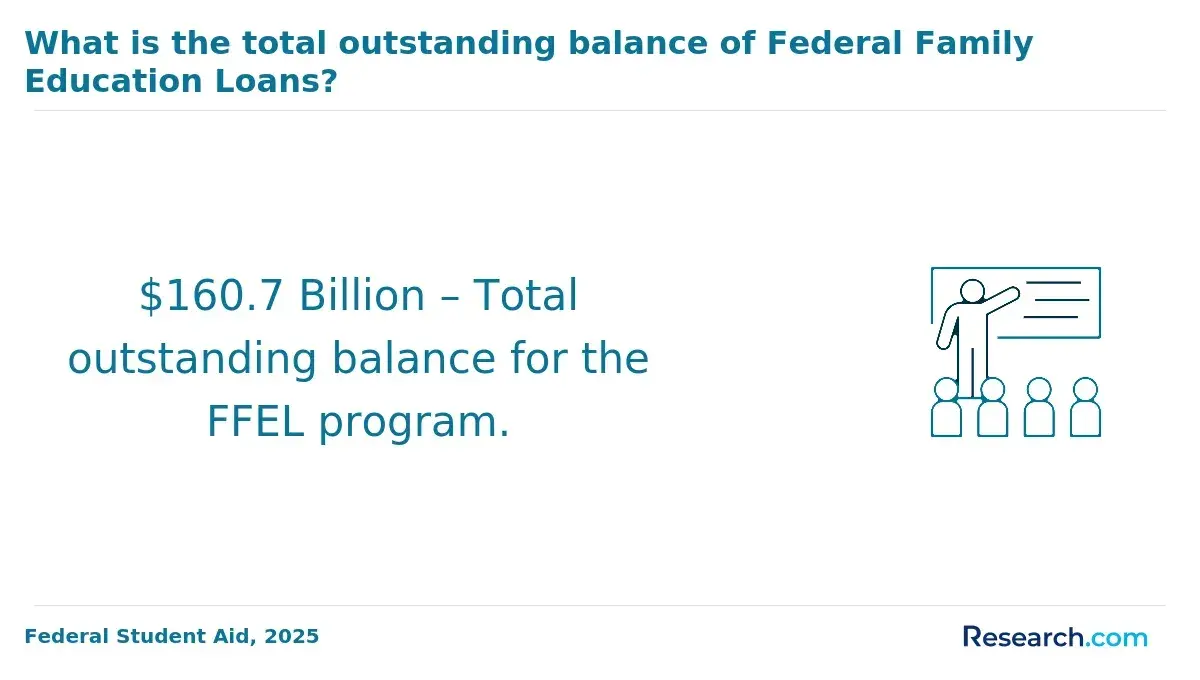
Students in Accelerated Bachelor of Science in Nursing (ABSN) programs generally borrow up to federal loan limits for undergraduate students. For Direct Subsidized and Unsubsidized Loans combined, annual limits range from $5,500 to $12,500 depending on the year in school, with aggregate limits up to $57,500. Graduate-level PLUS Loans allow borrowing up to the total cost of attendance minus other financial aid. Understanding how much student loans cover for ABSN programs helps students plan their finances effectively.
Interest rates on federal loans for these programs are fixed at 5.50% for Direct Subsidized and Unsubsidized Loans and 7.05% for Grad PLUS Loans, set by Congress for the loan's lifetime. Federal loans often provide benefits such as income-driven repayment plans and loan forgiveness options, which private loans typically lack. Typical interest rates on ABSN program loans vary significantly for private options, usually between 6% and over 13%, influenced by creditworthiness.
Private loans usually require credit approval and may cover amounts matching or exceeding total attendance costs but constitute only about 9.13% of all U.S. student loan debt. To maximize borrowing options and gain access to federal aid and potential Pell Grants or state support, ABSN students should complete the FAFSA early. Starting with federal loans ensures more flexibility and lower interest.
For additional insights on financing advanced degrees, including comparisons with best MBA student loans, students can explore trusted resources to make well-informed borrowing decisions.
What eligibility requirements and credit checks affect ABSN student loan approval?
ABSN student loan eligibility criteria in the US vary depending on the loan type. Federal Direct Stafford loans require students to be enrolled at least half-time and maintain satisfactory academic progress. These loans do not require credit checks, making them accessible to most applicants regardless of credit history. In contrast, Direct PLUS loans often supplement Stafford loans but require a credit check. Borrowers with adverse credit history-such as recent delinquencies or bankruptcies-may be denied or need an endorser, so credit status is crucial for these loans.
Private lenders usually apply stricter credit score requirements for ABSN loan approval. They assess credit scores, income, and debt-to-income ratios to determine approval and interest rates. A strong credit history can help secure better terms, while poor credit might lead to denial or higher costs. Cosigners are sometimes allowed to improve approval chances with private lenders.
Loan fees also affect overall repayment costs. For federal loans disbursed between October 1, 2025, and September 30, 2026, Direct Stafford loans have a 1.057% origination fee, and Direct PLUS loans carry a 4.228% fee. These fees add to borrowing costs and should be included in loan evaluations.
Students should verify enrollment status, credit eligibility, and potential fees before applying. Maintaining good credit and understanding loan terms can optimize approval chances and manage costs effectively. For more details on financing options, explore nursing school loans.
How do you use the FAFSA and financial aid offers to pay for an ABSN program?
Submit the Free Application for Federal Student Aid (FAFSA) early to access federal grants, work-study, and loans based on your financial need and household data. Federal aid typically comes with fixed interest rates and income-driven repayment options, making it a favorable financing source.
After processing your FAFSA, the ABSN program's financial aid office will provide an aid offer detailing available assistance such as Pell Grants, federal Direct Loans, and possibly school-specific scholarships. Carefully evaluate the balance between grant-based aid and loans in this offer.
Federal Direct Loans commonly cover tuition gaps, often offering fixed rates under 5% and flexible repayment plans. If federal limits are insufficient, private nursing loans may be necessary. Current private loan APRs range widely due to credit history and lender differences, from as low as 2.59% up to 16.61%.
- Strong credit scores help secure lower APR loans near 2.59%.
- Borrowers with weaker credit may face rates closer to 16.61%, increasing repayment costs substantially.
To minimize debt burden, exhaust federal aid options before turning to private loans. Compare lenders to find the best rates and consult your ABSN financial aid counselor to clarify outstanding tuition and payment plans. Strategic use of FAFSA and financial aid offers can optimize affordability and repayment terms.
Which repayment plans are best for ABSN graduates with high nursing school debt?
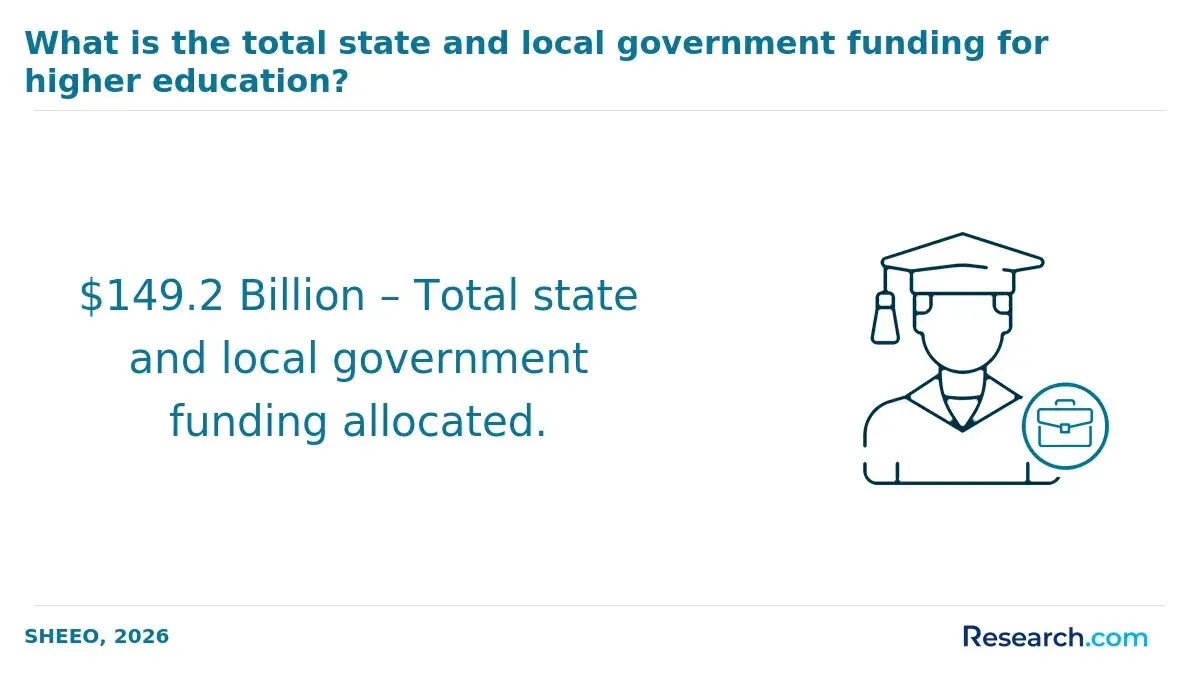
Graduates of Accelerated Bachelor of Science in Nursing (ABSN) programs with significant student debt should consider income-driven repayment (IDR) plans for federal loans. These plans tailor monthly payments based on income and family size, often lowering payments during early career stages when salaries may be limited.
Common IDR plans include:
- Revised Pay As You Earn (REPAYE): Caps payments at 10% of discretionary income, offers loan forgiveness after 20 or 25 years, and can cover interest accrual fully for subsidized loans.
- Pay As You Earn (PAYE): Caps payments at 10% of discretionary income but requires newer loans and partial financial hardship.
- Income-Based Repayment (IBR): Caps payments at 10-15% of discretionary income with forgiveness after 20-25 years.
With an average federal loan balance near $39,547 and combined federal and private debt around $43,333, these plans help manage monthly budgets and avoid default, especially for nurses beginning their careers.
Those employed in public service or nonprofit healthcare may benefit from Public Service Loan Forgiveness (PSLF), which forgives remaining federal loan balances after 120 qualifying payments on an IDR plan.
Private loan refinancing could lower interest rates but often sacrifices federal benefits like IDR and PSLF eligibility. Graduates should weigh cost savings against losing these protections.
Using tools such as the Department of Education's Loan Simulator allows borrowers to estimate repayment costs and find the best plan for their situation, supporting credit protection and financial stability as careers advance.
What loan forgiveness and repayment assistance programs exist specifically for nurses?
Nurses can benefit from several federal loan forgiveness and repayment programs designed specifically for their profession. The Public Service Loan Forgiveness (PSLF) program forgives remaining federal student debt after 120 qualifying payments while working full-time for a government or nonprofit employer-including many healthcare organizations. This program requires thorough documentation of employment and participation in qualifying repayment plans.
The Nurse Corps Loan Repayment Program targets nurses in critical shortage areas by repaying up to 85% of unpaid nursing education debt for an initial two-year commitment, with an additional 25% forgiveness for a third year. It applies to registered nurses, advanced practice registered nurses, and nurse faculty working in eligible facilities.
Income-Driven Repayment (IDR) options adjust monthly payments based on income and family size. After 20 or 25 years on plans such as Income-Based Repayment (IBR) or Pay As You Earn (PAYE), remaining balances are forgiven, though the forgiven amount may be taxable.
State-specific programs complement federal options by offering loan forgiveness or repayment assistance to nurses serving in underserved or rural areas, often requiring a minimum service period.
Nearly one-third of advanced practice nurses carry student loan debt exceeding the proposed $100,000 federal lifetime cap. For many, this education debt rivals or surpasses an entire year's salary, making these programs essential tools in managing long-term financial obligations.
When does refinancing or consolidating ABSN student loans make financial sense?
Refinancing or consolidating ABSN student loans can reduce interest rates or create more manageable repayment terms. Borrowers with high federal loan rates or improved credit scores may benefit from refinancing to secure lower rates, which can decrease monthly payments and total interest over the life of the loan.
Consolidation helps borrowers manage multiple loans more easily by combining federal and private ABSN loans into a single payment. This simplifies budgeting but may extend repayment time and increase total interest when done through federal Direct Consolidation Loans, so careful evaluation is necessary.
Recent changes in federal borrowing caps under the 2025 One Big Beautiful Bill Act and reduced eligibility for Parent PLUS loans limit new federal loan availability. This may encourage refinancing through private lenders, though it comes with losing federal protections like income-driven repayment plans and loan forgiveness.
Refinancing is advantageous for:
- Replacing fixed-rate federal loans with lower-rate private loans for borrowers with strong credit
- Graduates seeking repayment flexibility beyond federal options
- Extending loan terms to lower monthly payments in exchange for more interest paid overall
Consolidation benefits include:
- Bundling federal ABSN loans to qualify for specific forgiveness or repayment programs
- Simplifying payments by reducing multiple loan servicers
- Qualifying for standard 10-year plans when loans have differing terms
How can ABSN students reduce borrowing costs with scholarships, employer aid, and payment plans?
ABSN students can lower borrowing costs by using targeted strategies such as scholarships, employer assistance, and flexible payment plans. Scholarships for accelerated nursing students often cover partial to full tuition, directly reducing loan amounts. Programs are available from nursing associations, hospitals, and foundations. For instance, the American Association of Colleges of Nursing offers numerous scholarship opportunities for ABSN candidates.
Employer aid is another key resource. Many healthcare organizations provide tuition reimbursement or loan repayment programs that cover 50% to 100% of tuition or loan balances if graduates commit to working for them. Prospective students should inquire about these benefits and their terms before enrolling in ABSN programs.
Schools may also provide flexible payment options, such as income-driven or deferred plans, which spread tuition costs over time and lessen the need for large upfront loans. This helps students manage their cash flow and avoid financial strain.
Managing loans proactively is essential. Data from the Education Data Initiative shows federal student loan delinquency at 10.0% in Q4 2025, while private loan defaults were only 1.62% in Q3 2025. This suggests private loan borrowers often have stronger repayment strategies. ABSN students should carefully compare federal and private loan terms, maximize available aid, and choose manageable repayment plans to reduce financial risks.
What happens if you fall behind on ABSN student loans and how can you recover?
Falling behind on ABSN student loans leads to immediate consequences such as late fees, increased interest, and credit score damage. Federal loans often default after 270 days of missed payments, restricting access to future federal aid, enabling wage garnishment, and risking tax refund offsets. Private loans typically enforce accelerated repayment and fewer options after missed payments, though terms vary.
Loan servicers provide solutions like deferment, forbearance, and income-driven repayment plans. Deferment pauses payments during qualifying hardships or further education, while forbearance allows temporary suspension or reduction of payments but may increase overall interest. Income-driven plans adjust payments based on income and family size, helping ABSN graduates manage finances during career transitions.
Refinancing private loans can lower interest rates or extend terms, but it may remove federal loan protections.
- Contact your loan servicer promptly to discuss hardship options.
- Document all communications and agreements for your records.
- Consult a financial counselor who specializes in student loans for personalized guidance.
The National Center for Education Statistics reports an 8% decline in average annual federal borrowing for undergraduates-from $8,400 in 2010-11 to $7,700 in 2020-21-offering current ABSN applicants a chance to reduce debt burdens and avoid falling behind on payments.
Other Things You Should Know About
Part-time ABSN students can access federal Direct Unsubsidized Loans if they meet half-time enrollment criteria. Specific private lenders and financial institutions may offer loans designed for part-time students, but terms can vary significantly. It is crucial for students to verify eligibility requirements with both federal and private loan providers.
While there are no federal student loans exclusive to accelerated nursing programs, many lenders and institutions recognize the unique structure of ABSN programs. Some private lenders may offer tailored loan products with flexible disbursement schedules or grace periods aligned with accelerated curriculums. Prospective ABSN students should inquire about such options when exploring private loan offers.
If an ABSN student withdraws before completing the program, federal student loans typically enter repayment after a grace period or immediately if the borrower has used all deferment options. Unused loan funds may need to be returned to the lender or the Department of Education. It is important to contact the loan servicer promptly to understand repayment obligations and prevent default.
Federal student loan programs often allow deferment or forbearance under certain conditions, including employment in qualifying public service or health-related fields. ABSN graduates working in nursing roles may be eligible for such deferrals or income-driven repayment plans. However, private lenders have different policies, so students should review their loan agreements or consult their servicer for specific deferral options.