2027 Can Student Loans Pay for Car Insurance?

Student Finance & Loan Expert
Many students face financial strain balancing tuition, living expenses, and unexpected costs like car insurance. The challenge intensifies when loans cover tuition but not ancillary expenses, prompting questions about loan eligibility for items beyond education. Car insurance, essential for students commuting or relocating for study, often falls outside typical coverage.
Understanding whether student loans can legally and practically cover this cost helps prevent financial missteps and potential loan misuse. This article explores the conditions under which student loans may be applied to car insurance, aiming to clarify options and assist borrowers in managing their finances responsibly.
- Can student loans legally be used to pay for car insurance and other transportation costs? Car insurance
- How do federal rules define allowable living expenses for student loan funds? Allowed expenses
- What happens if I use excess student loan money for non-education costs like a car? Non-education use
- Are private student loans more flexible than federal loans for paying car-related expenses? Private vs federal
- How can I adjust my borrowing so I'm not relying on student loans for car insurance? Borrow smart
- What are safer alternatives to covering car insurance besides using student loan refunds? Safer alternatives
- How do student loan choices affect my monthly budget for necessities like transportation? Budget impact
- Can misusing student loan funds for a car or insurance affect my credit or loan status? Credit risks
- Are there grants, work-study, or employer benefits that can help cover transportation costs? Other financial aids
- How should I compare financing options if I'm considering a car loan versus student loans? Loan comparison
Can student loans legally be used to pay for car insurance and other transportation costs?
Student loans can be legally used to cover car insurance payments and other transportation expenses as part of essential education-related costs. Federal student loans disperse funds directly to borrowers, allowing flexibility in spending on necessary living expenses linked to attending school.
Car insurance is considered a reasonable transportation cost when it enables commuting to classes, internships, or work-study jobs.
Transportation expenses include gas, repairs, public transit passes, and insurance. It's common and permissible to use student loans to cover these costs as long as expenses remain within the loan amount and your school's cost-of-attendance budget.
Using student loans to cover transportation and car insurance costs helps manage daily commutes without violating federal guidelines.
For instance, a student driving to campus must maintain valid insurance. Paying premiums from loan proceeds is allowed because these expenses directly support attendance. However, using loans for luxury vehicles or insurance exceeding typical costs without a clear necessity is discouraged.
Currently, millions of Americans hold federal student loans totaling trillions in debt, making budgeting critical as transportation often represents a significant commitment. Borrowers should monitor their spending carefully to prioritize educational and essential living needs. Improper use of loan funds risks financial strain and credit difficulties.
To learn more about appropriate loan uses, visit what can student loans be used for.
How do federal rules define allowable living expenses for student loan funds?
Federal guidelines for student loan allowable expenses strictly include costs directly related to education and essential living needs. Typical allowable student loan living expenses under federal rules are tuition, fees, books, supplies, housing, food, utilities, transportation, personal care, and health insurance. These expenses help ensure a student's academic progress and support basic well-being during enrollment.
Car insurance is generally not an allowable expense for federal student loans. While certain transportation costs like public transit passes or fuel are permitted, insurance payments for private vehicles are excluded. This reflects a federal priority to restrict student loan funds to expenses closely tied to maintaining enrollment and academic success.
Lenders prohibit using federal student loans for car insurance because it is considered a discretionary financial obligation rather than an essential education-related cost. For instance, a student might use loan funds for a bus pass but not for insuring their personal car. This limitation helps reduce the risk of overextending credit on non-educational expenses that could jeopardize loan repayment.
Auto loan delinquency rates recently reached record highs, contributing to household debt projections exceeding $19 trillion, according to the Federal Reserve Bank of New York. This data underscores the risks of stretching credit to cover non-essential expenses like car insurance, which can worsen financial vulnerability and increase debt burden.
Students seeking advice on borrowing might consider options with responsible terms, such as the ascent student loans cosigner program, to better manage their financial obligations.
What happens if I use excess student loan money for non-education costs like a car?
Federal student loans are intended to cover education-related expenses such as tuition, fees, books, and reasonable living costs. Using student loan funds for car insurance falls outside these primary categories and may lead to penalties for non-education expenses from student loans.
This non-educational use can complicate financial situations, especially if audited by loan servicers or financial aid offices.
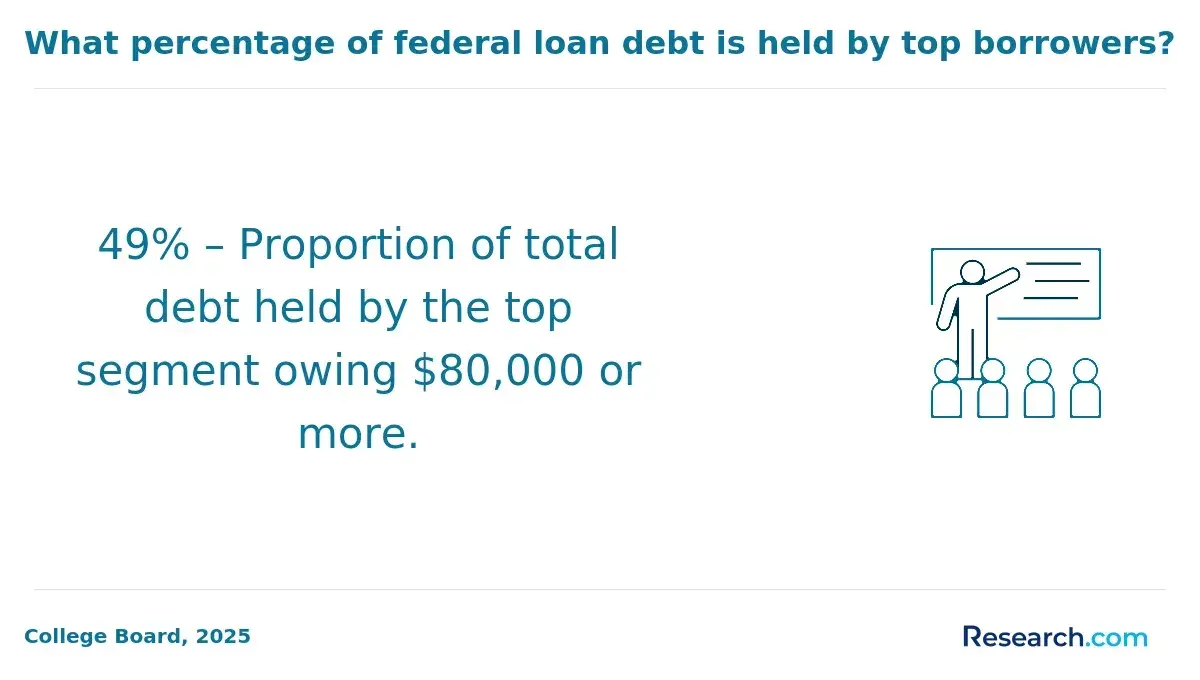
Many students borrow close to annual federal loan limits designed for education, not personal expenses. For example, 43% of undergraduates took loans exceeding $7,500 in a recent academic year, increasing their repayment burdens and impacting eligibility for other financial aid.
Typical allowable costs covered by student loans include:
- Tuition and mandatory fees.
- Required course materials such as textbooks.
- On-campus or reasonable off-campus housing.
- Basic food and living expenses.
- Transportation costs directly related to attending school (e.g., transit passes).
Car insurance usually does not qualify unless essential for commuting where no public transit exists. Misusing loan disbursements may require repayments and could affect loan eligibility or credit standing. Students should track their spending carefully to avoid such issues.
For students worried about managing education expenses, various scholarships for returning students offer additional support options.
Are private student loans more flexible than federal loans for paying car-related expenses?
Private student loans for car insurance expenses offer more flexibility than federal loans, which restrict funding strictly to education-related costs like tuition and required supplies. Using federal student loans for car insurance or maintenance usually violates loan terms and risks penalties or loss of deferment options.
In contrast, private loans often impose fewer restrictions on fund usage. Many private loans disburse funds directly to borrowers, allowing payment for broader living expenses, including insurance, fuel, and car upkeep. This can help with costs such as the average used car payment of $537 per month reported by LendingTree in Q4 2025.
However, it is important to consider that private loans usually carry higher interest rates and fewer borrower protections than federal options.
When weighing federal vs private student loans flexibility for car costs, remember that private loans often require good credit or a co-signer, whereas federal loans tend to be available regardless of credit history. Using private loans for non-educational expenses might also complicate future financial aid eligibility.
- If education costs are fully covered, private loans might legally finance necessary transportation without breaching terms.
- Evaluate the long-term debt impact as private loans could increase repayment burdens.
- Explore options with private banks for student loan refinance to manage loan costs more effectively.
Overall, private student loans provide financial flexibility for car expenses during college but come with trade-offs in risk and expense compared to the stricter federal loan framework.
How can I adjust my borrowing so I'm not relying on student loans for car insurance?
Full-coverage car insurance for college students can exceed $2,000 annually, with many affordable student policies costing between $150 and $250 per month, according to CNBC Select's analysis.
These expenses can quickly deplete borrowed funds intended for education. Adjusting your borrowing to avoid using student loans for car insurance requires careful budgeting and planning.
Begin by calculating your total anticipated educational expenses separately from personal costs. This way, you can limit loan amounts to cover only tuition, fees, and essential academic supplies. Consider these strategies to reduce or delay insurance costs:
- Use savings or part-time income to cover monthly premiums, minimizing extra borrowing.
- Choose more affordable insurance plans by comparing rates, opting for higher deductibles, or limiting coverage to legal requirements when suitable.
- Seek discounts available to students, such as good driver or good student discounts.
- Limit vehicle use to reduce risk and potentially lower premiums.
- Use alternative transportation like public transit or carpooling.
Refine your loan amounts through financial aid counseling or loan calculators to match academic expenses only. Avoid including personal costs like car insurance in your loan budget, which can increase debt unnecessarily. Managing borrowing this way helps maintain focus on repaying educational loans without added financial burden.
What are safer alternatives to covering car insurance besides using student loan refunds?
Using student loan refunds to pay for car insurance is not a sustainable financial strategy. Instead, explore safer ways to reduce insurance costs without increasing debt. Start by shopping around for affordable insurance providers.
Comparing quotes annually can uncover better deals based on your driving record, location, and coverage needs. Many insurers offer discounts for good grades, safe driving, and bundling policies with other insurance products.
Increasing your deductible is another option to lower premium payments; however, make sure you have emergency savings to cover potential out-of-pocket expenses. Reducing miles driven by using public or shared transportation can also cut insurance premiums and vehicle wear.
Consider usage-based or pay-per-mile insurance plans, which adapt costs to your actual driving habits and may be more economical for students or recent graduates who drive less frequently. It's wise to allocate a dedicated budget for insurance separate from student loans to avoid relying on borrowed funds.
According to WalletHub, the average U.S. household carries $13,547 in auto loan debt, with total auto loan debt reaching $1.63 trillion, adding financial pressure on borrowers juggling student loans and car expenses.
Refinancing or consolidating existing loans can lower monthly payments and free up income to cover insurance without new loan disbursements. Prudent financial planning and smart insurance choices help reduce dependence on student loan refunds for car insurance costs.
How do student loan choices affect my monthly budget for necessities like transportation?
Using student loans to cover car insurance or other non-educational expenses can increase your overall debt without effectively addressing those costs. This often reduces the funds available for tuition, rent, or food, leading to tighter budgets in essential areas.
Transportation expenses like car insurance typically have predictable monthly payments that can be managed separately from student loans. Many borrowers find better solutions by exploring specialized auto financing options.
According to the Consumer Financial Protection Bureau's Auto Loans Data, in July 2025, about 2.3 million auto loans totaling $70.2 billion were originated. These tailored lending products usually offer lower interest rates and clearer repayment terms compared to broad student loan programs.
Opting for a modest auto loan or a payment plan directly from your insurance provider may alleviate pressure on your education budget. Keeping student loans focused on educational costs helps prevent unnecessary debt growth.
Budget-conscious borrowers should consider:
- Evaluating auto loan options based on competitive interest rates and repayment terms.
- Consulting insurance providers for flexible monthly premium payments.
- Maintaining student loans for educational expenses only.
This strategic separation supports long-term financial stability by preventing overlapping debts and protecting your credit profile while meeting transportation needs effectively.
Can misusing student loan funds for a car or insurance affect my credit or loan status?
Using student loan funds for car expenses or insurance violates loan terms and can lead to serious financial consequences. These loans are intended solely for education-related costs, and misappropriating funds risks loan default, which damages credit scores and reduces eligibility for future credit, including auto loans.
Recent data shows student loan delinquency rates climbing to 10.3%, with serious delinquency (90+ days late) rising from 8.0% to 10.9%. This trend tightens lending standards, making affordable car financing harder to obtain for borrowers struggling with student loans, as noted by the Federal Reserve Bank of New York and InsuranceNewsNet.
Credit risks tied to misusing student loans include:
- Loan default causing negative credit report entries and lowered credit scores.
- Increased interest rates or denial of auto financing due to poor credit.
- Potential wage garnishments and collections from missed payments.
- Loss of federal loan repayment benefits, reducing financial flexibility.
For instance, diverting loan funds to car costs and missing payments can quickly reduce creditworthiness, limiting access to competitive auto loan terms or delaying vehicle purchase. Staying disciplined with student loan repayment maintains credit health, which is crucial for securing car loans and insurance premium affordability.
Exploring other funding options for vehicle expenses safeguards credit and avoids complications with your student loans.
Are there grants, work-study, or employer benefits that can help cover transportation costs?
Grants, work-study programs, and employer benefits rarely cover car insurance directly. Transportation expenses, including insurance, generally fall outside most federal and institutional financial aid. However, some forms of aid can indirectly reduce these costs.
Federal work-study offers paid campus or community jobs that help students earn income to pay for car insurance. This income does not require repayment, unlike loans, making it valuable for managing daily expenses.
Some employers provide transportation stipends or commuter benefits, such as transit passes or reimbursements, which may offset insurance premiums if commuting by car is essential.
Private scholarships and grants targeting low-income students or those facing transportation barriers are less common but worth researching through local foundations or state programs. Community organizations sometimes offer emergency financial assistance for essential expenses like car repairs or insurance.
Auto loan debt is a significant financial factor for many students and graduates, reaching $1.667 trillion and comprising 8.9% of all consumer debt, second only to mortgages, according to a LendingTree analysis of FRBNY data.
This burden compounds the overall debt load for student loan borrowers. Strategically using work-study income, targeted grants, or negotiating employer benefits may ease financial pressure related to car ownership and insurance, though direct aid for insurance remains uncommon.
How should I compare financing options if I'm considering a car loan versus student loans?
Car loans and student loans serve distinct financial needs and come with different terms. Car loans are secured by the vehicle and usually offer lower interest rates compared to many private student loans.
Federal student loans have fixed rates generally ranging from 4% to 7%, designed exclusively for education-related expenses. Using student loans for non-educational costs, such as car insurance, risks violating loan terms and losing borrower protections.
Key differences between car loans and student loans include:
- Loan Purpose: Car loans are strictly for vehicle purchases; student loans should be used solely for educational expenses.
- Interest Rates: Car loans often feature competitive rates secured by the vehicle, whereas federal student loans offer stable but variable rates; private student loans may be higher.
- Repayment Options: Federal student loans provide income-driven repayment plans and deferments not available with car loans.
- Long-Term Impact: EducationData.org notes lasting student debt burdens, especially among Baby Boomers, emphasizing the risk of using student loans for nonessential costs like vehicles.
Choosing the correct loan type helps maintain manageable debt and financial stability by aligning borrowing with intended purposes. Misusing student loans inflates educational debt and increases the risk of default.
Other Things You Should Know About
Student loans are intended to cover education-related expenses, including tuition, fees, and essential living costs. While repairs might be seen as necessary for transportation, they are generally not considered allowable expenses under federal student loan guidelines. Using loan funds for car repairs could therefore risk noncompliance with loan terms.
In 2027, student loans cannot directly be used to pay for car insurance. Student loans are strictly intended for educational expenses like tuition, fees, books, and living expenses that are part of the cost of attendance. Insurance is typically not considered an eligible expense.
Federal student loan disbursements typically occur at the start of the academic term to help cover upfront costs. Some students may use this timing to arrange transportation, but funds are intended primarily for education expenses. Using these funds for transportation setup should be done cautiously and within the guidelines to avoid improper use.
Failing to repay student loans, regardless of how the money was used, can lead to serious consequences including damaged credit and wage garnishment. While the Department of Education does not monitor specific spending, misuse may impact financial aid eligibility if discovered. It is important to borrow and spend responsibly to maintain good standing.