2027 Best Student Loans for Second Bachelor's Degrees

Student Finance & Loan Expert
Returning to college for a second bachelor's degree can present financial challenges, especially since many federal loans restrict funding to a first undergraduate degree. Prospective students often face limited options and high-interest private loans while trying to finance this additional education. Navigating these complexities requires understanding which loans offer favorable terms for second-degree seekers and how to maximize financial aid eligibility. This article explores the best student loan options available for students pursuing a second bachelor's degree, aiming to clarify loan eligibility, compare financing choices, and help readers make informed borrowing decisions to support their academic goals.
- What types of student loans are available for a second bachelor's degree? What types of student
- Are you eligible for federal student loans when pursuing a second bachelor's degree? Are you eligible for
- How do borrowing limits work if you already used loans for a first bachelor's? How do borrowing limits
- How do federal and private student loans compare for a second bachelor's? How do federal and
- How do you apply for student loans for a second bachelor's program? How do you apply
- What interest rates and fees should you expect on second bachelor's loans? What interest rates and
- Which repayment options are best when you already have undergraduate student debt? Which repayment options are
- Can you qualify for loan forgiveness or PSLF with a second bachelor's degree? Can you qualify for
- Should you refinance or consolidate old loans when starting a second bachelor's? Should you refinance or
- How can you minimize borrowing and out-of-pocket costs for a second bachelor's? How can you minimize
What types of student loans are available for a second bachelor's degree?
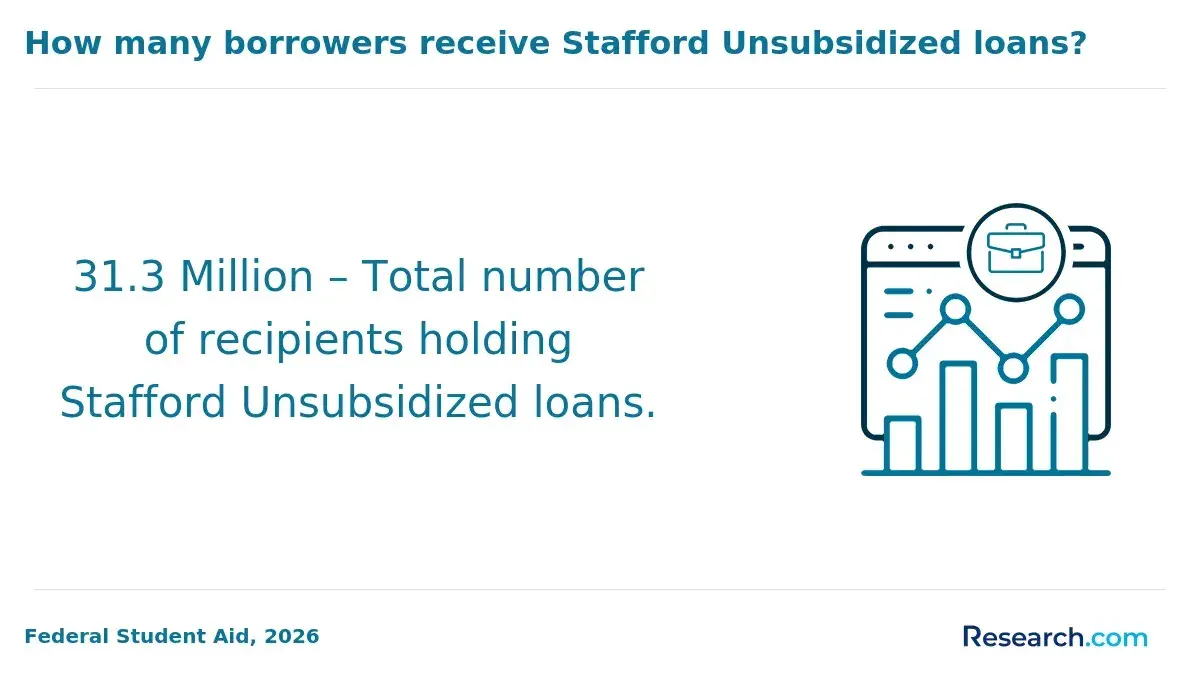
Students seeking a second bachelor's degree can utilize various federal student loans designed for different financial needs. Key options include Direct Subsidized Loans, Direct Unsubsidized Loans, and Direct PLUS Loans. Subsidized loans are need-based but generally restricted to first-time undergraduates, so eligibility depends on prior loan history and current undergraduate status. Direct Unsubsidized Loans, which are available regardless of financial need, typically apply to both undergraduate and graduate students. Federal PLUS Loans offer additional borrowing opportunities for parents or graduate students and may assist when other aid falls short.
Private loan options for additional undergraduate degree study are available but often involve a credit check and possibly a cosigner. Interest rates tend to be higher than federal loans, and repayment terms vary by lender, making careful comparison important. Refinancing existing loans is a possibility but may cause loss of federal benefits.
Data from NCES shows about 38% of first-time, full-time undergraduates took federal loans in 2020-21, down from 50% in 2010-11. This decline could impact access to federal student loans for second bachelor's degree students due to stricter eligibility or changed borrowing behavior.
Students should review their federal loan limits and prioritize federal options before considering higher-cost private loans. Additionally, understanding whether can student loans pay rent is important when planning overall finances.
Are you eligible for federal student loans when pursuing a second bachelor's degree?
You are eligible for federal student loans for a second bachelor's degree if you meet certain conditions. The U.S. Department of Education permits federal loans when the second degree is pursued at an eligible institution and you have not exceeded federal borrowing limits. This eligibility applies to both Direct Subsidized and Unsubsidized Loans.
Federal student loan eligibility requirements for a second undergraduate degree include aggregate borrowing limits. Dependent undergraduates have a total limit of $31,000 for all undergraduate degrees combined, while independent undergraduates have a limit of $57,500. These limits do not reset with a second degree.
If you reached these limits during your first degree, you cannot borrow more for a second bachelor's. For example, a dependent student who borrowed $20,000 previously can still borrow up to $11,000, and an independent student who used $40,000 can borrow an additional $17,500. Federal work-study and Pell Grant benefits may not apply to a second degree, making loans the primary federal aid option.
It is essential to verify your borrowing status through the National Student Loan Data System (NSLDS) to understand your remaining eligibility. Also, keep track of the FAFSA deadline, as timely application affects loan disbursement. If federal loans fall short, consider private loans or scholarships to finance your studies.
How do borrowing limits work if you already used loans for a first bachelor's?
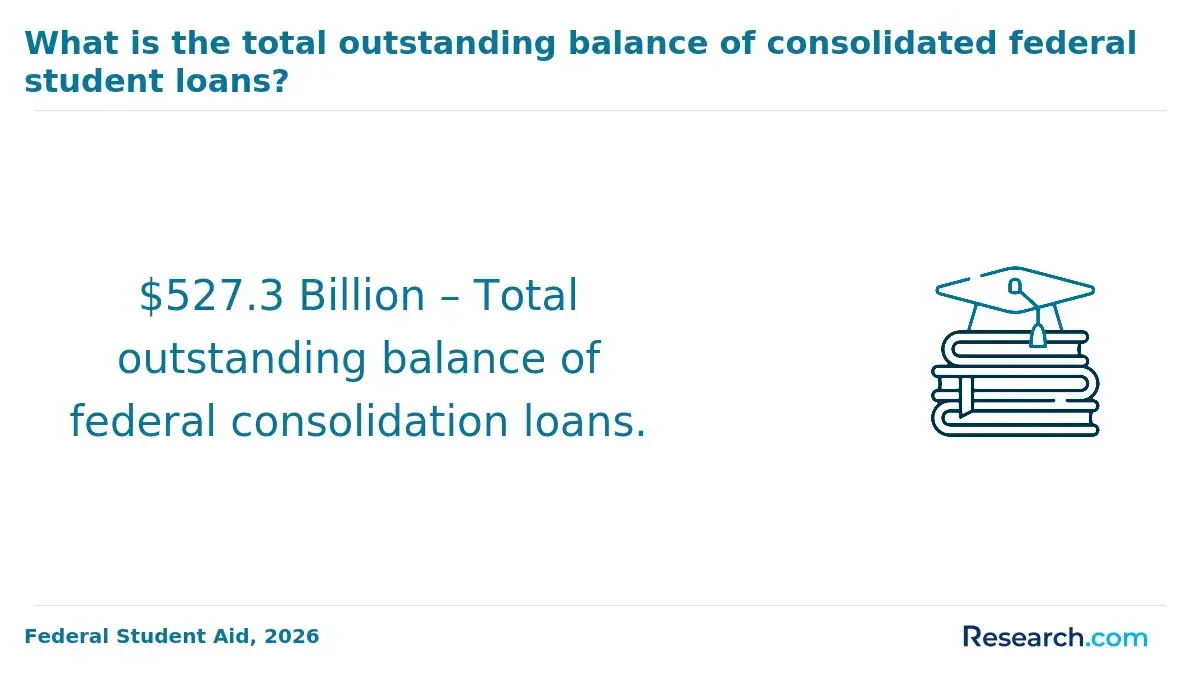
Borrowing limits for student loans depend heavily on how previous student loans affect borrowing limits for additional degrees. Specifically, federal loan eligibility for pursuing a second bachelor's degree is generally more restrictive due to aggregate loan limits that include any prior borrowing. For instance, the Undergraduate Direct Loan aggregate cap is $57,500 for dependent students and $92,500 for independent students, counting all loans taken for a first degree. If your borrowing is already near these limits, federal loan eligibility will be reduced or exhausted when seeking a second bachelor's degree.
When federal undergraduate loans are maxed out, options like Federal Parent PLUS or Grad PLUS loans remain, although these come with higher interest rates and different qualification requirements. Private loans also have limits typically based on creditworthiness and cost of attendance, but access may shrink if federal aid eligibility ends. Among private nonprofit 4-year schools, the share of undergraduates receiving loans fell from 64% in 2010-11 to 53% in 2020-21, highlighting how quickly borrowing access can decline even before graduation.
To maximize borrowing opportunities for a second bachelor's, keep these points in mind:
- Check your existing federal loan balances through the National Student Loan Data System.
- Ask your financial aid office how your prior borrowing affects current federal loan eligibility.
- Explore alternative funding such as scholarships or employer tuition assistance.
- Be aware that exceeding federal limits often means relying on private loans with less favorable terms.
For families considering additional borrowing, researching the best loans for parents of college students can provide valuable insights into cost-effective options and loan structures.
How do federal and private student loans compare for a second bachelor's?
Federal and private student loans differ notably for students pursuing a second bachelor's degree. Federal loans limit borrowing mainly to undergraduate aid since Graduate PLUS loans aren't available for a second bachelor's program. Instead, students rely on Federal Direct Subsidized and Unsubsidized Loans, which are subject to aggregate borrowing caps applying across all undergraduate education, including a second bachelor's degree. This can restrict available funding depending on previous loans.
By contrast, private student loans tend to have fewer regulatory protections but usually offer higher borrowing limits without specific aggregate caps for undergraduates. These loans are often used to cover funding gaps after federal aid is exhausted, though they typically carry higher, variable interest rates and lack federal forbearance or income-driven repayment options.
When comparing federal vs private student loans for second bachelor's degree funding, it is important to keep in mind:
- Federal loans have fixed interest rates and offer flexible repayment plans tailored to financial situations.
- Private loans often require creditworthy cosigners and may demand immediate repayment after graduation.
- Eligibility for federal undergraduate loans depends on not exceeding aggregate borrowing limits from earlier loans.
A student with prior borrowing near the federal loan cap may have limited federal aid for a second degree and need to consider private loans. Those with low prior borrowing can maximize federal loans' benefits first. For further guidance on managing student debt, exploring the best banks for student loan refinancing can be useful when planning repayment.
Understanding the comparison of federal and private loans for second bachelor's degree programs helps students make informed decisions and balance financing options effectively.
How do you apply for student loans for a second bachelor's program?
Complete the Free Application for Federal Student Aid (FAFSA) early to apply for student loans for a second bachelor's degree. Federal loans are available if your program is degree-seeking and you meet enrollment requirements. Since some aid is limited and awarded on a first-come, first-served basis, timely submission is essential. Be sure to provide accurate details about your income, assets, and previous education.
After submitting FAFSA, review the financial aid offer from your school, which may include Direct Subsidized or Unsubsidized Loans. If federal aid isn't enough to cover your costs, private student loans are an option. Private lenders focus heavily on creditworthiness, affecting rates and loan terms considerably. According to NerdWallet, private loan APRs vary widely and include both fixed and variable rates, so comparing lenders helps find the best deal.
When applying for private loans, gather necessary documents such as proof of income, credit reports, and enrollment confirmation. Look for lenders offering competitive APRs and flexible repayment options, including deferment or forbearance for financial hardship.
Check with your school's financial aid office for specific loan eligibility as rules may vary by institution or state. Keep in mind that undergraduate loan borrowing limits are cumulative, so limits may apply when obtaining loans for a second bachelor's degree.
Loan terms for a second degree typically align with first undergraduate loans, but lender policies differ. Consult financial aid counselors to maximize federal aid eligibility before considering private credit-dependent loans.
- Submit FAFSA early to secure federal aid
- Compare private lender APRs and terms
- Gather documentation for loan applications
- Consult your school's financial aid office
What interest rates and fees should you expect on second bachelor's loans?
Interest rates for loans to pursue a second bachelor's degree vary by loan type and lender. Federal student loans offer fixed rates, such as around 5.50% for Direct Unsubsidized Loans. Many students qualify if they haven't maxed out federal loan limits. Private loans, which often cover additional costs, feature variable rates ranging from 3% to over 12%, influenced by credit scores and lender policies.
Loan fees also affect overall cost. Federal loans typically deduct origination fees near 1.057% from disbursed amounts. Private lenders might charge application or processing fees, sometimes adding hundreds of dollars upfront. Unlike federal options, private loans rarely provide forgiveness or flexible repayment choices.
Students should be mindful of federal aggregate borrowing limits that cap total loans across degrees, which can restrict funds for a second degree. Private loans can fill funding gaps but at higher risk due to fluctuating interest rates.
Evaluating return on investment is important. For example, graduates from institutions like UC Berkeley face an average net yearly cost after aid of about $15,329, illustrating potential value despite borrowing.
- Federal loans offer fixed interest and lower fees.
- Private loans have variable interest and possibly higher fees.
- Credit scores impact private loan rates significantly.
- Loan forgiveness and repayment flexibility are mostly federal benefits.
Which repayment options are best when you already have undergraduate student debt?
Income-driven repayment (IDR) plans offer the most practical repayment solution for those pursuing a second bachelor's degree while carrying existing undergraduate debt. These plans calculate monthly payments based on your income and family size, often significantly lowering your payment amount and easing financial strain. This flexibility helps avoid unaffordable fixed payments and reduces default risk.
The main IDR options include Revised Pay As You Earn (REPAYE), Pay As You Earn (PAYE), Income-Based Repayment (IBR), and Income-Contingent Repayment (ICR). REPAYE stands out by providing the widest eligibility and interest subsidies, covering both undergraduate and graduate loans-beneficial if your new loans are graduate-level while older loans stem from your first degree.
While refinancing may look appealing to merge old and new loans for a better rate, it requires caution. Private refinancing usually demands rolling all federal loans into one, forfeiting federal benefits like IDR and loan forgiveness. Borrowers with high debt in expensive majors, according to Education Data Initiative, benefit more from federal protections and options.
Additional approaches include:
- Requesting deferment or forbearance during financial hardships, keeping in mind that interest often accrues.
- Using employer tuition assistance or repayment programs to lower your debt.
- Coordinating with loan servicers to manage all loans under your selected repayment plan effectively.
Can you qualify for loan forgiveness or PSLF with a second bachelor's degree?
You may qualify for Public Service Loan Forgiveness (PSLF) with a second bachelor's degree if you have Direct Loans and work full-time in a qualifying public service role. PSLF requires 120 qualifying payments, which don't need to be consecutive but must be made on eligible repayment plans such as income-driven plans. If your second degree loans come from FFEL or Perkins programs, consolidating them into a Direct Loan is necessary for PSLF eligibility.
Federal forgiveness programs do not typically cover private student loans taken for a second bachelor's degree. Since federal loan limits can restrict borrowing for those with significant debt, private loans have become a common alternative but remain excluded from most federal forgiveness options.
To maximize forgiveness potential, consider these actions:
- Confirm that your loans are Direct Loans or plan to consolidate others.
- Work in qualifying public service jobs, such as government or nonprofit roles.
- Enroll in an income-driven repayment plan and keep detailed payment and employment records.
If you only have private loans, employer-based repayment assistance or refinancing might be necessary. Accurate record-keeping will help you track forgiveness eligibility across multiple degrees and loans.
Should you refinance or consolidate old loans when starting a second bachelor's?
Deciding whether to refinance or consolidate old student loans before pursuing a second bachelor's degree depends on your financial situation and loan types. Refinancing replaces your current loans with a new private loan, often offering a lower interest rate but sacrificing federal benefits such as income-driven repayment plans and loan forgiveness.
Consolidation combines multiple federal loans into one payment, maintaining federal protections but often extending repayment periods and increasing total interest costs.
- Refinancing is beneficial if your current loans have high interest rates and you qualify for lower private rates based on credit and income.
- Consolidation suits those managing several federal loans aiming for simpler payments while keeping federal benefits intact.
- Loans predating 2010 may benefit more from consolidation due to eligibility for older forgiveness rules.
Your choice should balance potential interest savings with access to federal protections. For example, reducing a 6% federal loan to a 4% private loan may save money but risks losing income-driven repayment options valuable during hardship.
Trends show the average annual loan amount for first-time, full-time undergraduates decreased from $8,400 in 2010-11 to $7,700 in 2020-21, reflecting shifts that may influence loans for additional degrees.
Always review your loan terms, benefits, and repayment goals carefully before deciding.
How can you minimize borrowing and out-of-pocket costs for a second bachelor's?
Minimizing borrowing and out-of-pocket expenses for a second bachelor's degree involves careful planning and using available funding options. Targeted scholarships and grants that don't require repayment can significantly reduce costs. Many private organizations and institutions offer funding for students pursuing additional degrees in high-demand fields. Federal aid, including Pell Grants, might still be accessible depending on your financial situation and enrollment status.
Cut costs by attending public or in-state universities, or start at community colleges where credits often transfer to bachelor's programs. Accelerated degree options and credit-by-examination programs like CLEP can shorten study time and reduce expenses. Consider working part-time or enrolling in work-study programs to offset costs without increasing debt.
- Prioritize income-driven repayment plans and loan forgiveness options aligned with your career path.
- Evaluate the return on investment for your chosen second degree to ensure manageable loan repayment.
- Explore refinancing or consolidating existing debt to lower interest payments.
UC Berkeley reports a 1.7% student loan default rate among statistics bachelor's students compared to the 10.1% national average, demonstrating the benefits of informed borrowing and proactive repayment (College Factual). Stay in contact with your school's financial aid office to access tailored opportunities and updated cost-saving resources designed for second-degree seekers.
Other Things You Should Know About
Yes, student loans can typically be used to cover living expenses in addition to tuition and fees when enrolled in an eligible program. Both federal and private loans often allow borrowers to include room and board, transportation, and other education-related costs in the total amount borrowed. However, the exact amount available for living expenses depends on your school's cost of attendance calculation.
Interest rates on federal student loans are set by the government and determined annually for new loans, so rates do not directly change because you are pursuing a second degree. For private loans, interest rates depend on the lender's terms and can vary based on your creditworthiness and market conditions. It is important to compare current rates before borrowing again.
Having a prior bachelor's degree can affect your eligibility for some types of aid but does not automatically disqualify you from receiving federal or private student loans for a second degree. Certain grants and scholarships may have restrictions, but federal student loans remain broadly available for enrolled students in qualifying programs. Always check specific aid requirements with your financial aid office.