2027 Can Student Loans Pay for Moving Expenses?

Student Finance & Loan Expert
Many graduate students face unexpected moving expenses when relocating for school or work. These costs can strain a tight budget, especially when juggling tuition, books, and daily living expenses. Understanding whether student loans can legally and practically cover moving fees is crucial for financial planning. This article explores the rules surrounding the use of student loans for moving expenses. It aims to clarify when and how these funds may be used to ease relocation costs, helping readers make informed decisions about their educational financing options.
- Can student loans be used to pay for moving expenses when starting college? Moving expenses
- Which types of student loans, federal or private, allow funds for relocation costs? Loan types
- How do schools define cost of attendance and does it cover moving and housing setup? Cost of attendance
- What moving and living expenses are typically allowed or disallowed under federal student aid rules? Allowed costs
- How are student loan refunds disbursed, and can you use them for off-campus moving costs? Loan refunds
- What strategies can reduce borrowing if you need loans to help with moving costs? Borrow less
- How do interest rates and repayment terms affect borrowing extra for relocation expenses? Interest impact
- Are there grants, scholarships, or emergency aid that can help cover moving expenses instead of loans? Non-loan aid
- How will using student loans for moving affect your repayment, forgiveness, and consolidation options later? Future repayment
- What questions should you ask your financial aid office before borrowing for moving costs? Ask aid office
Can student loans be used to pay for moving expenses when starting college?
Student loans in 2026 generally cannot be used directly to pay for moving expenses when starting college. Federal student loans cover expenses strictly defined within the "cost of attendance" (COA), including tuition, fees, books, supplies, room and board, transportation, and certain personal expenses approved by the financial aid office. Moving costs alone are not a listed category, but students may be able to use loan funds for relocation expenses if these fall under transportation or personal expenses within the COA.
For example, if a college includes a travel allowance between home and campus, it might cover moving-related expenses like shipping belongings or travel tickets. This depends on the specific COA breakdown and the school's financial aid policies. Private or nonfederal loans often have similar restrictions but sometimes offer more flexibility based on the lender's terms.
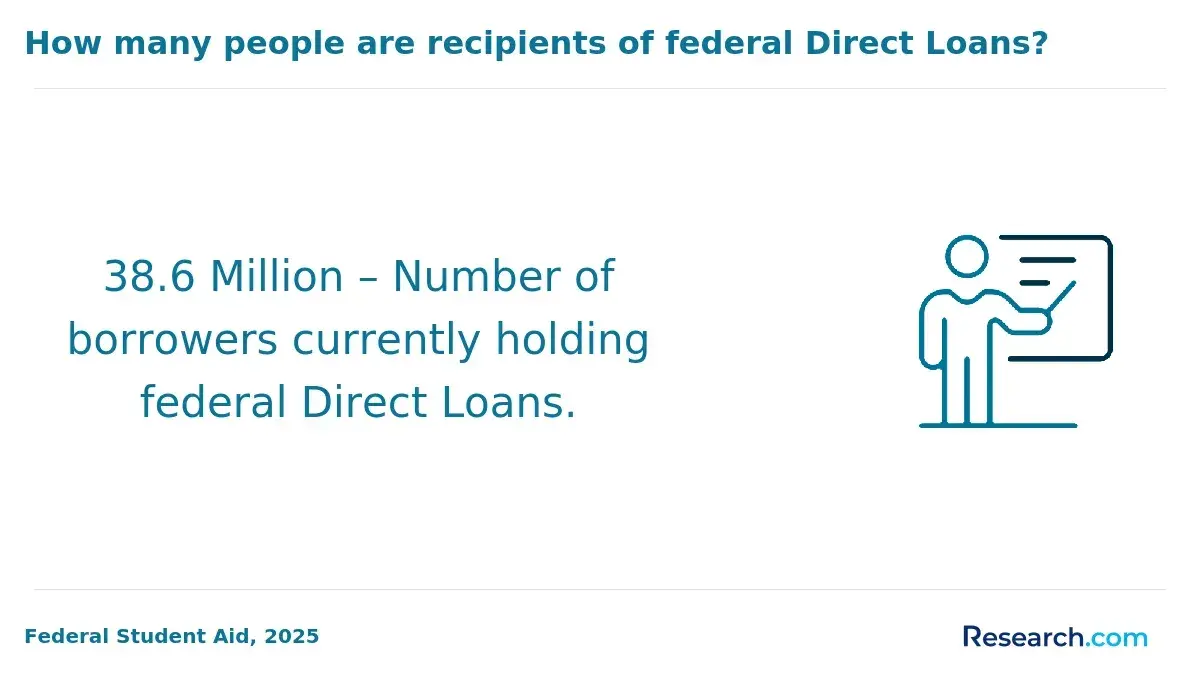
Borrowers must remember that total loans cannot surpass the institution's COA limit. LendingTree reports that in the 2024-25 academic year, about $102.6 billion in education loans were borrowed, consisting of 44% federal unsubsidized, 15% subsidized, 15% Grad PLUS, 14% private/nonfederal, and 12% Parent PLUS loans. Students should consult their financial aid office to verify if any transportation or personal expense allowances can include moving costs and explore options like student loans for housing costs.
Which types of student loans, federal or private, allow funds for relocation costs?
Federal student loans for moving expenses are generally not permitted, as funds are allocated strictly for tuition, fees, room and board, books, supplies, and other education-related costs defined within the school's cost of attendance (COA). While some colleges include a modest transportation allowance-averaging about $1,720 at public four-year and $1,810 at private nonprofit four-year institutions-this usually falls short of full relocation expenses.
In contrast, private student loan relocation cost coverage can be more flexible. Private loans are not bound by federal restrictions, so borrowers may use funds for moving expenses if their lender allows it. Policies vary widely, so checking the loan agreement is essential. Some lenders restrict funds to direct education costs, while others permit broader uses, including moves related to school or internships.
Students managing relocation costs should explore other funding options such as personal savings, moving-specific grants or scholarships, and emergency aid from schools. Additionally, federal work-study or part-time jobs can help offset expenses incrementally. For those seeking advice on broader financing options, learning how to pay for college without parents can provide useful strategies.
How do schools define cost of attendance and does it cover moving and housing setup?
The cost of attendance (COA) that schools calculate includes tuition, fees, books, supplies, transportation, and a standard allowance for housing and food. However, COA typically reflects ongoing living costs rather than initial moving and housing expenses such as security deposits, furniture purchases, or utility activation fees. These upfront relocation expenses generally are not included in the COA or covered by federal student loans.
Most federal loans require schools to certify COA precisely, restricting funds to standard academic-year expenses. While monthly rent may be factored into COA, initial move-in costs like deposits and utility hookups usually are excluded. This limitation is important when considering how schools calculate cost of attendance for students and the financial aid available.
Private student loans, which make up about 8% of total student debt, often offer more flexible terms with fewer restrictions on the use of funds. Students may use private loans to cover moving expenses or housing setup, but this depends on the lender and typically involves higher interest rates than federal loans.
Students who face significant upfront relocation costs should discuss COA details with their financial aid office and carefully consider private loan options or alternative financing. Budgeting for deposits, furniture, and utility setup usually requires personal savings. For those exploring financial options, certain student loan refinance bonus programs can offer added financial benefits in managing debt.
What moving and living expenses are typically allowed or disallowed under federal student aid rules?
Federal student aid allows borrowing for certain moving and living expenses when included in your cost of attendance (COA). Eligible moving costs cover reasonable transportation of belongings and initial relocation fees directly tied to campus attendance or internships. These expenses must be documented and stay within your COA as set by your financial aid administrator.
Allowed living expenses include rent, utilities, food, and off-campus housing costs usually reflected in the COA. Students can borrow for first month's rent, security deposits, meal plans, or groceries if these are part of their budget. However, disallowed moving and living expenses covered by federal student aid exclude personal lifestyle costs not related to education, such as luxury furnishings or vacations. Expenses exceeding the approved COA-like higher-than-budgeted rent or moving costs for family members-are also not covered. Incidental or discretionary spending should never be financed with federal student aid.
Room and board plus other living expenses represent roughly 58% of the published COA for in-state students at public four-year colleges. This highlights that a significant portion of federal loans support essential housing and living costs needed for enrollment, not personal spending. For those interested in managing debt options afterward, student loan refinancing through banks can be a helpful resource to explore.
Understanding allowed and disallowed student loan moving costs under US federal rules helps ensure funds are used correctly and supports successful financial planning while studying.
How are student loan refunds disbursed, and can you use them for off-campus moving costs?
Student loan refunds occur when the total loan amount exceeds tuition and fees, with the leftover funds returned directly to the student, usually by check, direct deposit, or prepaid card. These refunds can legally be used for education-related costs beyond tuition, such as off-campus moving expenses like deposits, rent, transportation, or storage fees. Schools typically do not require proof of how refunds are spent.
It is common for students relocating for internships, jobs, or clinical placements to use these refunds to cover expenses such as first and last month's rent or travel costs associated with moving. However, students must budget carefully since all loan money must eventually be repaid with interest.
- As of the fourth quarter of 2025, 10.0% of federal student loan dollars were delinquent.
- 1.62% of private student loan dollars were in default, reflecting repayment challenges for borrowers using loans beyond tuition and essentials (Education Data Initiative, Student Loan Debt Statistics 2026).
Borrowers should consider alternatives like employer relocation assistance, personal savings, or family support to lessen loan reliance. Balancing the immediate need for moving funds against future repayment capability can help avoid financial stress. This perspective aligns with best practices outlined by sources such as Education Data Initiative.
What strategies can reduce borrowing if you need loans to help with moving costs?
Students facing moving expenses should seek alternatives to loans first. Using savings dedicated to relocation can reduce the need to borrow. Other options include asking for financial help from family or checking if an employer offers relocation benefits. Applying for scholarships or grants from academic programs or regional groups also supplies funds that don't require repayment.
Negotiating with the financial aid office at the new institution may uncover additional bursaries or emergency grants specifically for moving costs. To minimize expenses, consider downsizing belongings, choosing affordable shipping options, or selecting lower-cost housing close to campus or work. Moving during off-peak seasons can also lower costs.
If loans are necessary, Grad PLUS loans are an option for graduate and professional students who often relocate. These loans cover larger amounts and accounted for 15% of new federal student and parent borrowing, according to LendingTree data. Combining smaller federal loan amounts with strict budgeting can help limit debt.
Students should consider refinancing or consolidating existing loans to improve monthly cash flow and avoid borrowing excessively for moving. Careful planning and exploring all available resources reduces total borrowing and eases financial strain related to relocation.
How do interest rates and repayment terms affect borrowing extra for relocation expenses?
Interest rates and repayment terms directly impact the cost and manageability of borrowing additional student loans for moving expenses. Federal student loan interest rates, which are fixed annually, typically range from about 4% to 7% for undergraduates and are generally lower than private loan rates. However, borrowing extra funds for relocation increases both the principal and the accrued interest over time, especially when interest rates are higher.
Repayment plans influence monthly payments and loan duration. Standard plans last about 10 years, while income-driven repayment options can extend this to 20 or 25 years with lower monthly payments. Although extending repayment periods reduces monthly costs, it can increase the total amount paid in interest. Careful financial planning is necessary to balance these factors when borrowing extra for moving.
The rise in online education has lessened the need for many students to move. Since 2012, undergraduates taking at least one distance-education course have increased from 26% to 60%, and those enrolled exclusively online have risen from 6% to 29%, according to the National Center for Education Statistics (Digest of Education Statistics 2024). This shift reduces relocation expenses but does not eliminate them for all students.
- Estimate realistic moving costs before increasing loan amounts
- Prefer federal loans to benefit from lower fixed interest rates
- Consider income-driven repayment plans to handle increased loan balances
- Avoid private loans with variable interest rates that could raise costs
Thoughtful assessment of interest rates and repayment options helps keep added debt manageable when borrowing for relocation.
Are there grants, scholarships, or emergency aid that can help cover moving expenses instead of loans?
Grants, scholarships, and emergency aid can help cover moving expenses, but these funds are limited and often not specifically meant for relocation costs. Many colleges offer emergency grants for students facing urgent financial needs, including moving expenses. These awards are usually one-time and must be requested through a school's financial aid or student affairs office, with eligibility and availability differing by institution.
Scholarships generally focus on tuition, books, and living expenses rather than moving costs. However, some merit-based or need-based scholarships provide stipends that students can use toward relocation. Additionally, private organizations and community groups may offer grants for students transferring from low-income backgrounds or underrepresented communities.
Federal student aid does not cover moving costs. While loans can be used for various expenses, including relocation, taking on debt should be a last resort. Choosing a community college or an in-state institution is a practical way to lower relocation expenses. For example, annual tuition and fees were $3,600 at public two-year colleges compared to $9,600 at public four-year schools in 2021-22, according to NCES data.
Students should explore campus resources, local nonprofits, and state-funded programs for emergency relief and employment options that may ease the financial burden of moving. Being proactive about available aid can make a significant difference when managing relocation costs.
How will using student loans for moving affect your repayment, forgiveness, and consolidation options later?
Using student loans for moving expenses impacts your overall federal loan balance, affecting repayment, consolidation, and forgiveness options. Although these loans follow the same terms as tuition loans, borrowing for non-educational costs reduces your ability to borrow in the future for educational purposes.
Income-Driven Repayment (IDR) plans and Public Service Loan Forgiveness (PSLF) consider your full federal loan balance. Additional borrowing for relocation raises monthly payments and prolongs the repayment period. For instance, borrowing an extra $5,000 could lengthen your repayment timeline by months or even years, depending on your income and plan choice.
Consolidating loans can combine moving expenses into your federal loan package but will not erase increased debt. Forgiveness plans require payments toward the total loan amount, so higher balances delay eligibility. Furthermore, increased borrowing may reduce your chances of qualifying for need-based grants or work-study programs by impacting your financial aid profile.
- Consider how extra debt influences monthly payments and total interest.
- Recognize that borrowing more postpones forgiveness benefits.
- Use available repayment calculators to estimate your financial outcome.
Even though about 28.6% of undergraduates accept federal loans, the annual growth rate of these loans is only 1.66%, suggesting many borrowers carefully evaluate the long-term effects of using loans for moving or living expenses (Education Data Initiative, Student Loan Debt Statistics 2026).
What questions should you ask your financial aid office before borrowing for moving costs?
Before using student loans to cover moving expenses, confirm with your financial aid office whether your institution allows loan funds to be used for relocation costs. Some schools restrict loans exclusively to tuition and fees, so check their policies carefully.
Ask about alternative financial aid options targeting housing or living costs. Emergency grants or short-term loans may be available and could reduce your overall debt burden compared to borrowing additional student loans.
Consider how borrowing for moving affects your total loan eligibility. Federal student loans have annual and aggregate limits, so using funds now for relocation decreases the amount available for future tuition or educational expenses.
Clarify the timing of loan disbursements related to moving. Knowing whether the funds arrive before or after relocating helps you plan payments to landlords or moving companies.
Keep in mind recent trends in student loan borrowing: federal student loan borrowers declined slightly, but annual borrowing increased to $102.6 billion in 2024-25. These shifts in borrowing and repayment policies may impact the availability of loans for housing-related costs.
Be sure to ask about any tax implications and required documentation when applying student loans to moving expenses to maintain compliance and simplify loan management.
Other Things You Should Know About
Student loans may indirectly help with deposits or initial housing fees if those costs are included in your school's cost of attendance budget. When financial aid funds are disbursed beyond tuition and fees, you can use the refund to pay for such expenses. However, these costs must be allowable under your institution's policies and incorporated into your overall financial aid package.
Private student loans vary by lender and often have stricter restrictions on how funds can be used. While some private loans disburse directly to the borrower, they typically expect funds to be used for educational costs, and misusing the money could violate loan terms. It's important to review your loan agreement carefully before allocating funds toward moving expenses.
In 2027, borrowing beyond your educational expenses can lead to excess funds that must be returned. It may also increase your debt burden without distinct benefits and affect your eligibility for need-based financial aid.
Using student loans to cover moving expenses does not directly affect your eligibility for future financial aid. However, increasing your overall loan balance could influence your borrowing limits and debt-to-income ratios when applying for additional aid or repayment plans. Maintaining clear communication with your financial aid office ensures you understand how current borrowing might affect you later.