2027 Best Finance Graduate School Loans

Student Finance & Loan Expert
Many aspiring finance graduate students face the challenge of securing affordable loans to cover rising tuition and living expenses. With undergraduate degrees in unrelated fields, these students often encounter limited loan options and confusing terms, making it hard to fund their education without excessive debt. Navigating interest rates, repayment plans, and lender reputation adds complexity to an already stressful process. Understanding the best loan choices tailored to finance graduate programs can significantly ease financial burdens. This article explores top graduate school loans, helping readers identify suitable options that align with their career goals and financial situations for a smarter borrowing decision.
- What are the main types of graduate school loans and how do they work? What are the main
- How do federal and private graduate student loans compare for financing a master's or PhD? How do federal and
- How can you choose the best graduate school loan based on rates, terms, and protections? How can you choose
- What are the eligibility and credit requirements for federal and private graduate loans? What are the eligibility
- How do you apply for graduate school loans, including FAFSA and Grad PLUS step? How do you apply
- What interest rates, fees, and borrowing limits apply to graduate student loans? What interest rates, fees,
- How do graduate loan repayment options affect monthly payments and total costs? How do graduate loan
- What loan forgiveness and cancellation programs are available for graduate borrowers? What loan forgiveness and
- When should graduate borrowers consider refinancing or consolidating their student loans? When should graduate borrowers
- How can you manage graduate student debt, avoid default, and protect your credit? How can you manage
What are the main types of graduate school loans and how do they work?
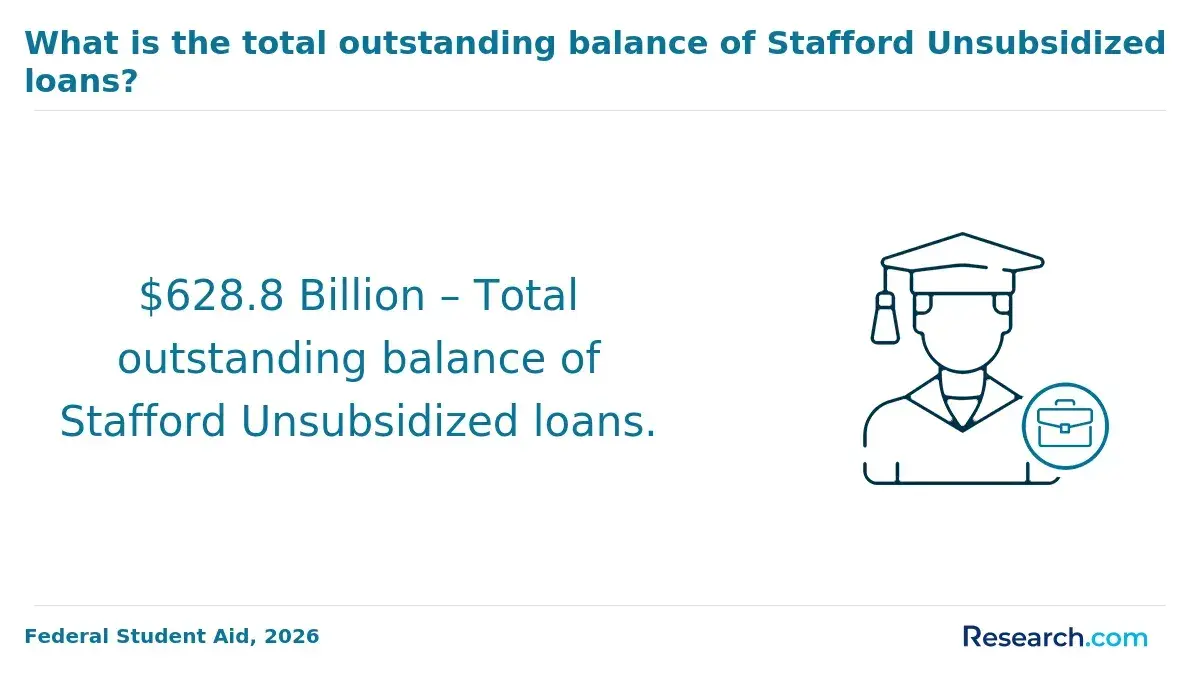
Graduate school loan options in the United States include federal direct unsubsidized loans, federal graduate PLUS loans, and private loans, each designed for distinct borrower needs. Federal direct unsubsidized loans have a fixed interest rate of about 7.05% and do not require a credit check. Interest accrues during study, increasing the total repayment amount, with annual limits up to $20,500, suitable for partial tuition financing.
Federal graduate PLUS loans cover remaining expenses beyond unsubsidized loans and other aid. They carry a higher fixed interest rate around 8.05% and require a credit check, though the requirements are less strict than for private loans. Borrowers may finance up to the total cost of attendance minus other aid, with repayment generally starting 60 days after disbursement but with deferment options during study.
Private loans, offered by various lenders, have interest rates ranging from 5% to over 13%, influenced by creditworthiness and market conditions. Unlike federal loans, private ones usually lack protections like income-driven repayment or deferment. It's important to carefully assess these loan types, considering terms and benefits to align with your financial goals and career prospects.
Borrowers should also consider potential graduate income when deciding on loans. For example, graduates of U.S. master's in finance programs earned a median starting salary of $85,000, justifying fixed federal rates over uncertain private terms.
Additionally, explore options for student loans for living expenses to cover costs beyond tuition when managing graduate school funding.
How do federal and private graduate student loans compare for financing a master's or PhD?
Federal graduate student loans offer fixed interest rates and borrower protections that private loans generally do not. For example, Direct Unsubsidized Loans have interest rates set by Congress, currently below 7%, and provide benefits such as income-driven repayment plans and loan forgiveness programs. These features can reduce monthly payments based on income or public service work, alleviating financial pressure after graduation.
Private loans have interest rates that vary widely, often based on credit scores and co-signers. They may have fixed or variable rates, sometimes initially lower than federal loans but liable to increase over time. Unlike federal loans, private lenders seldom provide income-based repayment or forgiveness options, making them less accommodating for borrowers facing financial hardship or career changes. Comparing federal and private loans for master's and PhD financing is crucial to making an informed choice.
The cost of attendance for master's-level finance programs at private universities averaged $78,900 in 2024-25, according to the College Board. Many students borrow to cover these expenses, so federal loans remain preferable for managing large debt loads. Federal loans also allow deferment or forbearance during economic difficulties-options rarely available with private loans.
Students with strong credit and a reliable cosigner might qualify for attractive private loan rates but should closely examine terms and repayment options. Combining federal loans for most costs with private loans as a last resort is a wise strategy. For guidance on timing, consider when should you apply for student loans.
How can you choose the best graduate school loan based on rates, terms, and protections?
Federal student loans generally have fixed interest rates around 7%, which are often lower than those for private loans that range from 5% to over 13%, depending on creditworthiness. Choosing graduate school loans with low interest rates helps reduce the total repayment burden over time. Loan terms are also important; federal loans offer flexible repayment options like income-driven plans and deferment, while private loans typically require consistent monthly payments with fewer borrower protections.
Federal borrowers benefit from protections such as loan forgiveness programs, including Public Service Loan Forgiveness (PSLF), which private loans usually lack. According to the Consumer Financial Protection Bureau's 2024 Student Loan Market Report, 56% of graduate students use a combination of federal and private loans to optimize both cost and flexibility. This mix can be especially helpful for students seeking the best graduate student loans with flexible repayment terms.
Before committing, evaluate your credit profile and consider potential co-signers to get better private loan rates. Also, review lender policies on repayment flexibility and any penalties for early payoff.
Practical steps include:
- Calculating total expected cost, including interest and fees, for each loan choice.
- Assessing repayment plan options and borrower protections.
- Considering a balanced loan strategy based on financial stability.
Additionally, exploring scholarships for returning students can supplement loan funding and reduce overall debt.
What are the eligibility and credit requirements for federal and private graduate loans?
Federal graduate student loans require enrollment at least half-time in an eligible program at a qualified U.S. institution. Direct Unsubsidized Loans carry no credit check but require the borrower to be current on federal student loans. Grad PLUS Loans have credit criteria for finance graduate school loans that include a credit check ensuring no adverse history, though applicants with negative reports can still qualify with a cosigner or extenuating circumstances.
Private graduate loans impose more stringent credit requirements, typically needing strong credit scores above 650 or a qualified cosigner with good credit. These lenders evaluate income, debt-to-income ratios, and credit history thoroughly. Eligibility depends on enrollment status and program type but tends to be less restrictive than federal loans. Applicants with poor credit or limited histories may have difficulty qualifying without a cosigner. Some lenders provide credit-builder options or flexible criteria, but these loans often carry higher interest rates.
Interest rates for graduate loans reflect these credit risk differences. Direct Unsubsidized Loans have a fixed 7.05% rate, and Grad PLUS Loans have 8.05%, according to the U.S. Department of Education's 2025-26 rate notice. Private loan rates vary widely, often falling below federal rates for excellent credit but rising significantly for riskier profiles. For many borrowers, exploring options for student loan refinancing through banks can provide lower rates and better terms.
How do you apply for graduate school loans, including FAFSA and Grad PLUS steps?
Start your graduate school loan process by submitting the Free Application for Federal Student Aid (FAFSA) as early as October 1 before enrollment. FAFSA collects financial data to determine eligibility for federal aid like Direct Unsubsidized Loans, which don't require a credit check.
Next, graduate students can apply for a Grad PLUS Loan to cover remaining educational costs. This federal loan requires a separate application on the Federal Student Aid website and includes a credit check. Approval depends on having no adverse credit history.
Both applications need accurate personal, financial, and school information. Delays in submitting FAFSA may limit your aid options. Some institutions require additional financial documents or entrance counseling before releasing funds.
Private loans can be a supplemental option but usually come with higher interest rates and fewer protections than federal loans. Managing multiple loan applications involves coordinating different deadlines and repayment terms.
- Submit FAFSA early to maximize federal loan eligibility.
- Complete a separate application for the Grad PLUS Loan with credit approval.
- Provide all required documentation promptly to avoid delays.
- Consider private loans carefully as supplementary funding.
Financial decisions impact your future. According to the Financial Times Masters in Finance Rankings 2025, finance master's graduates from top 50 global programs see a 78% median salary increase three years post-graduation, reaching $138,000 average total compensation. Use this data to calculate your return on investment and manage borrowing wisely.
Stay in close contact with your school's financial aid office to verify loan awards and secure timely funding for tuition and living expenses.
What interest rates, fees, and borrowing limits apply to graduate student loans?
Graduate student loans offer interest rates primarily linked to Federal Direct Unsubsidized and Grad PLUS Loan programs. The fixed rate for Direct Unsubsidized Loans is about 7.05%, while Grad PLUS Loans have higher rates near 8.05%. Private loans vary significantly, typically from 5% to 13%, depending on the borrower's credit and lender terms. Federal loans provide more predictable rates and important borrower protections.
Federal graduate loans carry origination fees of roughly 4.228%, deducted upfront on both Direct Unsubsidized and Grad PLUS Loans. Private lenders may add application fees, late fees, or prepayment penalties, but these differ widely and should be reviewed carefully.
Borrowing limits for federal loans include:
- Up to $20,500 per academic year for Direct Unsubsidized Loans
- A total federal borrowing limit around $138,500, including undergraduate debt
- Grad PLUS Loans covering the full cost of attendance minus other aid, offering flexibility for expensive programs
Graduate students in finance and business exhibit strong repayment, with a three-year default rate of 1.8%, compared to 8.1% across all graduate borrowers. This suggests manageable risk when borrowing within recommended federal limits.
Students should balance the benefits of federal fixed rates and capped fees against private loan variability. Maximizing federal borrowing up to allowed limits helps secure affordable credit with vital protections, crucial for long-term financial health.
How do graduate loan repayment options affect monthly payments and total costs?
Graduate loan repayment plans significantly influence monthly payments and overall borrowing costs. Standard plans usually mean higher monthly payments but less total interest, while income-driven or extended plans lower payments by adjusting amounts based on income or lengthening the repayment period, often increasing total interest.
Income-driven repayment options like REPAYE and PAYE base monthly bills on a portion of discretionary income. These plans benefit graduates with lower or unstable incomes but typically extend repayment over 20 to 25 years, potentially doubling interest costs compared to standard plans. Graduates should balance the ability to afford higher monthly payments against the advantage of long-term savings.
International students represent 44% of U.S. master's in finance enrollments, with 63% relying on personal or family funds rather than federal loans, according to the Institute of International Education (IIE). This limits eligibility for income-driven plans, resulting in fixed repayment schedules with higher monthly costs. Private loans for these students often lack flexible repayment and may carry elevated interest rates.
Key considerations include:
- How repayment options affect cash flow during job changes or job searches.
- Potential loan forgiveness opportunities after 20 to 25 years under income-driven plans.
- The timing of interest capitalization, which varies by plan and can increase loan principal.
What loan forgiveness and cancellation programs are available for graduate borrowers?
Graduate borrowers in finance can benefit from various loan forgiveness and cancellation programs aimed at reducing debt under specific conditions. The most notable is the Public Service Loan Forgiveness (PSLF) program, which forgives federal student loans after 120 qualifying monthly payments made while working full-time for a government or nonprofit employer. This option suits those pursuing careers in public finance or nonprofit sectors.
Income-Driven Repayment (IDR) forgiveness plans, such as Revised Pay As You Earn (REPAYE) and Income-Based Repayment (IBR), offer forgiveness of any outstanding loan balance after 20 to 25 years of qualifying payments. These plans can significantly ease the long-term debt burden for graduate borrowers, especially when income grows gradually over time.
Teacher Loan Forgiveness may apply to finance graduates employed in low-income schools or educational service agencies, with forgiveness potential up to $17,500.
Additional relief can come from state-specific and employer-based programs targeting finance-related public service roles. Many states offer loan repayment assistance for professionals in these fields.
Merit-based scholarships and grants, reported by 53% of finance master's students, cover about 29% of tuition on average, which lowers initial loan amounts and aids repayment.
Borrowers should carefully review eligibility requirements, maintain proper employment records, and choose repayment plans early to optimize forgiveness opportunities.
When should graduate borrowers consider refinancing or consolidating their student loans?
Graduate borrowers may lower their monthly payments or total debt costs by refinancing or consolidating student loans when interest rates drop or repayment terms improve. Refinancing benefits those with improved credit scores or when market rates fall, allowing a shift from, for example, a 6% federal loan rate to a 4% private refinance rate, potentially saving thousands over time.
Consolidation, often through federal Direct Consolidation Loans, offers a single monthly payment and access to alternative repayment plans. This can extend repayment periods and increase total interest but helps combine multiple federal loans and may facilitate eligibility for income-driven repayment plans or Public Service Loan Forgiveness (PSLF).
Refinancing may not suit those pursuing public service or low-paying finance roles, as it can eliminate income-driven repayment options. A Brookings Institution analysis highlights that borrowers on income-driven plans are more likely to accept mission-driven careers. These federal benefits help manage repayments according to income and support career flexibility.
Consider refinancing when:
- Your current interest rate is at least 1% higher than refinance offers
- Your credit score and income qualify you for better terms
- You do not need federal benefits like income-driven repayment or forgiveness
Avoid refinancing if you:
- Plan employment in public or nonprofit sectors with variable income
- Value federal protections against economic hardship
- Wish to maintain eligibility for loan forgiveness programs
How can you manage graduate student debt, avoid default, and protect your credit?
Creating and sticking to a detailed budget that includes monthly loan payments alongside living expenses is crucial for managing graduate student debt effectively. Prioritize making at least minimum payments on all loans to maintain good standing and avoid default, which can severely harm your credit.
Income-driven repayment plans can adjust monthly payments based on your earnings, offering relief during times of low income or unemployment and reducing default risk. Refinancing or consolidating loans may lower interest rates, but carefully consider the loss of federal protections before making changes.
Communicate promptly with loan servicers if facing financial hardship. Options like deferment or forbearance provide temporary relief without default, though interest may continue to accrue. Staying aware of repayment terms and due dates is essential to avoid missed payments.
Using automatic payments can help ensure timely payments and may qualify you for interest rate reductions. Regularly monitor credit reports to confirm payments are recorded accurately and spot discrepancies early.
Long-term planning matters. Graduate borrowers in finance typically repay federal loans in about 13 years, shorter than the overall 17-year median. Setting realistic payoff goals encourages consistency and financial discipline.
- Pay extra when possible to reduce principal faster
- Avoid taking on large new debts that may hinder repayment
- Seek expert financial counseling tailored to graduate loans for personalized advice
Other Things You Should Know About
Graduate student loans in 2027 can typically cover a range of educational expenses beyond tuition. Students can use these funds for housing, books, transportation, and other essential costs, allowing them to focus on their studies without financial stress.
Dropping below half-time enrollment often triggers immediate repayment obligations on federal graduate student loans. For private loans, requirements can vary but many lenders also require repayment to begin if you are no longer enrolled at least half-time. It is important to notify your loan servicer about any changes in enrollment status to understand your options.
Most federal graduate student loans have a six-month grace period after graduation or when enrollment drops below half-time before repayment begins. Private graduate loans may or may not offer a grace period; terms depend on the lender. Borrowers should confirm the specific grace period with their loan servicer to plan accordingly.
Generally, federal graduate student loans are difficult to discharge in bankruptcy except in cases of severe and proven undue hardship. This makes them a long-term financial obligation that borrowers must consider carefully. Private loans also have limited bankruptcy discharge options but terms vary by lender and jurisdiction.