2027 Best Student Loan Refinance for Married Couples

Student Finance & Loan Expert
Married couples juggling multiple student loan payments often face confusion over interest rates, repayment terms, and the best refinancing options. Combining loans can be complex, especially when spouses have varying credit profiles and income levels. Without clear guidance, couples might miss opportunities to reduce monthly payments or total interest costs. This situation can lead to prolonged debt repayment and increased financial stress.
This article explores the best student loan refinance options tailored for married couples, focusing on strategies to optimize interest rates, streamline payments, and improve overall financial outcomes.
- What should married couples consider first when deciding whether to refinance student loans? Refinance basics
- How does refinancing joint student debt work for married couples specifically? How it works
- Should married couples refinance student loans together or keep them separate? Joint vs separate
- How do lenders evaluate married couples' income, credit, and debt-to-income for refinancing? Approval factors
- What are the pros and cons of refinancing federal loans as a married couple? Federal trade-offs
- How does refinancing affect marriage-based benefits like IDR, PSLF, and tax filing status? Marriage impacts
- What features define the best student loan refinance offers for married borrowers? Best features
- Which types of student loans can married couples refinance and which should they avoid? Eligible loans
- How can married couples compare refinance rates, terms, and lenders effectively? Compare offers
- What steps should married couples follow to apply and get approved for refinancing? Application steps
What should married couples consider first when deciding whether to refinance student loans?
Married couples considering student loan refinance options for married couples should first decide whether to refinance loans jointly or separately. Joint refinancing can secure lower interest rates if both partners have strong credit scores, but it also means both are bound to the loan terms and risks. Refinancing separately keeps control over individual loans and protects credit in case of divorce or financial instability.
The tax implications of refinancing student loans as a married couple are important to evaluate. Joint refinancing can affect eligibility for certain federal loan protections and potential tax benefits. Couples should also examine how refinancing fits into their long-term goals, such as buying a home, starting a family, or saving for retirement. For example, borrowers with student debt are significantly more likely to delay these milestones.
Before refinancing jointly, ask:
- Does one partner have a better credit score to qualify for lower rates?
- Can the new monthly payment fit comfortably within your combined budget?
- Are both partners committed to staying on the loan despite life changes?
- Will refinancing result in the loss of federal loan protections like income-driven repayment or forgiveness?
Comparing loan terms from multiple lenders, including fixed versus variable rates and repayment options, is essential. Some lenders offer joint refinancing with cosigner release after timely payments. Consulting a financial advisor can clarify tax implications and credit effects. For those interested in specific options, information about student loans for dental school can provide additional context.
How does refinancing joint student debt work for married couples specifically?
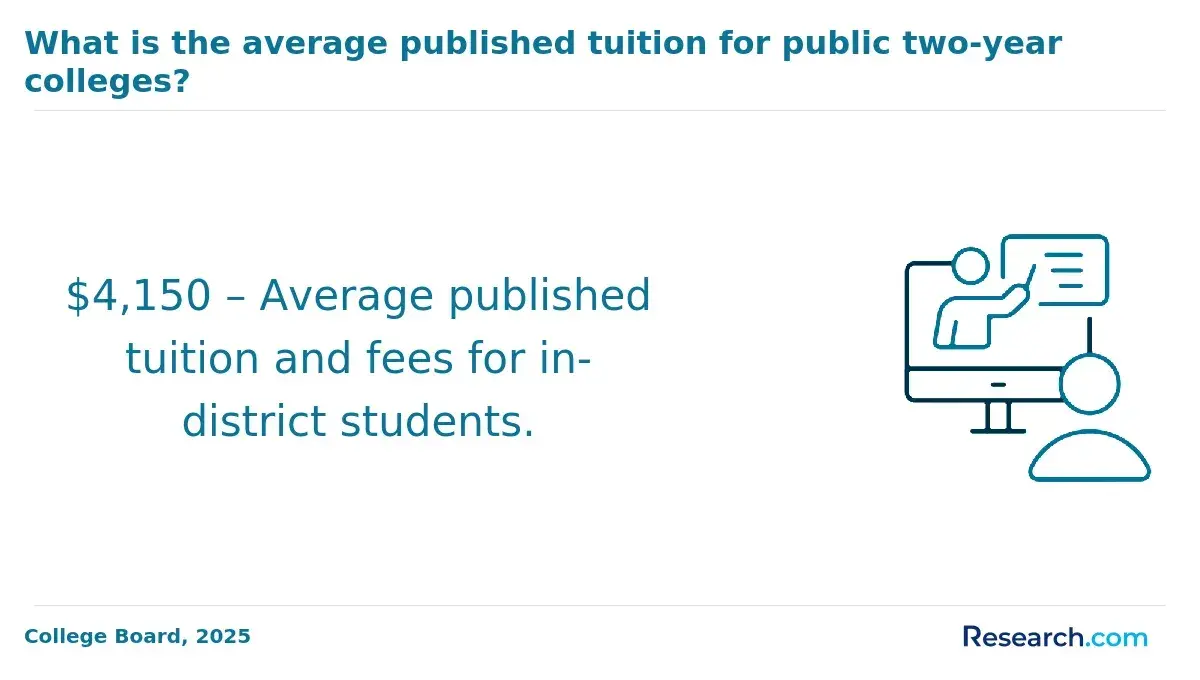
Refinancing joint student debt allows married couples to combine federal or private student loans under a single credit agreement, creating shared liability regardless of who originally took on the debt. This approach can improve eligibility and potentially secure a lower interest rate by qualifying based on combined incomes, credit scores, and financial histories. Couples with a combined student debt balance often exceed the $36,000 median reported by the Federal Reserve Survey of Household Economics and Decisionmaking, with 17% owing $50,000 or more and about 6% carrying at least $100,000. These figures highlight the financial benefits of refinancing to reduce overall costs.
How refinancing joint student debt impacts married couples credit scores is an important consideration. Both spouses become legally responsible for repayment, which can influence credit profiles positively or negatively depending on payment performance. Couples with diverse credit scores should carefully evaluate how joint refinancing might change their loan terms.
Benefits of joint student loan refinancing for married couples in the US include potentially higher approval chances and simplified payments. Key factors to consider include:
- Both partners assume shared legal obligation for the loan.
- Combined income qualification can increase loan amounts or improve rates.
- Refinancing federal loans to private ones may offer lower interest but risks losing federal protections and forgiveness programs.
- Joint refinancing requires assessing risk tolerance and career stability, as missed payments affect both credit scores.
For example, a couple where one owes $20,000 federally and the other $30,000 privately could combine $50,000 into one loan, simplifying payments and possibly lowering monthly costs. To learn more about specific lender options and their benefits, consider resources like the ascent student loan pros and cons.
Should married couples refinance student loans together or keep them separate?
Married couples facing student loan decisions should carefully weigh joint versus separate student loan refinancing options to determine the best financial strategy. Refinancing jointly can lead to significant interest savings, especially when both spouses hold substantial loan balances. For instance, lowering a combined $60,000 graduate-level balance from 7.05% to 5.00% could save roughly $7,600 over 10 years. Doubling that balance might double these savings, based on U.S. Department of Education and CFPB data.
Nevertheless, joint refinancing creates shared responsibility, so if one spouse has a weaker credit score or unstable income, it could affect approval or the interest rate offered. Couples with distinct strong credit profiles may find refinancing separately beneficial to retain financial independence and avoid shared debt liability, which is a crucial factor in student loan refinance strategies for married couples.
Potential risks include complications during divorce or separation, where joint loans complicate repayment obligations. Keeping loans separate can simplify responsibility but might result in fewer interest savings and limited refinancing options. Couples should also consider combined income to qualify for better rates when refinancing together.
- If both spouses have stable incomes and solid credit, joint refinancing maximizes interest savings and simplifies payments.
- If credit varies greatly, refinancing individually helps protect credit and avoids joint liability.
- Large combined balances provide strong incentives to refinance jointly for cost efficiency.
Careful evaluation of these factors, along with consulting a financial advisor, can improve outcomes. For those exploring options, checking out student loan refinance deals may also provide valuable opportunities.
How do lenders evaluate married couples' income, credit, and debt-to-income for refinancing?
Lenders verify married couples' income by combining both applicants' earnings to determine overall repayment ability. This joint income assessment often strengthens loan eligibility, particularly when one spouse has a stable job or higher income. When evaluating credit and debt-to-income evaluation for married borrowers, lenders typically review both credit scores and use the lower score to decide interest rates and approval terms. For example, if one partner has a score of 800 and the other 740, the loan offer will likely be based on the 740 score, affecting the final terms.
The debt-to-income (DTI) ratio calculation adds monthly debts from both spouses and divides by their combined gross monthly income. Most private lenders require a combined DTI below 35% to offer the best refinancing deals. For instance, a couple earning $10,000 monthly should keep total monthly debt payments under $3,500.
Private refinance lenders in 2025 approved borrowers with FICO scores of 780 or higher and DTIs below 35%, offering fixed APRs 2 to 3 points below average (NerdWallet Student Loan Refinancing Guide, 2025). Couples with lower scores or higher DTIs may face higher rates or loan denial. For effective married couples income verification for student loan refinancing, it's essential to:
- Check both credit reports for errors or outdated information before applying.
- Accurately calculate combined income and debts, including all loans and credit cards.
- Work on raising credit scores to at least 780 by paying down debt or correcting negatives.
- Compare offers that evaluate applicants jointly or individually; some lenders allow individual refinancing if one spouse's credit is weak.
For a thorough review of options, consider exploring the best banks that refinance student loans to find lenders tailored to your financial profile.
What are the pros and cons of refinancing federal loans as a married couple?
Refinancing federal student loans as a married couple offers benefits like potentially lowering interest rates and simplifying payments by combining multiple loans. Joint refinancing can also improve loan terms if one spouse has better income or credit, which may enhance monthly cash flow.
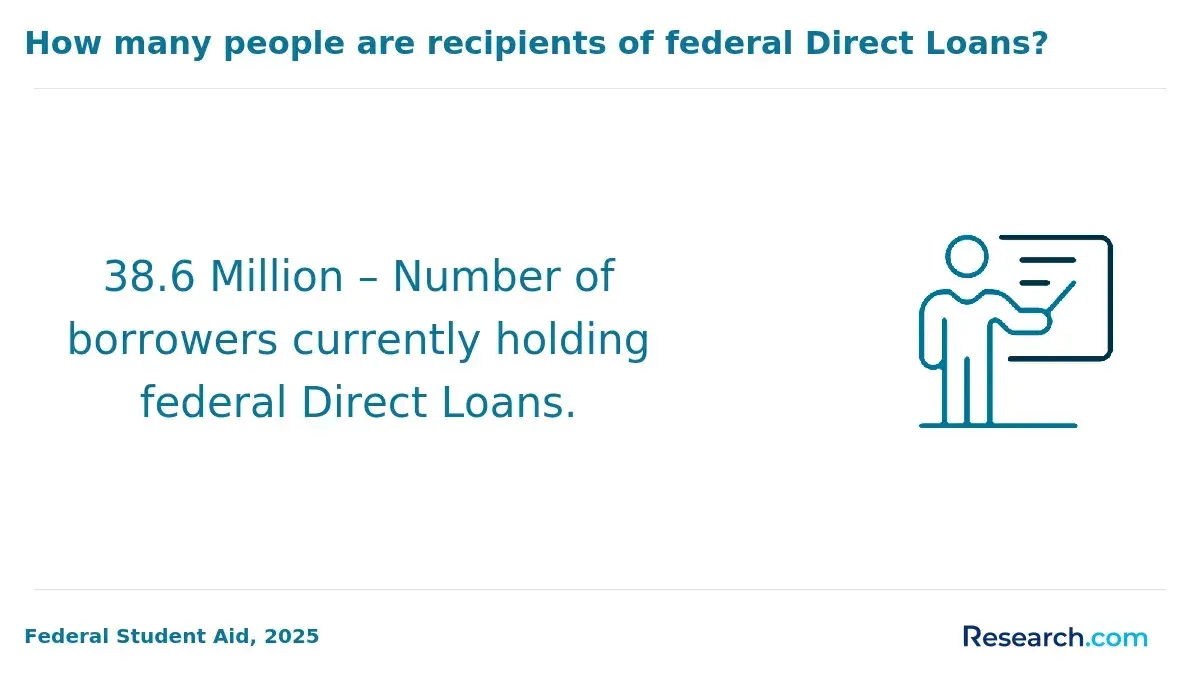
However, switching federal loans to private lenders removes federal protections such as access to income-driven repayment (IDR) plans, loan forgiveness, and options for deferment or forbearance. Nearly 40% of federal Direct Loan dollars from married borrowers are repaid through IDR plans, which can mean monthly payments between 6% and 10% of income. Refinancing could increase monthly costs if income fluctuates or declines.
Consider how filing status affects qualification. Joint refinancing requires both spouses to meet credit and income criteria, which might disqualify couples if one has poor credit. Refinancing separately could allow one spouse to maintain federal benefits.
Before deciding, compare current federal repayment costs with private loan offers. Couples with stable, good credit and higher combined incomes might benefit, while those relying on IDR plans or federal forgiveness should approach refinancing cautiously.
- Potential for lower interest rates and simplified payments
- Loss of federal protections including income-driven repayment and forgiveness
- Qualification depends on combined credit and income when refinancing jointly
- Weigh risks and benefits based on financial stability and repayment plans
How does refinancing affect marriage-based benefits like IDR, PSLF, and tax filing status?
Refinancing federal student loans into private loans causes borrowers to lose critical marriage-based benefits, including Income-Driven Repayment (IDR) plans, Public Service Loan Forgiveness (PSLF), and certain tax advantages. Private loans do not qualify for federal IDR options, which base payments on household income and family size. As a result, married borrowers who refinance risk losing income-based payment adjustments that factor in their spouse's earnings, potentially raising monthly payments.
PSLF eligibility ends once a loan is refinanced because forgiveness programs require the loan to remain federal. This means married borrowers working in qualifying public service roles may forfeit substantial loan balance forgiveness after 120 qualifying payments. The U.S. Department of Education reports that millions of borrowers have benefited from federal relief and IDR adjustments, which private loans do not offer.
Refinancing also impacts tax benefits linked to student loans. Married couples filing jointly may deduct up to $2,500 in student loan interest on federal returns. Although private loans remain deductible, refinancing can change repayment terms or interest rates, affecting deductible interest totals. Federal repayment strategies limited by refinancing may influence the timing and amount of interest paid.
- Loss of federal IDR payment flexibility
- Forfeiture of PSLF loan forgiveness
- Potential changes in tax-deductible interest
Couples should carefully weigh these trade-offs and consider consulting a financial advisor or loan servicer to model payment changes and forgiveness loss before refinancing.
What features define the best student loan refinance offers for married borrowers?
Refinancing student loans as a married couple offers benefits like lower interest rates and flexible repayment terms that accommodate joint incomes and financial changes. Many lenders allow joint applications, which can improve approval chances and secure better rates by combining credit profiles.
Consolidating both spouses' loans simplifies monthly payments and eases administration. Some lenders also provide customizable options-such as adjustable monthly payments or payment pauses-that help couples navigate life events like new children or job transitions.
Credit qualification standards vary; some lenders assess both borrowers' credit and income, which can lead to more favorable terms. Conversely, lenders that evaluate only one partner's credit might limit refinancing prospects if that credit is weaker.
Tax considerations play an important role. About 12.7 million taxpayers claimed the student loan interest deduction, averaging $220 annually, according to IRS Statistics of Income. Refinancing into private loans often reduces interest paid, potentially decreasing or eliminating this deduction. Couples should balance immediate savings against the loss of tax benefits.
Fees such as application, origination, and prepayment penalties can reduce refinancing advantages. Access to digital management tools and customer support tailored to couples enhances the overall experience.
- Joint refinancing applications leverage combined credit for better rates
- Loan consolidation eases payment management for spouses
- Flexible repayment plans accommodate life changes
- Tax deductions may decrease after refinancing to private loans
- Beware of fees that can reduce financial gains
Which types of student loans can married couples refinance and which should they avoid?
Married couples can refinance most federal and private student loans either jointly or individually. Federal loans like Direct Subsidized and Unsubsidized Loans, PLUS Loans, and Perkins Loans often qualify for refinancing into private loans with potentially lower interest rates. However, refinancing federal loans means giving up important federal benefits such as income-driven repayment plans, loan forgiveness, and deferment options.
Private loans from either spouse can be combined in a joint refinance, often resulting in better rates due to combined credit and income profiles. Couples should avoid refinancing loans that were recently consolidated or refinanced to prevent penalties or longer repayment terms.
In community property states, couples face additional challenges. Research from Education Data Initiative shows that these couples are more likely to be unaware of their spouse's student loan balances and may underestimate total household debt. This lack of transparency can complicate joint refinancing decisions.
Practical steps for couples considering refinancing include:
- Inventory all federal and private loan balances individually for a complete financial picture.
- Carefully evaluate the loss of federal protections before refinancing federal loans.
- Consider refinancing only private loans jointly to maintain federal benefits if preferred.
- Look for lenders who support joint applications and can leverage combined incomes.
How can married couples compare refinance rates, terms, and lenders effectively?
Married couples should collect detailed loan statements and credit reports to get a comprehensive view of their finances before comparing refinance offers. Focus on the annual percentage rate (APR), which includes interest and fees, rather than just the stated rate. Consider fixed versus variable rates and how changes could impact monthly payments. Review the repayment terms, including length and payment flexibility.
Identify lenders that accept joint applications and those requiring individual credit profiles. Some lenders offer lower rates for automatic payments. Use online tools to generate personalized quotes, but ensure they account for your combined income and marital status for accuracy.
Couples need to be aware that refinancing federal student loans into private loans removes federal protections, such as income-driven repayment plans, forbearance options, and loan forgiveness. Approximately 63% of federal loan borrowers refinancing did not understand these permanent losses (Consumer Financial Protection Bureau, 2024). It's essential to ask lenders about these factors before deciding.
Discuss financial goals, like paying off loans faster versus reducing monthly expenses. Evaluate total interest costs over the loan's life. If one spouse has significantly better credit, refinancing under their name might result in better terms. Finally, contacting multiple lenders, scrutinizing fees and penalties, and consulting a financial advisor or credit counselor can help ensure an informed decision.
What steps should married couples follow to apply and get approved for refinancing?
Married couples seeking student loan refinancing should begin by collecting detailed information on their existing loans, including balances, interest rates, and loan servicers. This combined data creates a comprehensive view of their financial status, essential for lender applications.
Next, it's important to jointly assess credit scores, as most lenders consider both spouses' credit profiles when determining eligibility and rates. If one partner has a lower score, applying solely with the higher-credit spouse or exploring co-signer options might secure better terms.
Lenders' fixed APRs for student loan refinancing range from approximately 3.7% to 10.3%. Research from Credible and Bankrate indicates borrowers who compare offers from at least three lenders receive interest rates about 1.1 percentage points lower on average. Use online calculators and comparison tools tailored for student loan refinancing to find competitive rates.
Prepare all necessary documents such as proof of income, tax returns, and identification. Submitting joint applications can showcase combined financial strength. Carefully review loan details including fees, repayment flexibility, and borrower protections before finalizing.
Upon approval, promptly sign the new loan agreement to consolidate and pay off existing loans. Clear communication between spouses throughout the process helps prevent delays and complications.
Other Things You Should Know About
Refinancing student loans typically involves a hard credit inquiry, which may cause a temporary dip in credit scores for both spouses if they apply jointly. Successfully refinancing and making timely payments can improve credit over time. However, if one spouse has poor credit, it might affect the interest rates offered or approval chances for the refinancing application.
Yes, one spouse can refinance student loans solely in their own name even after marriage. This is common when only one spouse has significant debt or stronger credit credentials. Refinancing individually means only that person's credit will be considered, but it also means only their income counts toward qualifying for the loan.
When married couples refinance federal student loans into a private loan, they forfeit federal protections such as income-driven repayment plans, loan forgiveness programs, and deferment options. It's important to weigh these losses against the potential savings from lower interest rates before refinancing jointly or individually.